#WarshDebutsAsFedHoldsRatesSteady
Kevin Warsh Begins Fed Era With a Hawkish Message
Kevin Warsh's first Federal Open Market Committee meeting as Fed Chairman on June 17, 2026, delivered a clear message:
Rates remain unchanged but the policy direction has shifted.
The Federal Reserve kept rates steady at 3.50%–3.75%, marking the fourth consecutive hold with a unanimous 12-0 vote.
However, the real market impact came from the updated projections.
In March, no officials expected a 2026 rate hike.
By June:
• 9 of 18 policymakers projected at least one hike
• 6 officials projected two hikes
• Median year-end rate forecast increased to 3.8% from 3.4%
• Inflation forecast rose to 3.6% from 2.7%
The Fed's message changed from potential easing to renewed inflation concern.
Warsh avoided submitting his own dot plot projection, signaling a preference for flexibility and action over fixed guidance.
His press conference emphasized one priority:
Restoring price stability.
The Fed also announced five new task forces focused on:
• Communication strategy
• Balance sheet policy
• Data systems
• Productivity and employment
• Inflation framework
One of the biggest changes was removing forward guidance from the policy statement.
Markets reacted quickly.
Gold dropped $146 (3.31%) after the announcement.
The 2-year Treasury yield climbed to 4.189%, its highest level in a year.
Stocks declined, and crypto markets also reacted:
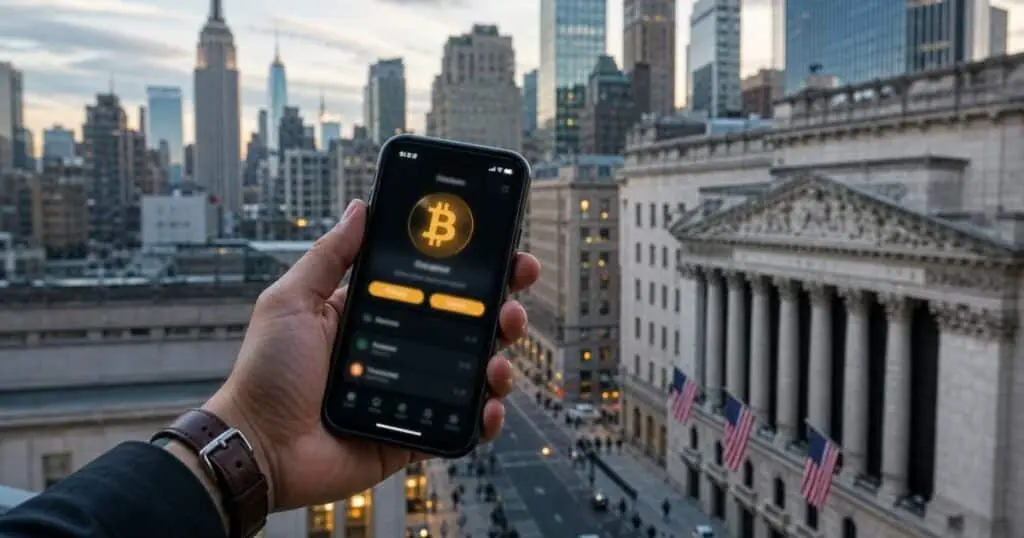
• Bitcoin traded near $63,900
• Crypto prices fell approximately 1%–3%
• Around $440M in positions were liquidated
The idea that Warsh would automatically bring easy monetary policy has been challenged.
The new Fed era appears more data-driven, less predictable, and more willing to act if inflation remains elevated.
For markets, the message is simple:
Liquidity conditions are changing.
#MyGateTradeStory
@Gate_Square
Kevin Warsh Begins Fed Era With a Hawkish Message
Kevin Warsh's first Federal Open Market Committee meeting as Fed Chairman on June 17, 2026, delivered a clear message:
Rates remain unchanged but the policy direction has shifted.
The Federal Reserve kept rates steady at 3.50%–3.75%, marking the fourth consecutive hold with a unanimous 12-0 vote.
However, the real market impact came from the updated projections.
In March, no officials expected a 2026 rate hike.
By June:
• 9 of 18 policymakers projected at least one hike
• 6 officials projected two hikes
• Median year-end rate forecast increased to 3.8% from 3.4%
• Inflation forecast rose to 3.6% from 2.7%
The Fed's message changed from potential easing to renewed inflation concern.
Warsh avoided submitting his own dot plot projection, signaling a preference for flexibility and action over fixed guidance.
His press conference emphasized one priority:
Restoring price stability.
The Fed also announced five new task forces focused on:
• Communication strategy
• Balance sheet policy
• Data systems
• Productivity and employment
• Inflation framework
One of the biggest changes was removing forward guidance from the policy statement.
Markets reacted quickly.
Gold dropped $146 (3.31%) after the announcement.
The 2-year Treasury yield climbed to 4.189%, its highest level in a year.
Stocks declined, and crypto markets also reacted:
• Bitcoin traded near $63,900
• Crypto prices fell approximately 1%–3%
• Around $440M in positions were liquidated
The idea that Warsh would automatically bring easy monetary policy has been challenged.
The new Fed era appears more data-driven, less predictable, and more willing to act if inflation remains elevated.
For markets, the message is simple:
Liquidity conditions are changing.
#MyGateTradeStory
@Gate_Square