
Square
Following
Hot
News
Notifications
Profile
Share your thoughts
placeholder
Article
BTC | ETH | Gold | Crude Oil
live-cover
LIVE5,116
Trenches
Max
M
bade
b
Max
5qaP...pump
Market Cap
$.
Change
.
24h Vol
$.
Holders
.
mihao
m
bade
b
mihao
4Cxj...pump
Market Cap
$.
Change
.
24h Vol
$.
Holders
.
AGT
A
bade
b
AGT
0x5d...e274
Market Cap
$.
Change
.
24h Vol
$.
Holders
.
DacityCoin
D
bade
b
DacityCoin
DKYc...pump
Market Cap
$.
Change
.
24h Vol
$.
Holders
.
Max
M
bade
b
Max
HPSp...h53z
Market Cap
$.
Change
.
24h Vol
$.
Holders
.
#Gate直通IPO第三期Anthropic Jump in big—could the AI sector create another fortune? Anthropic’s IPO valuation is targeting $1.4 trillion. Can 100 USDT get you in?

The AI world is truly buzzing lately! Anthropic, the company behind Claude, is officially moving forward with its IPO, with a reference fully diluted valuation of up to $1.4 trillion and an indicative offering price of $70–78 per share. Those numbers make you exclaim: AI hasn’t taken over the world yet, but its valuation has already taken over our wallets! 😂
Gate is now launching its third IPO subscription, accepting USDT with a minimum
post-image
BTC-0.65%
SPCX-2.32%
Why can adding more technical indicators actually make trading decisions more complicated?

Many traders go through a phase when they first start studying technical analysis:

Moving averages aren’t enough, so they add RSI; RSI isn’t enough, so they add MACD; worried that their trend assessment might be inaccurate, they add Bollinger Bands, volume, and other indicators.

Charts become increasingly crowded, and the analysis looks more and more professional—but have trading results really improved?

Not necessarily.

Adding indicators increases the amount of information, not necessarily the qual
post-image
Cross-chain transfers aren’t as simple as moving coins: 4 questions to understand before transferring

In the Web3 world, cross-chain technology connects assets and applications across different blockchains. But that doesn’t mean assets can move freely between networks without risk.

A cross-chain operation may involve locking and minting, burning and releasing, liquidity pools, or other cross-chain message verification mechanisms. Different mechanisms come with different trust assumptions and risks.

If you’re planning a cross-chain transfer, it’s a good idea to understand these four things f
post-image
These past few days of trades have honestly been so damn frustrating!!!
I looked at my trading history, and almost everything since the 9th has been a long [I’m not blindly bullish—I’m trying to bet on a rebound]: one trade made 28U, one made 4U, one lost 18U. The worst was the long I opened at 74147 on the night of the 10th and held all the way until 72763 before cutting it, losing 744U. The 73932 long I’m holding now is still underwater too.
I keep getting stopped out or stopped out by protection. Every time it moves 400 or 500 points, it turns back. If I close, after fees those 400 or 500 p
BTC-0.65%
  • 1
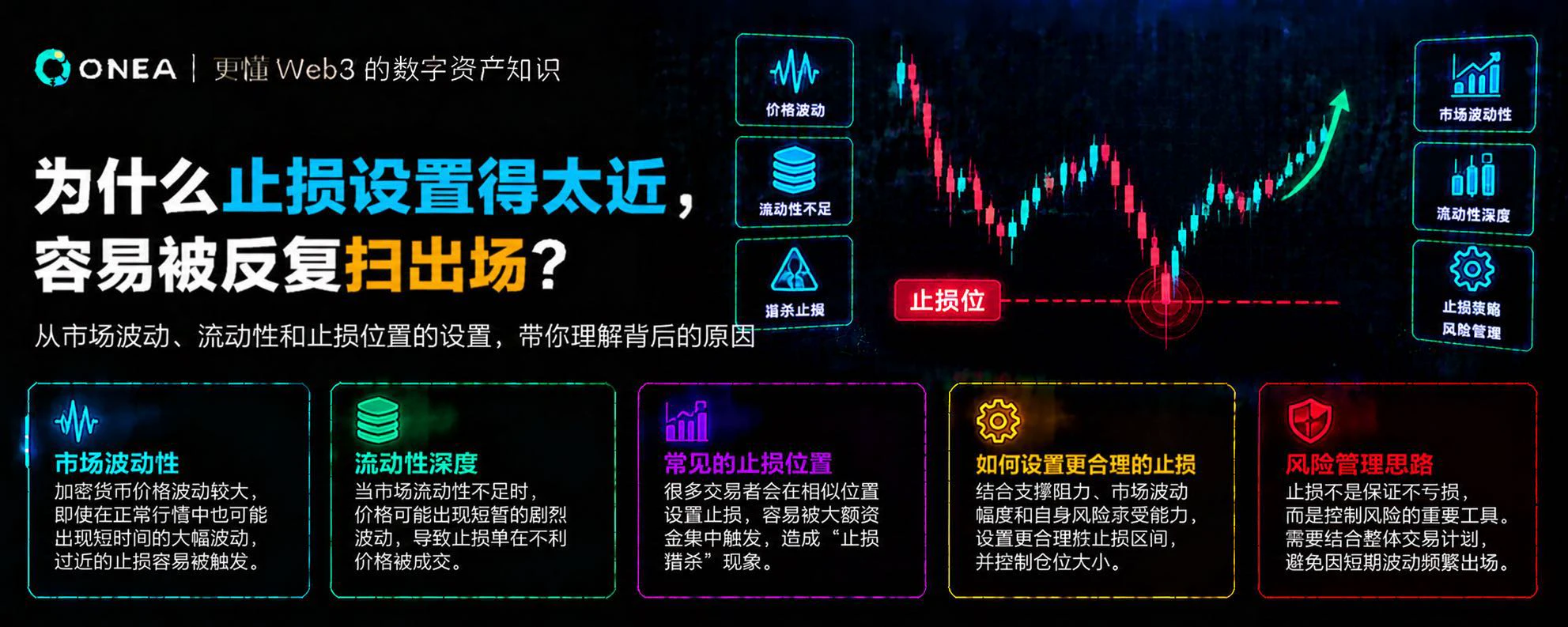
Why Are Stops Set Too Close More Likely to Get Hit Repeatedly?

Have you ever experienced this?

After you buy, a slight price drop triggers your stop-loss. You exit, and the price starts rising again.

The first time, you think it was bad luck.

The second time, you start doubting your judgment.

The third time, you may find yourself wondering: Is the market specifically targeting my stop-loss?

In fact, the issue often isn’t whether the market is targeting a particular trader, but that the stop-loss level conflicts with normal market volatility.

I. Why Are Stops Set Too Close More Likely to
post-image
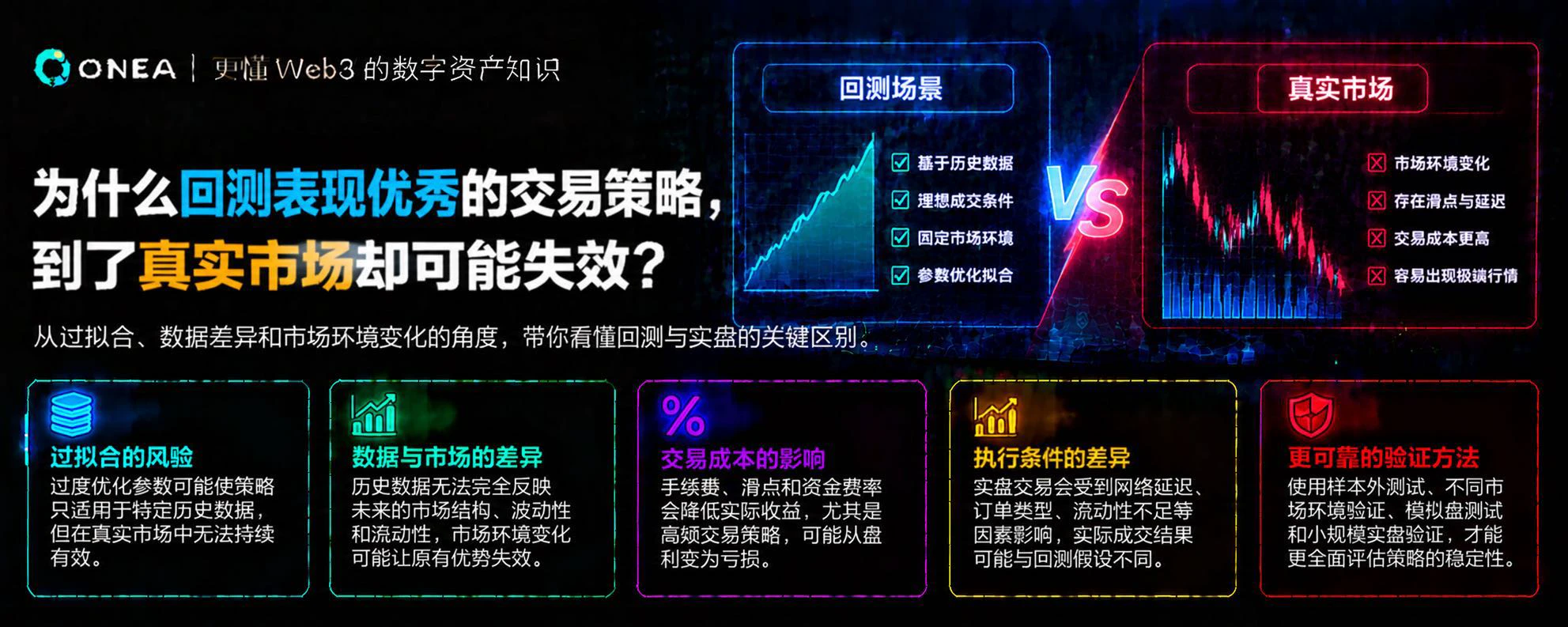
Why might a trading strategy that performs well in backtesting fail in real markets?

If a trading strategy has high historical returns and a good win rate, does that mean it is worth investing real money in?

Not necessarily.

Some strategies perform well on historical data, but their returns drop significantly—or they even sustain losses—once deployed in real markets.

The problem may not lie in the trading logic itself, but in the testing method, cost assumptions, or changes in market conditions.

I. Why can backtesting inspire confidence so easily?

At its core, backtesting applies trading
post-image
Why can a trading strategy work in a ranging market but fail in a trending market?

Have you ever encountered this situation?

A trading strategy performs well over the past few weeks. It sells when prices rise and buys when they pull back, earning profits through repeated trades.

But suddenly one day, the market begins to rise continuously, and the original strategy keeps selling, missing the subsequent move; or the market keeps falling, and the strategy repeatedly tries to catch the bottom, triggering stop-losses one after another.

The problem may not lie with the strategy itself, but coul
post-image
A Japanese girl visited her boyfriend’s home for the first time. After a video call with her older sister, her sister urgently urged her to break up with him.
Does anyone in the Chinese community know why?
post-image
AI is starting to take jobs—and create wealth too! Can ordinary people still seize the opportunities in this commercialization boom?

With AI here, what are ordinary people most concerned about? Of course, whether their jobs are still secure!
From automatically generating copy and creating images to writing code and analyzing data, AI is gradually becoming part of everyday work. Tasks that used to take hours can now sometimes be completed in just minutes.
This has shown companies the commercial opportunities: reducing repetitive work, improving employee efficiency, and shortening product devel
SPCX-2.32%
market update
live-cover
LIVE633
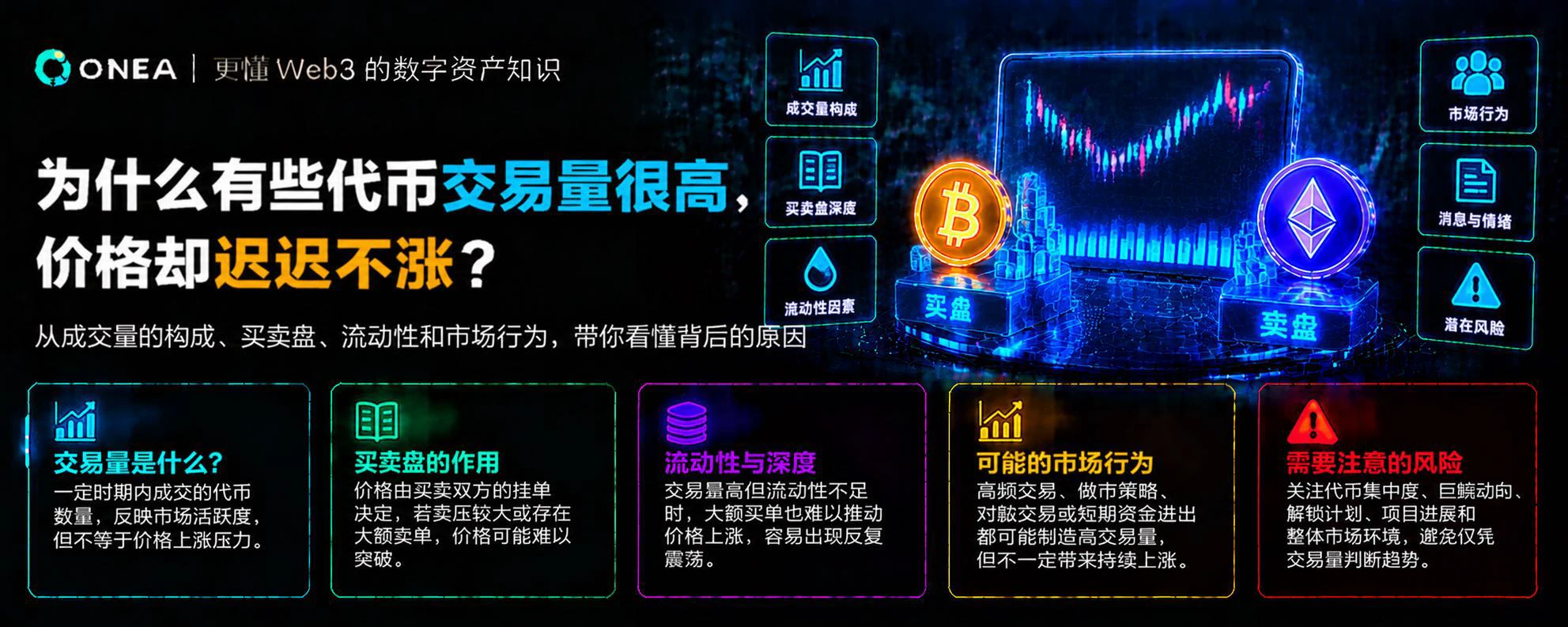
Why Do Some Tokens Have High Trading Volume but Their Prices Still Fail to Rise?

In the crypto market, a puzzling phenomenon sometimes occurs:

Trading volume keeps growing, and market discussions become increasingly lively, but the token price continues to fluctuate within a range.

Many people assume that rising trading volume means money is flowing in and that the price will soon break out.

But that is not always the case.

Trading volume reflects trading activity, while price changes depend on how buyers and sellers transact and whether the market can continue absorbing selling supply.

post-image
11/12 Midday Bitcoin:

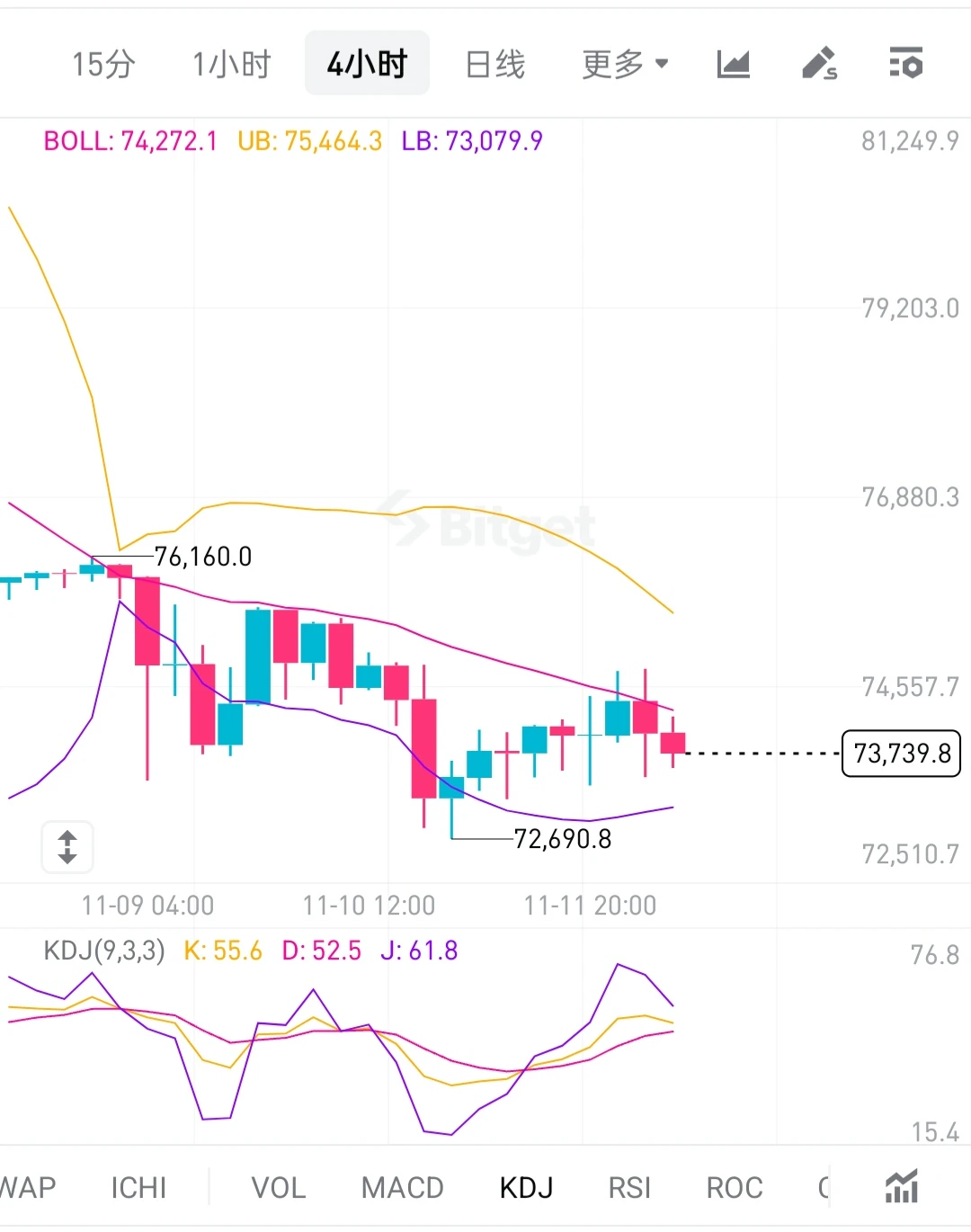
On the short-term 4-hour chart, the current price is between the Bollinger middle and lower bands. The price has pulled back from around 76160, with the middle band continuing to act as resistance. Overall, it remains in a low-level consolidation and recovery phase within a bearish trend, with the previous low around 72690 serving as key short-term support.

As for KDJ, the K value is 55.6, the D value is 52.5, and the J value is 61.8. The indicator has rebounded from low levels and formed a golden cross, indicating potential for a corrective rebound after the sharp drop
post-image
BTC-0.67%
AI companies are starting to show their report cards! The market is no longer listening to stories; investors only care about real money!

In the past, a company's stock might get a boost simply because it announced an AI product. Today, investors' attitudes are changing.
AI can be very smart, but companies must prove it can make money.
As AI commercialization enters the payoff phase, the market is starting to focus on several key metrics: How much is AI business revenue growing? Are customers willing to pay over the long term? What are product gross margins? Can revenue cover computing costs?
MU+12.02%
Why can trading fees seem low, yet accumulate over the long term and affect returns?

Many traders focus on price fluctuations, entry timing, and profit targets, but often overlook one detail: trading costs.

A single trading fee may be only a small percentage, but if trading frequency is high and profit margins are limited, these costs can gradually erode actual returns.

To determine whether a trading strategy is effective, you cannot look only at gross profit; you also need to consider net returns after deducting all trading costs.

I. Cryptocurrency trading costs are not limited to fees

T
post-image
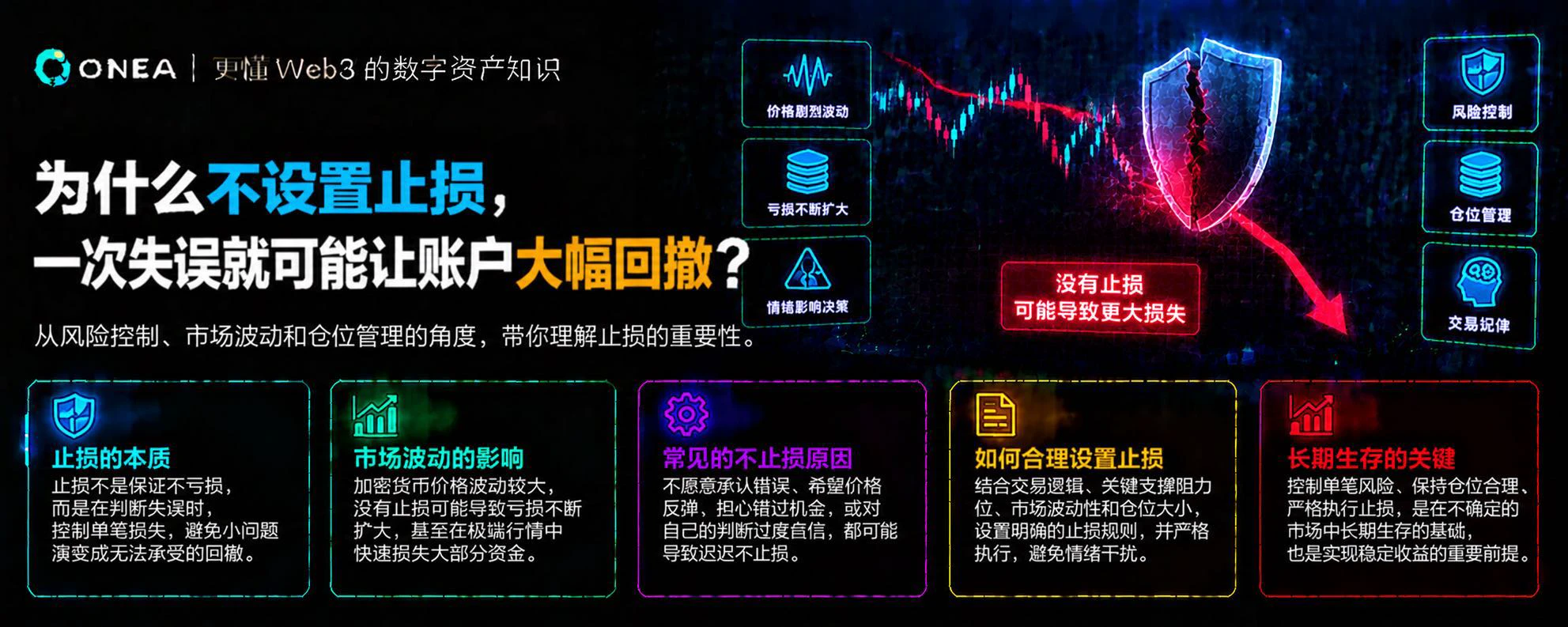
Why Can Failing to Set a Stop-Loss Cause a Single Mistake to Trigger a Major Account Drawdown?

In cryptocurrency trading, many people know how important stop-losses are, but when they are actually faced with losses, they often make the opposite decision.

When prices fall, they tell themselves to wait a little longer; when the market keeps falling, they think a rebound is just around the corner; by the time their losses grow larger, they have long since abandoned their original trading plan.

The problem is this: making a wrong call on a trade is not frightening in itself. What is truly dange
post-image
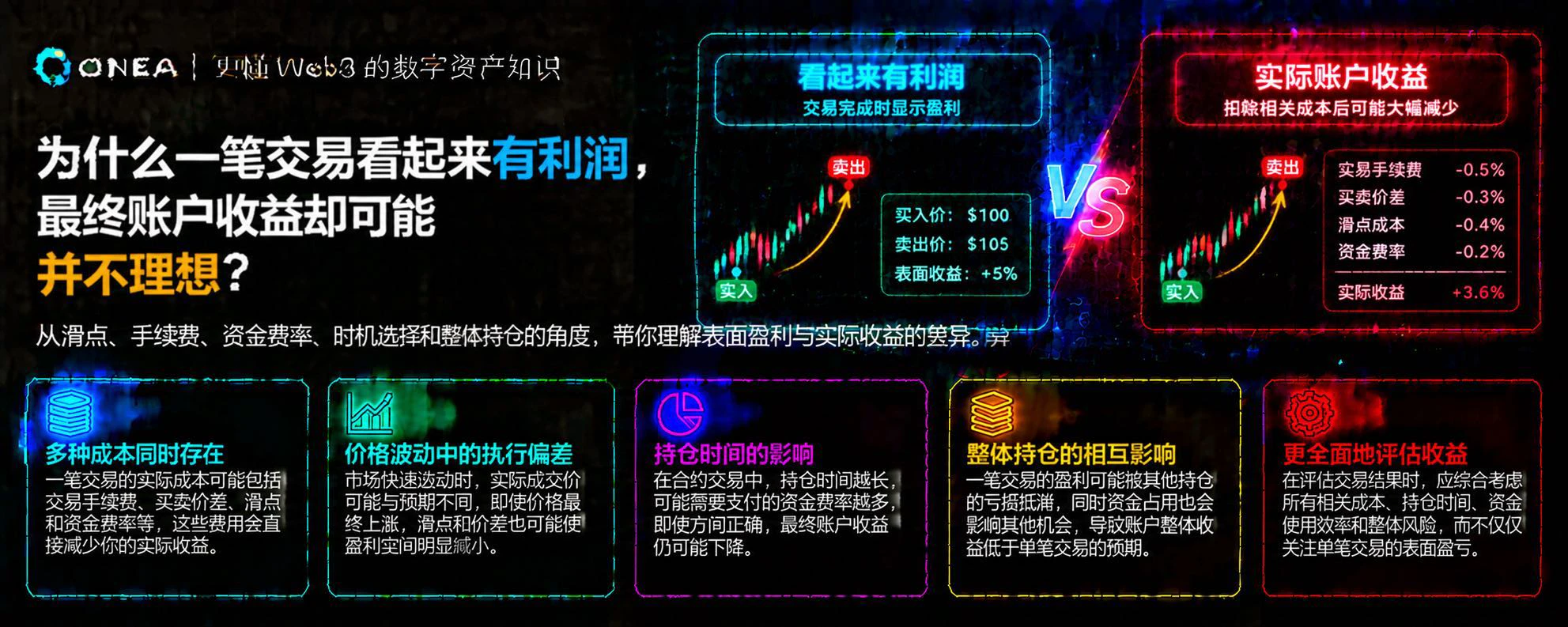
Why Can a Trade Appear Profitable Yet Deliver Disappointing Returns to Your Account?

In cryptocurrency trading, many people encounter this situation:

After buying, the price does rise, and the sale shows a profit, but when they check their account later, the actual returns are not as high as they expected.

The problem may not be your market direction call. It may be that the profit you see is not necessarily the same as the amount that ultimately remains in your account.

I. A Price Increase Does Not Mean All Costs Have Been Deducted

The actual result of a trade usually needs to account fo
post-image
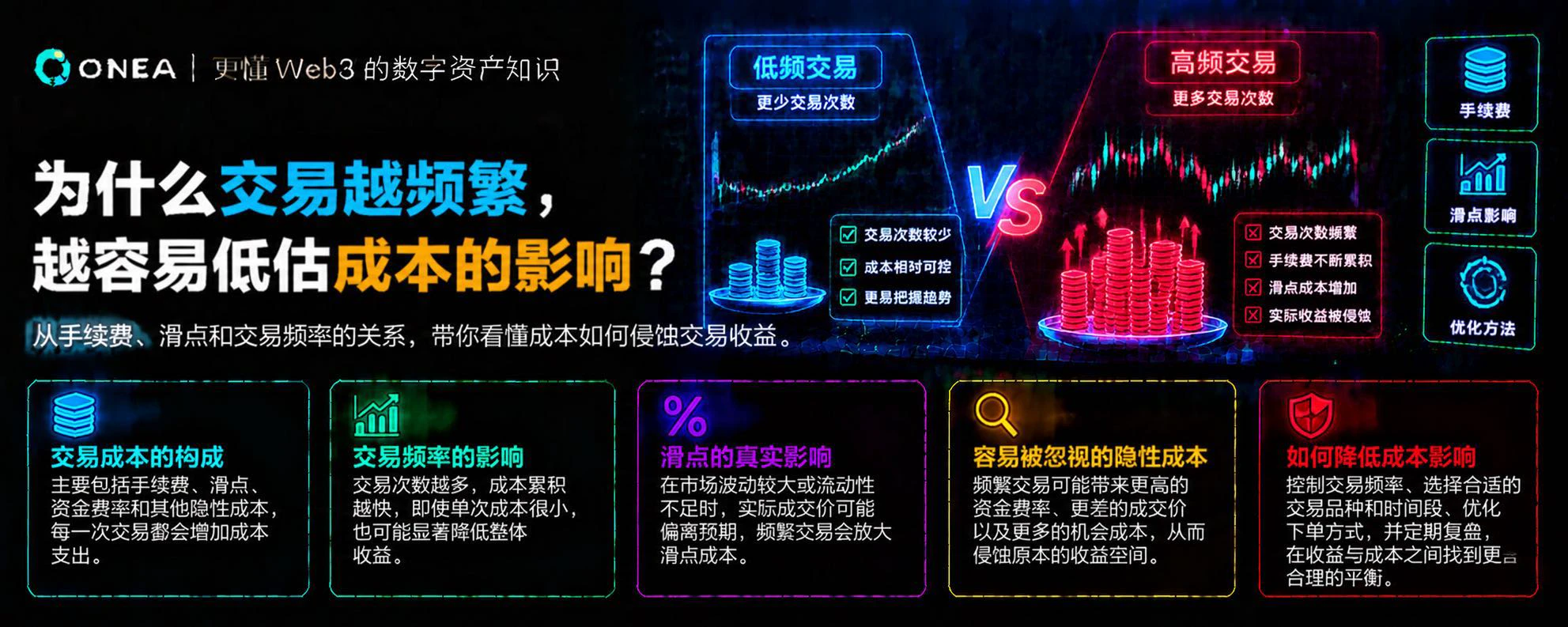
Why does more frequent trading make it easier to underestimate the impact of costs on long-term returns?

Many traders focus only on the buy price, sell price, and profit or loss when reviewing their trades, while overlooking a factor that continuously affects account performance: trading costs.

The cost of a single trade may seem small, but as the number of trades keeps increasing, these costs can gradually erode an already limited profit margin.

I. Small per-trade costs do not mean a small long-term impact

Suppose a trader pays an average of 0.1% of the trade amount in combined fees and s
post-image
Load More

Join 40 M users in our growing community

⚡️ Join 40 M users in the crypto craze discussion

💬 Engage with your favorite top creators

👍 See what interests you

Trending Topics

GateIPOAccessAnthropic

247.65k Views2.31k Discussing

Gate IPO Access Phase 3 features Anthropic (ANT), with USDT subscription interest starting from 100 USDT. Successful allocations will be delivered as real shares to Gate Stock Accounts. Indicative price: $70–$78/share Subscription: Nov 12–17 (UTC+8) Allocation is not guaranteed. Please manage risk accordingly.

USJoblessClaimsTonight

165.72k Views32.81k Discussing

JensenHuangCouldFaceRemoval

219.19k Views2.42k Discussing

View More