Square
Following
Hot
News
Profile

GateUser-373e0984

vip
Active for: 10.6y
Peak Tier 2
No content yet
6
Following
18
Followers
68
Liked
One of the biggest headaches with crypto assets is that on-chain records are too easy to leave behind.
The UK is now discussing expanding tax authorities’ access to crypto users’ information. I think what is truly worth watching is the link between personal identities and wallet addresses.
If tax authorities can directly obtain customer information from more crypto service providers in the future, the issue will go beyond whether transactions need to be reported.
Bitcoin addresses themselves are public. Once names, addresses, tax identities, and wallet addresses are linked, transfers, changes
post-image
BTC-1.30%
Seeing this kind of group chat being cracked down on again, the tactics mentioned are indeed pretty familiar.
What used to be national projects, policy dividends, and the thawing of national assets are now being packaged with blockchain, virtual currencies, and stablecoins.
Some groups do not rush to scam you for money at first. They have you check in, attend classes, and join meetings, then ask you to bring a few people in. Before long, they start sending links and asking you to download an app.
The most troublesome part of this type of scheme is that they spend a long time laying the groundw
post-image
The US’s $BTC reserve bill has made new progress.
On September 16, the US House Financial Services Committee passed the amended H.R. 8957 by a vote of 28 to 21. The bill contains one particularly clear provision: BTC legally held by the federal government and without any other statutory purpose must be held for at least 20 years after the bill takes effect, during which time it cannot be sold, exchanged, auctioned, or used as collateral.
In addition, the Treasury Department must establish the relevant reserve within 180 days after the bill takes effect and publish its holdings, transactions,
post-image
BTC-1.30%
  • 1
Starting September 17 and through September 17, 2031, eligible tokenized securities trading venues may, subject to meeting relevant requirements, explore the use of permissioned AMMs and liquidity pools for secondary trading.
The conditions are also quite clear: the relevant tokens must correspond to actual U.S. NMS stocks and provide shareholder rights corresponding to those of traditional stocks. Synthetic exposure, as well as products without actual legal or beneficial rights to the underlying stocks, does not fall within this exemption.
I think what is truly worth watching this time is tha
post-image
The pressure in the market is actually a chain reaction.
First, tensions in the Middle East have heightened concerns over crude oil supplies, with Brent crude climbing back above $100. As oil prices rise, concerns over inflation are returning as well, and the Federal Reserve’s policy options going forward will naturally come under greater discussion.
At the same time, the 10-year US Treasury yield has broken above 5%, European stocks have weakened, and US stock index futures are also lower. With interest rates staying high, high-valuation tech stocks are naturally more vulnerable to repricing
post-image
BZ+2.56%
BTC-1.30%
ETH-1.88%
  • 1
The changes in the new version of the CLARITY Act go far beyond simply defining Crypto’s legal status, with many rules that will genuinely affect market participants in the future now being added.
For example, related-party transactions among exchanges, brokers, and dealers are being addressed much more strictly in the new version. In the future, platforms that issue their own products, make markets for themselves, match trades themselves, or have conflicts of interest between different business lines will face tighter restrictions.
The impact on stablecoins could be even more direct.
The new
post-image
GalaxyOne now allows eligible users to use $BTC , $ETH , $SOL , and staked SOL as collateral to take out a revolving line of credit directly, borrowing USD or $USDC .
You are not limited to pledging just one asset—several crypto assets can be combined as collateral, making the funds more flexible to use. The annual interest rate is 8.99%, with no fees, and the collateral will not be restaked.
I think what is truly interesting about this model is not that there is another lending product, but that crypto assets are beginning to be used more like traditional financial credit instruments.
In the p
post-image
BTC-1.30%
ETH-1.88%
SOL-2.91%
USDC+0.02%
India is preparing to issue its first tokenized bond in September, with several details worth watching.
First, REC will issue it directly, with the size expected to be less than 5 billion rupees and a maturity of only 3 months, clearly making it more like a small-scale test.
Second, the participation method is also different. Investors will need to have both a CBDC wallet and a securities wallet. Bond holdings will be recorded on a distributed ledger, and subsequent trading will not take place on traditional electronic trading platforms.
More importantly, India is already considering the next
post-image
RWA-0.67%
Polymarket has now been directly targeted in South Korea.
The reason given by South Korean regulators is simple: you let users bet on political, election, and sports outcomes, and the winners ultimately receive money. In South Korea, that already looks a lot like gambling.
Polymarket naturally denies this, arguing that the platform merely provides P2P trading and smart contracts, is not itself a bookmaker, and does not directly collect money, so why should it be considered gambling?
But South Korea's stance is more direct: regardless of what technology you use under the hood, once you are in S
post-image
The Kalshi situation is getting more and more interesting.
This time, the CFTC directly required Kalshi to continue operating, even worrying that forced liquidation could disrupt positions in markets such as BTC.
But the state court follows a completely different logic: if sports contracts are essentially wagers on winning or losing, how are they any different from gambling?
Put plainly, the dispute is no longer just about whether Kalshi can offer sports contracts, but also about a very practical question:
Do prediction markets count as trading or betting?
If this line remains unclear, more pl
post-image
KALSHI+0.51%
BTC-1.35%
Gold is entering the on-chain era.
The UK's Financial Conduct Authority (FCA) is discussing how to incorporate tokenized gold into wholesale markets, including whether it can be used as institutional collateral.
This means that the traditional gold market is exploring integration with blockchain infrastructure.
The value of tokenized gold lies not only in digitizing gold, but also in giving it greater liquidity and more financial use cases.
If tokenized gold can enter institutional markets in the future, gold may evolve from a purely safe-haven asset into collateral within the on-chain financi
post-image
GLDX-0.15%
PAXG-0.02%
XAUUSD+0.38%
Minnesota is becoming a new case study in the U.S. crypto regulatory shifts.
Starting August 1, cryptocurrency ATMs in the state will be prohibited from operating, and existing devices will need to be phased out of the market.
The core reason driving this policy is that regulators found some crypto ATMs being used for scams. Data show that from 2023 to 2025, Minnesota investigated 134 related complaints, and residents’ losses were close to $1 million.
Regulators believe these kinds of transactions typically involve overseas addresses, making tracking and recovery more difficult.
But it
post-image
France has once again upgraded its regulation of Polymarket.
Previously, France had already banned local users from trading on Polymarket. This time, regulators further believed that even if users cannot trade, as long as the platform continues to display prediction markets and real-time odds, it still has the ability to attract users and expand its influence—so they decided to restrict access to the website.
This means the focus of regulation is no longer limited to trading activities, but has begun to extend to content display, user reach, and platform dissemination.
From an industry perspec
post-image
Polymarket is facing renewed regulatory pressure in Europe.
The Czech Republic has officially added Polymarket to a list of unauthorized online gambling games, ordering local operators to cut off access. This is no longer an isolated case—recently, several European countries including Italy and the Netherlands have also taken similar measures.
On the surface, the controversy centers on whether prediction markets are gambling, but I think the deeper problem is that existing regulatory frameworks are now struggling to define this kind of new product.
Prediction markets have both trading attribut
post-image
Russia plans to further strengthen regulation of cryptocurrency trading.
According to the direction of the bill, large cryptocurrency transactions will need to submit more complete identity information, while the scale of crypto assets that banks can hold will also be limited, and the central bank’s management authority over certain crypto transactions will be further expanded.
In my view, this is a shift in the regulatory approach.
In the past, the debate was whether to develop crypto; now more countries are starting to discuss how to regulate crypto. The focus is no longer on simply imposing
post-image
First comes the scam, then comes the regulation—this is a development process that many emerging financial tools go through.
Multiple U.S. states have recently tightened regulations on cryptocurrency ATMs. Tennessee implemented a full ban effective July 1, Georgia added new transaction limits and reporting obligations, Indiana had already enacted a ban, and Minnesota will follow suit in August. The reasons for these actions across different regions are almost the same—more and more residents, especially the elderly, are being lured by scammers to transfer funds through crypto ATMs, making it d
post-image
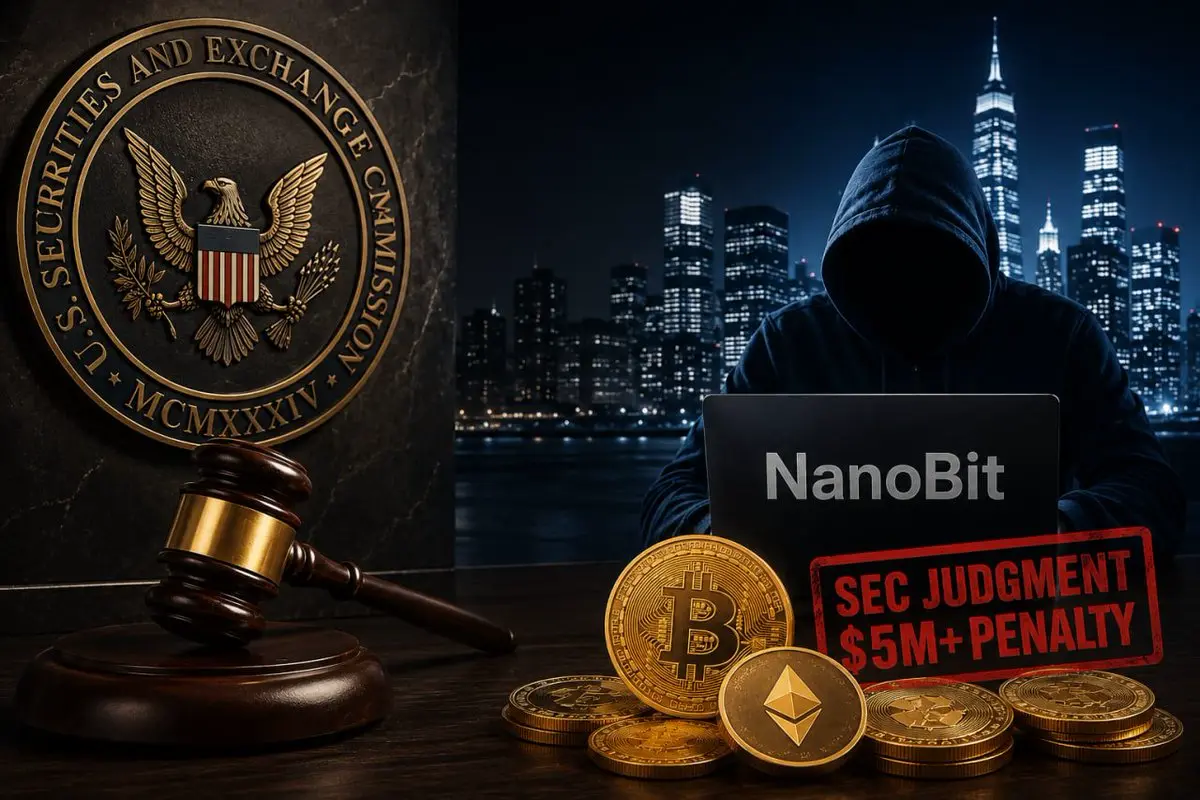
The U.S. Securities and Exchange Commission has made a final judgment against the crypto platform NanoBit, ordering the involved parties to pay over $5 million in fines. The case, which began in September 2024, has finally reached its final outcome.
According to the SEC, NanoBit and related individuals, from September 2023 to June 2024, impersonated financial professionals in WhatsApp groups, gaining investor trust through investment advice and insider opportunities, falsely claiming that affiliated companies were SEC-registered brokers, and subsequently promoted a fraudulent initial coin offe
post-image
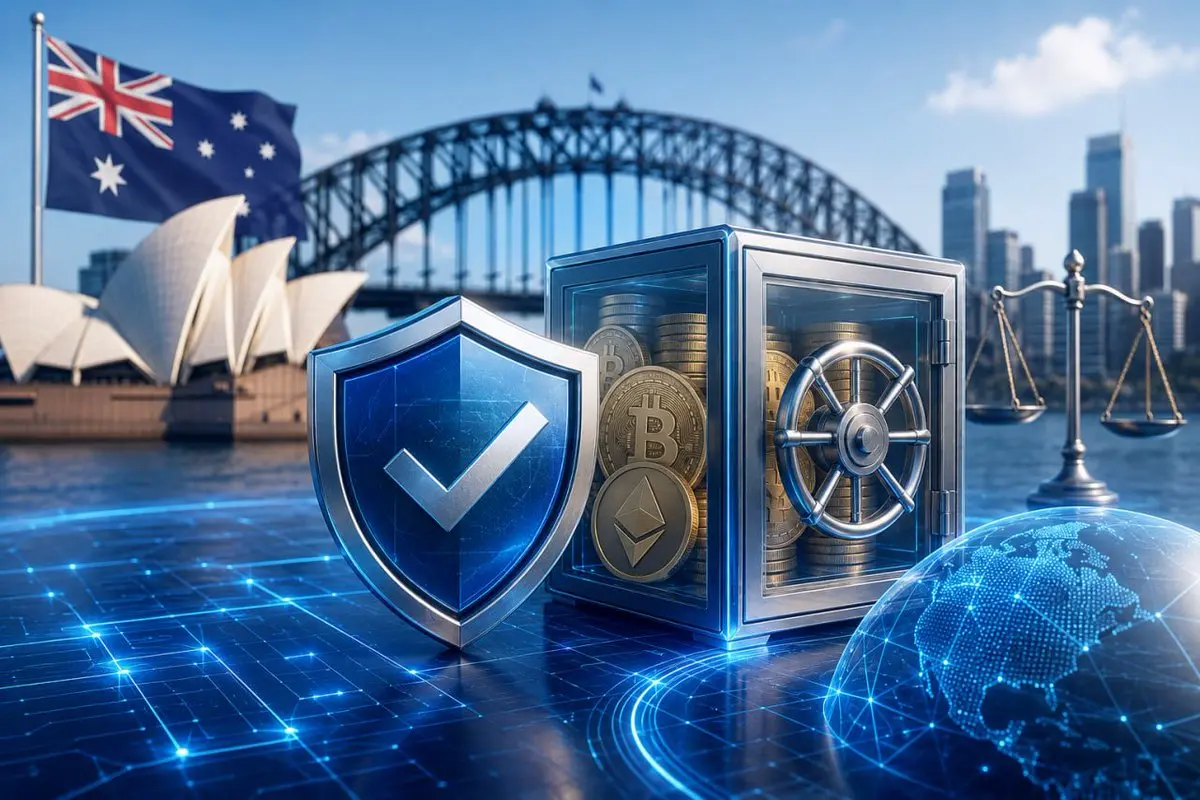
BitMart successfully obtained the Australian AFSL financial services license and officially came under ASIC regulation. This is not only a compliance milestone but also reflects that the global digital asset industry is accelerating toward standardized development.
According to the requirements of Australia's 2026 digital asset regulatory framework, licensed institutions need to implement mechanisms such as client asset segregation, information disclosure, and third-party dispute resolution to further enhance the platform's risk management and user protection levels.
For users, compliance may
post-image
Crypto ATMs are facing increasing regulatory pressure in the United States.
Recently, Delaware and New Jersey have introduced bills planning to ban the installation and operation of cryptocurrency ATMs nationwide.
Regulators believe that these devices have become a significant channel for scams.
Data shows that by 2025, nearly 13.5k complaints related to crypto ATMs in the U.S. will be filed, resulting in over $388 million in losses, with more than half of the victims being over 50 years old.
In the face of rising scam cases, more and more states are choosing to directly restrict or ev