GreenCandle

vip
Active for: 0.1y
Peak Tier 0
No content yet
morning market update
790 views
2026-07-29 00:59
  • Reward
  • Comment
  • Repost
  • Share
#GateCardUpTo8%Cashback Turn your everyday spending into valuable rewards with up to 8% cashback. Whether you're shopping, traveling, dining, or paying for daily essentials, choosing the right payment solution can help you save more while enjoying a smoother financial experience. Every transaction becomes an opportunity to earn, making your money work harder for you. In today's fast-moving digital economy, convenience and value matter more than ever. Cashback programs have become one of the most practical ways to maximize the benefits of everyday purchases without changing your spending habi
2In1
#GateCardUpTo8%Cashback
Turn your everyday spending into valuable rewards with up to 8% cashback. Whether you're shopping, traveling, dining, or paying for daily essentials, choosing the right payment solution can help you save more while enjoying a smoother financial experience. Every transaction becomes an opportunity to earn, making your money work harder for you.
In today's fast-moving digital economy, convenience and value matter more than ever. Cashback programs have become one of the most practical ways to maximize the benefits of everyday purchases without changing your spending habits. Instead of simply paying for goods and services, you can receive a percentage of your eligible spending back, creating long-term value with every payment.
A cashback card is more than just a payment method. It is a financial tool designed to reward responsible spending. Whether you're making online purchases, booking flights, paying for subscriptions, or shopping at your favorite stores, earning cashback helps reduce your effective costs while keeping your transactions simple and secure.
One of the biggest advantages of a modern cashback card is flexibility. You can use it for daily expenses, business purchases, entertainment, travel, or unexpected costs while continuing to earn rewards. Rather than limiting benefits to a few categories, many cashback programs are designed to support a wide variety of spending habits, allowing users to maximize value throughout the year.
For people who shop online regularly, cashback provides an additional incentive to make smarter purchasing decisions. Instead of focusing only on discounts, users can enjoy savings after completing their purchases. This creates a more rewarding shopping experience while helping build better financial habits over time.
Frequent travelers can also benefit significantly from cashback rewards. Flights, hotels, transportation, dining, and travel-related expenses often represent a large portion of personal budgets. Receiving cashback on eligible travel spending helps reduce overall trip costs and provides extra value without requiring additional effort.
Digital payments continue to replace traditional cash transactions across the world. As more merchants accept secure electronic payments, cashback programs become increasingly valuable. Consumers are looking for payment solutions that combine security, speed, convenience, and meaningful rewards in one package.
Security remains another important advantage. Modern payment cards typically include advanced protection technologies designed to safeguard transactions and reduce the risk of unauthorized activity. This allows users to shop confidently both online and in physical stores while maintaining greater control over their finances.
Cashback rewards can also encourage better budgeting. Tracking eligible purchases allows users to better understand their spending patterns while earning rewards for expenses they would already make. Over time, these savings can accumulate into meaningful financial benefits that support larger goals.
Students, professionals, entrepreneurs, and families all have different financial needs, yet cashback programs can provide value across every lifestyle. Whether you're buying groceries, paying utility bills, ordering food, purchasing electronics, or covering transportation costs, earning rewards on everyday spending makes each payment more rewarding.
Many people underestimate the long-term impact of consistent cashback earnings. Small percentages returned on regular purchases can accumulate over months and years, especially for individuals who actively use digital payment solutions. What seems like a modest reward today may become significant savings over time.
Responsible financial management is not only about reducing expenses but also about maximizing the value of every transaction. Cashback programs reward disciplined spending without requiring major lifestyle changes. Simply using the appropriate payment method for eligible purchases allows users to unlock additional financial benefits.
As digital commerce continues to expand globally, consumers increasingly expect payment products that provide more than basic functionality. They want speed, reliability, security, and rewards that align with their daily activities. Cashback has become one of the most attractive features because it offers immediate, measurable value.
For online shoppers, cashback enhances every purchase by providing additional returns after completing transactions. Instead of relying solely on seasonal promotions, users can continue earning rewards throughout the year on qualifying purchases, creating a more consistent savings strategy.
Business owners and freelancers can also benefit from cashback opportunities when paying for operational expenses. Office supplies, software subscriptions, travel costs, advertising, and business services often represent recurring expenses. Receiving cashback on eligible transactions helps improve overall cost efficiency while maintaining operational flexibility.
Families managing household budgets appreciate cashback because it rewards routine spending on groceries, education, healthcare, utilities, and entertainment. These recurring purchases become opportunities to generate additional savings without altering everyday financial routines.
Cashback also complements broader financial planning. Instead of allowing spending to produce no additional value, users can redirect earned rewards toward savings, investments, travel funds, emergency reserves, or future purchases. Every reward contributes to stronger financial discipline and smarter money management.
The growing popularity of digital finance reflects changing consumer expectations. People want payment experiences that are fast, secure, and rewarding. Cashback programs answer this demand by transforming routine transactions into valuable financial opportunities while encouraging greater adoption of secure digital payments.
Consumers should always understand the eligibility requirements, applicable spending categories, reward limits, and terms associated with cashback programs. Reading the available information carefully ensures users maximize their benefits while making informed financial decisions.
Technology continues to improve payment experiences through enhanced security, faster processing, and more convenient account management. Combined with competitive cashback opportunities, these innovations create payment solutions that support modern lifestyles across shopping, travel, entertainment, and daily expenses.
Every purchase represents a financial decision. Choosing a payment solution that rewards responsible spending can make a noticeable difference over time. Rather than viewing payments as simple transactions, users can see them as opportunities to generate additional value from expenses they already plan to make.
Financial success often comes from consistent habits rather than dramatic changes. Earning cashback on everyday purchases is one practical strategy that helps consumers increase value while maintaining responsible spending behavior. Small rewards earned consistently can contribute to larger financial goals through patience and smart money management.
Whether you're making your first digital payment or you're already an experienced card user, cashback rewards offer an attractive way to enhance your financial experience. Convenience, security, flexibility, and ongoing rewards make cashback an appealing feature for anyone looking to get more from everyday spending.
As consumer expectations continue to evolve, payment solutions that combine innovation with meaningful rewards will remain highly valuable. Cashback is no longer just a promotional feature—it has become an important part of smarter personal finance, encouraging users to maximize every eligible purchase while enjoying a seamless payment experience.
Choosing the right payment card means choosing more than convenience. It means selecting a financial tool that recognizes and rewards your everyday activity. Every purchase becomes another opportunity to earn, save, and build stronger financial habits for the future.
Start making every payment count, maximize your eligible purchases, and unlock up to 8% cashback while enjoying a smarter, more rewarding way to spend. Take advantage of every opportunity and make your everyday transactions work harder for you.
#GateCardUpTo8%Cashback
#SummerCreationCamp
@Gate_Square
@Gate Launch
@Gate 广场
@Gate News
@Gate 即时热点

repost-content-media
  • Reward
  • 3
  • Repost
  • Share
2In1:
2026 GOGOGO 👊
View More
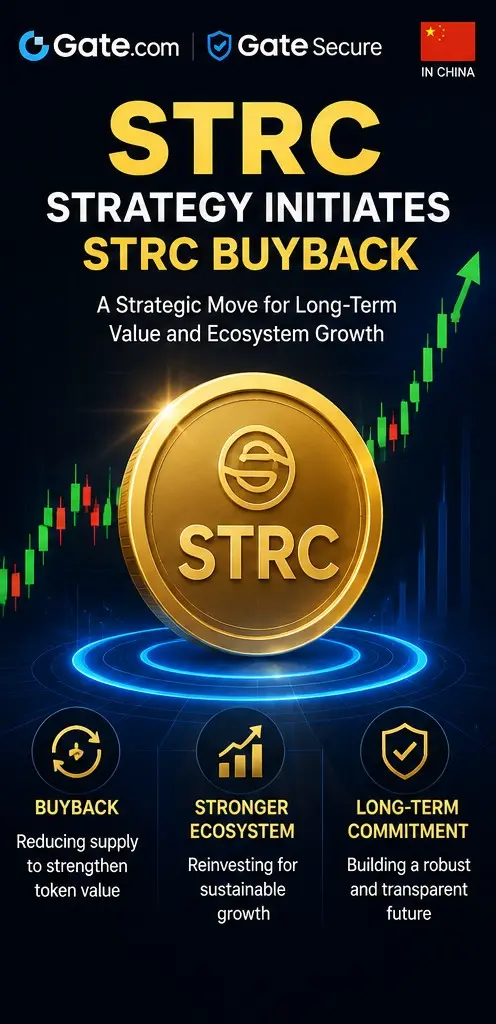
2026-07-28 14:38:55#StrategyInitiatesSTRCBuyback A major capital allocation decision can reshape market perception, strengthen investor confidence, and highlight a company's long-term vision. Strategy's decision to initiate the STRC buyback program reflects a disciplined approach to capital management while reinforcing its commitment to creating sustainable shareholder value. Rather than focusing only on short-term market movements, this initiative demonstrates how strategic financial planning can influence corporate growth, investor sentiment, and long-term market positioning. Share buyback
2In1
#StrategyInitiatesSTRCBuyback
A major capital allocation decision can reshape market perception, strengthen investor confidence, and highlight a company's long-term vision. Strategy's decision to initiate the STRC buyback program reflects a disciplined approach to capital management while reinforcing its commitment to creating sustainable shareholder value. Rather than focusing only on short-term market movements, this initiative demonstrates how strategic financial planning can influence corporate growth, investor sentiment, and long-term market positioning.
Share buyback programs have long been recognized as one of the most effective financial tools available to publicly traded companies. When a company repurchases its own shares, it reduces the number of outstanding shares in the market. This can improve earnings per share over time, optimize capital allocation, and send a strong message that management believes the company's shares are attractively valued.
Strategy's latest move involving the STRC buyback follows this well-established corporate finance principle. Instead of allowing excess capital to remain idle, the company is taking action to enhance shareholder value while maintaining financial discipline. Such decisions often become an important signal for institutional investors, analysts, and long-term market participants.
Corporate buybacks are rarely random. They are usually backed by extensive financial analysis, cash flow projections, capital requirements, and future investment plans. Companies that announce buyback programs typically evaluate whether repurchasing shares generates better long-term returns than acquisitions, debt reduction, or expanding operations.
The STRC buyback initiative highlights management's confidence in the company's financial position. A company generally commits to a buyback only when it believes it has sufficient liquidity, operational stability, and confidence in future business performance.
One of the immediate effects of a buyback is the reduction in the public float. With fewer shares available in the market, every remaining share represents a slightly larger ownership stake in the business. Although this does not automatically increase the company's intrinsic value overnight, it can improve several financial metrics that investors monitor closely.
Earnings per share, commonly known as EPS, often receives significant attention after buyback announcements. Because net income is divided among fewer outstanding shares, EPS can improve even if total earnings remain unchanged. Many institutional investors consider EPS growth alongside revenue expansion when evaluating corporate performance.
Beyond financial ratios, buyback announcements frequently influence market psychology. Investors often interpret these programs as evidence that company leadership believes the market undervalues the business. Confidence from management can strengthen overall market sentiment and encourage long-term investors to remain committed during periods of volatility.
Market reactions to buyback announcements vary depending on broader economic conditions. During uncertain environments, a buyback can provide additional support by demonstrating financial strength. During bullish markets, it can reinforce positive momentum by highlighting management's confidence in future growth.
The STRC buyback also demonstrates disciplined capital management. Companies constantly face decisions regarding how to allocate available cash. Possible options include expanding production, increasing research and development, paying dividends, reducing debt, acquiring competitors, or repurchasing shares. Selecting a buyback indicates that management currently sees attractive value in investing back into its own business.
Investors generally appreciate companies that maintain flexibility while making disciplined financial decisions. A balanced capital allocation strategy allows businesses to pursue growth opportunities while also rewarding shareholders through efficient use of available resources.
Another important aspect of buyback programs is their impact on long-term ownership concentration. As outstanding shares decline, existing shareholders gradually own a larger percentage of the company without purchasing additional shares. This can become particularly meaningful over extended investment horizons.
Institutional investors closely analyze buyback announcements because they often reveal management's internal outlook. While public market participants rely primarily on financial statements and earnings reports, corporate leadership has deeper visibility into business operations, customer demand, cash generation, operational efficiency, and strategic planning. A buyback may therefore be interpreted as an indirect expression of confidence.
Risk management remains an essential consideration. Responsible companies execute buyback programs without compromising operational flexibility. Maintaining healthy cash reserves, manageable debt levels, and sufficient investment capacity remains critical for sustainable long-term success.
Financial markets also examine the timing of buybacks. Companies often prefer repurchasing shares when valuations appear attractive relative to long-term business prospects. Strategic timing can improve capital efficiency and maximize shareholder value over multiple years.
From a governance perspective, transparent communication surrounding buyback programs is equally important. Investors benefit when companies clearly explain program objectives, funding sources, execution plans, and overall strategic rationale. Transparency strengthens trust and improves market confidence.
Corporate finance experts frequently emphasize that buybacks should complement—not replace—business investment. Sustainable value creation depends on continuous innovation, operational excellence, customer satisfaction, and strategic execution. Share repurchases become most effective when supported by healthy underlying business fundamentals.
The STRC buyback initiative also encourages broader discussion about capital efficiency across financial markets. Investors increasingly evaluate companies not only on revenue growth but also on how effectively management deploys available capital. Efficient capital allocation often distinguishes exceptional companies from average performers.
As global financial markets continue evolving, investors are placing greater emphasis on disciplined leadership, predictable execution, and long-term value creation. Companies capable of balancing growth investments with shareholder-friendly initiatives frequently attract greater institutional attention and long-term confidence.
Market participants should remember that every corporate action exists within a broader economic environment. Interest rates, macroeconomic trends, industry competition, regulatory developments, and consumer demand all influence the ultimate impact of any buyback program. Therefore, evaluating buybacks alongside overall business performance provides a more complete investment perspective.
The STRC buyback represents more than a simple financial transaction. It reflects strategic thinking, confidence in future operations, disciplined capital management, and a commitment to enhancing shareholder value over time. These qualities are increasingly important as investors seek businesses capable of navigating changing market conditions while maintaining strong financial foundations.
Long-term investors often focus less on daily price fluctuations and more on corporate decisions that influence sustainable value creation. Capital allocation policies, operational execution, financial stability, innovation, and strategic vision collectively determine long-term business success. The STRC buyback contributes to this broader narrative by reinforcing management's focus on disciplined financial stewardship.
As markets become increasingly competitive, companies that consistently demonstrate responsible financial management are often better positioned to attract institutional capital, strengthen investor trust, and build resilience during economic uncertainty. Strategic buybacks, when executed responsibly, remain one of several tools available to achieve these objectives.
Investors should continue monitoring future corporate updates, financial results, execution progress, and broader market conditions to understand how the STRC buyback aligns with the company's long-term strategy. Informed decisions are always built on comprehensive research, disciplined analysis, and a clear understanding of both opportunities and risks.
Every significant corporate announcement provides valuable insight into management priorities and strategic direction. Understanding these developments helps investors build a stronger perspective on market dynamics, corporate finance, and long-term investment opportunities.
Stay informed, continue your research, evaluate every corporate development carefully, and focus on long-term value creation when making investment decisions.
repost-content-media
  • Reward
  • 5
  • Repost
  • Share
2In1:
2026 GOGOGO 👊
View More
#StrategyInitiatesSTRCBuyback A major capital allocation decision can reshape market perception, strengthen investor confidence, and highlight a company's long-term vision. Strategy's decision to initiate the STRC buyback program reflects a disciplined approach to capital management while reinforcing its commitment to creating sustainable shareholder value. Rather than focusing only on short-term market movements, this initiative demonstrates how strategic financial planning can influence corporate growth, investor sentiment, and long-term market positioning. Share buyback programs have long
2In1
#StrategyInitiatesSTRCBuyback
A major capital allocation decision can reshape market perception, strengthen investor confidence, and highlight a company's long-term vision. Strategy's decision to initiate the STRC buyback program reflects a disciplined approach to capital management while reinforcing its commitment to creating sustainable shareholder value. Rather than focusing only on short-term market movements, this initiative demonstrates how strategic financial planning can influence corporate growth, investor sentiment, and long-term market positioning.
Share buyback programs have long been recognized as one of the most effective financial tools available to publicly traded companies. When a company repurchases its own shares, it reduces the number of outstanding shares in the market. This can improve earnings per share over time, optimize capital allocation, and send a strong message that management believes the company's shares are attractively valued.
Strategy's latest move involving the STRC buyback follows this well-established corporate finance principle. Instead of allowing excess capital to remain idle, the company is taking action to enhance shareholder value while maintaining financial discipline. Such decisions often become an important signal for institutional investors, analysts, and long-term market participants.
Corporate buybacks are rarely random. They are usually backed by extensive financial analysis, cash flow projections, capital requirements, and future investment plans. Companies that announce buyback programs typically evaluate whether repurchasing shares generates better long-term returns than acquisitions, debt reduction, or expanding operations.
The STRC buyback initiative highlights management's confidence in the company's financial position. A company generally commits to a buyback only when it believes it has sufficient liquidity, operational stability, and confidence in future business performance.
One of the immediate effects of a buyback is the reduction in the public float. With fewer shares available in the market, every remaining share represents a slightly larger ownership stake in the business. Although this does not automatically increase the company's intrinsic value overnight, it can improve several financial metrics that investors monitor closely.
Earnings per share, commonly known as EPS, often receives significant attention after buyback announcements. Because net income is divided among fewer outstanding shares, EPS can improve even if total earnings remain unchanged. Many institutional investors consider EPS growth alongside revenue expansion when evaluating corporate performance.
Beyond financial ratios, buyback announcements frequently influence market psychology. Investors often interpret these programs as evidence that company leadership believes the market undervalues the business. Confidence from management can strengthen overall market sentiment and encourage long-term investors to remain committed during periods of volatility.
Market reactions to buyback announcements vary depending on broader economic conditions. During uncertain environments, a buyback can provide additional support by demonstrating financial strength. During bullish markets, it can reinforce positive momentum by highlighting management's confidence in future growth.
The STRC buyback also demonstrates disciplined capital management. Companies constantly face decisions regarding how to allocate available cash. Possible options include expanding production, increasing research and development, paying dividends, reducing debt, acquiring competitors, or repurchasing shares. Selecting a buyback indicates that management currently sees attractive value in investing back into its own business.
Investors generally appreciate companies that maintain flexibility while making disciplined financial decisions. A balanced capital allocation strategy allows businesses to pursue growth opportunities while also rewarding shareholders through efficient use of available resources.
Another important aspect of buyback programs is their impact on long-term ownership concentration. As outstanding shares decline, existing shareholders gradually own a larger percentage of the company without purchasing additional shares. This can become particularly meaningful over extended investment horizons.
Institutional investors closely analyze buyback announcements because they often reveal management's internal outlook. While public market participants rely primarily on financial statements and earnings reports, corporate leadership has deeper visibility into business operations, customer demand, cash generation, operational efficiency, and strategic planning. A buyback may therefore be interpreted as an indirect expression of confidence.
Risk management remains an essential consideration. Responsible companies execute buyback programs without compromising operational flexibility. Maintaining healthy cash reserves, manageable debt levels, and sufficient investment capacity remains critical for sustainable long-term success.
Financial markets also examine the timing of buybacks. Companies often prefer repurchasing shares when valuations appear attractive relative to long-term business prospects. Strategic timing can improve capital efficiency and maximize shareholder value over multiple years.
From a governance perspective, transparent communication surrounding buyback programs is equally important. Investors benefit when companies clearly explain program objectives, funding sources, execution plans, and overall strategic rationale. Transparency strengthens trust and improves market confidence.
Corporate finance experts frequently emphasize that buybacks should complement—not replace—business investment. Sustainable value creation depends on continuous innovation, operational excellence, customer satisfaction, and strategic execution. Share repurchases become most effective when supported by healthy underlying business fundamentals.
The STRC buyback initiative also encourages broader discussion about capital efficiency across financial markets. Investors increasingly evaluate companies not only on revenue growth but also on how effectively management deploys available capital. Efficient capital allocation often distinguishes exceptional companies from average performers.
As global financial markets continue evolving, investors are placing greater emphasis on disciplined leadership, predictable execution, and long-term value creation. Companies capable of balancing growth investments with shareholder-friendly initiatives frequently attract greater institutional attention and long-term confidence.
Market participants should remember that every corporate action exists within a broader economic environment. Interest rates, macroeconomic trends, industry competition, regulatory developments, and consumer demand all influence the ultimate impact of any buyback program. Therefore, evaluating buybacks alongside overall business performance provides a more complete investment perspective.
The STRC buyback represents more than a simple financial transaction. It reflects strategic thinking, confidence in future operations, disciplined capital management, and a commitment to enhancing shareholder value over time. These qualities are increasingly important as investors seek businesses capable of navigating changing market conditions while maintaining strong financial foundations.
Long-term investors often focus less on daily price fluctuations and more on corporate decisions that influence sustainable value creation. Capital allocation policies, operational execution, financial stability, innovation, and strategic vision collectively determine long-term business success. The STRC buyback contributes to this broader narrative by reinforcing management's focus on disciplined financial stewardship.
As markets become increasingly competitive, companies that consistently demonstrate responsible financial management are often better positioned to attract institutional capital, strengthen investor trust, and build resilience during economic uncertainty. Strategic buybacks, when executed responsibly, remain one of several tools available to achieve these objectives.
Investors should continue monitoring future corporate updates, financial results, execution progress, and broader market conditions to understand how the STRC buyback aligns with the company's long-term strategy. Informed decisions are always built on comprehensive research, disciplined analysis, and a clear understanding of both opportunities and risks.
Every significant corporate announcement provides valuable insight into management priorities and strategic direction. Understanding these developments helps investors build a stronger perspective on market dynamics, corporate finance, and long-term investment opportunities.
Stay informed, continue your research, evaluate every corporate development carefully, and focus on long-term value creation when making investment decisions.
repost-content-media
  • Reward
  • 2
  • Repost
  • Share
2In1:
To The Moon 🌕
View More
#MinnesotaPredictionMarketBanBlocked A major legal decision has reshaped the conversation around prediction markets in the United States. The blocking of Minnesota's attempt to restrict prediction market operations has become an important moment for financial innovation, market regulation, and the future of event-based trading. As governments, regulators, and market participants continue to debate the role of prediction markets, this development highlights the growing importance of clear legal frameworks that encourage innovation while protecting consumers. Prediction markets have gained sig
2In1
#MinnesotaPredictionMarketBanBlocked
A major legal decision has reshaped the conversation around prediction markets in the United States. The blocking of Minnesota's attempt to restrict prediction market operations has become an important moment for financial innovation, market regulation, and the future of event-based trading. As governments, regulators, and market participants continue to debate the role of prediction markets, this development highlights the growing importance of clear legal frameworks that encourage innovation while protecting consumers.
Prediction markets have gained significant attention over the past few years because they allow participants to trade contracts based on the outcomes of real-world events. Unlike traditional financial assets, these markets focus on probabilities, enabling users to express expectations about elections, economic indicators, sporting events, policy decisions, and many other measurable outcomes.
The recent legal decision preventing Minnesota's proposed ban has generated widespread discussion across the financial technology, blockchain, and regulatory communities. Supporters believe that prediction markets contribute valuable information by aggregating diverse opinions into market-driven forecasts. Critics, however, continue to raise concerns regarding consumer protection, regulatory oversight, and market integrity.
This decision does not necessarily end the broader regulatory debate. Instead, it demonstrates that questions surrounding jurisdiction, financial regulation, and the legal classification of prediction markets remain active issues that courts and policymakers will continue to address.
Prediction markets have evolved considerably from simple forecasting platforms into sophisticated ecosystems supported by advanced trading infrastructure, decentralized technologies, and improved liquidity mechanisms. As participation grows, these platforms increasingly attract individual traders, institutions, researchers, economists, and technology developers interested in understanding collective market intelligence.
One of the strongest arguments in favor of prediction markets is their ability to aggregate information efficiently. Thousands of independent participants continuously evaluate new information, adjust positions, and react to breaking developments. The resulting market prices often reflect changing expectations in real time, providing valuable insight into future probabilities.
Unlike opinion polls or surveys that capture responses at a single point in time, prediction markets remain dynamic throughout an event's lifecycle. Every new economic report, political announcement, corporate earnings release, or geopolitical event can immediately influence market pricing, creating continuously updated forecasts.
The Minnesota ruling also raises broader questions regarding regulatory consistency across different jurisdictions. As financial innovation expands rapidly, businesses often face varying legal interpretations between states and federal authorities. Greater regulatory clarity can help both companies and consumers better understand their rights, obligations, and operational boundaries.
For technology companies developing prediction market infrastructure, legal certainty encourages investment in product development, compliance systems, cybersecurity, and user protection. Stable regulatory environments often attract additional innovation while reducing uncertainty for entrepreneurs and investors.
Institutional interest in prediction markets has also increased. Academic researchers frequently analyze market pricing to study forecasting accuracy, behavioral economics, information efficiency, and public sentiment. Financial institutions monitor prediction markets alongside traditional economic indicators to better understand changing market expectations.
The legal discussion surrounding prediction markets extends beyond finance alone. These platforms increasingly intersect with economics, artificial intelligence, data science, blockchain technology, and public policy. Each trade represents not only a financial position but also a collective assessment of future probabilities based on available information.
Blockchain technology has further accelerated innovation in this sector by enabling transparent settlement mechanisms, decentralized infrastructure, programmable smart contracts, and increased accessibility for global participants. Although regulatory approaches differ across jurisdictions, technological progress continues to reshape how prediction markets operate.
Consumer protection remains one of the central issues in every regulatory discussion. Responsible platforms generally emphasize identity verification, compliance standards, transparency, responsible trading practices, market surveillance, and clear disclosure of risks. Maintaining trust is essential for long-term market development.
Education is equally important. Many new participants mistakenly assume prediction markets guarantee accurate forecasts. In reality, market prices reflect current collective expectations rather than certainty. Unexpected events, changing economic conditions, political developments, or new information can quickly alter probabilities.
Risk management therefore remains essential. Participants should avoid making decisions based solely on market sentiment and should instead combine prediction market data with independent research, diversified strategies, and careful evaluation of available information.
From a market efficiency perspective, prediction markets offer several advantages. They respond quickly to new information, encourage price discovery, reduce reliance on centralized forecasting models, and create incentives for participants to incorporate diverse sources of information into their decisions.
The legal outcome in Minnesota may influence future discussions in other jurisdictions considering similar regulatory approaches. Courts examining comparable issues may closely evaluate legal reasoning related to statutory authority, administrative processes, constitutional principles, and regulatory jurisdiction.
At the same time, policymakers are likely to continue exploring balanced regulatory frameworks capable of supporting innovation without compromising investor protection or market integrity. Finding that balance remains one of the greatest challenges facing modern financial regulation.
For entrepreneurs operating within financial technology, this case illustrates the importance of proactive compliance and constructive engagement with regulators. Successful innovation often depends not only on technological excellence but also on legal preparedness and transparent governance.
The broader financial industry continues evolving rapidly through digital assets, tokenization, decentralized finance, artificial intelligence, and data-driven financial services. Prediction markets represent one component of this larger transformation, where technology increasingly expands access to financial participation and information discovery.
Market participants should continue monitoring legal developments carefully. Regulatory decisions can influence platform availability, trading activity, liquidity, institutional participation, and future product innovation. Staying informed helps traders adapt to changing regulatory landscapes while making better-informed decisions.
Transparency will remain a defining characteristic of successful prediction market ecosystems. Clear rules, reliable settlement processes, strong compliance standards, independent oversight, and effective risk controls help strengthen confidence among participants and regulators alike.
Innovation and regulation should not be viewed as opposing forces. When balanced effectively, thoughtful regulation can encourage responsible growth while reducing uncertainty and protecting users. Markets generally perform best when participants understand the rules governing their activities.
The Minnesota case also demonstrates the importance of judicial review within evolving financial sectors. As technology advances faster than legislation, courts increasingly play an important role in interpreting existing laws while legislators work toward updated regulatory frameworks.
Global interest in prediction markets continues expanding as governments, businesses, universities, and investors recognize the value of collective intelligence. Whether forecasting economic indicators, policy outcomes, technological adoption, or major global events, prediction markets continue demonstrating their growing relevance across multiple industries.
Artificial intelligence may further enhance these markets by improving information analysis, identifying emerging trends, detecting unusual trading behavior, and supporting more efficient market surveillance. However, human judgment, transparency, and regulatory oversight will remain equally important components of sustainable market development.
Investors should remember that legal developments often influence market sentiment but rarely determine long-term innovation on their own. Sustainable growth depends upon technological advancement, responsible governance, regulatory clarity, user trust, and continued market participation.
The evolving relationship between regulators and financial innovators will likely shape the next generation of prediction markets. Constructive dialogue, evidence-based policymaking, and balanced legal frameworks can help create an environment where innovation flourishes alongside consumer protection.
As this legal decision continues attracting attention, stakeholders across finance, technology, law, academia, and public policy will closely monitor its broader implications. Each new legal precedent contributes to the ongoing development of modern financial markets and helps define how emerging technologies integrate into existing regulatory systems.
Ultimately, the blocked Minnesota ban serves as another reminder that financial innovation continues advancing despite regulatory challenges. The future of prediction markets will likely depend on collaboration between innovators, regulators, courts, and market participants working toward transparent, fair, and responsible market ecosystems.
Well-informed participants who understand both the opportunities and the risks will be better positioned to navigate this rapidly evolving landscape. Continuous learning, responsible decision-making, and awareness of legal developments remain essential for anyone following the future of prediction markets.
Stay informed, follow regulatory developments, continue learning, and always make decisions based on thorough research and responsible risk management.
#MinnesotaPredictionMarketBanBlocked
@Gate_Square
@Gate Launch
@Gate 广场
repost-content-media
  • Reward
  • Comment
  • Repost
  • Share
good post
2In1
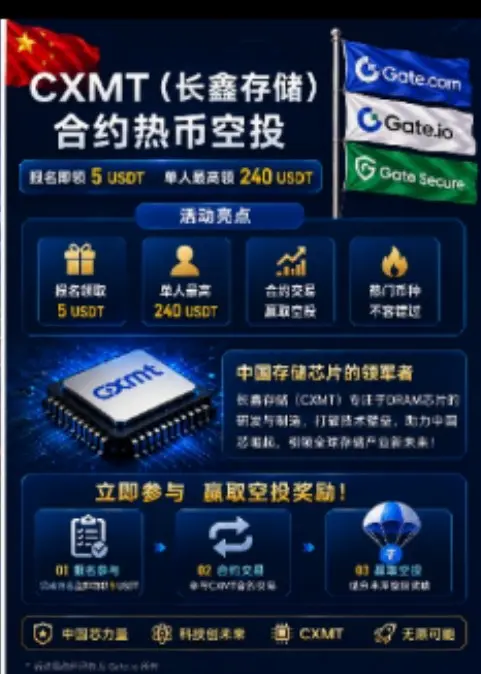
#CXMTDebutsWith90.1BTradingVolume
The spotlight is now on CXMT.
━━━━━━━━━━━━━━━━━━━━━━━━━━━━━━━━━━━━━━━━━━━━━━━━━━━━━━━━━━━━━━━━━━━━━━
Trading activity continues to grow as more market participants focus on one of the hottest trending assets.
━━━━━━━━━━━━━━━━━━━━━━━━━━━━━━━━━━━━━━━━━━━━━━━━━━━━━━━━━━━━━━━━━━━━━━
Gate has introduced a special CXMT contract campaign for active traders.
━━━━━━━━━━━━━━━━━━━━━━━━━━━━━━━━━━━━━━━━━━━━━━━━━━━━━━━━━━━━━━━━━━━━━━
The campaign gives both new and existing users an opportunity to earn rewards while trading CXMT contracts.
━━━━━━━━━━━━━━━━━━━━━━━━━━━━━━━━━━━━━━━━━━━━━━━━━━━━━━━━━━━━━━━━━━━━━━
Reward Highlights
━━━━━━━━━━━━━━━━━━━━━━━━━━━━━━━━━━━━━━━━━━━━━━━━━━━━━━━━━━━━━━━━━━━━━━
• First CXMT contract trade: 5 USDT
━━━━━━━━━━━━━━━━━━━━━━━━━━━━━━━━━━━━━━━━━━━━━━━━━━━━━━━━━━━━━━━━━━━━━━
• Daily trading check-ins: Earn rewards worth up to 35 USDT
━━━━━━━━━━━━━━━━━━━━━━━━━━━━━━━━━━━━━━━━━━━━━━━━━━━━━━━━━━━━━━━━━━━━━━
• Share a 50,000 USDT prize pool with rewards of up to 200 USDT per participant.
━━━━━━━━━━━━━━━━━━━━━━━━━━━━━━━━━━━━━━━━━━━━━━━━━━━━━━━━━━━━━━━━━━━━━━
Trade with discipline, not emotion.
━━━━━━━━━━━━━━━━━━━━━━━━━━━━━━━━━━━━━━━━━━━━━━━━━━━━━━━━━━━━━━━━━━━━━━
Volatile markets create opportunities, but proper risk management and a clear strategy remain the keys to long-term success.
━━━━━━━━━━━━━━━━━━━━━━━━━━━━━━━━━━━━━━━━━━━━━━━━━━━━━━━━━━━━━━━━━━━━━━
Stay active, follow the trend, and make every trade count.
━━━━━━━━━━━━━━━━━━━━━━━━━━━━━━━━━━━━━━━━━━━━━━━━━━━━━━━━━━━━━━━━━━━━━━
#CXMTDebutsWith90.1BTradingVolume #SummerCreationCamp
@Gate_Square
@GateSquare
@Gate Launch
@Gate 广场
repost-content-media
  • Reward
  • Comment
  • Repost
  • Share
market update
950 views
2026-07-28 12:30
  • Reward
  • Comment
  • Repost
  • Share
Today market watching
925 views
2026-07-28 07:21
  • Reward
  • Comment
  • Repost
  • Share
Market news
610 views
2026-07-27 08:11
  • Reward
  • Comment
  • Repost
  • Share
  • Pinned