Square
Following
Hot
News
Profile

Cryptoaymiiii

vip
Peak Tier 0
Active for: 0.3y
No content yet
18
Following
513
Followers
1.1k
Liked
Crypto Market Updates
live-cover
LIVE44
Trade & Hold Daily, Unlock the $60,000 TSLAG Prize Pool https://www.gate.com/campaigns/6626?ch=8644&ref_type=132
CryptoChampion
Trade & Hold Daily, Unlock the $60,000 TSLAG Prize Pool https://www.gate.com/campaigns/6626?ch=8644&ref_type=132
repost-content-media
TSLAG+1.28%
#ShareWeekly #SKHynix #WCTCS9
South Korea's Semiconductor Rally Faces a Reality Check: Is the AI Stock Recovery Strong Enough to Last?
South Korea's semiconductor market is once again attracting global investor attention. SK Hynix and Samsung Electronics remain at the center of the AI investment story, while movements in the KOSPI are reflecting changing expectations about the future of the global technology sector.
The latest rebound initially created optimism that semiconductor stocks might finally be recovering from their recent correction. SK Hynix climbed around 4.8%, while the KOSPI ope
CryptoChampion
#ShareWeekly #SKHynix #WCTCS9
South Korea's Semiconductor Rally Faces a Reality Check: Is the AI Stock Recovery Strong Enough to Last?
South Korea's semiconductor market is once again attracting global investor attention. SK Hynix and Samsung Electronics remain at the center of the AI investment story, while movements in the KOSPI are reflecting changing expectations about the future of the global technology sector.
The latest rebound initially created optimism that semiconductor stocks might finally be recovering from their recent correction. SK Hynix climbed around 4.8%, while the KOSPI opened approximately 2.43% higher. These movements demonstrated how quickly investors can return to technology stocks when market sentiment improves.
However, I believe the bigger question is not how much semiconductor stocks can rise in one session, but whether the fundamentals are strong enough to support another sustainable rally.
1. SK Hynix: A Major Beneficiary of the AI Revolution
SK Hynix has become one of the most important companies in the global AI hardware supply chain. Its high-bandwidth memory (HBM) products are essential for advanced AI accelerators and data center infrastructure.
As AI models become more sophisticated, demand for high-performance memory continues to increase. This creates an important growth opportunity for SK Hynix, particularly as major technology companies expand their AI infrastructure.
However, investors should also monitor production capacity, competition and memory pricing because strong demand does not guarantee uninterrupted stock market growth.
2. Samsung Electronics: Another Important Player
Samsung Electronics is also working to strengthen its position in advanced memory and semiconductor manufacturing.
Its ability to compete in the HBM market, improve manufacturing efficiency and capture more AI-related demand could influence the broader Korean technology sector.
For me, Samsung's progress is particularly important because stronger competition among memory manufacturers could benefit the semiconductor industry while also creating pricing pressure.
3. Why Is the KOSPI So Sensitive to AI Stocks?
South Korea has significant exposure to the semiconductor industry. Consequently, movements in major technology companies can have an outsized impact on the country's stock market.
When semiconductor shares attract institutional buying, the KOSPI can benefit from improved investor confidence. On the other hand, concerns about AI valuations, international trade restrictions or weaker technology spending can quickly reverse that momentum.
This is why investors should examine the broader market rather than focusing on a single company's daily performance.
4. Three Risks Investors Should Not Ignore
First, AI valuation risk remains important. If companies fail to deliver earnings growth that matches market expectations, expensive technology stocks could experience additional corrections.
Second, geopolitical uncertainty and possible export restrictions could affect semiconductor supply chains and international business opportunities.
Third, excessive expectations surrounding AI infrastructure spending could create volatility if major technology companies slow their investment plans.
5. My Market Strategy
My approach is cautiously optimistic, but I am not treating a short-term rebound as confirmation of a new bull market.
I would monitor earnings announcements, HBM demand, institutional buying activity and important technical support levels before considering a stronger bullish outlook.
I also prefer waiting for confirmation rather than chasing sudden price increases. Protecting capital and maintaining disciplined risk management are essential during volatile market conditions.
Final Thoughts
South Korea's semiconductor industry remains strategically important to the global AI economy. SK Hynix and Samsung Electronics could benefit significantly from the next phase of AI infrastructure expansion.
Nevertheless, the road ahead may not be smooth. A sustainable recovery requires strong earnings, continued demand and stable investor confidence.
In my opinion, the AI opportunity is still alive, but the market must prove that its recovery is supported by fundamentals rather than temporary excitement.
Do you believe SK Hynix and Samsung Electronics can lead the next major AI stock rally, or is another correction still possible?
Not financial advice. Always do your own research.
#KOSPI @Gate_Square #GateSquareTradingChallenge
repost-content-media
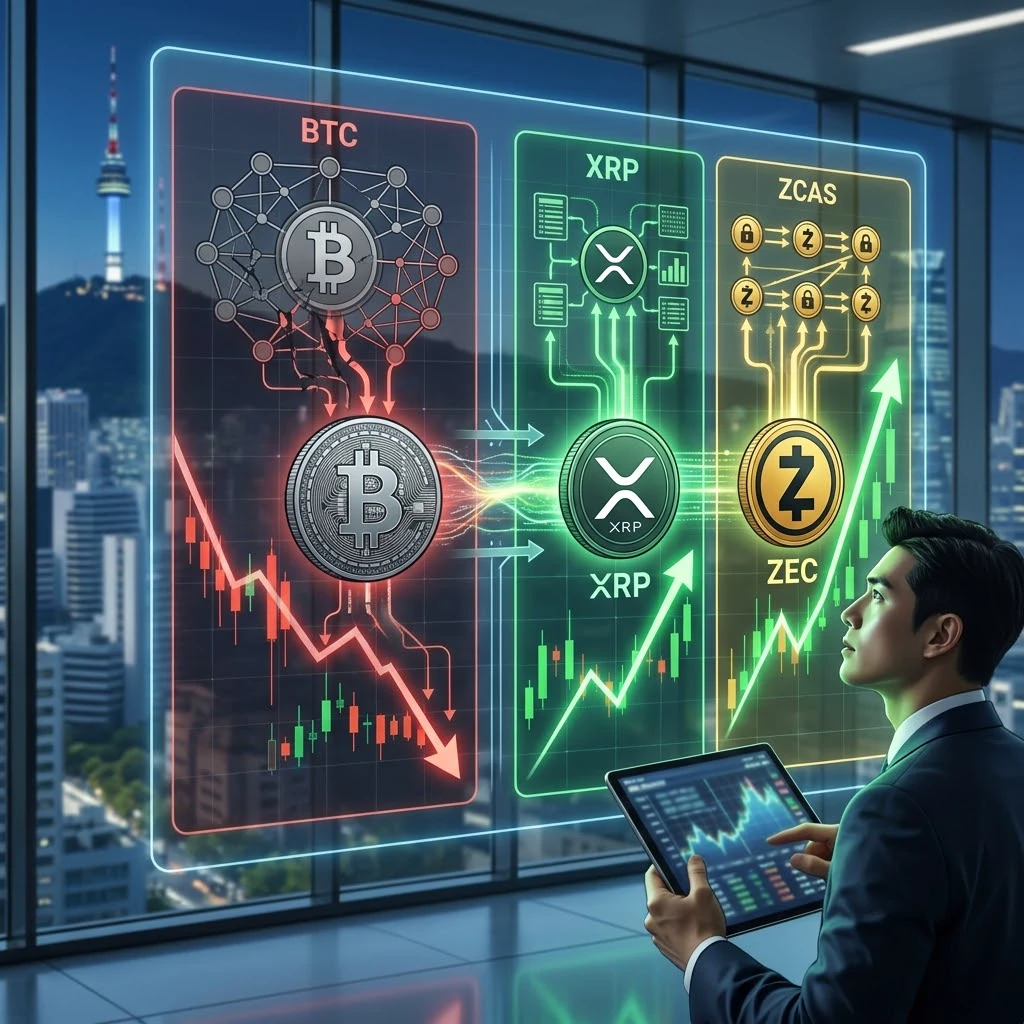
#ShareWeekly #BTC #WCTCS9
The cryptocurrency market is showing an interesting divergence. Bitcoin has been struggling with selling pressure and uncertainty, while selected altcoins, particularly XRP and Zcash (ZEC), are demonstrating relative strength. This difference in performance raises an important question: Are investors gradually shifting capital away from Bitcoin and exploring opportunities in selected altcoins?
In my view, this is an important market development, but I would not declare the beginning of a new altcoin season just yet. The current environment looks more like selective c
CryptoChampion
#ShareWeekly #BTC #WCTCS9
The cryptocurrency market is showing an interesting divergence. Bitcoin has been struggling with selling pressure and uncertainty, while selected altcoins, particularly XRP and Zcash (ZEC), are demonstrating relative strength. This difference in performance raises an important question: Are investors gradually shifting capital away from Bitcoin and exploring opportunities in selected altcoins?
In my view, this is an important market development, but I would not declare the beginning of a new altcoin season just yet. The current environment looks more like selective capital rotation, where traders are becoming increasingly interested in assets showing stronger momentum.
1. Bitcoin: Can Buyers Defend the Important Support Zone?
Bitcoin remains the most important indicator of overall crypto market sentiment. Recent selling pressure pushed BTC toward the $75,000–$76,000 region, raising concerns about whether the market could experience another correction.
However, Bitcoin recovered strongly on November 4, closing around $80,399 after trading between $75,712 and $80,905.
This recovery is encouraging, but one strong session does not automatically confirm a trend reversal.
From my perspective, $75,000 is an important support area to monitor. On the upside, reclaiming the $81,300–$82,000 region could improve the short-term structure and attract fresh buyers.
If Bitcoin fails to maintain its recovery, another retest of lower support levels cannot be ruled out.
2. XRP: Showing Relative Strength
XRP is attracting attention because it has demonstrated resilience during a period of broader market uncertainty.
On November 4, XRP traded around $1.30, gaining approximately 2.3% over 24 hours.
The important technical area is $1.24–$1.25, which could provide short-term support. On the upside, $1.34 is an immediate resistance area to watch.
If XRP successfully breaks above resistance with increasing trading volume, it could attract additional momentum traders.
However, I would prefer to see a confirmed breakout and a successful retest rather than chasing a sudden price increase.
3. Zcash (ZEC): One of the Strongest Performers
Zcash has become another interesting asset to monitor.
ZEC gained approximately 6% on November 4, trading near $1,295 and outperforming several major cryptocurrencies.
Its recent performance suggests that traders are paying attention to assets with independent momentum and specific market narratives.
Technically, the $1,150–$1,180 region is an important support zone. On the upside, $1,300–$1,350 represents a significant resistance area.
A sustained daily close above $1,350, supported by strong volume, could open the possibility of further upside toward $1,450 and $1,550.
Among XRP and ZEC, I currently find ZEC particularly interesting from a momentum perspective, although its recent rally also increases the risk of short-term profit-taking.
4. Is Capital Actually Rotating Into Altcoins?
This is the most important question.
When Bitcoin consolidates or struggles to establish a clear direction, traders sometimes move toward selected altcoins in search of stronger returns.
However, rising altcoin prices alone do not prove that institutional or large-scale capital is leaving Bitcoin.
To confirm a genuine rotation, I would monitor:
- Bitcoin dominance and whether it starts declining consistently.
- XRP and ZEC trading volume during price increases.
- Altcoin market capitalization and broader market participation.
- Spot ETF flows and institutional demand.
- Stablecoin supply and available market liquidity.
- Open interest, funding rates, and potential short liquidations.
The recent $399 million in Bitcoin spot ETF outflows reported for November 2 also highlights why liquidity and institutional demand deserve attention.
5. Which Token Could Break Out First?
My current watchlist includes three assets:
BTC: A sustained recovery above $81,300–$82,000 would strengthen the broader market outlook.
XRP: A confirmed breakout above $1.34 could improve its short-term bullish structure.
ZEC: A strong daily close above $1,350 could provide the clearest momentum-based breakout signal among these three assets.
If I had to select one token to watch for a potential momentum breakout, ZEC would be my current choice. However, XRP also deserves close attention because of its relative strength.
My Final Market Outlook
I believe the cryptocurrency market is entering an important decision-making phase. Bitcoin's recovery, XRP's resilience, and ZEC's stronger momentum are creating different opportunities, but the overall market direction remains uncertain.
I am cautiously optimistic about selective altcoin opportunities, but I do not want to confuse a temporary rally with a confirmed bullish trend.
My strategy remains simple: identify important support and resistance levels, wait for volume confirmation, avoid FOMO, and never risk more than I can afford to lose.
What is your opinion? Is capital genuinely rotating from Bitcoin into altcoins, or are XRP and ZEC simply experiencing temporary rallies? Which token do you think will deliver the next major breakout: BTC, XRP, or ZEC?
Not financial advice. Always do your own research.
#weeklyshare @Gate_Square #GateSquareTradingChallenge
repost-content-media
BTC-0.67%
XRP-1.15%
ZEC+1.16%
#ShareWeekly #AMD #WCTCS9
AMD Makes a Bold Prediction! Can It Take Market Share From Nvidia?
AMD is making a bold statement about the future of artificial intelligence. The company believes that AI data center revenue could eventually surpass its traditional server CPU revenue, while targeting approximately 80% revenue growth in 2027. This is an important signal that AMD is no longer positioning itself simply as a competitor in the traditional processor market. It wants to become one of the major players powering the next generation of AI infrastructure.
In my view, this announcement deserves
CryptoChampion
#ShareWeekly #AMD #WCTCS9
AMD Makes a Bold Prediction! Can It Take Market Share From Nvidia?
AMD is making a bold statement about the future of artificial intelligence. The company believes that AI data center revenue could eventually surpass its traditional server CPU revenue, while targeting approximately 80% revenue growth in 2027. This is an important signal that AMD is no longer positioning itself simply as a competitor in the traditional processor market. It wants to become one of the major players powering the next generation of AI infrastructure.
In my view, this announcement deserves serious attention because the AI industry is entering a new phase. The competition is no longer only about developing faster chips. It is about building complete computing ecosystems that can support increasingly powerful AI models, cloud services, and enterprise workloads.
1. AMD's Latest Financial Performance Sends a Strong Signal
AMD's latest third-quarter 2026 results provide a strong foundation for this ambitious outlook.
Here are the key numbers:
- Total revenue: $13.38 billion, up 45% year over year.
- Data Center revenue: $8.55 billion, up 97% year over year.
- Adjusted earnings per share: $2.09, compared with analyst expectations of $1.95.
- Fourth-quarter revenue guidance: Approximately $17 billion, above market expectations.
The Data Center business is becoming increasingly important to AMD. It contributed approximately 64% of total company revenue in Q3, compared with 47% a year earlier.
This is not just a temporary improvement. It reflects growing demand for high-performance computing, AI accelerators, and server processors.
2. Why AI Revenue Could Surpass Server CPU Revenue
One of the most interesting developments is AMD's expectation that Data Center AI revenue will surpass traditional server CPU revenue for the first time in Q4 2026.
This represents a major transformation in the company's business model.
Historically, AMD built much of its data center reputation around EPYC server processors. These CPUs power cloud infrastructure, enterprise applications, and large computing environments.
However, AI workloads are creating another massive opportunity: specialized GPUs and accelerators capable of training and running advanced AI models.
AMD's Instinct accelerator portfolio is designed to compete in this growing market. Its Helios rack-scale systems also aim to provide customers with a complete AI computing platform rather than just individual chips.
In my opinion, this transition could become one of AMD's most important long-term growth drivers.
3. Is AMD Really Coming for Nvidia?
The biggest question is whether AMD can take meaningful market share from Nvidia.
Nvidia currently enjoys a powerful competitive position because of its GPU performance, CUDA software ecosystem, developer adoption, and established relationships with major cloud providers.
AMD understands that competing against Nvidia requires more than producing powerful hardware.
It needs competitive performance, reliable supply, software compatibility, strong customer support, and an ecosystem that developers can actually use.
AMD's MI450 series, upcoming MI500 roadmap, and Helios infrastructure demonstrate that the company is investing in this broader strategy.
Initial Helios systems are already being tested with major customers, including Meta. This is an encouraging development, although wider adoption and commercial execution remain important challenges.
4. What Could Drive 80% Revenue Growth in 2027?
CEO Lisa Su expects AMD's overall revenue to grow by more than 80% in 2027.
The company's data center business is expected to contribute more than 80% of total revenue, while server CPU revenue is projected to double year over year.
Three factors could support this growth:
1. AI infrastructure expansion: Major technology companies continue investing in computing capacity to support increasingly demanding AI applications.
2. Growing CPU demand: AI agents and cloud infrastructure require powerful processors alongside GPUs, creating opportunities for AMD's EPYC portfolio.
3. New AI accelerator deployments: The expansion of Instinct products and Helios systems could help AMD attract customers looking for alternatives to Nvidia.
However, supply availability, high-bandwidth memory shortages, and execution risks could affect how quickly AMD achieves these targets.
5. My Market Outlook: Opportunity With Some Risks
I believe AMD is becoming one of the most important competitors in the AI semiconductor industry.
Its latest results demonstrate that demand is real, and its 2027 outlook suggests management sees even greater opportunities ahead.
However, I would not assume that AMD will replace Nvidia overnight. Nvidia's software advantage and established market position remain significant competitive barriers.
For investors, the important things to monitor are quarterly Data Center revenue, AI accelerator shipments, customer adoption, profit margins, and progress toward the 2027 growth target.
I also believe expectations matter. Even when a company delivers impressive results, its stock price can experience volatility if future growth does not meet already elevated market expectations.
My conclusion: AMD does not need to defeat Nvidia completely to become a major winner in the AI revolution. Even capturing a larger share of the expanding AI infrastructure market could create substantial opportunities for the company.
The real competition is just getting started.
What do you think? Can AMD become a serious challenger to Nvidia in AI data centers by 2027, or will Nvidia maintain its dominant position?
#Nvidia @Gate_Square #GateSquareTradingChallenge
repost-content-media
AMD+0.88%
NVDA-3.03%
🏆 Share your trading ideas and earn an extra 1 GT reward today
WCTC S9 topic of the day: After a stop-loss, re-enter or take a break?
Just got stopped out and the market turned around; you want to re-enter, but worry you're rushing to make back your losses. What would you do in this situation?👀
👉 Sign up first, then tag #WCTCS9 in your post to participate
https://www.gate.com/campaigns/6559
💡 Share your experience and reasoning:
• What signals would make you re-enter?
• How do you distinguish a trading opportunity from an emotional impulse?
• Under what circumstances would you pause tradi
CryptoChampion
🏆 Share your trading ideas and earn an extra 1 GT reward today
WCTC S9 topic of the day: After a stop-loss, re-enter or take a break?
Just got stopped out and the market turned around; you want to re-enter, but worry you're rushing to make back your losses. What would you do in this situation?👀
👉 Sign up first, then tag #WCTCS9 in your post to participate
https://www.gate.com/campaigns/6559
💡 Share your experience and reasoning:
• What signals would make you re-enter?
• How do you distinguish a trading opportunity from an emotional impulse?
• Under what circumstances would you pause trading?
🎁 Today's creator rewards
• 3 quality creators selected daily, each receiving a 100 USDT position trial voucher
• 1 additional quality post selected today, with its author receiving 1 GT
• Accumulate valid participation for a chance to enter additional weekly prize draws
Share your perspective and explain your reasoning, so your trading experience can be a reference for everyone.
📝 Post now
https://www.gate.com/post
repost-content-media
GT-2.41%
Focus on storage stock volatility. Complete the tasks for a 100% win rate https://www.gate.com/campaigns/6849?ref=VLARBF1YAG&ref_type=132
CryptoChampion
Focus on storage stock volatility. Complete the tasks for a 100% win rate https://www.gate.com/campaigns/6849?ref=VLARBF1YAG&ref_type=132
repost-content-media
ON-1.89%
#SECClarifiesCryptoTokenClassification #ShareWeekly
SEC’s New Crypto Classification Framework: A Turning Point for Digital Assets and the Future of Regulation
The cryptocurrency industry has spent years operating between innovation and regulatory uncertainty. Projects, exchanges, developers, and investors have often struggled to understand when a digital asset falls under securities regulations and when it should be treated as a commodity or another type of digital asset. The SEC’s March 17, 2026, interpretive release represents an important attempt to bring greater clarity to this situation.
CryptoChampion
#SECClarifiesCryptoTokenClassification #ShareWeekly
SEC’s New Crypto Classification Framework: A Turning Point for Digital Assets and the Future of Regulation
The cryptocurrency industry has spent years operating between innovation and regulatory uncertainty. Projects, exchanges, developers, and investors have often struggled to understand when a digital asset falls under securities regulations and when it should be treated as a commodity or another type of digital asset. The SEC’s March 17, 2026, interpretive release represents an important attempt to bring greater clarity to this situation.
The 68-page interpretation, supported by the CFTC, explains how existing federal securities laws apply to different crypto assets and transactions. It follows the March 11 Joint Memorandum and interagency MOU, which established a stronger coordination mechanism between both regulators. However, this is an interpretation of existing law, not new legislation, meaning future regulatory developments could still change the landscape.
One of the most important developments is the introduction of five categories of digital assets: digital commodities, digital collectibles, digital tools, stablecoins, and digital securities. This classification provides a more structured approach to determining which regulatory framework applies to different assets.
Bitcoin and Ether receive particularly important recognition as non-security digital commodities. Their established networks, decentralization, and reduced dependence on identifiable managerial efforts provide a stronger foundation for this classification. For the wider industry, this could improve institutional confidence and make regulatory expectations easier to understand.
Another important development is the recognition that a token's legal status can evolve. An asset initially distributed through an investment contract may eventually fall outside that relationship when contractual promises are fulfilled or the network becomes sufficiently decentralized. This introduces a more flexible approach instead of treating a token's original distribution as its permanent legal identity.
The fourth major point is that most crypto assets are not automatically securities. Classification depends on the individual asset, its distribution method, the expectations created among purchasers, and the managerial role of the project team. Centralized control and promises of financial returns can still create securities-law exposure.
The fifth point concerns regulatory responsibility. The CFTC's role in digital commodity markets becomes clearer, particularly regarding spot transactions, while the SEC retains authority over digital securities. Stablecoins, digital tools, and collectibles also receive separate treatment based on their characteristics and functions.
The sixth development is the proposed Regulation Crypto Assets initiative associated with SEC Chairman Paul Atkins. Building on Hester Peirce's safe-harbor concept, the proposal could introduce a startup exemption and a fundraising exemption for certain investment-contract offerings. However, these remain proposals until formal rules are published and adopted.
Seventh, potential federal preemption could reduce overlapping state securities registration requirements. This may lower compliance expenses for companies operating across multiple states. Nevertheless, businesses must continue respecting disclosure requirements, market-integrity standards, intermediary obligations, and applicable enforcement rules.
The eighth point is practical preparation. Crypto projects should review token structures, governance, decentralization, promotional language, and investor disclosures. Exchanges and brokers should identify their responsibilities under both regulatory frameworks, while investors should avoid assuming that a classification guarantees permanent protection.
Market Overview: November 3, 2026
Bitcoin traded around $77,860.1, up 1.30% over 24 hours. Ethereum stood at $2,290.15, up 1.60%, while Solana traded near $93.35, up 1.74%. Total market capitalization was approximately $1.544 trillion, with daily trading volume around $274.46 billion. Bitcoin dominance reached 59.97%, while Ethereum dominance stood at 10.67%.
The Fear and Greed Index was 33, indicating Fear, and the Altcoin Season Index registered 46. These figures suggest cautious sentiment, with Bitcoin continuing to maintain a significant share of the market.
My Personal Market Perspective
I believe this regulatory development is more important for the industry's long-term structure than its immediate price performance. Bitcoin and Ethereum could benefit most from clearer classification, while genuinely decentralized layer-1 ecosystems may attract greater institutional attention.
However, smaller projects should not assume that regulatory clarity automatically makes their tokens compliant. Real utility, transparent governance, decentralization, and responsible communication will become increasingly important competitive advantages.
I also believe investors should monitor the proposed safe-harbor rules, the CFTC's evolving responsibilities, exchange listing policies, and possible congressional action. Regulatory interpretations can change, and no classification should be considered an unconditional guarantee.
My conclusion is simple: the crypto industry needs more than favorable regulations; it needs trustworthy projects, transparent operations, and sustainable development. The new SEC framework could provide a stronger foundation, but its real success will depend on implementation. In the coming years, I expect projects with genuine fundamentals and responsible governance to stand out from those relying mainly on hype and speculation.
Not financial advice. Always do your own research.
#weeklyshare #内容挖矿 @Gate_Square #GateSquareTradingChallenge
repost-content-media
BTC-0.67%
ETH-1.26%
SOL-0.77%
Register to Claim, 39,000 USDT in Instant Rewards https://www.gate.com/campaigns/6792?ref=VLARBF1YAG&ref_type=132
CryptoChampion
Register to Claim, 39,000 USDT in Instant Rewards https://www.gate.com/campaigns/6792?ref=VLARBF1YAG&ref_type=132
repost-content-media
#MercadoBitcoinHitBy46MHack #ShareWeekly
Beyond the $46 Million Hack: What Really Determines the Strength of a Cryptocurrency Exchange?
The reported $46 million security incident involving Mercado Bitcoin is another reminder that cybersecurity is not simply a technical requirement for cryptocurrency exchanges; it is the foundation of financial credibility. As digital asset platforms continue to expand, the responsibility to protect customer funds becomes increasingly important. A successful exchange must be prepared not only to prevent attacks but also to manage their consequences when securi
CryptoChampion
#MercadoBitcoinHitBy46MHack #ShareWeekly
Beyond the $46 Million Hack: What Really Determines the Strength of a Cryptocurrency Exchange?
The reported $46 million security incident involving Mercado Bitcoin is another reminder that cybersecurity is not simply a technical requirement for cryptocurrency exchanges; it is the foundation of financial credibility. As digital asset platforms continue to expand, the responsibility to protect customer funds becomes increasingly important. A successful exchange must be prepared not only to prevent attacks but also to manage their consequences when security defenses are challenged.
In my view, the real strength of an exchange is not measured by how many users it attracts or how much trading volume it generates. It is measured by how effectively it protects assets, responds to unexpected incidents, and maintains transparency when users need reassurance the most.
1. Security Must Be Built Into Every Operational Layer
Preventing unauthorized access should always be the first priority. Exchanges need multiple independent security barriers rather than depending on a single protection mechanism.
These include:
- Multi-signature wallet authorization for sensitive transactions.
- Real-time transaction monitoring and suspicious activity detection.
- API permission restrictions and withdrawal limits.
- Behavioral analysis to identify unusual account activity.
- Automated emergency controls to suspend suspicious transfers.
- Regular penetration testing and independent security assessments.
The objective is to identify abnormal behavior before it becomes a major financial incident.
2. Cold Storage and Asset Segregation Reduce Systemic Risk
One of the most important lessons from hot-wallet incidents is the need to limit the amount of cryptocurrency exposed to online systems.
Keeping the majority of customer assets in geographically and operationally protected cold storage can significantly reduce potential losses. Hot wallets should only contain the liquidity required for normal withdrawals and operational activities.
Equally important is strict separation between customer funds and corporate operating capital. This structure helps prevent a localized security breach from becoming a wider solvency crisis.
However, cold storage alone is not enough. Access controls, recovery procedures, independent verification, and regular audits must work together.
3. Recovery Requires More Than Tracking Stolen Funds
After an attack, exchanges should immediately coordinate with blockchain forensic companies, law enforcement agencies, cybersecurity specialists, and stablecoin issuers.
Blockchain monitoring can help trace suspicious transactions across networks. Where supported by the relevant issuer and legal process, stolen stablecoins may also be frozen.
Exchanges can introduce responsible recovery incentives through white-hat negotiations and clearly defined bounty programs.
But recovery efforts should never replace financial responsibility toward customers. If user funds are affected, the exchange must explain exactly how compensation will work, including the source of funding and expected timeline.
4. Transparency Is More Valuable Than Reassuring Statements
During a security crisis, communication can be just as important as technical recovery.
Users deserve:
- A clear timeline of the incident.
- An explanation of the affected systems.
- Confirmation of whether customer balances were impacted.
- Regular updates about investigations and recovery.
- Independent verification of financial reserves and liabilities.
Proof of Reserves can improve transparency, especially when supported by independent audits and appropriate liability verification. However, a reserve snapshot alone does not prove complete financial solvency.
5. Restoring Withdrawals Must Be Carefully Managed
Returning to normal operations should follow a structured recovery plan. Exchanges can gradually restore withdrawals, strengthen transaction monitoring, test wallet infrastructure, and communicate service availability through official status channels.
Customer access to funds should remain a central priority throughout this process.
My Final View
The Mercado Bitcoin incident highlights a broader challenge facing the entire cryptocurrency industry. Security, asset segregation, financial accountability, and transparent communication cannot operate independently. They must form one integrated protection system.
I believe users should evaluate exchanges not only during periods of market growth but also during difficult moments when unexpected security challenges arise.
Ultimately, trust is built through preparation, demonstrated financial responsibility, independent verification, and consistent action. An exchange may survive a cyberattack, but its long-term reputation depends on how responsibly it protects its customers afterward.
Not financial advice. Always do your own research.
#weeklyshare #内容挖矿 @Gate_Square #GateSquareTradingChallenge

repost-content-media
BTC-0.67%
#每周来晒 #苹果Q3财报聚焦
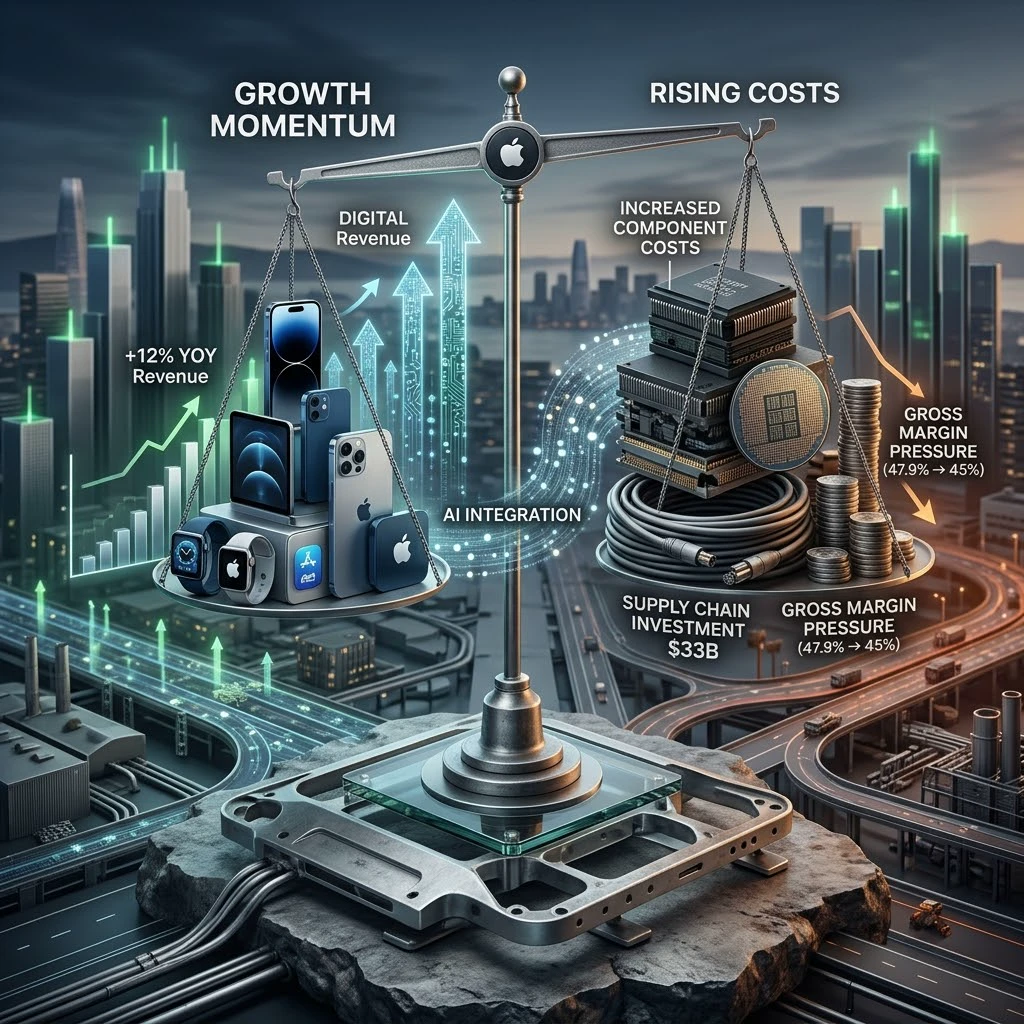
AAPL: Can Apple Maintain Its Growth Momentum Despite Rising Costs?
Strong revenue, impressive earnings, and a powerful global ecosystem — but is Apple's next challenge protecting profitability?
Apple remains one of the most influential companies in the global technology industry. Its latest financial performance demonstrates that consumer demand remains resilient, but the company's future growth will depend on more than simply selling additional devices. Investors are now paying closer attention to operating costs, gross margins, artificial intelligence, and the sustainability
CryptoChampion
#每周来晒 #苹果Q3财报聚焦
AAPL: Can Apple Maintain Its Growth Momentum Despite Rising Costs?
Strong revenue, impressive earnings, and a powerful global ecosystem — but is Apple's next challenge protecting profitability?
Apple remains one of the most influential companies in the global technology industry. Its latest financial performance demonstrates that consumer demand remains resilient, but the company's future growth will depend on more than simply selling additional devices. Investors are now paying closer attention to operating costs, gross margins, artificial intelligence, and the sustainability of its business model.
1. Strong Quarterly Performance Reflects Business Resilience
Apple reported quarterly revenue of approximately $114.48 billion, representing 12% year-over-year growth. Earnings per share reached $2.10, exceeding market expectations.
These numbers demonstrate the strength of Apple's product ecosystem and its ability to generate substantial revenue across different business segments.
In my opinion, maintaining double-digit revenue growth at this scale is a significant achievement. However, investors should also examine how much profit the company retains from every dollar of additional sales.
2. Rising Memory Costs Are Becoming a Major Concern
One of Apple's biggest challenges is the increasing cost of memory chips and other essential components.
Management indicated that gross profit margins could decline from 47.9% to approximately 45–46% in the December quarter.
This potential reduction matters because even when product sales increase, higher manufacturing expenses can limit overall profitability.
Apple has also committed approximately $33 billion to strengthening and protecting its supply chain. This investment could improve long-term supply stability, but it also highlights the financial pressure associated with securing essential components.
3. iPhone 17 Pricing Could Influence Future Margins
The iPhone remains central to Apple's financial performance.
Higher prices on selected iPhone 17 models and MacBooks could help compensate for rising component expenses. However, pricing decisions must be balanced carefully.
If Apple raises prices too aggressively, some consumers may delay upgrading their devices. On the other hand, maintaining competitive prices while production costs increase could put additional pressure on margins.
I believe Apple's ability to balance pricing, customer demand, and production expenses will be one of the most important factors in its upcoming financial performance.
4. Services Business Provides Another Growth Opportunity
Apple's services ecosystem is another important part of its long-term strategy.
Its established customer base creates opportunities across subscriptions, digital services, cloud offerings, and other recurring revenue streams.
Unlike hardware sales, recurring services can provide a different source of revenue and help diversify the company's financial performance.
In my view, continued services growth could become increasingly important if hardware margins experience temporary pressure.
5. Artificial Intelligence Could Shape Apple's Next Chapter
AI represents another major opportunity for Apple.
Investors want to understand how the company will transform artificial intelligence features into practical consumer benefits and eventually meaningful business growth.
The important question is not simply how many AI features Apple introduces, but whether those features encourage device upgrades, improve customer engagement, and strengthen its ecosystem.
6. Important Factors I Am Watching
For the coming weeks, I would focus on these indicators:
- Revenue growth and iPhone demand.
- Gross margin performance against the 45–46% outlook.
- Memory-chip prices and supply-chain expenses.
- Services revenue and recurring customer spending.
- AI development and its commercial contribution.
- Management's forward guidance and future investment plans.
My Personal Market Perspective
I remain interested in Apple's long-term business strength, but I believe investors should distinguish between a successful company and an attractive stock valuation.
Apple has a powerful brand, a loyal customer base, and a well-established ecosystem. Nevertheless, rising production costs and margin pressure deserve serious attention.
My approach would be to monitor upcoming financial results, evaluate support and resistance levels, and avoid making decisions based solely on short-term market excitement.
Final Thought: Apple's next challenge is not just selling more products. It is converting its enormous customer demand into sustainable revenue growth and stronger profitability.
This content is for informational purposes only and is not investment advice.
#ShareWeekly @Gate_Square #AppleQ3EarningsInFocus #GateSquareTradingChallenge
repost-content-media
AAPL+5.39%
#Gate多项排名全球Top2 #ShareWeekly
Gate’s Growing Global Position: Why Liquidity, Security, and Market Innovation Matter More Than Ever
The cryptocurrency industry is entering a more competitive phase. Exchanges are no longer judged simply by how many tokens they list or how many users register. Today's traders are looking at a much bigger picture: Can a platform handle significant trading activity, protect customer assets transparently, and provide access to opportunities across both digital and traditional financial markets?
In my opinion, these three areas will determine which exchanges remain
CryptoChampion
#Gate多项排名全球Top2 #ShareWeekly
Gate’s Growing Global Position: Why Liquidity, Security, and Market Innovation Matter More Than Ever
The cryptocurrency industry is entering a more competitive phase. Exchanges are no longer judged simply by how many tokens they list or how many users register. Today's traders are looking at a much bigger picture: Can a platform handle significant trading activity, protect customer assets transparently, and provide access to opportunities across both digital and traditional financial markets?
In my opinion, these three areas will determine which exchanges remain competitive over the long term. Looking at Gate's latest performance, I see a platform building its position through a combination of capital inflows, strong reserve coverage, and continuous product expansion.
1. Liquidity: The Strength Behind Market Confidence
Liquidity is one of the most important indicators of an exchange's actual market strength. A platform may offer hundreds of trading pairs, but without sufficient market depth, traders can experience slippage, wider spreads, and difficulty executing larger orders.
Gate has recently demonstrated impressive momentum, recording more than $199 million in net inflows over 30 days, placing it among the global top two. Its spot trading and prediction markets have also achieved global top-two positions.
To me, these rankings are important because capital movement and trading activity can contribute to stronger market participation. Consistent liquidity also helps attract professional traders and supports a healthier trading environment across different asset categories.
2. Proof of Reserves: Trust Must Be Supported by Numbers
Market performance means little if users cannot trust the platform holding their assets. This is why I consider security the most important long-term foundation of any cryptocurrency exchange.
Gate's reported reserve figures provide an important picture of its financial coverage:
- Total reserves: $8.688 billion
- User net assets: approximately $7.332 billion
- Overall reserve ratio: 118.49%
- Bitcoin reserve coverage: 121.60%
- Ethereum reserve coverage: 123.78%
- Proof-of-reserves coverage: approximately 500 assets
These figures indicate reserve coverage above 100%, meaning reported reserves exceed corresponding user net assets. I particularly appreciate the importance of multi-asset transparency rather than focusing exclusively on Bitcoin and Ethereum.
In my view, regular reserve reporting, verifiable information, and responsible asset management should remain essential standards for the entire industry.
3. Product Diversity: Building Beyond Traditional Crypto Trading
Another development I find particularly interesting is Gate's expansion beyond conventional cryptocurrency markets.
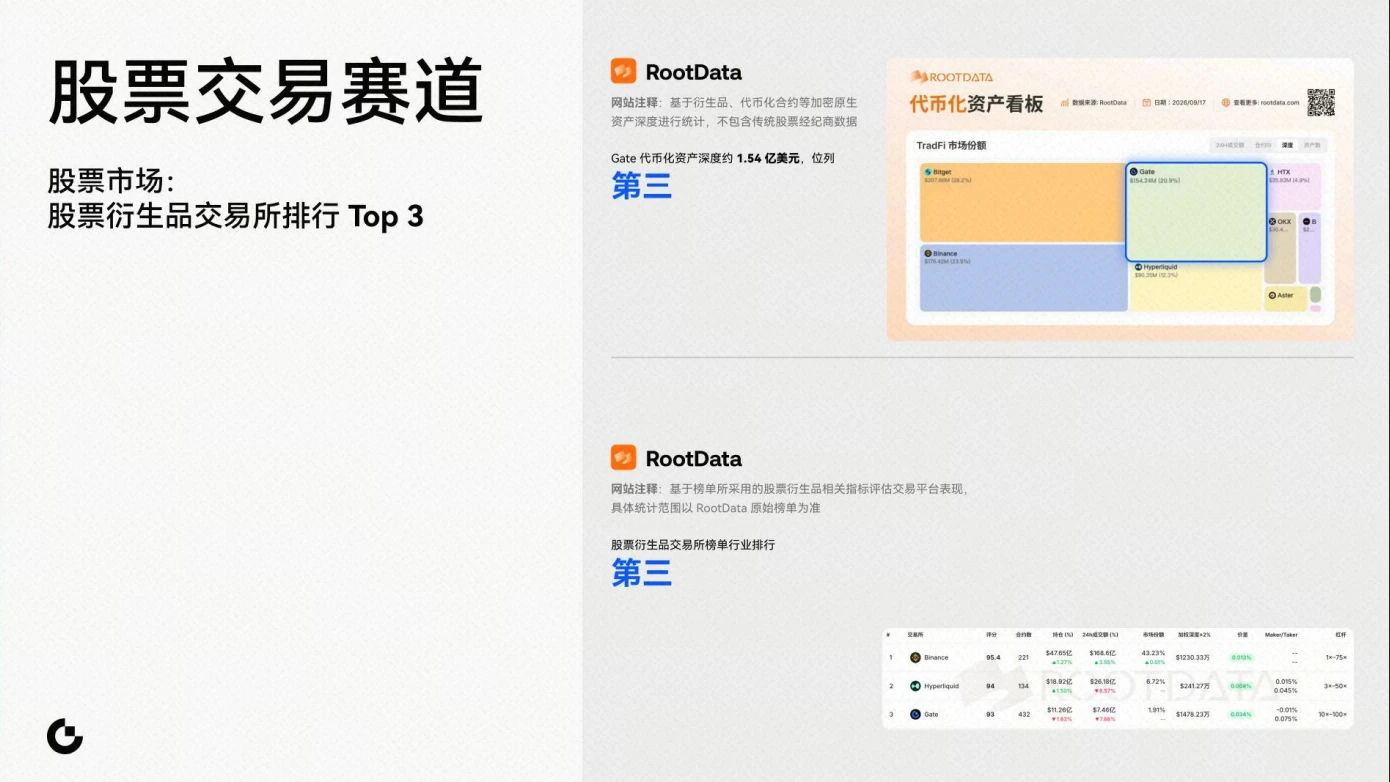
The platform has established a global top-three position in stock derivatives and offers more than 12,000 stock and ETF-related assets. Its wider ecosystem includes:
- Thousands of cryptocurrency assets and trading pairs.
- Spot, futures, options, and copy trading.
- Stock and ETF-related markets.
- Prediction markets and event-based opportunities.
- RWA perpetuals and tokenized asset exposure.
- Commodities, forex, and precious metals contracts.
- Earn products and Gate Money initiatives.
I believe this direction reflects changing user expectations. Traders increasingly want access to different markets without constantly transferring funds between multiple platforms. A broader financial ecosystem can improve convenience, flexibility, and capital efficiency.
4. My Outlook: What Will Separate Leading Exchanges?
If I had to prioritize these three competitive advantages, my order would be security first, liquidity second, and product diversity third. Security builds confidence, liquidity supports daily trading, and product diversity creates opportunities for long-term growth.
Gate's reported performance across these categories suggests that it is working toward a more comprehensive trading ecosystem. Its top-two rankings in net inflows, spot, and prediction markets, combined with its reserve coverage and expanding stock-related products, make its progress worth watching.
However, rankings alone should never be the final measure of success. Consistency, transparency, execution quality, and continued user protection will matter much more over time.
My Final Opinion
I believe the next generation of leading exchanges will be those capable of connecting strong financial infrastructure with a genuinely diverse market experience. Gate is making notable progress in that direction, and I will be watching how it maintains these standards as competition increases.
What matters most to you when choosing an exchange: asset security, trading liquidity, or access to multiple financial markets?
#ShareWeekly #GateRanksTop2AcrossMultipleCategories #内容挖矿 @Gate_Square
repost-content-media
BTC-0.67%
ETH-1.26%
RWA-0.39%
I've joined Gate #WCTCS9 . Join now, trade global assets, and share in 6,000,000 USDT with me! https://www.gate.com/competition/wctc-s9?ref_type=165&utm_cmp=tgv0wayw&ref=VLARBF1YAG
CryptoChampion
I've joined Gate #WCTCS9 . Join now, trade global assets, and share in 6,000,000 USDT with me! https://www.gate.com/competition/wctc-s9?ref_type=165&utm_cmp=tgv0wayw&ref=VLARBF1YAG
repost-content-media
#PalantirRevenueJumps96%ButStockFalls #ShareWeekly
Palantir's Extraordinary Growth vs. Wall Street's Expectations: Why Strong Earnings Failed to Lift $PLTR
Palantir Technologies has delivered a powerful message through its third-quarter 2026 financial results: demand for artificial intelligence is accelerating, enterprise adoption is expanding, and government spending remains a major growth engine. However, despite impressive financial performance, the stock moved lower. In my opinion, this is one of the most interesting lessons for investors watching the AI sector.
1. Revenue Growth Is Send
CryptoChampion
#PalantirRevenueJumps96%ButStockFalls #ShareWeekly
Palantir's Extraordinary Growth vs. Wall Street's Expectations: Why Strong Earnings Failed to Lift $PLTR
Palantir Technologies has delivered a powerful message through its third-quarter 2026 financial results: demand for artificial intelligence is accelerating, enterprise adoption is expanding, and government spending remains a major growth engine. However, despite impressive financial performance, the stock moved lower. In my opinion, this is one of the most interesting lessons for investors watching the AI sector.
1. Revenue Growth Is Sending a Strong Signal
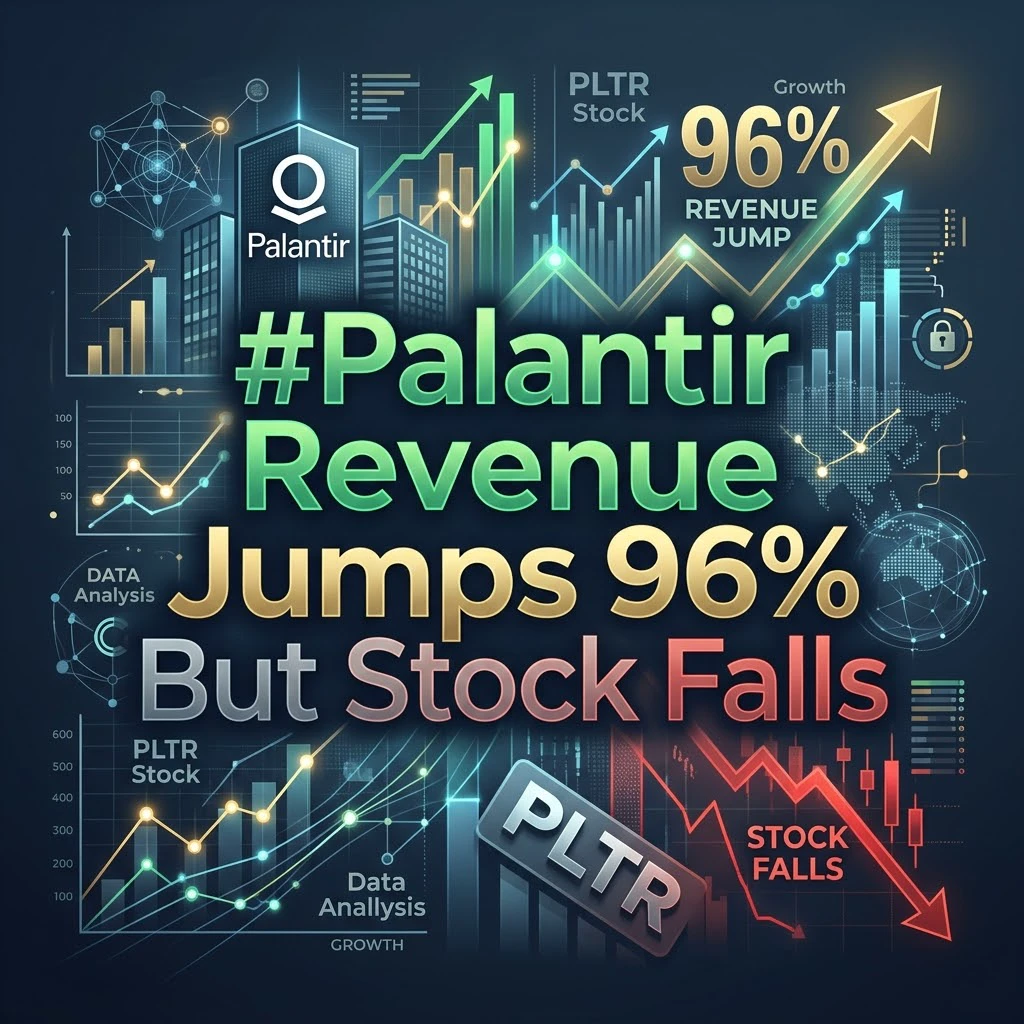
Palantir reported third-quarter revenue of $2.313 billion, representing 96% year-over-year growth. Nearly doubling revenue is an exceptional achievement, particularly for a company that is already operating at significant scale.
This performance suggests that Palantir is not simply benefiting from temporary excitement around artificial intelligence. Its business model is gaining commercial traction, with organizations increasingly integrating AI-powered solutions into their operations.
2. US Commercial Business Is Becoming a Major Growth Engine
One of the most impressive figures was US commercial revenue, which increased 148% year over year to $984 million.
This segment deserves particular attention because commercial adoption can create long-term opportunities through expanding contracts, recurring demand, and deeper customer relationships.
The ability to convert AI interest into actual business revenue is becoming an important competitive advantage. Palantir appears to be demonstrating that its technology can deliver practical value beyond experimental AI projects.
3. Government Contracts Continue to Provide Strength
US government revenue reached $953 million, increasing 96% year over year.
This demonstrates that government demand remains an important part of Palantir's business. Its platforms support complex operations where data integration, security, and decision-making capabilities are particularly important.
The combination of government and commercial expansion gives the company multiple sources of growth rather than relying on a single market.
4. Profitability Is Another Important Achievement
Palantir reported $1.128 billion in GAAP net income, alongside adjusted earnings per share of $0.44.
For investors, this is an important distinction. Many technology companies are still trying to balance aggressive expansion with sustainable profitability. Palantir's reported earnings demonstrate that substantial revenue growth and profitability can exist together.
Nevertheless, investors should continue monitoring operating margins, cash generation, and whether profitability remains sustainable as the business expands.
5. Higher Guidance Raises the Bar
Management increased its full-year 2026 revenue guidance to more than $8.53 billion. It also expects US commercial revenue to grow by at least 143% for the full year.
This forward guidance reinforces management's confidence in business momentum. However, higher guidance also creates higher expectations. Investors will now be watching whether future quarterly results can maintain this extraordinary pace.
6. Why Did the Stock Decline Despite Excellent Results?
In my view, valuation is the central issue.
Stock prices do not reflect only current earnings. They also represent expectations about future performance. When investors purchase an expensive AI stock, they are already paying for substantial future growth.
Consequently, even excellent financial results may disappoint if they are not strong enough to exceed expectations already reflected in the share price.
Palantir faces a particularly challenging situation because its valuation has benefited significantly from enthusiasm surrounding AI. Investors are increasingly asking whether its future earnings can justify the premium.
7. My Investment Perspective
I believe Palantir has demonstrated impressive business execution, but a strong company does not automatically mean its stock is attractive at every price.
I would focus on three important factors: commercial customer expansion, sustainable profitability, and future revenue guidance. I would also watch price action and trading volume before drawing conclusions from a short-term decline.
Chasing a falling stock simply because earnings look impressive can be risky. A more disciplined approach is to evaluate valuation, support levels, and confirmation of market sentiment.
My conclusion: Palantir's third-quarter performance highlights the enormous commercial potential of artificial intelligence. However, the market is now demanding more than impressive growth; it wants growth that can justify an exceptional valuation.
What is your opinion? Is $PLTR facing temporary market pressure because expectations are too high, or does its current valuation genuinely need a major correction?
#weeklyshare #内容挖矿 @Gate_Square #GateSquareTradingChallenge
repost-content-media
PLTR-2.13%
I'm trading on Gate, a top-tier exchange with a 13-year track record. Come join me and dive into the hottest events right now! https://www.gate.com/campaigns/6870?ref=VLARBF1YAG&ref_type=132
CryptoChampion
I'm trading on Gate, a top-tier exchange with a 13-year track record. Come join me and dive into the hottest events right now! https://www.gate.com/campaigns/6870?ref=VLARBF1YAG&ref_type=132
repost-content-media
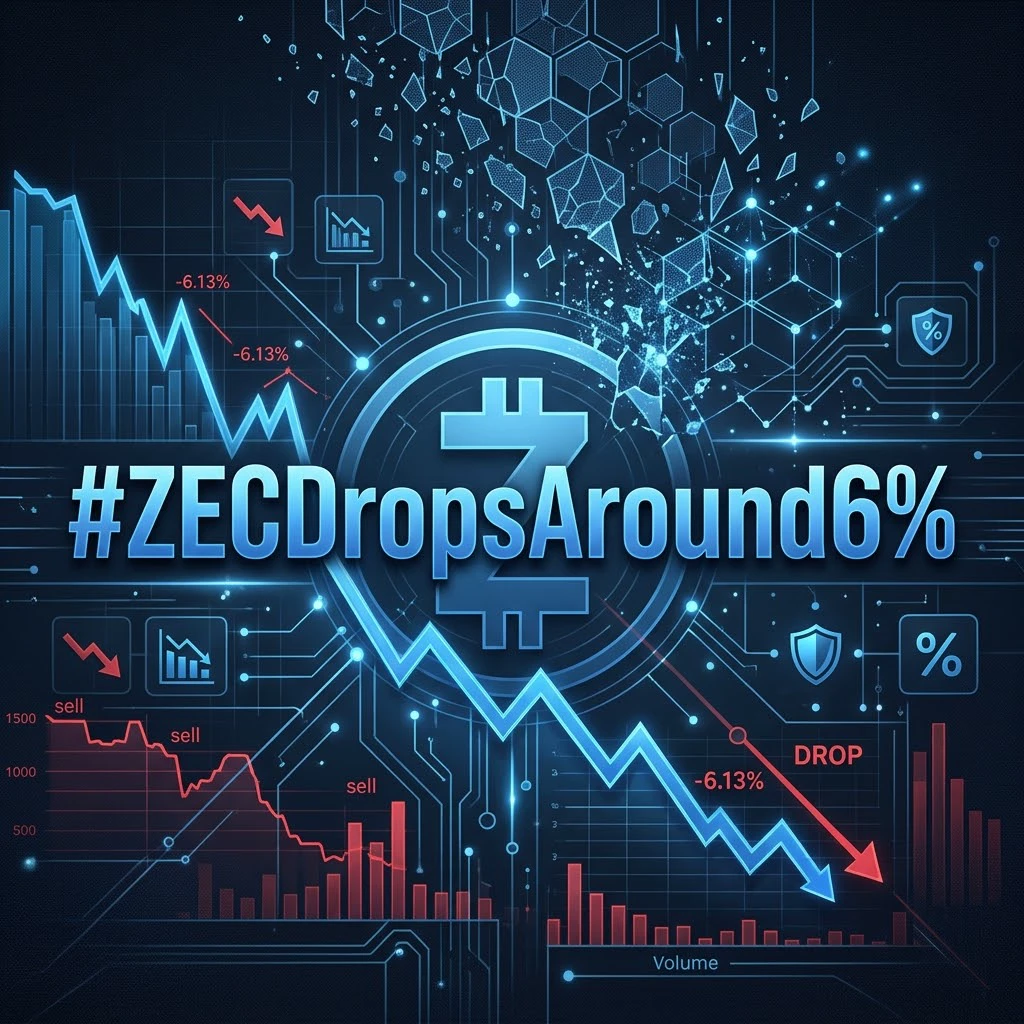
#ZECDropsAround6% #ShareWeekly
Zcash (ZEC): Recovery After Heavy Selling Pressure – What Comes Next?
Zcash (ZEC) has shown signs of recovery after experiencing a sharp correction. Following heavy selling pressure, the price dropped to approximately $1,120, marking its 24-hour low. However, ZEC has now recovered toward the $1,200 level, bringing renewed attention to its short-term market direction.
In my view, this recovery is worth watching, but it does not yet confirm a complete bullish reversal. The market needs to demonstrate whether buyers can maintain control above important resistance l
CryptoChampion
#ZECDropsAround6% #ShareWeekly
Zcash (ZEC): Recovery After Heavy Selling Pressure – What Comes Next?
Zcash (ZEC) has shown signs of recovery after experiencing a sharp correction. Following heavy selling pressure, the price dropped to approximately $1,120, marking its 24-hour low. However, ZEC has now recovered toward the $1,200 level, bringing renewed attention to its short-term market direction.
In my view, this recovery is worth watching, but it does not yet confirm a complete bullish reversal. The market needs to demonstrate whether buyers can maintain control above important resistance levels.
1. Liquidations and Recent Market Pressure
One of the major factors behind ZEC's recent decline was leveraged trading activity. Reports indicated that a large investor accumulated approximately 25,000 ZEC at an average price of $1,271 while also opening a leveraged long position of around 18,900 ZEC near $1,378.
When the price fell below $1,200, the futures position was liquidated, contributing to significant losses. This type of forced liquidation can increase selling pressure and accelerate short-term volatility.
The recovery toward $1,200 suggests that buyers are attempting to regain control, but confirmation is still necessary.
2. NU7 Network Upgrade and Expectations
Another important development is the anticipated NU7 network upgrade, scheduled around November 5 at block height 3,543,405.
The proposed reduction in block production time from approximately 75 seconds to 25 seconds could improve transaction efficiency and confirmation speed.
However, migration requirements involving the legacy Sprout pool and disagreements surrounding community grants remain important factors to monitor.
3. Growing Adoption and Payment Integrations
Zcash's integration with NEAR Intents has opened additional possibilities for connecting privacy-focused transactions with mainstream payment channels, including Cash App, PayPal, and Wise.
If adoption continues to expand, this could strengthen ZEC's long-term utility. Nevertheless, real-world adoption takes time, and its impact should not be confused with immediate price momentum.
4. On-Chain Activity Shows Growing Interest
Zcash network activity has also attracted attention, with weekly transactions reportedly increasing from approximately 28,000 to nearly 120,000.
Growing transaction activity and shielded-pool participation could indicate increasing interest in privacy-focused financial infrastructure. The important question is whether this growth remains sustainable beyond short-term speculation.
5. My ZEC Price Outlook: Important Levels to Watch
With ZEC currently trading around $1,200 after touching $1,120, these are the levels I would monitor:
- Immediate support: $1,150–$1,120.
- Major support: $1,080–$1,050.
- Immediate resistance: $1,220–$1,250.
- Next resistance: $1,270–$1,300.
- Stronger bullish confirmation: A sustained move above $1,300.
If ZEC maintains support and successfully breaks above $1,250, another recovery attempt toward $1,270–$1,300 could develop.
However, rejection around $1,220–$1,250 could bring renewed selling pressure. A break below $1,120 would weaken the recovery structure and increase downside risk.
My Personal View
I believe ZEC is at an important decision point. Its recovery from $1,120 toward $1,200 is encouraging, while the upcoming network upgrade and growing payment integrations provide additional reasons to monitor the project.
However, I would not consider one recovery move sufficient evidence of a new bullish trend. I prefer to wait for confirmation above resistance, observe trading volume, and monitor whether buyers can defend important support levels.
In the current environment, protecting capital is just as important as identifying opportunities. Avoiding FOMO and waiting for confirmation can help investors navigate this kind of volatility more carefully.
What do you think? Can ZEC reclaim $1,300, or will sellers push the price back toward $1,120?
This content is for informational purposes only and does not constitute investment advice.
#weeklyshare #内容挖矿 @Gate_Square #GateSquareTradingChallenge
repost-content-media
ZEC+1.16%
Register to Draw, Unlock WLFI, Winter Adventure Gear and High-Yield Plans https://www.gate.com/campaigns/6888?ch=9386&ref=VLARBF1YAG&ref_type=132&utm_cmp=9Hd19oBc
CryptoChampion
Register to Draw, Unlock WLFI, Winter Adventure Gear and High-Yield Plans https://www.gate.com/campaigns/6888?ch=9386&ref=VLARBF1YAG&ref_type=132&utm_cmp=9Hd19oBc
repost-content-media
WLFI-0.16%
☀️ GM. Mic's on. Your turn. 🎙️
Nasdaq rebounded, $AMD data center revenue jumped 97% YoY, while BTC remains near $77K. 👀
📌 Today's topic: What's your strongest market take?
💻 AI stocks: Can the rebound last?
₿ BTC: What key level matters next?
📊 Your strategy: What would you hold or change?
One take. One reason. Let's hear it.
🎁 Share your view on Gate Square. Post to claim a red packet, with bigger rewards dropping at random. Quality posts may also get featured.
👇 Take the mic:
https://www.gate.com/post
CryptoChampion
☀️ GM. Mic's on. Your turn. 🎙️
Nasdaq rebounded, $AMD data center revenue jumped 97% YoY, while BTC remains near $77K. 👀
📌 Today's topic: What's your strongest market take?
💻 AI stocks: Can the rebound last?
₿ BTC: What key level matters next?
📊 Your strategy: What would you hold or change?
One take. One reason. Let's hear it.
🎁 Share your view on Gate Square. Post to claim a red packet, with bigger rewards dropping at random. Quality posts may also get featured.
👇 Take the mic:
https://www.gate.com/post
repost-content-media
NDAQ+2.54%
AMD+0.88%
BTC-0.67%
📈 Taiwan Stocks Are Now Live on Gate — More Ways to Invest in the AI Supply Chain
Gate has launched trading for 19 TWSE-listed stocks, including TSMC, MediaTek, Hon Hai, and Quanta.
🔥 Key Highlights
▪️ Trade Taiwan stocks with your existing Gate stock account
▪️ Use USDT without manually converting to TWD
▪️ View prices, positions, and P&L in TWD
▪️ Trading hours: 01:00–05:25 UTC, with no midday break
💬 TSMC, MediaTek, or Hon Hai — which has the strongest long-term potential in the AI boom?
Share your watchlist, market views, or trading ideas on Gate Square with #GateTaiwanStocksTrading.
✨
CryptoChampion
📈 Taiwan Stocks Are Now Live on Gate — More Ways to Invest in the AI Supply Chain
Gate has launched trading for 19 TWSE-listed stocks, including TSMC, MediaTek, Hon Hai, and Quanta.
🔥 Key Highlights
▪️ Trade Taiwan stocks with your existing Gate stock account
▪️ Use USDT without manually converting to TWD
▪️ View prices, positions, and P&L in TWD
▪️ Trading hours: 01:00–05:25 UTC, with no midday break
💬 TSMC, MediaTek, or Hon Hai — which has the strongest long-term potential in the AI boom?
Share your watchlist, market views, or trading ideas on Gate Square with #GateTaiwanStocksTrading.
✨ Quality posts may receive featured placement and extra exposure.
👉 Trade Taiwan Stocks:
https://www.gate.com/stocks/2330
TSM-2.28%
Load More