




#广场预测世界杯赢40000U
Two consecutive World Cup championships, Cape Verde's qualification is secure?
Today, the TV schedule is again packed, and if Iran drew with Belgium, making everyone sigh at the cold wind blowing, then Cape Verde's draw with Uruguay once again made everyone shout in amazement! But if you watched the game, Cape Verde didn't "play safe" to get a win; instead, they engaged in an attacking battle with Uruguay. If you believe Uruguay was the one to draw with Cape Verde, most people wouldn't have much disagreement. After two rounds, although Cape Verde and Uruguay both have 2 points and are tied for second in the group, considering that in the final round Spain will face Uruguay head-on, and Spain's form is currently unstable, they will definitely give their all, so Uruguay's chances of winning are not high. If Spain wins, Uruguay's points stay at 2; if they draw, Uruguay will have 3 points. On Cape Verde's side, in the last match they face possibly the weakest team in the group, Saudi Arabia. If they win, they will have 5 points; if they draw, they will have 3 points. The difficulty for Cape Verde to earn points in the final round is clearly less than Uruguay's. Cape Verde has surprisingly become the most stable team besides Spain to qualify from Group H, making everyone re-evaluate this team:
1. Tactical System: Búbista’s Six Years of Refinement
Cape Verde’s head coach Búbista, a former national team defender, took over in 2020 and has spent six years developing a tactical DNA centered on "hard to beat." This is not a last-minute effort but a carefully planned long-term project.
🛡️ Against Spain: A textbook "Coffin Defense"
Facing Spain with 74% possession and 27 shots, Cape Verde set up a 5-defender + double defensive midfielder low block formation, with all players retreating and packed in front of the penalty area. The data speaks for itself:
46 clearances, 15 interceptions, 18 tackles, only 1 foul committed throughout the game.
Spain’s 801 passes were almost all in the midfield and backline, with only 3 direct passes into the penalty area, and their expected goals in the first half was a mere 0.07. Cape Verde used extreme discipline to turn the world champion’s possession and control into "ineffective internal competition." Spain’s forward Oyarzabal had 0 touches in the first 30 minutes, setting a World Cup record since 1966 for the most embarrassing debut—thanks to Cape Verde’s tactical execution.
More importantly, Búbista’s team runs over 108 kilometers per game. Every player compensates for talent gaps with tireless running, tearing apart opponents’ rhythm with relentless effort.
⚔️ Against Uruguay: Tactical Flexibility with Both Defense and Attack
If playing Spain was purely defensive, then facing Uruguay proved Cape Verde is not just parking the bus. In the 22nd minute, Kevin Pina scored a world-class long shot, his first goal in World Cup history! Falling behind, they didn't collapse; in the 61st minute, substitute Elio Varela capitalized on a goalkeeper’s mistake to calmly score, making it 2-2 and fighting back stubbornly.
After halftime, Búbista decisively adjusted tactics, with substitutions that were nothing short of brilliant. What does this show? This team has tactical flexibility—able to defend and also to steal opportunities.
2. Core Players: A 40-Year-Old Goalkeeper, a World Cup Legend
🧤 Wozinia—The Biggest Legend of this World Cup
Full name Josimar Wozinia, aged 40 years and 12 days, valued at only €50k, and was even unemployed before the tournament.
But this man has achieved three unprecedented feats in World Cup history:
✅ Oldest player in World Cup debut
✅ Oldest goalkeeper to keep a clean sheet in World Cup debut
✅ Seven crucial saves in a single match, 100% success rate, named the official best player of the match
In the 39th minute of the first half, he flew to punch out Oyarzabal’s close-range header; in the second half, he repeatedly saved Spain’s threatening attacks. After the game, he knelt on the ground, tears streaming down his face. Social media fans surged from 50k to 4 million, an increase of over 80 times.
He only turned professional at 25; when others at 30 have achieved fame, he was still wandering in low-level leagues in Angola, Moldova, and Cyprus. Fate didn’t give him shortcuts, but at 40, he stepped onto the World Cup stage.
⚡ Kevin Pina—The Creator of the First Goal in Team History
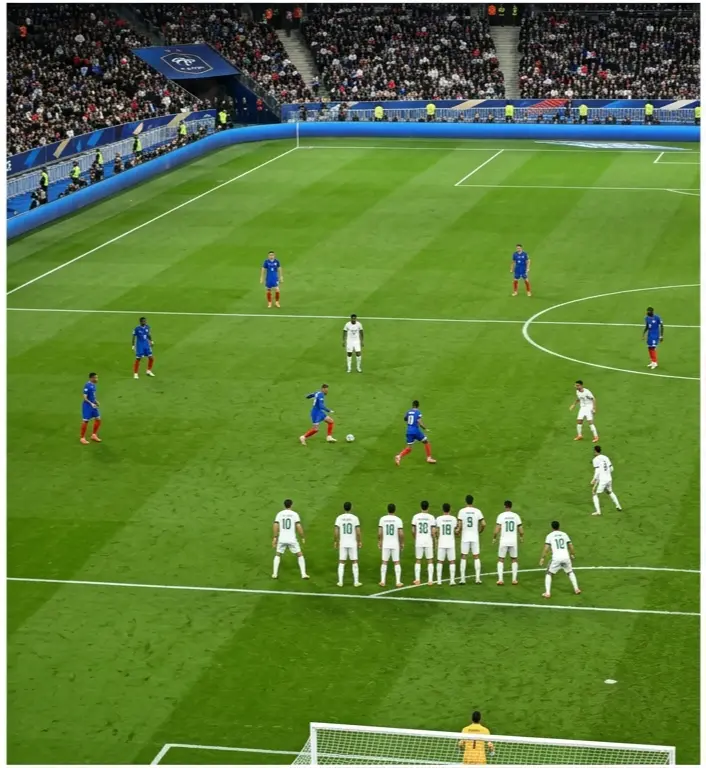
In the 22nd minute, his free kick directly scored, not by luck but by a combination of courage and skill. Under high pressure, daring to shoot from long range. This shot not only pierced Uruguay’s goal but also shattered everyone’s prejudice against Cape Verde. As a midfielder valued at €5 million, Pina’s role as the rhythm controller in attack and defense transition is key to this team shifting from "pure defense" to "counterattack mode."
🔄 Elio Varela—Substitute Hero
Valued at only €2.5 million, he came on in the 61st minute and seized the opportunity to calmly score. Búbista’s substitution proved that this team’s bench depth and tactical execution far exceeded expectations.
3. The Underlying Logic of Success: Not a Miracle, but a Systematic Project
Cape Verde’s breakout is no coincidence; behind it is a sophisticated "small country survival strategy":
Overseas Immigrant Naturalization Network: Due to a large number of Cape Verdeans migrating to Portugal, France, the Netherlands, the US, and other countries, the Football Association cleverly leverages this overseas diaspora network, attracting many players developed through European youth systems. Ronaldo, Nani, Vieira, Nuno Mendes—all top stars with Cape Verdean heritage. This is not a coincidence but a talent gene pool for Cape Verdean football.
Policy Benefits: The 2000 Cotounu Agreement allowed Cape Verdean players to play in the EU without occupying non-EU quotas, opening pathways for overseas careers. These players, seasoned in European leagues, became the backbone of the World Cup push upon returning home.
Six-Year Long-Term Project: Búbista’s six-year coaching tenure has built a stable system. The entire team of 11 players from 8 different national leagues can unite as one. The head coach said after the match: "Football is organization, courage, and determination."
Logistical Support: The home stadium, Praia National Sports Complex, built with Chinese aid and completed in 2014, provides top-notch training and match conditions.
Two consecutive World Cup championships, Cape Verde's qualification is secure?
Today, the TV schedule is again packed, and if Iran drew with Belgium, making everyone sigh at the cold wind blowing, then Cape Verde's draw with Uruguay once again made everyone shout in amazement! But if you watched the game, Cape Verde didn't "play safe" to get a win; instead, they engaged in an attacking battle with Uruguay. If you believe Uruguay was the one to draw with Cape Verde, most people wouldn't have much disagreement. After two rounds, although Cape Verde and Uruguay both have 2 points and are tied for second in the group, considering that in the final round Spain will face Uruguay head-on, and Spain's form is currently unstable, they will definitely give their all, so Uruguay's chances of winning are not high. If Spain wins, Uruguay's points stay at 2; if they draw, Uruguay will have 3 points. On Cape Verde's side, in the last match they face possibly the weakest team in the group, Saudi Arabia. If they win, they will have 5 points; if they draw, they will have 3 points. The difficulty for Cape Verde to earn points in the final round is clearly less than Uruguay's. Cape Verde has surprisingly become the most stable team besides Spain to qualify from Group H, making everyone re-evaluate this team:
1. Tactical System: Búbista’s Six Years of Refinement
Cape Verde’s head coach Búbista, a former national team defender, took over in 2020 and has spent six years developing a tactical DNA centered on "hard to beat." This is not a last-minute effort but a carefully planned long-term project.
🛡️ Against Spain: A textbook "Coffin Defense"
Facing Spain with 74% possession and 27 shots, Cape Verde set up a 5-defender + double defensive midfielder low block formation, with all players retreating and packed in front of the penalty area. The data speaks for itself:
46 clearances, 15 interceptions, 18 tackles, only 1 foul committed throughout the game.
Spain’s 801 passes were almost all in the midfield and backline, with only 3 direct passes into the penalty area, and their expected goals in the first half was a mere 0.07. Cape Verde used extreme discipline to turn the world champion’s possession and control into "ineffective internal competition." Spain’s forward Oyarzabal had 0 touches in the first 30 minutes, setting a World Cup record since 1966 for the most embarrassing debut—thanks to Cape Verde’s tactical execution.
More importantly, Búbista’s team runs over 108 kilometers per game. Every player compensates for talent gaps with tireless running, tearing apart opponents’ rhythm with relentless effort.
⚔️ Against Uruguay: Tactical Flexibility with Both Defense and Attack
If playing Spain was purely defensive, then facing Uruguay proved Cape Verde is not just parking the bus. In the 22nd minute, Kevin Pina scored a world-class long shot, his first goal in World Cup history! Falling behind, they didn't collapse; in the 61st minute, substitute Elio Varela capitalized on a goalkeeper’s mistake to calmly score, making it 2-2 and fighting back stubbornly.
After halftime, Búbista decisively adjusted tactics, with substitutions that were nothing short of brilliant. What does this show? This team has tactical flexibility—able to defend and also to steal opportunities.
2. Core Players: A 40-Year-Old Goalkeeper, a World Cup Legend
🧤 Wozinia—The Biggest Legend of this World Cup
Full name Josimar Wozinia, aged 40 years and 12 days, valued at only €50k, and was even unemployed before the tournament.
But this man has achieved three unprecedented feats in World Cup history:
✅ Oldest player in World Cup debut
✅ Oldest goalkeeper to keep a clean sheet in World Cup debut
✅ Seven crucial saves in a single match, 100% success rate, named the official best player of the match
In the 39th minute of the first half, he flew to punch out Oyarzabal’s close-range header; in the second half, he repeatedly saved Spain’s threatening attacks. After the game, he knelt on the ground, tears streaming down his face. Social media fans surged from 50k to 4 million, an increase of over 80 times.
He only turned professional at 25; when others at 30 have achieved fame, he was still wandering in low-level leagues in Angola, Moldova, and Cyprus. Fate didn’t give him shortcuts, but at 40, he stepped onto the World Cup stage.
⚡ Kevin Pina—The Creator of the First Goal in Team History
In the 22nd minute, his free kick directly scored, not by luck but by a combination of courage and skill. Under high pressure, daring to shoot from long range. This shot not only pierced Uruguay’s goal but also shattered everyone’s prejudice against Cape Verde. As a midfielder valued at €5 million, Pina’s role as the rhythm controller in attack and defense transition is key to this team shifting from "pure defense" to "counterattack mode."
🔄 Elio Varela—Substitute Hero
Valued at only €2.5 million, he came on in the 61st minute and seized the opportunity to calmly score. Búbista’s substitution proved that this team’s bench depth and tactical execution far exceeded expectations.
3. The Underlying Logic of Success: Not a Miracle, but a Systematic Project
Cape Verde’s breakout is no coincidence; behind it is a sophisticated "small country survival strategy":
Overseas Immigrant Naturalization Network: Due to a large number of Cape Verdeans migrating to Portugal, France, the Netherlands, the US, and other countries, the Football Association cleverly leverages this overseas diaspora network, attracting many players developed through European youth systems. Ronaldo, Nani, Vieira, Nuno Mendes—all top stars with Cape Verdean heritage. This is not a coincidence but a talent gene pool for Cape Verdean football.
Policy Benefits: The 2000 Cotounu Agreement allowed Cape Verdean players to play in the EU without occupying non-EU quotas, opening pathways for overseas careers. These players, seasoned in European leagues, became the backbone of the World Cup push upon returning home.
Six-Year Long-Term Project: Búbista’s six-year coaching tenure has built a stable system. The entire team of 11 players from 8 different national leagues can unite as one. The head coach said after the match: "Football is organization, courage, and determination."
Logistical Support: The home stadium, Praia National Sports Complex, built with Chinese aid and completed in 2014, provides top-notch training and match conditions.