
Futures
Access hundreds of perpetual contracts
TradFi
Gold
One platform for global traditional assets
Options
Hot
Trade European-style vanilla options
Unified Account
Maximize your capital efficiency
Demo Trading
Introduction to Futures Trading
Learn the basics of futures trading
Futures Events
Join events to earn rewards
Demo Trading
Use virtual funds to practice risk-free trading
Launch
CandyDrop
Collect candies to earn airdrops
Launchpool
Quick staking, earn potential new tokens
HODLer Airdrop
Hold GT and get massive airdrops for free
Launchpad
Be early to the next big token project
Alpha Points
Trade on-chain assets and earn airdrops
Futures Points
Earn futures points and claim airdrop rewards


More



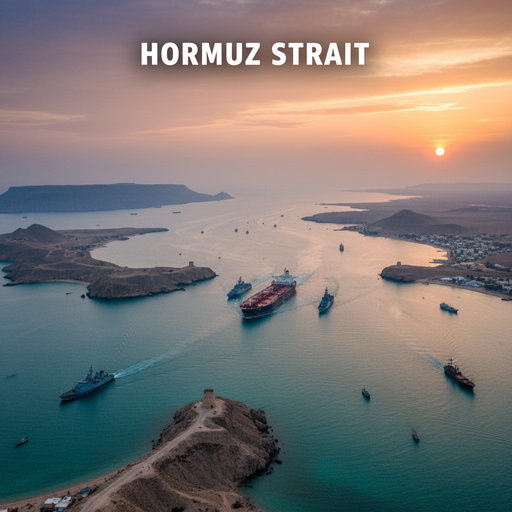


Iraq informs buyers to arrange their own shipments, stating that their crude oil can be transported via the Strait of Hormuz.
Iraq has sent a notice of shipment pickup to Asian buyers, saying its crude oil has been exempted by Iran and can transit through the Strait of Hormuz. However, buyers generally remain cautious, as the scope of the exemption is still unclear.
The Iraq State Oil Marketing Organization (SOMO) issued a notice on Sunday, informing buyers that Iraqi oil shipments are now “exempt from any potential restrictions.” It asked buyers to submit a pickup plan within 24 hours, including vessel information and requested loading volumes, and emphasized that all loading terminals, including Basra, are “operating normally.” This is the first sign of a restart after about a month of the practical closure of Iraq’s crude oil exports through the Strait of Hormuz.
However, according to Bloomberg, multiple Asian buyers said they are seeking further clarification, including whether the exemption applies to all Iraqi oil and whether Iraq will provide its own tankers to enhance transit security.
Unclear exemption details; buyers lack confidence
Iran announced over the weekend that neighboring Iraq’s vessels have been permitted to use the Strait of Hormuz, but an Iranian military spokesperson did not provide specific details on which tankers or cargoes are covered. On Sunday, the tanker Ocean Thunder carrying 1 million barrels of Iraqi crude completed the strait transit, becoming the first practical case after the exemption arrangement took effect.
According to Bloomberg, Asian buyers are cautious about this arrangement, seeking clear confirmation of the exemption conditions—especially whether Iraq is willing to provide Iraqi tankers for carriage, to provide additional security for transit. Iraqi crude is typically sold on a FOB (free on board) basis, meaning buyers arrange transportation themselves, so buyers must bear the transit risk on their own.
Exports drop sharply; limited alternative routes
The practical closure of the Strait of Hormuz has dealt a severe blow to Iraqi oil exports. Data show that Iraq’s average daily crude export volume in March fell by about 97%, to about 99k barrels, a sharp contraction from the previous month.
Iraq’s alternative options to bypass the Strait of Hormuz are extremely limited; currently, only a pipeline system crossing Turkey is available, which is hard to accommodate large-scale export demand. This makes the Hormuz exemption arrangement crucial for Iraq’s export recovery.
According to Bloomberg, tanker traffic through the Strait of Hormuz has picked up over the past week, and the seven-day rolling average as of last Saturday has risen to the highest level since the outbreak of the conflict. But overall traffic remains a trickle compared with pre-war levels, and the market is paying close attention to whether the strait route can remain stably open.
Risk warning and disclaimer