
Futures
Access hundreds of perpetual contracts
TradFi
Gold
One platform for global traditional assets
Options
Hot
Trade European-style vanilla options
Unified Account
Maximize your capital efficiency
Demo Trading
Introduction to Futures Trading
Learn the basics of futures trading
Futures Events
Join events to earn rewards
Demo Trading
Use virtual funds to practice risk-free trading
Launch
CandyDrop
Collect candies to earn airdrops
Launchpool
Quick staking, earn potential new tokens
HODLer Airdrop
Hold GT and get massive airdrops for free
Launchpad
Be early to the next big token project
Alpha Points
Trade on-chain assets and earn airdrops
Futures Points
Earn futures points and claim airdrop rewards


More



Ever wonder who actually has the deepest pockets among world leaders? I just came across some interesting data on the richest president in the world, and honestly, the numbers are wild.
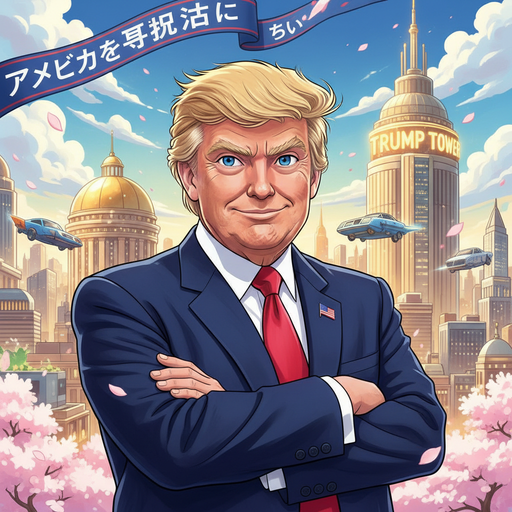
So the list starts with Putin at the top with an estimated $70 billion—which is honestly hard to even comprehend. Then you've got Trump at $5.3 billion, followed by Khamenei, Kabila, and some other names that might surprise you. Bolkiah from Brunei, Mohammed VI from Morocco, Bloomberg (though technically he's former NYC mayor), el-Sisi from Egypt, Lee Hsien Loong from Singapore, and Macron rounding things out.
What's fascinating is how these fortunes are built. Some come from state control and strategic positioning, others from actual business empires. The gap between who is the richest president in the world and the rest is absolutely massive—we're talking orders of magnitude difference.
I think what really stands out is how concentrated wealth gets at the top of political hierarchies. Whether it's real estate, business holdings, or state resources, these leaders have figured out how to accumulate serious capital while running countries. It raises some interesting questions about governance and influence.
The whole thing makes you realize that political power and financial power are pretty intertwined in a lot of places. Some of these names you'd expect, others less so. Definitely worth paying attention to how wealth and politics intersect globally.
What's your take on this? Do the numbers match what you expected, or are there some surprises on the list?