
Futures
Access hundreds of perpetual contracts
TradFi
Gold
One platform for global traditional assets
Options
Hot
Trade European-style vanilla options
Unified Account
Maximize your capital efficiency
Demo Trading
Introduction to Futures Trading
Learn the basics of futures trading
Futures Events
Join events to earn rewards
Demo Trading
Use virtual funds to practice risk-free trading
Launch
CandyDrop
Collect candies to earn airdrops
Launchpool
Quick staking, earn potential new tokens
HODLer Airdrop
Hold GT and get massive airdrops for free
Launchpad
Be early to the next big token project
Alpha Points
Trade on-chain assets and earn airdrops
Futures Points
Earn futures points and claim airdrop rewards


More



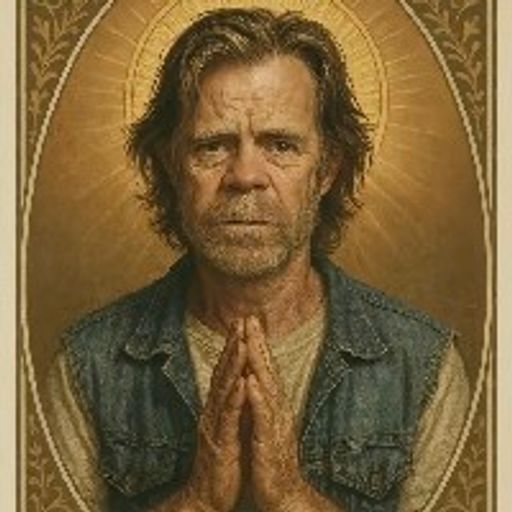
Ever wonder who actually invented candlesticks? Turns out there's this legendary figure from 18th century Japan named Munehisa Homma who basically decoded how markets actually work.
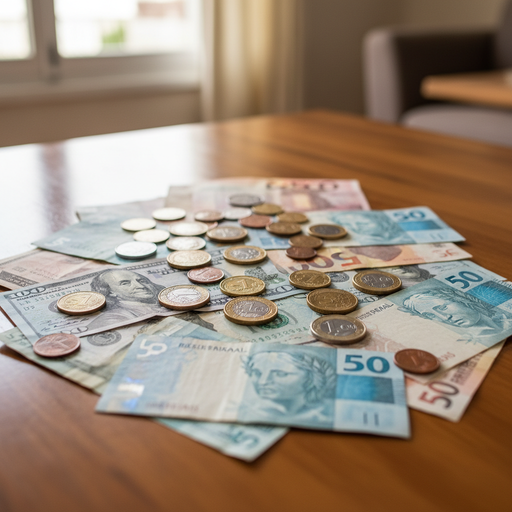
So here's the thing - back in 1724, Homma was born in Sakata and grew up watching rice markets. And I mean really watching them. While other traders were just throwing money around, he noticed something everyone else missed: price movements weren't random chaos. They were patterns driven by pure human emotion - fear, greed, the whole spectrum.
That's when Munehisa Homma did something genius. Instead of drowning in endless price reports, he created a visual system. Simple but powerful. He represented prices as candles where the body shows the gap between open and close, and the wicks show the highs and lows. That's it. But suddenly, everything became readable at a glance.
What blows my mind is that this wasn't just theory. Homma was an actual trader who backed up his ideas with results. We're talking 100+ consecutive winning trades on the Japanese rice exchange. Not luck - pure analysis of supply, demand, and how people behave under market pressure.
The real lessons from Munehisa Homma still hit hard today. First, emotions run everything. You think markets are rational? They're not. They're fear and greed playing out in real time. Second, simplicity wins. Candlesticks look basic but they're used everywhere now - stocks, crypto, everything. Third, success isn't random. It's calculated thinking backed by serious data work.
Fast forward to now and Homma's candlestick system is literally the foundation of how traders analyze markets worldwide. Millions of people daily are using exactly what this guy invented centuries ago. That's legacy.
Why does this matter? Because if you're trying to actually understand trading - whether it's traditional markets or crypto - understanding how Munehisa Homma thought about markets gives you a real edge. He proved that innovation and deep observation can actually change the game. Markets are full of opportunities, but you need that mindset - the willingness to see patterns others miss, just like Homma did.