

Trade
Basic
Futures
Futures
Hundreds of contracts settled in USDT or BTC
TradFi
Gold
Trade global traditional assets with USDT in one place
Options
Hot
Trade European-style vanilla options
Unified Account
Maximize your capital efficiency
Demo Trading
Futures Kickoff
Get prepared for your futures trading
Futures Events
Participate in events to win generous rewards
Demo Trading
Use virtual funds to experience risk-free trading
Earn
Launch
CandyDrop
Collect candies to earn airdrops
Launchpool
Quick staking, earn potential new tokens
HODLer Airdrop
Hold GT and get massive airdrops for free
Launchpad
Be early to the next big token project
Alpha Points
Trade on-chain assets and enjoy airdrop rewards!
Futures Points
Earn futures points and claim airdrop rewards
Investment
Simple Earn
Earn interests with idle tokens
Auto-Invest
Auto-invest on a regular basis
Dual Investment
Buy low and sell high to take profits from price fluctuations
Soft Staking
Earn rewards with flexible staking
Crypto Loan
0 Fees
Pledge one crypto to borrow another
Lending Center
One-stop lending hub
VIP Wealth Hub
Customized wealth management empowers your assets growth
Private Wealth Management
Customized asset management to grow your digital assets
Quant Fund
Top asset management team helps you profit without hassle
Staking
Stake cryptos to earn in PoS products
Smart Leverage
New
No forced liquidation before maturity, worry-free leveraged gains
GUSD Minting
Use USDT/USDC to mint GUSD for treasury-level yields

More




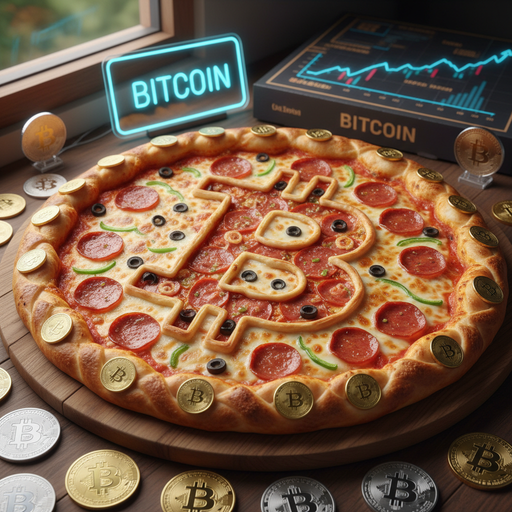


#IsraelStrikesIranBTCPlunges
Asian markets plummeted on Monday. U.S. and Israeli strikes on Iran sharply boosted oil prices, caused stocks to fall, and prompted investors to rush into safe-haven assets. Against this backdrop, Bitcoin held up better than expected — trading around $66 500 in the morning, although over the weekend its price dropped to $63 000 and rose back to $68 000.
After the actual blockade of the Strait of Hormuz and a 13% increase in Brent, the market is testing whether Bitcoin will become a safe haven amid geopolitical crises or if it will remain another risky asset being sold off along with stocks.
Nikkei in Japan opened down 2.15%, losing over 1,260 points. During the day, the decline was reduced to 1.66% — to 57,875. Hang Seng in Hong Kong fell 2.54%, and the Straits Times in Singapore dropped 2.13%. Shanghai managed to hold better — a decline of only 0.45%.
Shares of airlines — Qantas, Singapore Airlines, Japan Airlines — lost more than 5% due to route reorientations amid the closure of the Strait of Hormuz and rising fuel costs. Major Chinese airlines also suffered significant losses.
But the spike in oil prices quickly subsided — gasoline prices are not rising as sharply as investors feared. Brent opened trading up nearly 13%, and by mid-session, WTI had increased by 4.24%. Futures on U.S. stock indices also partially recovered from earlier declines: S&P 500 down 0.67%, Dow down 0.71% — significantly less than the initial losses of over 1%. Gold rose 1.76%.
The energy sector in China moved against the market: PetroChina gained 7% in Shanghai in the morning, and the CSI Energy Index was up 5%. The Kospi market in Korea — one of the leading growth drivers in Asia in 2024 — was closed on Monday due to a nationwide holiday, so the sharp reaction is postponed until Tuesday.
Bitcoin’s losses over the past 24 hours amounted to 2.2%, which is significantly better than the performance of stocks and index futures in Asia.