

Trade
Basic
Futures
Futures
Hundreds of contracts settled in USDT or BTC
TradFi
Gold
Trade global traditional assets with USDT in one place
Options
Hot
Trade European-style vanilla options
Unified Account
Maximize your capital efficiency
Demo Trading
Futures Kickoff
Get prepared for your futures trading
Futures Events
Participate in events to win generous rewards
Demo Trading
Use virtual funds to experience risk-free trading
Earn
Launch
CandyDrop
Collect candies to earn airdrops
Launchpool
Quick staking, earn potential new tokens
HODLer Airdrop
Hold GT and get massive airdrops for free
Launchpad
Be early to the next big token project
Alpha Points
Trade on-chain assets and enjoy airdrop rewards!
Futures Points
Earn futures points and claim airdrop rewards
Investment
Simple Earn
Earn interests with idle tokens
Auto-Invest
Auto-invest on a regular basis
Dual Investment
Buy low and sell high to take profits from price fluctuations
Soft Staking
Earn rewards with flexible staking
Crypto Loan
0 Fees
Pledge one crypto to borrow another
Lending Center
One-stop lending hub
VIP Wealth Hub
Customized wealth management empowers your assets growth
Private Wealth Management
Customized asset management to grow your digital assets
Quant Fund
Top asset management team helps you profit without hassle
Staking
Stake cryptos to earn in PoS products
Smart Leverage
New
No forced liquidation before maturity, worry-free leveraged gains
GUSD Minting
Use USDT/USDC to mint GUSD for treasury-level yields

More


Trending Topics
View More80.44K Popularity
6.89K Popularity
2.03K Popularity
2.93K Popularity
7.59K Popularity




Pin
Gate Square | 2/5 Today's Hot Topic: #BuyTheDipOrWaitNow?
🎁 [Community Perk] Post with the topic or #BTC, 10 lucky users * $100 position Voucher.
Market volatility continues as BTC breaks below the $74,000 key support level, with altcoins pulling back in sync. Are you buying the dip in batches or waiting for a better entry point?
💬 Today’s Discussion:
1️⃣ Bottom Signals: Where do you see BTC’s bottom — $70,000 or lower?
2️⃣ Market Drivers: Which recent macroeconomic news or rumors are influencing the market?
3️⃣ Dark Horses: Are there any resilient or outperforming tokens worth watching?
ShTap to Trade in Gate Square, Win up to 50 GT & Merch!
Click the trading widget in Gate Square content, complete a transaction, and take home 50 GT, Position Experience Vouchers, or exclusive Spring Festival merchandise.
Click the registration link to join
https://www.gate.com/questionnaire/7401
Enter Gate Square daily and click any trading pair or trading card within the content to complete a transaction. The top 10 users by trading volume will win GT, Gate merchandise boxes, position experience vouchers, and more.
The top prize: 50 GT.
![Spring Festival merchandise](https://exampl
#BitcoinHitsBearMarketLow
#BitcoinHitsBearMarketLow
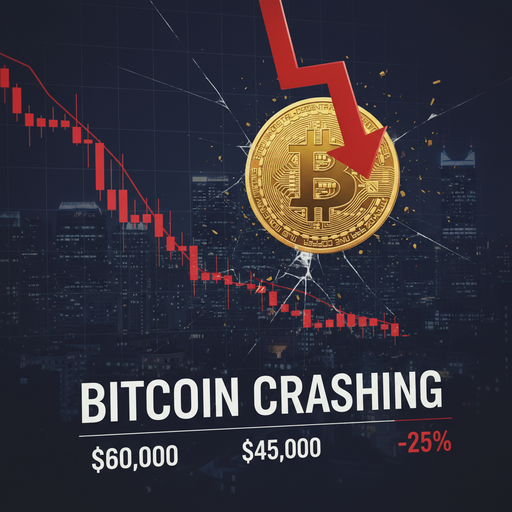
The cryptocurrency market is currently in a state of heightened volatility as Bitcoin has fallen sharply in recent trading, triggering renewed discussions about a potential bear market and testing critical support levels. Bitcoin’s price plunged to its lowest levels in over 15 months, dipping below key psychological thresholds that have not been seen since late 2024, as sell‑offs intensified across risk assets. This recent downturn has alarmed traders and investors, pushing market sentiment firmly into cautious territory amid broader macroeconomic pressures and technical breakdowns.
Bitcoin slipped as low as approximately $71,000, marking its weakest levels since November 2024 and representing a significant decline from the all‑time high above $126,000 in late 2025. Over the past 30 days, the asset has retraced more than 20% of its value, erasing massive gains from the previous rally and pushing the broader crypto ecosystem into a risk‑off mode.
Analysts are closely watching how the market reacts around key support zones. Technical indicators suggest that a sustained break below $70,000 could open the door to further downside pressures, potentially extending the cycle deeper into bear market territory. Some strategic models and on‑chain analytics firms have already identified signals consistent with a bear market regime, pointing to weakening demand and diminishing liquidity within Bitcoin’s price structure. These indicators imply that downside risk toward mid‑range levels near $70,000 and possibly lower might be on the horizon if selling pressure persists.
The recent slump has not only impacted Bitcoin’s price but also reverberated through liquidation events and investor behavior. Data from market sentiment shows that leveraged positions are being unwound as volatility spikes, with significant forced liquidations amplifying downward flows. In some sessions, Bitcoin has faced double-digit percentage drops, exacerbating losses and fueling fear among traders who are scrambling to reassess risk exposure in an uncertain environment.
Macro factors have also played a role in the broader crypto downturn. Shifts in global financial markets, including tightening monetary policy expectations and tech sector sell-offs, have contributed to cross-asset volatility that spills over into the Bitcoin market. These conditions tend to weigh on speculative assets, reinforcing negative momentum and reinforcing bearish sentiment across trading communities.
Despite the pronounced sell-offs, some market observers caution against interpreting the current volatility as a definitive end to Bitcoin’s long-term growth narrative. Historically, Bitcoin has experienced extended periods of correction following parabolic rallies, with pullbacks serving as accumulation phases for longer-term investors. However, the present context marked by institutional capital flow reversals, macro uncertainties, and technical breakdowns underscores the complexity of predicting exact bottoms or recovery timelines.
In summary, #BitcoinHitsBearMarketLow reflects a critical junction in the crypto cycle where Bitcoin’s price action has breached influential support levels, rekindled bearish technical signals, and triggered significant market reactions. While short-term sentiment is confirming a bearish phase, the extent of the downturn and its eventual bottom remain subjects of active debate among analysts and traders alike. The current landscape suggests that investors should stay informed of market data, technical indicators, and macro developments as prices navigate this turbulent period.