


Futures
Access hundreds of perpetual contracts
TradFi
Gold
One platform for global traditional assets
Options
Hot
Trade European-style vanilla options
Unified Account
Maximize your capital efficiency
Demo Trading
Introduction to Futures Trading
Learn the basics of futures trading
Futures Events
Join events to earn rewards
Demo Trading
Use virtual funds to practice risk-free trading
Launch
CandyDrop
Collect candies to earn airdrops
Launchpool
Quick staking, earn potential new tokens
HODLer Airdrop
Hold GT and get massive airdrops for free
Launchpad
Be early to the next big token project
Alpha Points
Trade on-chain assets and earn airdrops
Futures Points
Earn futures points and claim airdrop rewards


More



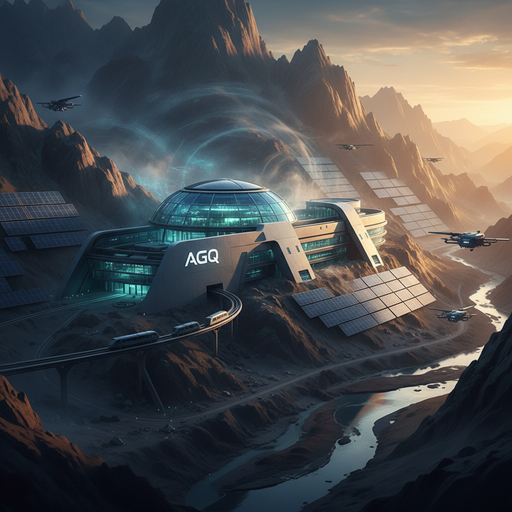

When it comes to deploying massive power infrastructure for data centers, execution speed becomes the real differentiator. One company managed what seemed impossible—delivering a full gigawatt of capacity in under twelve months. That's not just fast. That's in a different league.
Meanwhile, other players are struggling with the fundamentals. Everyone talks about GPU shortages in AI, but that's only half the story. The actual bottleneck? Power infrastructure. Massive warehouses are stacked with computing hardware, but without reliable energy delivery, it's just expensive inventory.
The gap between hype and operational reality has never been wider. Most AI operations hit a hard ceiling when power logistics can't keep pace with chip deployments. Whoever solves this first wins the infrastructure game—and that advantage compounds fast.
---
Electricity is the real ceiling; mining rigs without power are just a pile of scrap metal. Many people haven't fully realized this yet.
---
Whoever first solves the energy supply will win. Once the Matthew effect starts, it's hard to catch up. Capital is playing this game deeply.
---
Exactly, everyone is now hyping AI chips, but the real bottlenecks are in electricity, haha.
---
That's why large-scale miners are moving to places with cheap energy. Infrastructure is the moat.