#SpaceX获大幅超额IPO认购 SpaceX goes public with a "blood draw" close to 250 billion, Bitcoin falls out of favor to $60k—"money" is voting again?
In June 2026, a "blood draw" drama is unfolding: SpaceX's record-breaking $75 billion fundraising kicks off the "Century IPO," Google's largest-ever equity financing of $80 billion, and Anthropic's $65 billion raise.
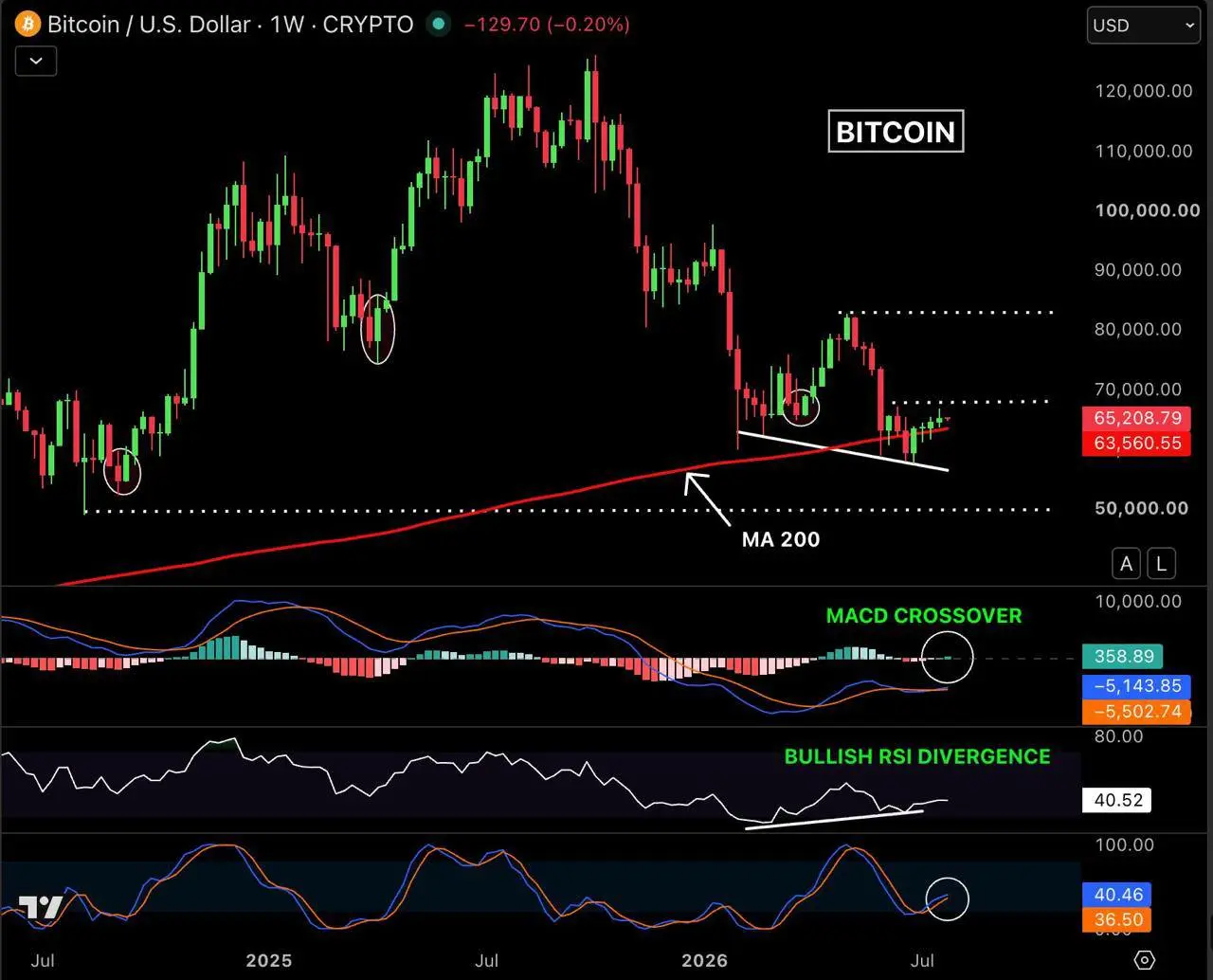
The three giants together have siphoned nearly $250 billion from the market. Bitcoin has already plummeted about 17% this month, briefly losing the key psychological level of $60k, hitting a new low since October 2024. Over a week, $18k has evaporated. This is no coincidence. Funds are voting with their feet—money is choosing new directions. As for where the money has gone? Most crypto enthusiasts probably have an idea: the biggest suspect is: SpaceX going public! Today, let's talk about this.
1. "Blood draw" of 250 billion: simultaneous super IPO and the largest equity financing in history
On June 12, SpaceX will officially list on NASDAQ under the ticker SPCX. According to its latest IPO filing with the SEC, the offering price is set at $135 per share, with about 555.6 million shares to be issued, raising up to $75 billion, with an overall valuation of approximately $1.77 trillion. This fundraising exceeds the roughly $29.4 billion raised during Saudi Aramco's 2019 IPO, making it the new "IPO king" globally. Of course, SpaceX's listing isn't the only one! It is understood that Alphabet, Google's parent company, announced the largest-scale equity financing plan in history on June 1, totaling $80 billion for AI infrastructure expansion. Warren Buffett's Berkshire Hathaway subscribed to $10 billion of it, with Goldman Sachs, JPMorgan Chase, and others acting as underwriters. The AI sector is equally crazy; Anthropic completed Series H funding, totaling $65 billion, with a post-money valuation of $965 billion. Tech giants like Amazon, Google, Microsoft, and NVIDIA are all involved, with Amazon and Google alone pledging over $70 billion combined. SpaceX, Google, and Anthropic together amount to about $220 billion; after SpaceX's official trading, its market cap surged into the top seven in the US, not counting the siphoning effect from secondary market buying. Analysts estimate the actual liquidity drained from the market could be closer to $250 billion or even more. In response, Strategy founder Michael Saylor characterized this capital rotation as "the biggest IPO and equity financing year of our lives," predicting a total capital inflow of $1 trillion into AI and large cloud service providers in 2026. The US AI giants are going public en masse to "grab money," and Wall Street is facing an unprecedented liquidity siphon.
2. Bitcoin falls below $60k: a new low since October 2024
On June 6, Bitcoin continued its decline, breaking below the key psychological level of $60k for the first time since October 2024, with the lowest point touching $59,750 on Coinb and $59,799 on bn, hitting a 20-month low, with a weekly drop of 16%. Over the past month, Bitcoin has fallen from over $80k to nearly $60k. Just in the first few days of June, Bitcoin lost the critical support level maintained for months. The entire crypto market was hit hard. US stocks and crypto concept stocks also plunged; Strategy fell nearly 6%, Robinhood dropped over 3%, Circle and Coinb declined close to 3%. Market panic has spread across all risk assets.
Behind this crash is a structural change in global capital flows. The US spot Bitcoin ETF has recorded net outflows for 13 consecutive trading days, with a total outflow of about $4.33 billion since May 14. ETF capital flows turned negative starting in 2026, indicating that institutional demand supporting the market at the beginning of the year is cooling down. BlackRock briefly bought Bitcoin before selling again, continuing the record-breaking ETF outflows. In stark contrast, massive financing for SpaceX, Google, and Anthropic has attracted large amounts of retail and institutional funds. Syz Group's chief investment officer described this decline as a "structural capital migration": "This drop is driven both by Strategy's reduction and by capital flowing into other hot assets." CoinDesk pointed out that institutions are withdrawing Bitcoin funds to invest in AI, "causing this top-tier cryptocurrency to weaken. This is important because capital rotation means temporary weakness, behind which is the pursuit of hot topics, and ultimately, funds will flow back." The recent divergence between tech stocks and cryptocurrencies, both risk assets, is evident: US stocks continue to hit record highs, while Bitcoin hits multi-month lows. The trend of shifting funds from crypto to the strong-performing traditional stock market is irreversible.
3. The "Never Sell" narrative breaks: Strategy's first reduction in eight years
On June 1, Strategy filed an 8-K with the SEC: between May 26 and 31, the company sold 32 Bitcoin at an average price of about $77,135, totaling about $2.5 million, to pay preferred stock dividends. This was Strategy's first Bitcoin sale since December 2022, ending a 3.5-year period of "buy only" accumulation. Although the sale of 32 coins accounts for only about 0.004% of its total holdings of approximately 843k coins, it broke its public stance of "never selling" since 2020. The news dampened market sentiment and triggered forced liquidations worth hundreds of millions of dollars, further amplifying downward pressure. The message is clear: when the world's largest corporate Bitcoin holder starts cashing out, market confidence also loosens.
$250 billion of capital is being withdrawn from the market, flowing into visible sectors like AI, space exploration, and cloud computing. Funds are voting again, and Bitcoin has naturally become the most conspicuous "outcast."
But this doesn't mean Bitcoin's narrative is over. Behind the capital rotation is a pursuit of short-term hot spots. Bitcoin falling from $80,000 to $60,000 is just a normal emotional cycle dip. The true force that can transcend cycles has never been chasing hot trends through "trading," but maintaining the discipline to hold chips.
In June 2026, a "blood draw" drama is unfolding: SpaceX's record-breaking $75 billion fundraising kicks off the "Century IPO," Google's largest-ever equity financing of $80 billion, and Anthropic's $65 billion raise.
The three giants together have siphoned nearly $250 billion from the market. Bitcoin has already plummeted about 17% this month, briefly losing the key psychological level of $60k, hitting a new low since October 2024. Over a week, $18k has evaporated. This is no coincidence. Funds are voting with their feet—money is choosing new directions. As for where the money has gone? Most crypto enthusiasts probably have an idea: the biggest suspect is: SpaceX going public! Today, let's talk about this.
1. "Blood draw" of 250 billion: simultaneous super IPO and the largest equity financing in history
On June 12, SpaceX will officially list on NASDAQ under the ticker SPCX. According to its latest IPO filing with the SEC, the offering price is set at $135 per share, with about 555.6 million shares to be issued, raising up to $75 billion, with an overall valuation of approximately $1.77 trillion. This fundraising exceeds the roughly $29.4 billion raised during Saudi Aramco's 2019 IPO, making it the new "IPO king" globally. Of course, SpaceX's listing isn't the only one! It is understood that Alphabet, Google's parent company, announced the largest-scale equity financing plan in history on June 1, totaling $80 billion for AI infrastructure expansion. Warren Buffett's Berkshire Hathaway subscribed to $10 billion of it, with Goldman Sachs, JPMorgan Chase, and others acting as underwriters. The AI sector is equally crazy; Anthropic completed Series H funding, totaling $65 billion, with a post-money valuation of $965 billion. Tech giants like Amazon, Google, Microsoft, and NVIDIA are all involved, with Amazon and Google alone pledging over $70 billion combined. SpaceX, Google, and Anthropic together amount to about $220 billion; after SpaceX's official trading, its market cap surged into the top seven in the US, not counting the siphoning effect from secondary market buying. Analysts estimate the actual liquidity drained from the market could be closer to $250 billion or even more. In response, Strategy founder Michael Saylor characterized this capital rotation as "the biggest IPO and equity financing year of our lives," predicting a total capital inflow of $1 trillion into AI and large cloud service providers in 2026. The US AI giants are going public en masse to "grab money," and Wall Street is facing an unprecedented liquidity siphon.
2. Bitcoin falls below $60k: a new low since October 2024
On June 6, Bitcoin continued its decline, breaking below the key psychological level of $60k for the first time since October 2024, with the lowest point touching $59,750 on Coinb and $59,799 on bn, hitting a 20-month low, with a weekly drop of 16%. Over the past month, Bitcoin has fallen from over $80k to nearly $60k. Just in the first few days of June, Bitcoin lost the critical support level maintained for months. The entire crypto market was hit hard. US stocks and crypto concept stocks also plunged; Strategy fell nearly 6%, Robinhood dropped over 3%, Circle and Coinb declined close to 3%. Market panic has spread across all risk assets.
Behind this crash is a structural change in global capital flows. The US spot Bitcoin ETF has recorded net outflows for 13 consecutive trading days, with a total outflow of about $4.33 billion since May 14. ETF capital flows turned negative starting in 2026, indicating that institutional demand supporting the market at the beginning of the year is cooling down. BlackRock briefly bought Bitcoin before selling again, continuing the record-breaking ETF outflows. In stark contrast, massive financing for SpaceX, Google, and Anthropic has attracted large amounts of retail and institutional funds. Syz Group's chief investment officer described this decline as a "structural capital migration": "This drop is driven both by Strategy's reduction and by capital flowing into other hot assets." CoinDesk pointed out that institutions are withdrawing Bitcoin funds to invest in AI, "causing this top-tier cryptocurrency to weaken. This is important because capital rotation means temporary weakness, behind which is the pursuit of hot topics, and ultimately, funds will flow back." The recent divergence between tech stocks and cryptocurrencies, both risk assets, is evident: US stocks continue to hit record highs, while Bitcoin hits multi-month lows. The trend of shifting funds from crypto to the strong-performing traditional stock market is irreversible.
3. The "Never Sell" narrative breaks: Strategy's first reduction in eight years
On June 1, Strategy filed an 8-K with the SEC: between May 26 and 31, the company sold 32 Bitcoin at an average price of about $77,135, totaling about $2.5 million, to pay preferred stock dividends. This was Strategy's first Bitcoin sale since December 2022, ending a 3.5-year period of "buy only" accumulation. Although the sale of 32 coins accounts for only about 0.004% of its total holdings of approximately 843k coins, it broke its public stance of "never selling" since 2020. The news dampened market sentiment and triggered forced liquidations worth hundreds of millions of dollars, further amplifying downward pressure. The message is clear: when the world's largest corporate Bitcoin holder starts cashing out, market confidence also loosens.
$250 billion of capital is being withdrawn from the market, flowing into visible sectors like AI, space exploration, and cloud computing. Funds are voting again, and Bitcoin has naturally become the most conspicuous "outcast."
But this doesn't mean Bitcoin's narrative is over. Behind the capital rotation is a pursuit of short-term hot spots. Bitcoin falling from $80,000 to $60,000 is just a normal emotional cycle dip. The true force that can transcend cycles has never been chasing hot trends through "trading," but maintaining the discipline to hold chips.