As demand for data storage and computing continues to grow, cloud infrastructure has become a critical foundation for digital services. Traditional cloud services manage resources through centralized platforms, making efficient scheduling and unified service delivery possible. However, this model also concentrates resource supply, increases user dependence on a single platform, and brings growing concerns around resource costs and data control.
Against this backdrop, decentralized cloud infrastructure is gradually becoming an important direction for Web3 infrastructure. By using distributed nodes to provide resources and protocols to coordinate scheduling, decentralized cloud networks aim to create a more open and flexible resource supply model. Resource scheduling is the core mechanism that determines the network’s efficiency and usability.
What Role Does Impossible Cloud Network Play in Decentralized Cloud Resource Scheduling?
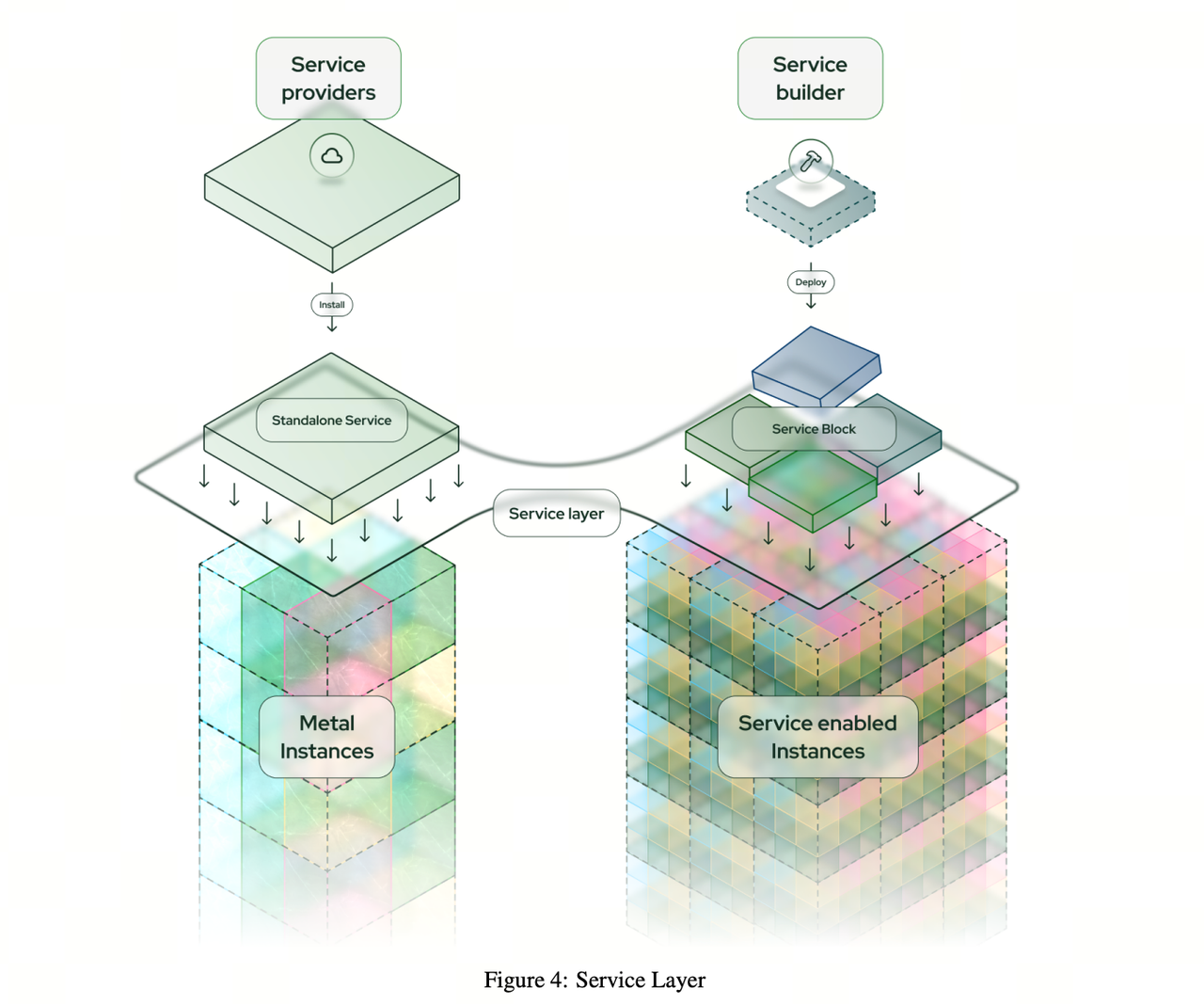
Impossible Cloud Network (ICNT) is a decentralized protocol built for cloud storage and cloud infrastructure scenarios. Its core function is to connect resource providers with resource users and enable cloud resource supply through protocol based scheduling.
Under this model, node operators provide storage or computing resources to the network, users request resource services through the protocol, and the system matches resources and assigns tasks based on node status and demand type. This makes ICNT the “coordination layer” in the decentralized cloud resource market, responsible for resource management, scheduling allocation, and settlement execution.
This mechanism means network resource supply no longer depends on a centralized platform. Instead, resources are dynamically coordinated through the protocol, which helps improve resource utilization and broaden the sources of resource supply.
Where Do ICNT Network Resources Come From?
Resources in the ICNT network mainly come from distributed node operators. Node operators can connect their storage devices, bandwidth resources, or computing capacity to the protocol network, turning those resources into infrastructure supply that the network can call upon.
These resources may come from independent node operators or professional infrastructure service providers. The protocol manages connected resources in a unified way and adds them to a schedulable resource pool so they can support future user requests.
In this way, ICNT brings originally scattered infrastructure resources into a unified network resource system, decentralizing the supply side of cloud resources.
How Are User Requests Assigned to Nodes?
When a user submits a resource request, the protocol automatically matches it based on the type of resource needed and the current status of available nodes.
For example, when a user requests storage services, the protocol filters for nodes that meet the required capacity, service availability, and performance standards, then assigns the task to the most suitable resource provider. The entire matching process is handled by predefined scheduling logic rather than manual coordination.
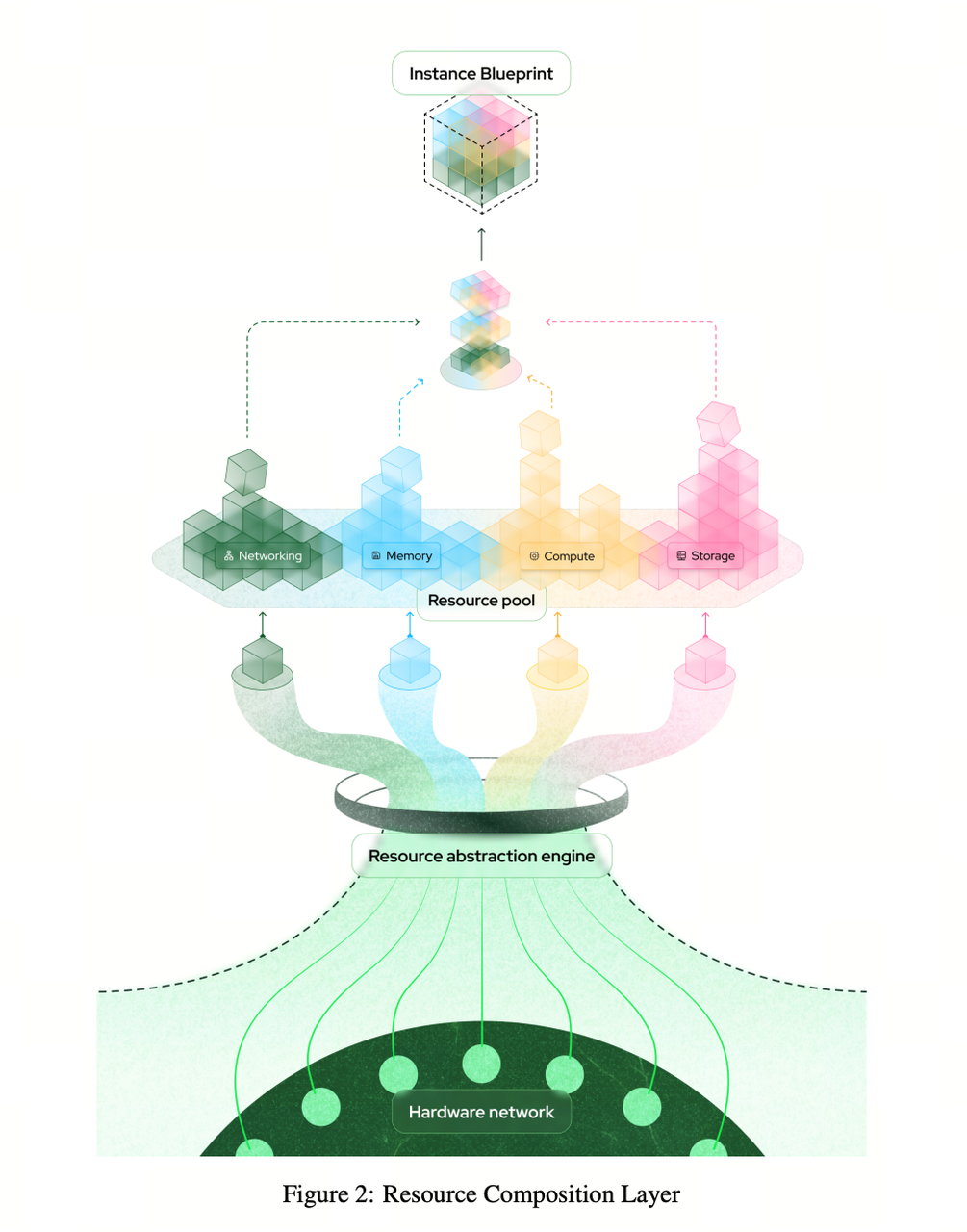
This process is similar to resource scheduling on centralized cloud platforms. In the ICNT network, however, scheduling logic is executed through the protocol, making resource allocation more transparent and reducing the cost of centralized management.
How Does the Protocol Complete Resource Scheduling?
ICNT’s resource scheduling mechanism mainly includes several steps: resource registration, demand matching, task assignment, and status updates.
First, nodes submit their resource status to the protocol network, including available capacity, performance parameters, service status, and other information. Then, when a user submits a request, the protocol matches the demand based on these parameters and assigns the task to eligible nodes.
After the task is completed, the protocol updates the node status and settles fees based on the resource service result. This closed loop scheduling logic allows the network to continuously coordinate resource supply and demand, helping maintain stable cloud service operations.
How Does ICNT Ensure Node Service Availability?
In a decentralized cloud network, node service quality determines the reliability of the overall network. For that reason, ICNT needs protocol mechanisms to ensure resource availability.
The protocol typically maintains node service stability through node status monitoring, service quality verification, and incentive based constraints. For example, nodes that provide resources consistently and reliably may receive more incentives, while nodes that fail to meet service quality standards may be assigned lower resource priority or receive reduced rewards.
This mechanism helps improve the overall quality of network resources and reduces service risks caused by unstable nodes.
What Role Does ICNT Token Play in the Scheduling Mechanism?
ICNT Token serves as the settlement and incentive tool within the resource scheduling mechanism.
When users access network resources, they need to pay ICNT Token as the service fee. After node operators complete resource services, they receive corresponding token rewards. Through this mechanism, the protocol enables resource value to circulate and creates a sustainable incentive relationship between resource supply and demand.
In addition, the token mechanism can also be used for network governance, such as adjusting reward parameters or optimizing resource scheduling rules, thereby improving the operating efficiency of the entire network.
How Is Decentralized Resource Scheduling Different from Traditional Cloud Services?
In traditional cloud services, resource scheduling is controlled by a centralized platform. The platform is responsible for resource management, task assignment, and service assurance. This model is efficient, but resource supply and pricing power are concentrated in the hands of the platform.
ICNT’s decentralized scheduling, by contrast, completes resource matching through protocol logic. Resources are provided by distributed nodes, and fee settlement is handled through a token mechanism. This makes network resource supply more open and allows resource providers to participate directly in the infrastructure service market.
This difference gives decentralized cloud networks distinctive advantages in openness and resource flexibility, but it also places higher demands on protocol design and node management.
Conclusion
The core operating mechanism of Impossible Cloud Network (ICNT) is to coordinate distributed node resources through a protocol and enable decentralized cloud service scheduling. Its operating process includes resource access, demand matching, task assignment, fee settlement, node incentives, and other stages, connecting resource providers and resource users through protocol logic.
This resource scheduling mechanism not only makes cloud service resources more open, but also offers a scalable implementation path for decentralized cloud infrastructure. As DePIN infrastructure continues to develop, protocol based resource scheduling models like ICNT are becoming an important foundation for decentralized cloud services.
FAQs
What Is ICNT’s Resource Scheduling Mechanism?
ICNT’s resource scheduling mechanism is the process by which the protocol automatically matches user demand with node resource status, then completes task assignment and fee settlement.
Who Provides ICNT’s Resources?
Resources are mainly provided by node operators and include infrastructure resources such as storage capacity, bandwidth, and computing power.
How Does ICNT Ensure Node Service Quality?
The protocol improves node stability and resource availability through status monitoring, incentive rewards, and service constraint mechanisms.
What Role Does ICNT Token Play in Resource Scheduling?
ICNT Token is used to pay resource service fees and reward node operators who provide resources.
What Is the Biggest Difference Between ICNT and Traditional Cloud Scheduling?
The biggest difference is that ICNT coordinates distributed node resources through a protocol, while traditional cloud services schedule resources through a centralized platform.