Best Crypto Card for Spending: How to Match a Card to a Scenario
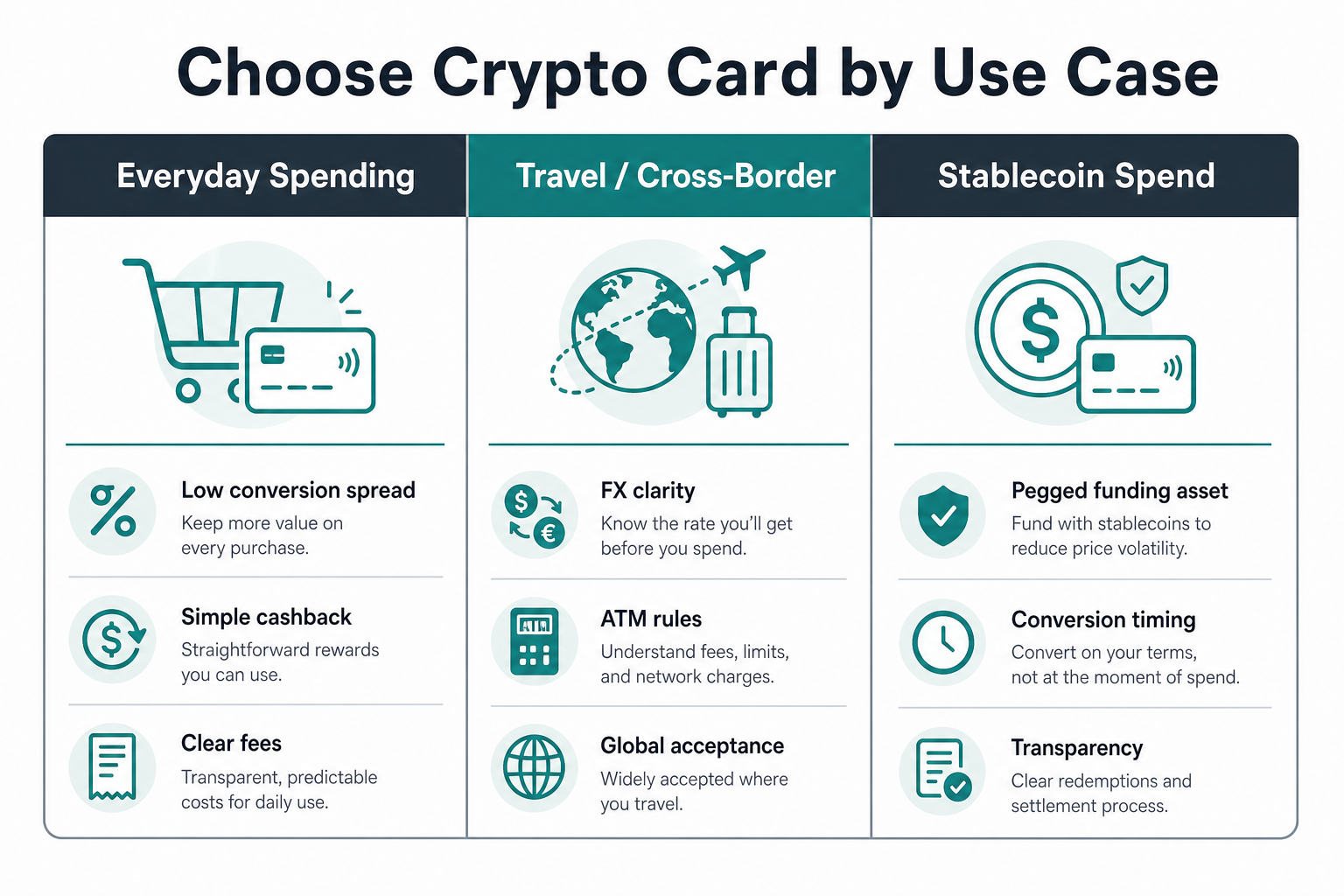
Figure 1. Use-case priorities for everyday spending, travel/cross-border, and stablecoin-funded payments.
Start with three inputs: funding source (exchange balance, self-custody wallet, or fiat top-up), geography (domestic vs cross-border), and asset preference (volatile crypto vs stablecoins). The best crypto card for spending depends on those three variables: some users need a low-friction card for everyday purchases, others need broad travel acceptance or cleaner stablecoin spending, and the right pick changes with fees, rewards, and regional support.
| Scenario |
Priority |
Watch-outs |
| Everyday domestic |
Low per-transaction fees, instant top-up |
Hidden FX on domestic merchants; balance locks |
| Travel / cross-border |
Visa/Mastercard acceptance, ATM caps, FX disclosure |
DCC at POS; weekend spreads; country blocks |
| Stablecoin spending |
Pegged asset support, sell timing, USDC/USDT spread |
Auto-sell into volatile assets; stale quotes |
| Credit-style rewards |
APR, collateral haircuts, liquidation triggers |
Borrowing adds liquidation risk beyond card fees |
| Exchange-linked debit |
Unified balance, KYC in one place |
Eligibility by region; spend vs withdrawal limits |
Cards fall into prepaid (load then spend), exchange-linked debit (spend custodial balance), and crypto-backed credit (borrow against collateral). In practice, crypto cards work much like traditional Visa or Mastercard products: you tap, swipe, or withdraw at an ATM, and the card program either spends your loaded fiat balance or converts supported crypto to fiat at the point of sale. The crypto debit vs credit card guide explains funding and liability; this article maps those types to spending paths, including stablecoin conversion, cross-border use, exchange-linked debit options such as Gate Card, and the checklist that matters most if you want lower costs and fewer regional surprises.
Everyday Spending: What to Prioritize
For groceries, subscriptions, and transit, optimize predictable cost per swipe and fast replenishment. Cards fall into prepaid, exchange-linked debit, traditional bank debit, and crypto credit products that extend a credit line—so the best cryptocurrency card for everyday use often comes down to balancing rewards, fees, and simplicity. A balance on these products is typically linked to digital asset wallets, letting users fund routine purchases without extra transfers. They convert funds to fiat at checkout so merchants receive local currency through standard payment rails. Visa and Mastercard programs are accepted in over 200 countries, which helps for routine domestic use.
Prepaid and exchange-linked debit products convert crypto or stablecoins at checkout—the effective spread often matters more than headline "zero fee" claims on small tickets. Prioritize domestic fee clarity, top-up speed, decline behavior, and reward vesting rules, especially if crypto card rewards vary by token or tier. Check whether a virtual card is issued instantly for online purchases; some issuers also generate single-use virtual numbers as an added security option. Apple Pay and Google Pay support can simplify contactless checkout when you spend digital assets day to day. Exchange-linked debit can cut steps between balance and card in supported regions if KYC tier and limits fit your budget—see how to get and use a crypto card before relying on a card for daily bills.
Travel and Cross-Border: FX, ATM, Acceptance
Travel stress-tests FX, ATM withdrawals, and merchant acceptance. Visa and Mastercard rails work broadly, but issuer rules, sanctions lists, foreign exchange markup, and foreign transaction fees still apply. Premium tiers may bundle airport lounge access for frequent travelers, but that matters less than FX and ATM policy if the goal is low-cost spending abroad. A virtual card can improve online purchases, especially when it supports Apple Pay and Google Pay. Declining Dynamic Currency Conversion (DCC) and paying in local currency is usually cheaper, particularly when cards offer competitive exchange rates instead of extra FX fees. Compare spending limits, annual fee policies, top-up fees, hotel-hold behavior, supported funding networks, and whether a physical card is needed to withdraw local currency while traveling. Check for free ATM access, monthly withdrawal allowances, and the exact ATM withdrawal fees that apply after any cap. Card rewards matter too: some programs advertise up to 8% cashback on purchases, but higher rates often require staking or account conditions, and many programs require locking native tokens to unlock better tiers. For card spend vs bank wires, see U-card for cross-border payments vs bank wire. Real-time transaction alerts are also useful for monitoring activity abroad.
Stablecoin-Focused Spending: Volatility and Conversion
Stablecoin-first spenders want peg discipline and transparent conversion timing. USDC and USDT cut balance volatility, but checkout still involves converting crypto into fiat or local currency, and FX fees plus foreign transaction fees still vary widely even when card acceptance is broad; some issuers advertise interbank exchange rates or competitive pricing, but you should verify the real foreign exchange cost. If you hold other digital assets, check whether the card or linked wallet lets you swap cleanly before purchase and which supported networks it accepts for top-ups from an external wallet, because the crypto-to-fiat path can affect fees and records. Watch quote freshness, asset priority, off-hours spreads, and regional KYC tiers. Declining DCC and paying in local currency is usually cheaper. If you may need cash, compare ATM withdrawal fees and any monthly free-withdrawal cap before the first paid ATM withdrawal. Nexo Card, Bybit Card, and Coinbase Card illustrate how published pricing can differ: Nexo Card offers up to €2,000 in free ATM withdrawals monthly, Bybit Card charges a 0.5% foreign exchange fee, and Coinbase Card has a 2.49% foreign transaction fee. Strong for payroll and DAO contributors; weaker if each swipe triggers taxable BTC disposal without records. For travel, also confirm whether you need a physical card for hotel check-ins or ATM access, whether you can manage spending limits in the app, and whether hidden costs like an annual fee, top-up fees, or network-specific limits outweigh the headline savings.
Where Gate Card Fits as an Exchange Debit Example
Gate Card illustrates exchange-linked debit for users in eligible regions who already hold Gate balances or fund from an external wallet: card spend draws from custodial crypto or stablecoin after KYC, rather than a separate prepaid load each trip. It is an example category—not a universal best—because eligibility, tier limits, and asset support vary by country. Even when the starting asset is a stablecoin, converting at checkout can still affect execution and tax records.
Everyday and travel users get unified balance, stablecoin checkout where enabled, and tier-scaled limits—but country support, ATM fees, and FX still set total cost. Details like a virtual card versus a physical card, published spending limits, top-up fees, support for online payments, and security features such as two-factor authentication matter just as much, while inactivity fees are still worth checking. Compare published fees against standalone issuers if you do not need exchange access; see best crypto cards overview. Some non-custodial options also let users spend directly from self-custody wallets, but you should still verify supported networks before moving assets for card use.
Checklist Before You Choose
-
Eligibility — country, KYC tier, supported assets, whether there is a credit check, and any required portfolio balance or loyalty tier tied to a specific card tier; some programs use a gold loyalty tier with higher cashback, shipping, or withdrawal benefits.
-
All-in cost — spread + issuer + network + ATM fees; check for a free plan, any annual fee, claims of zero fees, and possible hidden costs like top-up fees or inactivity fees.
-
Funding path — Gate Card illustrates exchange-linked debit: spend usually pulls from a custodial crypto balance or platform cash account rather than self-custody, so review deposit time, minimum top-up, and fiat off-ramp, and note that some issuers are backed by or partnered with regulated financial institutions, which can affect compliance expectations and card availability. Check whether the product includes both a virtual card for online payments and a physical card for ATM or travel use.
-
Hold behavior — pre-auth amounts and release timing, especially if rewards, exclusive perks, or a higher loyalty tier change limits or merchant treatment.
-
Recovery — freeze/reissue if compromised abroad, and review security features such as two-factor authentication and in-app spending limits; some providers also highlight PCI DSS alignment.
-
Tax — whether each spend is a disposal event locally.
-
Fallback — backup payment if conversion or maintenance blocks auth.
Re-run when issuers update fee schedules.
FAQ
What is the best crypto card for everyday spending?
Choose low domestic conversion spread, fast top-ups, and clear decline rules. Prepaid and exchange-linked debit both work if all-in cost stays predictable on small purchases, while the best crypto credit cards may also appeal to users who want rewards or borrowing features if they accept the added complexity.
Which crypto card is better for travel and foreign ATMs?
Prioritize transparent foreign transaction fees, published ATM withdrawal fees, and broad Visa/Mastercard acceptance, especially if you need a physical card to withdraw local currency abroad. Some providers advertise free ATM withdrawals up to a monthly limit, so check the published schedule and decline DCC before relying on cash overseas.
Can I spend USDC or USDT without touching Bitcoin?
Many issuers support stablecoin balances, but checkout still converts crypto to fiat so the merchant receives fiat, and you should compare FX markup, ATM withdrawal fees, and any free-withdrawal cap. Confirm asset priority, quote timing, and volatile-asset fallback rules. If you plan to spend from an external wallet while traveling, also confirm whether you will receive a physical card for local cash access or only a virtual one. Published pricing can vary sharply: Nexo Card offers up to €2,000 in free ATM withdrawals monthly, Bybit Card charges a 0.5% foreign exchange fee, and Coinbase Card has a 2.49% foreign transaction fee for transactions tied to digital assets.
Is an exchange-linked debit card the same as crypto credit?
No. Exchange-linked debit spends balance you own, though some products fund from an external wallet while others require exchange balances. Nexo Card is a common example because it separates debit mode for direct spending from credit mode that borrows against collateral, with APR and liquidation risk. Even when you spend USDC or USDT, the payment flow still usually converts crypto to fiat so the merchant receives fiat. MetaMask Card works with the MetaMask wallet and uses the wallet's private keys for non-custodial security. It supports nine tokens for spending, is accepted at over 150 million merchants globally, and offers 1–3% mUSD cashback on purchases. Some crypto debit cards link directly to digital asset wallets, and a few non-custodial setups, such as MetaMask Card, let you spend from self-custody.
How does Gate Card compare for cross-border use?
Gate Card fits exchange-linked debit for eligible regions—unified balance and stablecoin paths—but travel cost still depends on FX, ATM fees, acceptance, and foreign transaction fees. Some products, such as Nexo Card, where a virtual card may be issued before or alongside a physical card depending on rollout and region, separate credit mode from debit mode so users can choose between borrowing against collateral and spending owned funds directly. Compare against standalone travel cards and wire alternatives for your corridor, and check whether alternatives like Coinbase Card or Binance Card are even available in your country, as free ATM withdrawals and regional support can matter as much as rates.