QTUM Technology: A Deep Dive into Its Applications in Blockchain

What Is Qtum?
Summary
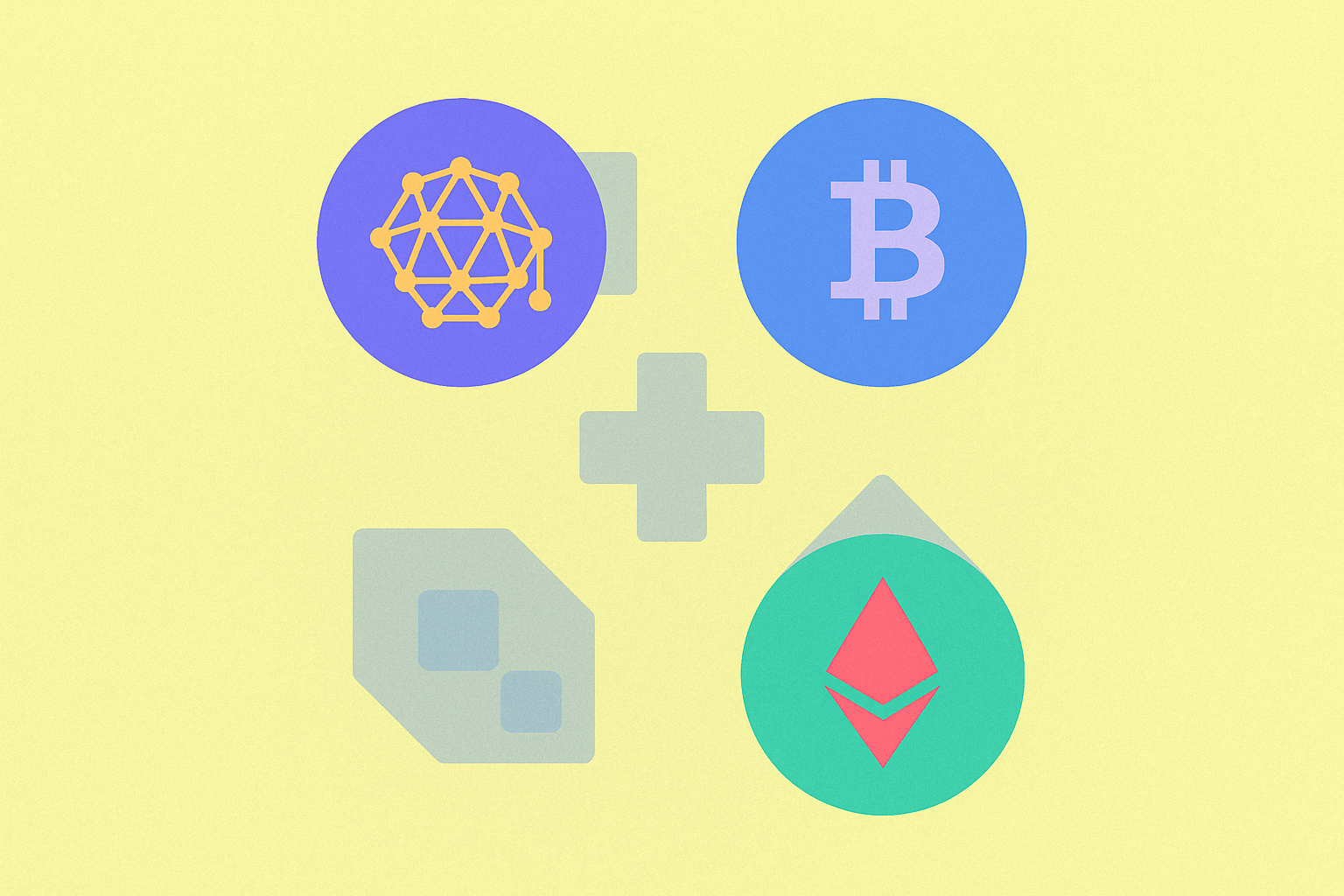
QTUM is a cutting-edge blockchain network established in 2016 that merges the best features of Bitcoin and Ethereum. It combines Ethereum’s advanced smart contract functionality with Bitcoin’s secure Unspent Transaction Output (UTXO) accounting model. The network uses a mutual Proof-of-Stake consensus mechanism to deliver both security and efficiency, while minimizing the risk of malicious contract attacks.
QTUM supports a wide range of token standards, including QRC-20, QRC-1155, and QRC-721, making it a versatile platform for decentralized application development. The QTUM token is the native asset of the network, used for transaction fees, staking, and participating in network governance. The project’s headquarters are in Singapore, with additional offices in Miami and Stockholm.
Introduction
Since Bitcoin’s launch as the first successful blockchain, the technology has evolved dramatically. QTUM has carved out its own space by strategically fusing the most effective components from both Ethereum and Bitcoin. This unique approach makes QTUM a standout project, offering a technical architecture that leverages the strengths and flexibility of both networks to address modern blockchain challenges.
What Is Qtum?
Founded in 2016 by a team of technology experts—Ashley Houston, Neil Mool, and Patrick Dai—QTUM quickly achieved early success. Its 2017 initial coin offering (ICO) raised $15.6 million, followed by the official mainnet launch in September of that year.
QTUM’s core concept is the intelligent integration of key technical features from Ethereum and Bitcoin. The founders adopted Bitcoin’s UTXO model for its proven security and reliability, combining it with Ethereum’s powerful smart contracts. The result is a unique platform that balances security with flexibility.
How Does Qtum Work?
QTUM’s architecture is built on four key technical pillars:
First, the UTXO accounting model offers a secure and efficient record-keeping system. Second, the Solidity smart contract platform enables sophisticated decentralized applications. Third, the Account Abstraction Layer bridges the two systems. Fourth, the Proof-of-Stake consensus mechanism ensures the network’s security and operational efficiency.
QTUM leverages a modified version of the Bitcoin client to manage its transaction database. The network is fully compatible with the Ethereum Virtual Machine (EVM) and uses the Solidity programming language, making it easy for developers to build and deploy decentralized applications.
What Are Unspent Transaction Outputs (UTXO)?
Unspent Transaction Outputs (UTXO) are a foundational concept in the cryptocurrency ecosystem. In this model, each digital currency transaction consists of inputs and outputs, with unspent outputs representing the funds available for future use.
This approach offers several key advantages. It makes double-spending prevention straightforward, as the system can easily verify whether an output has already been spent. It also enables the network to process multiple transactions in parallel, since each transaction involves independent outputs—boosting both speed and efficiency.
In contrast, Ethereum uses an account-based transaction model, similar to traditional banking systems.
What Is the Account Abstraction Layer in Qtum?
Blockchains supporting smart contracts often face technical challenges when using the UTXO model. QTUM addresses this with its innovative Account Abstraction Layer (AAL).
The Account Abstraction Layer acts as a bridge between the UTXO system and smart contracts. It leverages unspent transaction outputs to create smart contracts, sends the transaction to the contract account for execution, and then processes and adapts the results back into the UTXO format. This ensures seamless compatibility between the two models.
What Is Proof-of-Stake (PoS) in Qtum?
QTUM’s mutual Proof-of-Stake mechanism is a unique consensus approach designed specifically for its network. Its primary goal is to deter malicious or unwanted contract attacks by significantly raising their execution costs.
This mechanism distributes block rewards fairly among block-producing nodes and incorporates payment delays to add another layer of security, making attacks less likely. As a result, the network is more secure and reliable than those using traditional consensus models.
What Is Offline Staking in Qtum?
QTUM introduced a groundbreaking feature—offline staking—for QTUM holders. This mechanism allows users to maintain full control of their tokens, requiring only their wallet address to participate.
Under this system, your tokens stay securely in your wallet, and you can spend or revoke your delegation at any time. The consensus process involves two main participants: super stakers (validators) and delegators. Delegators provide their wallet address to a super staker via a smart contract, enabling them to stake and earn rewards without exposing their funds to risk.
QTUM Token
The QTUM token is the core digital asset of the QTUM network, distributed via the network’s consensus mechanism. It serves several important functions within the ecosystem.
QTUM is used to pay network transaction fees, ensuring smooth and efficient operations. It also grants users the right to participate in on-chain governance by voting on proposals, giving the community a voice in network development. Additionally, the token powers staking, whether as a delegator or as a super staker who validates blocks and helps secure the network.
Where Can I Buy QTUM?
QTUM is available on a wide range of centralized and decentralized cryptocurrency exchanges worldwide, offering users multiple convenient ways to purchase the token.
Users can buy QTUM directly with credit or debit cards in supported local fiat currencies, making it accessible for newcomers. They can also trade various digital assets for QTUM, including stablecoins and major cryptocurrencies like BTC and ETH, giving traders and investors flexibility to choose their preferred method.
FAQ
Is Qtum Secure and Are There Any Side Effects?
Qtum is a secure digital currency that uses advanced cryptography to protect wallets. As a digital asset, it has no health-related side effects. Security depends on using good practices and properly safeguarding your private keys.
Share
Content
How to Buy Cryptocurrency


Trending Cryptocurrencies



What is PLENA: A Comprehensive Guide to Personalized Learning and Neurodevelopmental Assessment

What is NYZO: A Comprehensive Guide to the Innovative Blockchain Network

What is TED: Inspiring Ideas That Spark Global Conversations

What is GAS: Understanding the Global Addressing System in Network Communications

What is TURTLE: A Beginner's Guide to the Tiny UML RoundTrip Engineering Language
Explore Cross-Chain Solutions with Avalanche Bridging

RXS Token Insights: Latest News, Opinions & Market Analysis

2025 NEON Price Prediction: Expert Analysis and Market Forecast for the Next Generation Token

Understanding Crypto Payment Fees: A Comprehensive Guide for Merchants in 2025
2025 COQ Price Prediction: Expert Analysis and Market Outlook for the Coming Year

2025 PORTAL Price Prediction: Analyzing Market Trends and Future Growth Potential for Portal Token