#StakeOnLaunchpoolToShare450KVLX $VLX
#DailyStandouts #ShareWeekly #WCTCS9
A headline APR can attract attention, but the real question is how much of the reward pool each participant can actually earn.
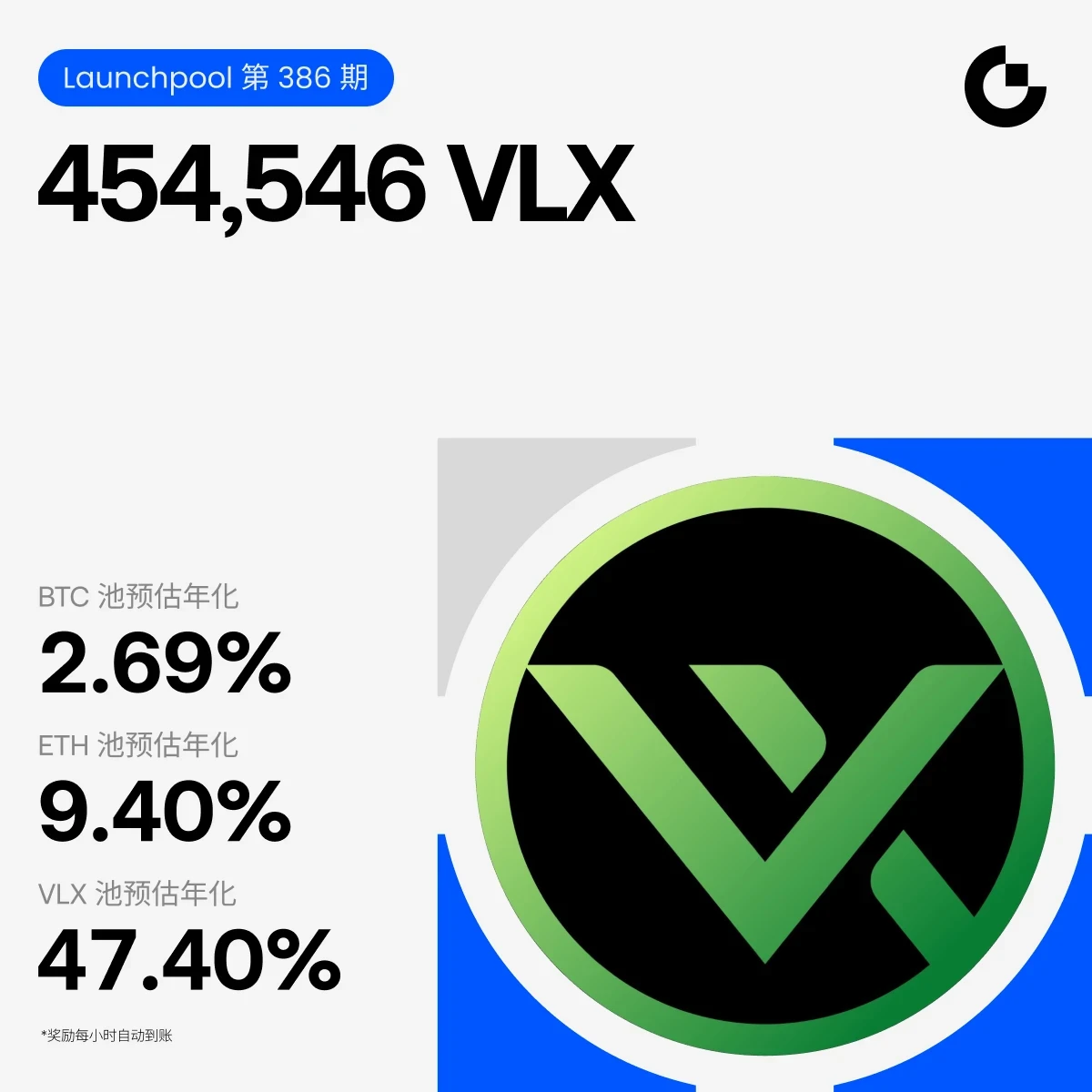
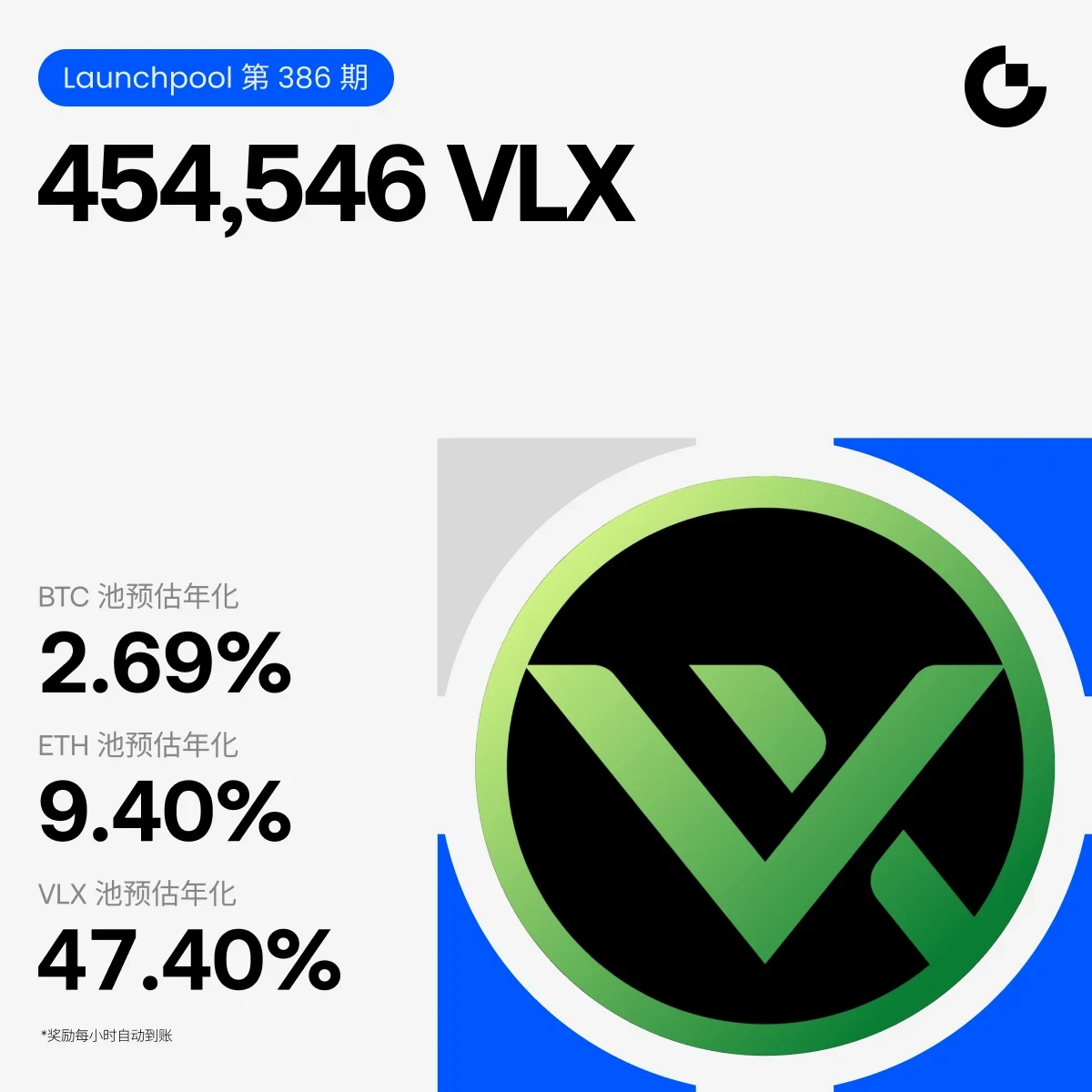
Gate Launchpool Round #386 features ValueX (VLX), offering a total of 454,546 VLX in rewards for users staking BTC, ETH or VLX. The campaign runs from November 7 to November 21, 2026, with rewards distributed hourly.
At first glance, the estimated APR of up to 47.40% looks attractive. However, I would look beyond that headline number before deciding whether the opportunity makes sense.
How the reward pool is divided
The total allocation is split across three separate pools:
BTC staking: 181,818 VLX
ETH staking: 181,818 VLX
VLX staking: 90,910 VLX
This means BTC and ETH each receive a larger share of the total rewards, while the VLX pool has a smaller allocation.
Your actual reward depends on your proportion of the eligible assets in the relevant pool, the time you participate and the applicable hourly reward limits.
There is also an important distinction between earning rewards in VLX and earning a guaranteed return in dollar terms. The amount of VLX distributed may be predictable at the pool level, but its market value can change significantly.
Why the APR keeps changing
The 47.40% figure was the initial estimated APR promoted for this round. Gate later published another update showing an estimate of up to 112.09%.
That difference is a reminder that APR is not a fixed promise.
The estimate can change with participation levels, reward calculations and the market price of VLX. A higher displayed APR does not automatically mean every participant will receive that rate.
Rewards are distributed hourly to spot accounts, but the token price at the time you sell determines the actual value you realise.
The new BTC and ETH staking limits
One interesting feature is the dynamic staking cap.
For BTC and ETH pools, the individual staking limit unlocks at a 1:1 ratio based on net deposits. In simple terms, a qualifying net deposit of 0.1 ETH can unlock a 0.1 ETH staking limit.
This creates a direct relationship between net deposits and participation capacity. But users should understand that deposits and withdrawals both affect the net-deposit calculation.
It is a participation mechanism, not an additional yield guarantee.
The risk behind VLX
ValueX describes itself as an Avalanche-based, EVM-compatible infrastructure project focused on the carbon economy, including measurement, reporting and verification of environmental activity.
That is an interesting use case, but the long-term value of VLX will depend on real adoption, network activity, token demand and execution.
There are also practical risks: VLX price volatility, limited liquidity, project development uncertainty and the possibility that the token's market value falls more than the rewards earned.
My Take
I see this Launchpool as a reward-distribution opportunity, not a guaranteed high-return investment.
The BTC and ETH pools may appeal to users who prefer earning a new token without directly buying it, while the VLX pool carries more direct exposure to the project's own token.
Personally, I would compare the expected VLX rewards with the market risk of the asset being staked and the possibility of VLX losing value.
What matters more to you in this Launchpool: the estimated APR, the flexibility of staking BTC and ETH, or VLX's long-term project potential?
Not financial advice.