Square
Following
Hot
News
Notifications
Profile
Share your thoughts
placeholder
Article
$BCH Fell to the weakest in the sector—is this a risk or an opportunity? The answer leans bullish—this is relative weakness amid panic-driven indiscriminate selling, not a fundamental collapse.

Comparing across the sector: NEAR is currently at 3.688, down just 2.12% over 24h; MA5 has crossed above MA20, RSI is neutral at 47.6, and the MACD histogram has turned positive, with a much smaller decline than BCH. MITO is even up 21.26% against the trend, with a relatively strong RSI of 60.6. Of the three, BCH is relatively the weakest: down 6.24% over 24h, with its price of 248 below MA5 at 248.62
BCH+0.95%
MITO+8.51%
morning ubdate
live-cover
LIVE1,501
Trenches
ZIG
Z
bade
b
ZIG
0x8c...1145
Market Cap
$.
Change
.
24h Vol
$.
Holders
.
STONK
S
bade
b
STONK
6GmA...UNgx
Market Cap
$.
Change
.
24h Vol
$.
Holders
IDOL
I
bade
b
IDOL
0x3b...ab07
Market Cap
$.
Change
.
24h Vol
$.
Holders
.
FLOAT
F
bade
b
FLOAT
Bv1a...BMmr
Market Cap
$.
Change
.
24h Vol
$.
Holders
.
CLAUDIA
C
bade
b
CLAUDIA
2j5S...W2ZM
Market Cap
$.
Change
.
24h Vol
$.
Holders
.
I did it @MetaMask where’s my $100k prize?
post-image
#AKE

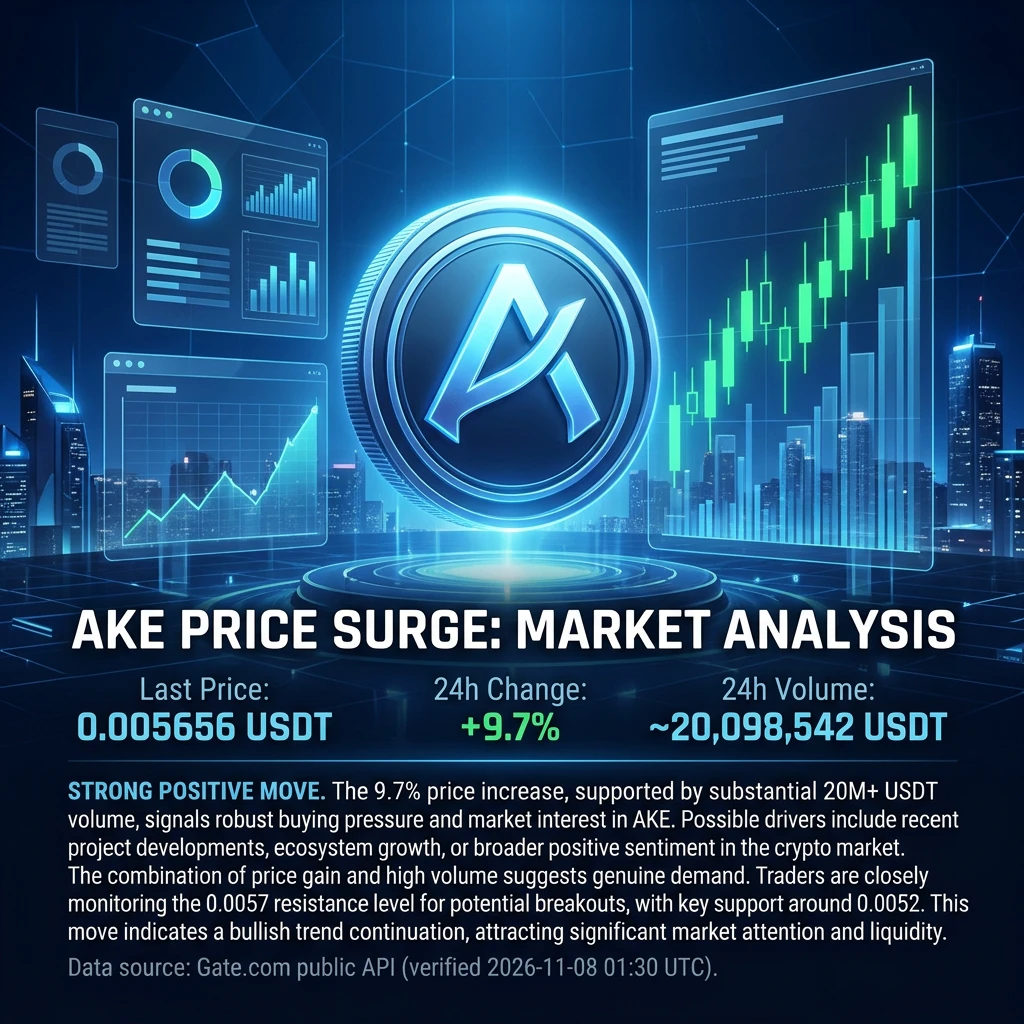
AKE Gains 9.7%: What Is Behind the Move, and What Should Traders Watch?

Imagine You Hold AKE. What Would You Notice?

You open your trading account and see AKE trading higher than it was yesterday. The price has climbed nearly 10%, and trading activity has reached millions of USDT. Your first thought might be that something important has changed. But is this move supported by strong demand, or is it simply a short-term market reaction?

That is the question traders should ask before making a decision.

What Is Happening With AKE?

At 01:30 UTC on November 8, 2026, AKE/USDT was trading
post-image
AKE+6.07%
  • 1
The man who caught spies became a thief himself.
An FBI counterintelligence agent tasked with monitoring hostile nations used his investigative access to steal about $2.47 million in crypto assets, and pleaded guilty this week.
His name is Patrick Yaroch, 37. He joined the FBI in 2017 and became a supervisory special agent in the counterintelligence division at headquarters in February 2025.
His method was simple: he searched the FBI’s internal databases, including a classified one, for wallet private keys and login credentials, then transferred the funds he found.
He made about 100 transfers
post-image
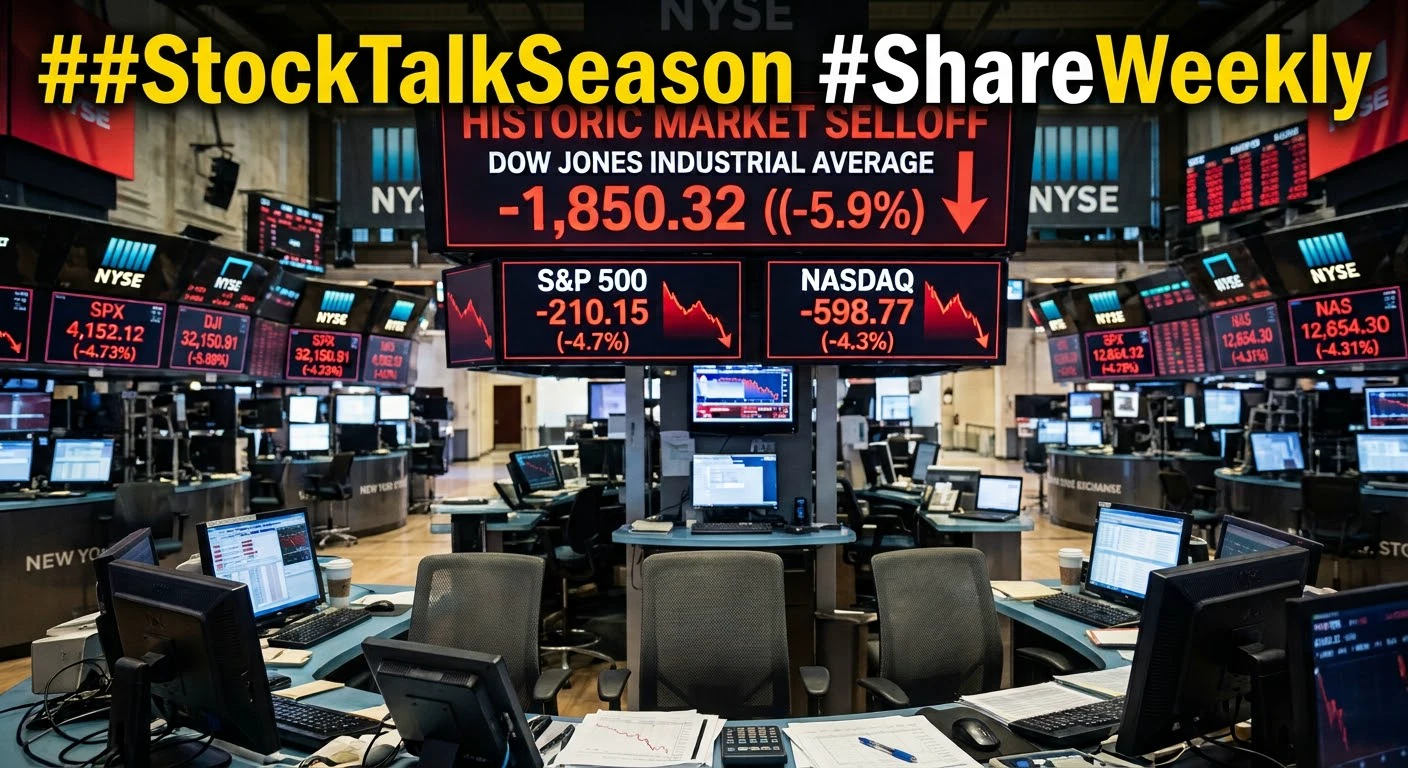
#StockTalkSeason #ShareWeekly
StockTalkSeason: Exploring Stock Market Opportunities, Insights, and Investor Perspectives
The stock market continues to attract attention from investors, analysts, and financial enthusiasts around the world. With changing economic conditions, evolving corporate strategies, and emerging investment trends, understanding the stock market has become more important than ever.
#StockTalkSeason is an excellent opportunity for creators and market enthusiasts to share valuable insights, discuss financial developments, and explore the forces shaping global markets.
Unders
post-image
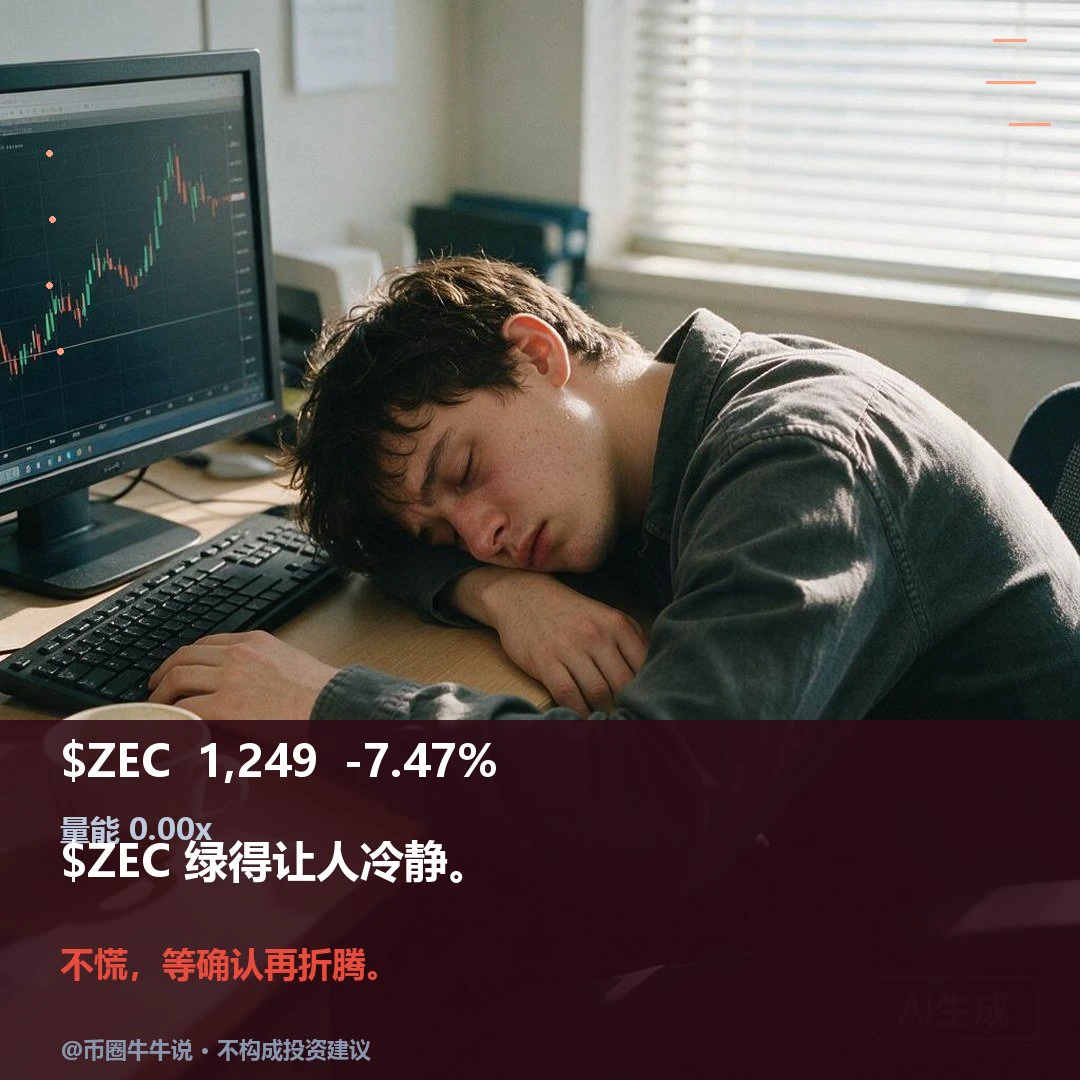
$ZEC Current price: 1249.21, 24H -7.47% (1236.65–1364.08). 1H is weak: RSI 29.56, price below EMA20 at 1271.78, volume ratio 0.00; 4H is weak: RSI 50.12, price below EMA20 at 1281.00, support at 1183.38/resistance at 1387.89. To move higher, price needs to hold above the 1350.85 resistance level; a break below the 1236.65 support level would signal further weakness. Review whether price holds above 1350.85 and recovers after losing 1236.65; volume is only 0.00x. The setup is invalid without volume or a recovery. Market volatility is high; for observation only.
post-image
ZEC+1.16%
new market Update
live-cover
LIVE76
🌈 #GateLiveStreamingInspiration -November 8

Go live with the following topics now to receive extra official support and promotional exposure!Today's Topic Recommendations:
🔹 Vitalik Buterin says the donation of SHIB worth hundreds of millions of dollars exceeded expectations
🔹 Bitcoin needs no banks, yet Strategy aims to become a Bitcoin bank
🔹 Former FBI agent pleads guilty to stealing $2.47 million in cryptocurrency, facing up to 20 years in prison
🔹 Cyber has repurchased approximately $13 million worth of CYBER tokens over the past year
🔹 Bitcoin ETFs saw a net outflow of $412 millio
GateLive
🌈 #GateLiveStreamingInspiration -November 8

Go live with the following topics now to receive extra official support and promotional exposure!Today's Topic Recommendations:
🔹 Vitalik Buterin says the donation of SHIB worth hundreds of millions of dollars exceeded expectations
🔹 Bitcoin needs no banks, yet Strategy aims to become a Bitcoin bank
🔹 Former FBI agent pleads guilty to stealing $2.47 million in cryptocurrency, facing up to 20 years in prison
🔹 Cyber has repurchased approximately $13 million worth of CYBER tokens over the past year
🔹 Bitcoin ETFs saw a net outflow of $412 million, with BlackRock’s IBIT posting a net outflow of $403 million
🔹 Prediction markets assign a 52% probability that Bitcoin will rise to $70,000 by the end of 2026
🔹 Gnosis Pay reports unauthorized access to its card system, resulting in customer data leakage
🔹 The SEC’s proposed rules for crypto broker-dealers have been submitted to the White House for review, covering four securities rules
Choose any topic to start a live stream, and you'll have a chance to be featured on the official website's homepage!
🔥 Start streaming now: https://www.gate.com/live/apply
repost-content-media
SHIB-1.28%
BTC-0.67%
CYBER-5.40%
IBIT-0.30%
GNO-1.28%
GN foxes 🦊🌗
What will be your #GEM of the month??
Shill me 💎
post-image
What happened in the markets this week, and what do the numbers tell us?

The S&P 500 closed the week with a loss of approximately 2.7%, with the Nasdaq at the epicenter of the decline, while the "fear index" (VIX) settled at 25.6 by the week's end. Yields on two-year Treasury notes climbed to 4.53%, and ten-year yields rose to 4.87%, as the dollar index strengthened to around 102.3. Meanwhile, gold gained nearly 5% for the week, reaching approximately $4,065, and silver also saw gains, approaching $52. Bitcoin finished the week slightly lower, remaining above $75,000. Looking ahead, Tuesday’s
User_any
Why did a week of risk aversion shake the stock markets so severely?

U.S. stocks ended the week with significant losses; the Nasdaq experienced its sharpest weekly decline in months, and the "fear index" (VIX) surged by as much as 70% on Thursday, climbing above the 28 level. Meanwhile, bond yields rose toward the end of the week, settling around 4.85%, and the U.S. dollar strengthened. Conversely, gold and silver saw their strongest weekly performance in months, closing with gains of approximately 4% and over 5%, respectively.

What does a "week of risk aversion" mean?

The events on Wall Street this past week can be summarized in a single sentence: the market repriced risk. U.S. stocks closed the week with broad losses; the S&P 500 fell by approximately 2.7%, while the Nasdaq suffered its worst week in months, dropping 3.4%. The turning point arrived on Thursday, when a sell-off in artificial intelligence and semiconductor stocks triggered the sharpest single-day decline for the index since the spring of 2025, causing trillions of dollars in market capitalization to evaporate in a single day.

The reasons behind this are not merely technical—they are political. The shift in control of Congress following the midterm elections held earlier in the week led investors to question the future of spending on artificial intelligence infrastructure. As confidence in the growth narrative surrounding data centers wavered, stocks with the most inflated valuations faced the heaviest selling, while forced liquidations by leveraged funds turned the downturn into a full-blown panic. What you need to watch is whether this marks the end of a trend or is merely a correction. The attempt by AI-related stocks to recover on Friday suggests that the selling pressure is not entirely one-sided. It is too early to say whether the indices have bottomed out; however, the fact that panic selling did not shift into panic buying indicates that the market remains in a state of indecision.

Why did the "price of fear" surge?

The most striking development of the week occurred in the volatility index—often referred to as the "fear index." On Thursday, it spiked by approximately 70%, climbing above the 28 level—the highest reading seen in months. In simple terms, this means investors were willing to double the premiums they pay for instruments that act as insurance for their portfolios.

The impact of this surge in volatility is indirect yet profound. A high "fear premium" prompts market makers to trim their positions, leads funds to lower their risk limits, and results in an overall reduction in liquidity. We saw a clear manifestation of this in the crypto space: on that same day, hundreds of millions of dollars in leveraged long positions were liquidated, a wave that dragged Bitcoin down from above $80,000 to the $75,000 range.

The key indicator to monitor is the level at which the fear index eventually stabilizes. Sharp, single-day spikes are often reversed; however, if the index remains at elevated levels, it suggests that the market environment has not yet cleared, and any rally in risk assets will be met with skepticism.

How did the interplay between interest rates and the dollar unfold?

Throughout the week, the bond market told two distinct stories. Mid-week, a flight to safety—triggered by a sell-off in equities—pushed interest rates lower; however, a strong employment report released on Friday reversed this dynamic. The addition of 165,000 new jobs drove bond yields back up, with the 10-year benchmark yield settling around 4.85%, while the dollar also ended the week on a strong note.

For crypto investors, this shift is significant: both interest rates and the dollar serve as inverse indicators of risk appetite. When interest rates rise and the dollar strengthens, the appeal of non-yielding assets diminishes, the cost of leverage increases, and institutional capital tends to migrate toward safer havens. Indeed, Bitcoin spot funds saw outflows exceeding a billion dollars last week—a clear, tangible sign of weakening institutional demand.

All eyes are now on Tuesday’s CPI data. Economists anticipate that annual inflation will climb from 3.7% to approximately 3.9%. Should this figure materialize, a December interest rate hike would become all but certain, keeping pressure on both bond yields and the dollar. Conversely, if inflation comes in surprisingly low, this pressure could ease, providing some breathing room for risk assets.

Why did gold and silver rise simultaneously?

The surprise stars of the week were, without a doubt, precious metals. Gold closed the week with a gain of approximately 4%, settling above the $4,000 threshold, while silver topped the performance list with an increase of over 5%. This marked their strongest week in months. The rise in gold—occurring alongside falling stocks, a surging "fear index" (volatility index), and rising interest rates—defies conventional wisdom; typically, high interest rates are the arch-nemesis of gold, an asset that yields no interest.

So, why the rally? The answer lies in a shift in capital flows. Investors moved funds pulled from equities not into other stocks, but into tangible assets. This was bolstered by central banks, which, as revealed in data released this week, continued to purchase gold at record levels during the third quarter. A broad spectrum of investors—from family offices to massive institutional funds—simultaneously sought a "safe haven," pushing prices higher despite the headwinds from rising interest rates. The sharper rally in silver, meanwhile, reflects both safe-haven demand and industrial demand.

The key question now is whether the $4,000 level will serve as a pivotal turning point for gold. If this level holds, the thesis of a rotation into safe-haven assets gains weight; however, should interest rates climb even further, maintaining this resistance level will become increasingly difficult. The takeaway here is that the rise in precious metals should be viewed not as mere "hype," but as a defensive reflex aimed at portfolio protection.

What about Bitcoin?

This week, crypto failed to fit into either the "safe-haven" category or the role of a bellwether for risk appetite. Bitcoin fell in tandem with the sell-off in equities, and unlike gold, it failed to rally. The wave of billion-dollar outflows from institutional funds has once again put the "digital gold" narrative to the test this week—and the results were not encouraging. During this week of fear, institutional capital flowed into commodities and bonds rather than the blockchain.

To understand why, one must view Bitcoin as a liquidity-sensitive asset. As the likelihood of the Federal Reserve tightening policy increases, the supply of borrowed capital in the market shrinks; consequently, speculative, long-horizon assets are the first to be sold off. Bitcoin is currently defending the $75,000 support level. If this threshold holds, the bearish scenario is deferred; if it is lost, the $73,000 level—followed by the $70,000–$72,000 range—emerges as the next potential destination.

In the crypto space, there are two key factors to watch: first, whether the direction of institutional fund flows shifts this week; and second, whether Tuesday’s inflation data can revive risk appetite. The debate over whether Bitcoin acts as a "safe haven" or a "risk asset" cannot be settled in a single week—but this week’s outcome clearly leans toward the latter.

What is the lesson for the individual investor?

Looking at the week as a whole, the picture is clear: we are witnessing a global "flight to safety." Equities are being sold, metals are being bought, the dollar and interest rates are strengthening, and crypto finds itself caught in the crossfire. In weeks like this, the costliest mistake is to gauge the entire market based on the movement of a single asset. Assuming a "safe-haven" rush simply because gold is rising, predicting a market collapse because stocks are falling, or declaring a final verdict because Bitcoin is being sold—these are all hasty reactions, and they all stem from the same error: losing sight of the broader context.

The lesson for you is this: build your portfolio based on its inherent resilience, not on the direction of the wind. Periods of "risk-off" sentiment are times when the correlations between all assets approach one—meaning everything falls in tandem; it is precisely during such weeks that the true value of diversification becomes clear. Furthermore, keep a close eye on the economic calendar; the CPI data on Tuesday, followed by the Federal Reserve’s December decision, will be the defining moments that set the market's direction. During these periods, leverage is the first thing to evaporate in the face of volatility—manage your margin accordingly.

Finally, bear in mind this reality: risk-off phases do not last forever, and the most aggressive rallies often follow the darkest weeks. However, do not mistake "often" for "always." Your task today is not to predict the future, but to accurately interpret the current landscape and ensure that, regardless of which scenario unfolds, your positions remain resilient.

This content is for informational purposes only and does not constitute investment advice.

$BTC $XAU $XAG $US500 $US30
#USCPIDataIncoming

#USAIStocksHitHard
#USNonfarmPayrolls
#StockTalkSeason
#ShareWeekly
repost-content-media
BTC-0.67%
XAG+0.47%
XAU+0.38%
NAS100+1.90%
US500+0.69%
  • 4
  • 1
#USAIStocksHitHard

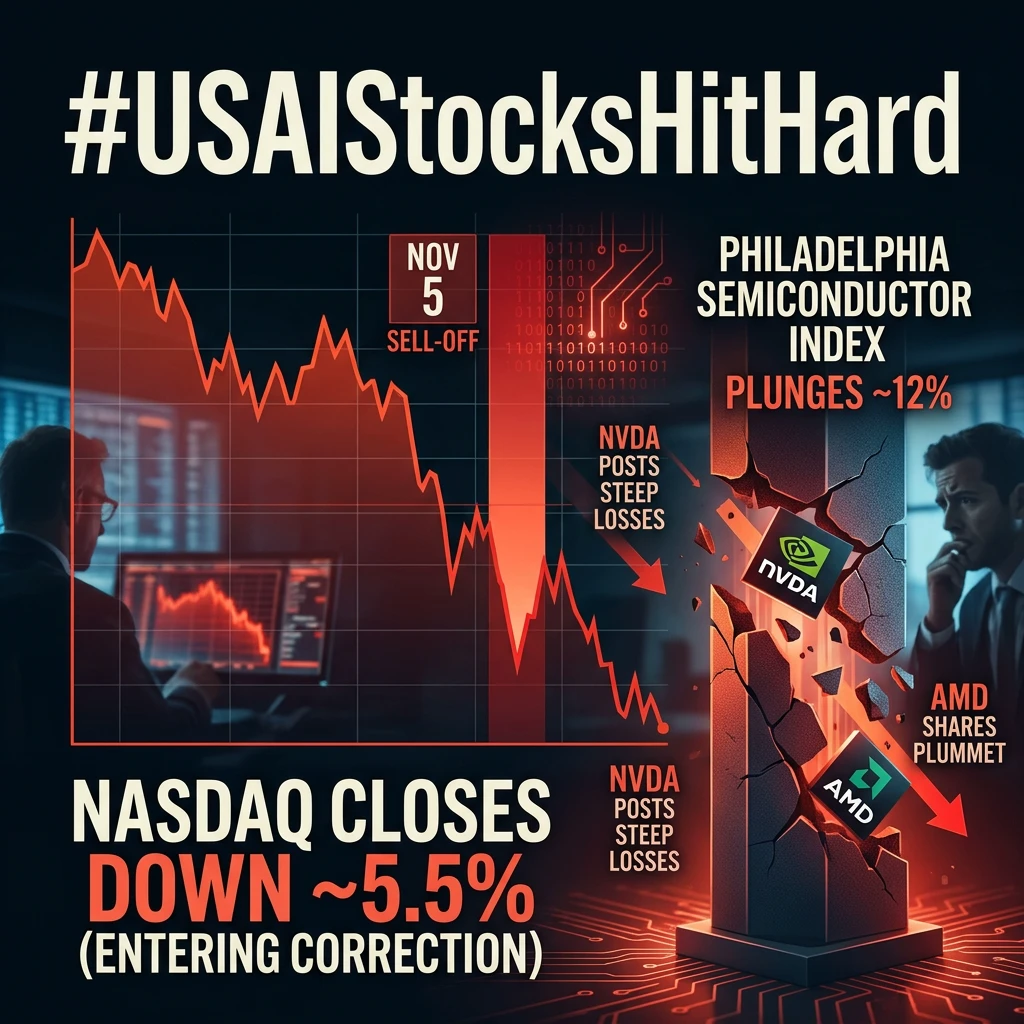
USAIStocksHitHard: Wall Street’s AI Boom Faces a Reality Check

Market Shock

U.S. stocks suffered a major selloff on Thursday, November 5, as investors rapidly reduced their exposure to technology and artificial intelligence stocks. The Nasdaq Composite dropped 5.5%, while the Philadelphia Semiconductor Index plunged approximately 12.2%. The decline was severe enough to push the Nasdaq into correction territory, meaning it had fallen more than 10% from its recent record high.

The Dow Jones Industrial Average also declined 3.4%, while the S&P 500 lost 4.4%. This was not a
post-image
AMD+11.55%
  • 1
🌈 Gate Live Streaming Inspiration - November 8

Trending Topic Recommendations:
🔹 Vitalik Buterin Says SHIB Donation Worth Hundreds of Millions of Dollars Exceeded Expectations
🔹 Bitcoin Doesn’t Need Banks, but Strategy Wants to Become a Bitcoin Bank
🔹 Former FBI Agent Admits Stealing $2.47 Million in Cryptocurrency, Faces Up to 20 Years in Prison
🔹 Cyber Bought Back Approximately $13 Million Worth of CYBER Tokens Over the Past Year
🔹 Bitcoin ETFs See $412 Million in Net Outflows, with BlackRock IBIT Seeing $403 Million in Net Outflows
🔹 Prediction Markets Put the Odds of Bitcoin Rising
post-image
SHIB-1.28%
BTC-0.67%
CYBER-5.40%
BLK+0.60%
GNO-1.28%
  • 8
  • 2
#TRX

TRX Holds Near $0.32: What Is Supporting the Price, and What Could Change the Picture?

A Small Move, but What Does It Tell Us?

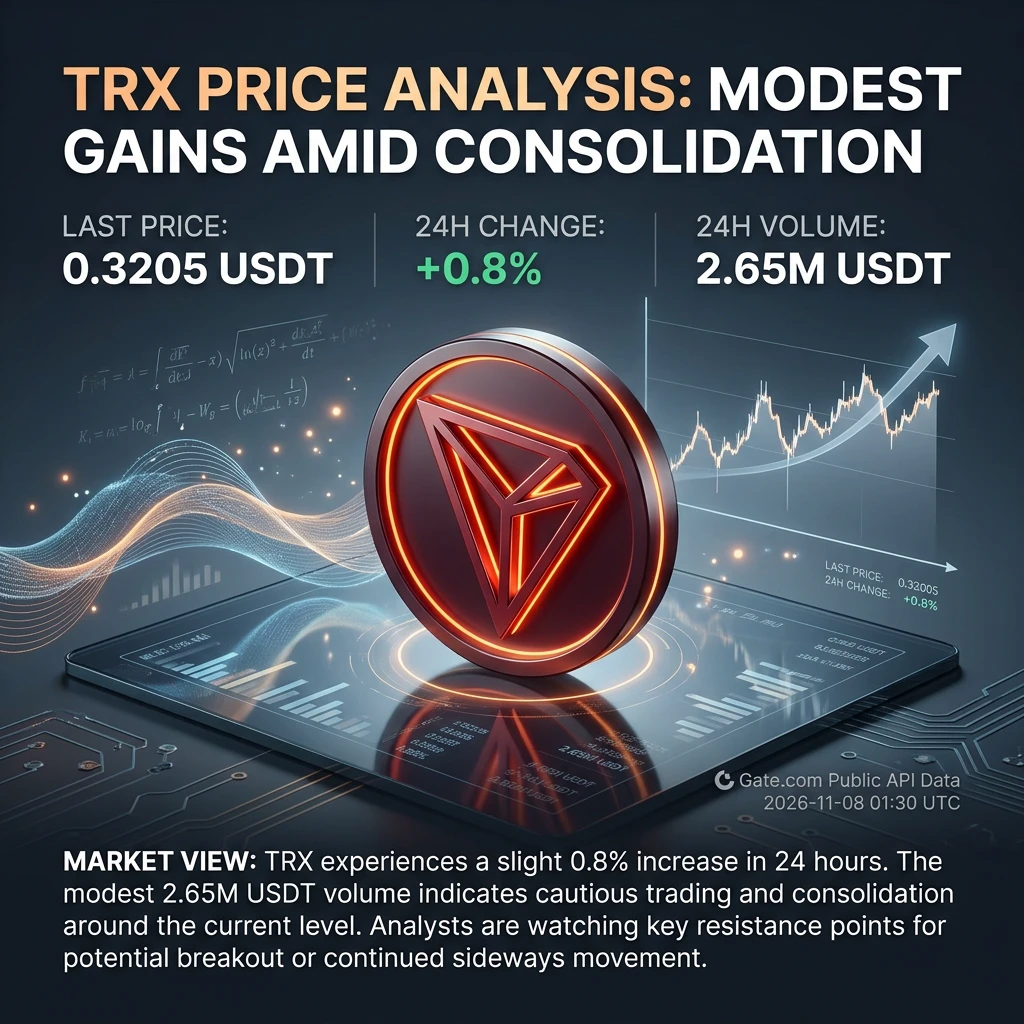
Imagine checking your crypto portfolio in the morning and seeing TRX slightly higher than the previous day. The price has not made a dramatic jump, but it is moving in a positive direction. Is this the beginning of a stronger recovery, or simply a period of normal market movement?

As of November 8, 2026, at 01:30 UTC, TRX/USDT was trading at $0.3205, recording a 24-hour increase of 0.8%. Its 24-hour trading volume was approximately $2.65 million USDT.

This i
post-image
TRX+0.42%
BTC-0.67%
Korean rooftops are packed with people.
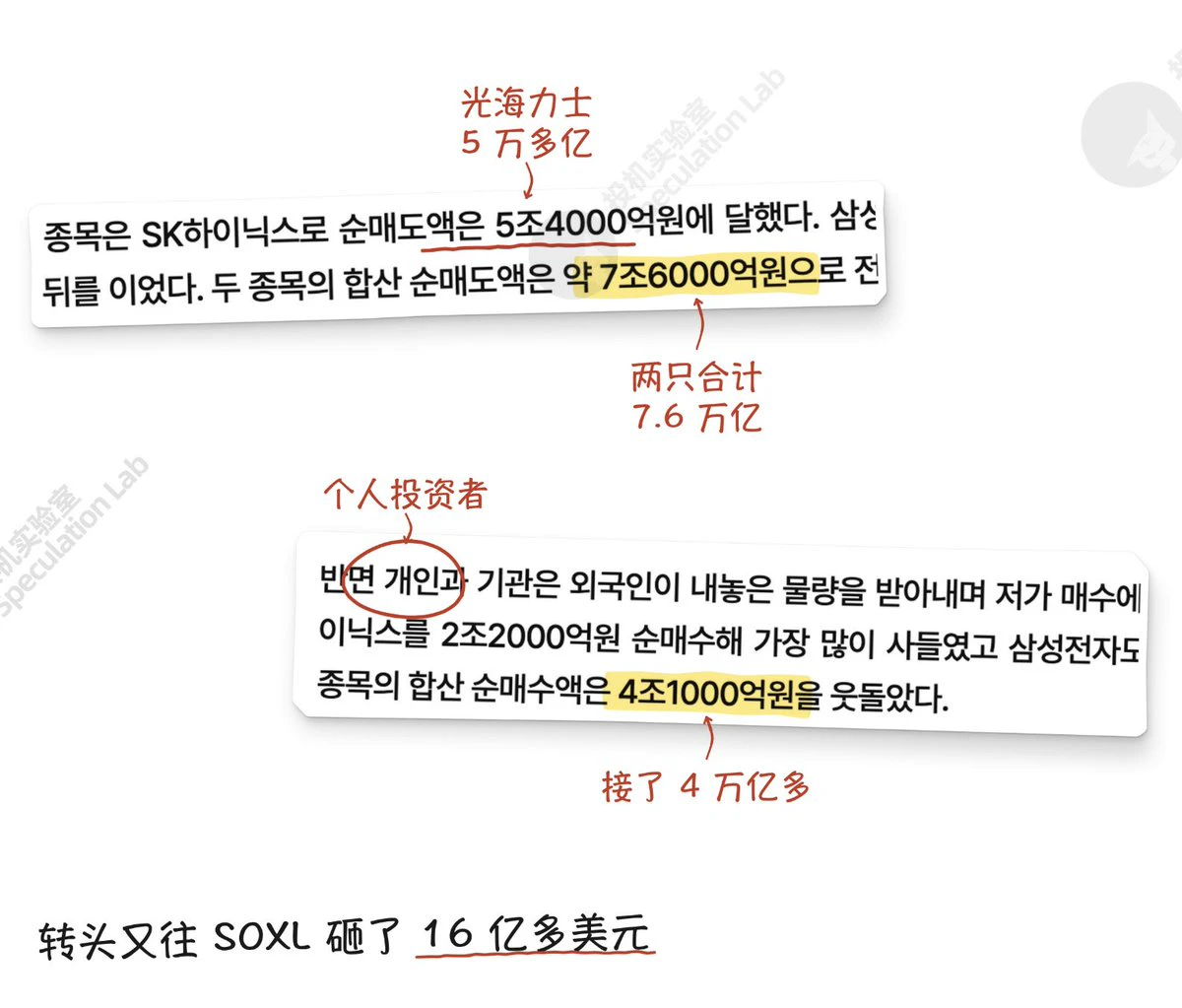
Foreign investors dumped 7.6 trillion won worth of Samsung and Hynix shares this week. Korean retail investors bought the most, then turned around and bought triple-leveraged chip stocks SOXL in the U.S. market🥲
The 7.6 trillion won accounted for more than 70% of foreign investors’ sales in Korean stocks this week, with Hynix alone accounting for more than 5 trillion won.
Korean retail investors bought more than 4 trillion won worth of the two stocks at home, and poured more than $1.6 billion into SOXL in the U.S. market.
Over the week, Samsung fell 16%
post-image
#GateGuardNowAvailableForFree

Gate Guard Is Now Free: A New Layer of Protection, But There Is One Important Catch

Before vs. Now: Security Gets an Upgrade

Imagine checking your Gate account one morning and realizing that protecting your digital assets is not just about setting a strong password anymore. You also need protection against unauthorized access and transfers.

Previously, users mainly depended on their own security settings, verification methods, and account protection habits to reduce these risks. Now, Gate has introduced a new opportunity: eligible users can activate Gate Guar
post-image
  • 3
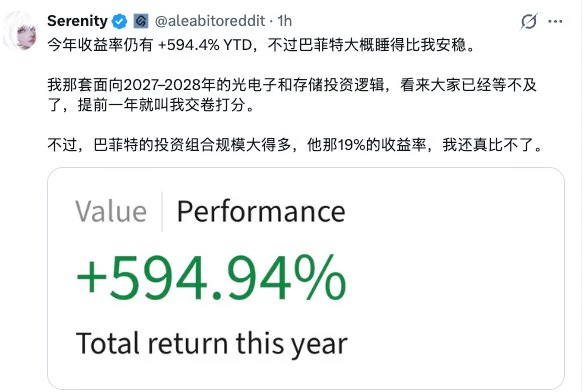
The so-called comparison of “I’m better than Buffett” is utterly shameless
Buffett managed 19% returns for 50 consecutive years, ultimately multiplying his assets 100-fold, 1,000-fold
This AI Bottleneck thing will wipe you out completely in another year
What do you have to compare with Buffett?
This kind of lowbrow rhetoric has actually appeared on the homepages of major KOLs, becoming evidence of how they continue to attract followers and maintain their personas amid this brutal bear market
This is indeed shocking!
😅😅😅
post-image
US stocks plunge across the board, and Bitcoin can’t hold up either! $76k breached—buy the dip or run?

The market really isn’t giving anyone a break this time! Just the day before, investors were celebrating the post-election rally, but the next day US stocks all turned lower, and Bitcoin plunged along with them. Investors’ emotions were on a bigger roller coaster than ever.
On November 5, all three major US stock indexes fell across the board: the Nasdaq plunged 5.52%, the S&P 500 fell 4.36%, and the Dow fell 3.44%. Bitcoin dropped about 6% in tandem, briefly falling below $76k and giving ba
AMD+11.55%
  • 1
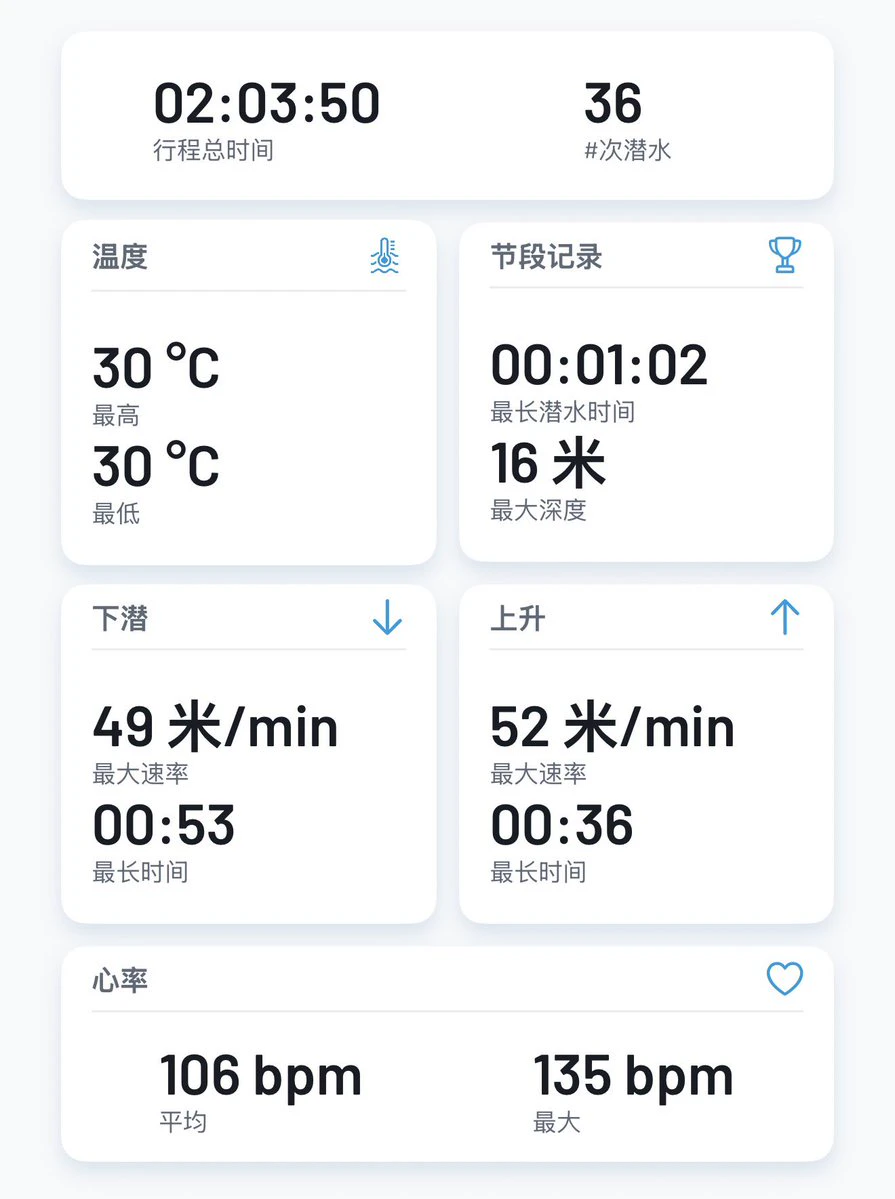
First day of the freediving course, and after 2h the instructor said I could get certified right away😂
Static breath hold of 4 minutes 12 seconds, and I went straight down to 16m on my second dive. Turns out scuba diving really does help with freediving…
For the next two days, I only need to practice or enjoy myself. The other three students in my group still haven’t figured out how to use the Frenzel technique to equalize their ears…
Looks like I can go straight for the 3-star certification exam…
post-image
#StakeOnLaunchpoolToShare450KVLX

Stake on Launchpool: Can 450K VLX Rewards Make Your Existing Crypto Holdings More Useful?

Imagine holding BTC or ETH in your account and seeing an opportunity to earn a new token without having to trade constantly. That is the basic idea behind Gate's latest VLX Launchpool campaign. Instead of focusing only on buying and selling, the campaign introduces a reward-sharing model that gives eligible participants a chance to receive ValueX (VLX) tokens.

But before considering participation, it is important to understand the benefits, limitations, and risks.

Wha
post-image
VLX+0.00%
  • 2
Load More

Join 40 M users in our growing community

⚡️ Join 40 M users in the crypto craze discussion

💬 Engage with your favorite top creators

👍 See what interests you

Trending Topics

USCPIDataIncoming

188 Views1.46k Discussing

The U.S. October CPI report will be released on November 10 at 8:30 a.m. ET. September CPI came in at 3.7% year over year, and markets will be watching closely for signs that inflation is cooling, especially in core CPI. A softer-than-expected reading could strengthen rate-cut expectations, while hotter inflation may pressure risk assets through higher Treasury yields and a stronger dollar. How do you think this CPI print will move $BTC, U.S. stocks and gold?

USAIStocksHitHard

23.2k Views3.69k Discussing

USNonfarmPayrolls

39.23k Views4.37k Discussing

View More