





Square
Following
Hot
News
Notifications
Profile
Share your thoughts
placeholder
Article
Many traders analyzing BTC price action tend to focus only on price movements while ignoring the information conveyed by trading volume and technical indicators. In reality, sometimes the price still appears to be rising, while upward momentum within the market may already be weakening. This phenomenon is called a price-volume divergence.

So, how should you read price-volume divergence?

First, bearish divergence at the top. When the BTC price keeps reaching new highs but trading volume gradually declines, or indicators such as RSI and MACD fail to reach new highs in tandem, it may indicate t
post-image
BTC-0.67%
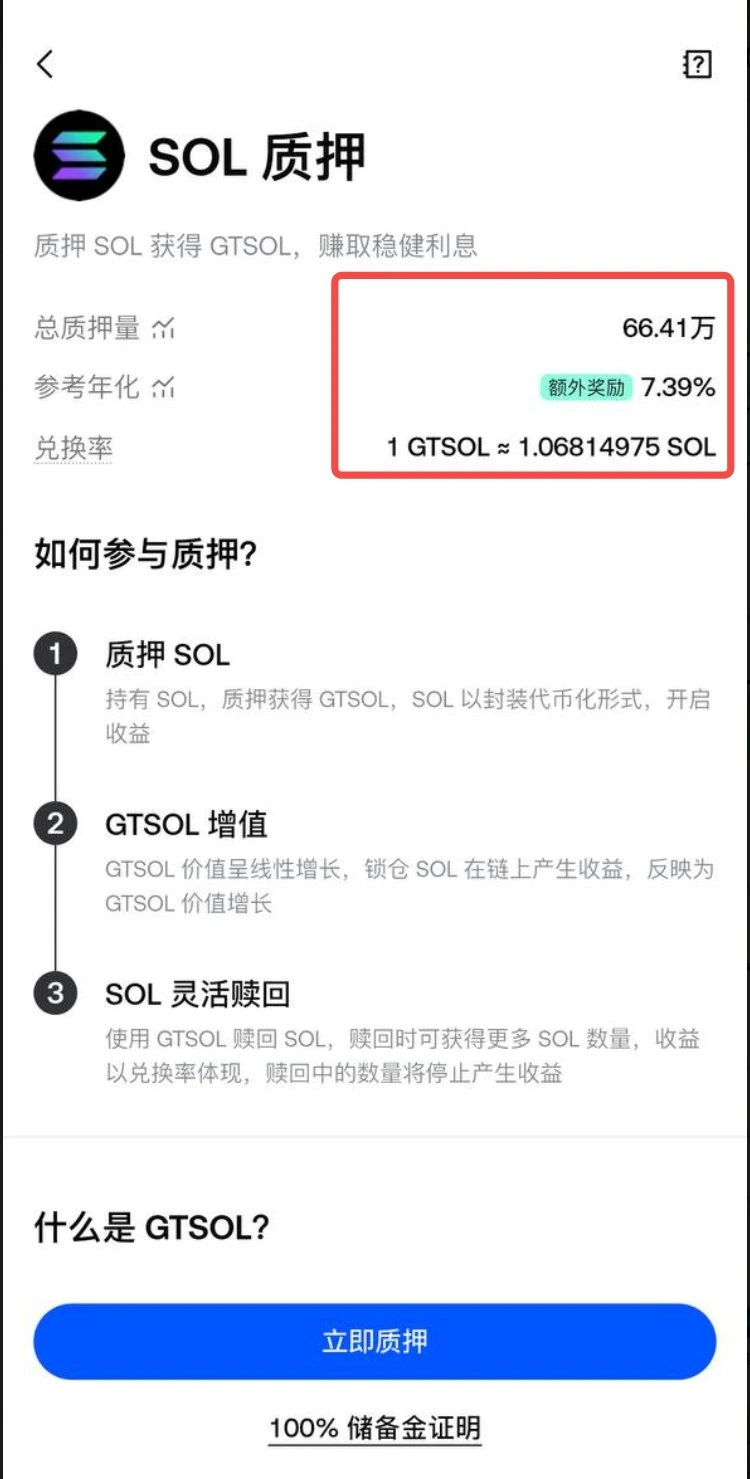
I took a look at Gate’s latest wealth management data: the amount of SOL staked on Gate has risen to 664.1k, and its reference annualized yield of 7.39% is highly attractive among major coins! Of course, for those who prefer lower risk, GUSD (3.20%), ETH (4.08%), and BTC (2.67%) on our platform are also excellent safe havens.

Don’t let your assets sit idle—earning interest every day is the way to go. If you have a large amount of capital and need portfolio allocation or would like to apply for a VIP yield-boost channel, feel free to DM me anytime!
‍#GateVIP #加密理财 #SOL
post-image
SOL-0.77%
GUSD+0.00%
ETH-1.26%
BTC-0.67%
Trenches
mihao
m
bade
b
mihao
4Cxj...pump
Market Cap
$.
Change
.
24h Vol
$.
Holders
.
HOLD
H
bade
b
HOLD
4iJ7...pump
Market Cap
$.
Change
.
24h Vol
$.
Holders
.
X
X
bade
b
X
9VZe...pump
Market Cap
$.
Change
.
24h Vol
$.
Holders
.
PIEVERSE
P
bade
b
PIEVERSE
0x0e...25a9
Market Cap
$.
Change
.
24h Vol
$.
Holders
.
DacityCoin
D
bade
b
DacityCoin
DKYc...pump
Market Cap
$.
Change
.
24h Vol
$.
Holders
.
Has the next major Crypto sector already emerged? Prediction markets may be bigger than you think!

If the previous Crypto cycle was centered on trading assets, the next one may be about trading events.
This change sounds small, but the market opportunity behind it is entirely different.
There is only one Bitcoin, and the number of major tokens is limited. But the real world produces new events every day: policy changes, corporate decisions, sporting events, technological breakthroughs, economic data, and international developments.
As long as an event has a clear outcome, it can generate dema
SPCX+0.72%
  • 15
Why Is Position Sizing Sometimes More Important Than Being Right About the Market?

Many traders devote a great deal of time to analyzing the market: when to buy, when to sell, and whether prices will rise or fall next.

But one question is often overlooked:

Even if you get the direction right, an unreasonable position size can still lead to a poor outcome.

Trading results depend not only on whether your judgment is correct, but also on how much capital you put in, how much risk you take, and whether you can withstand the loss if you are wrong.

I. The Same Judgment Can Lead to Very Differen
post-image
Are Higher Returns Always Better? How to Balance Returns and Risk

In the cryptocurrency market, we often see all kinds of enticing opportunities: high annualized yields, staking rewards, liquidity mining, and new projects that appear to have huge growth potential.

But one question deserves serious thought:

If two investment opportunities have different expected returns, how should we decide which one deserves more attention?

The answer is not simply to choose the one with the higher return. Returns are only one part of an investment decision. Risk, liquidity, sources of returns, and potent
post-image
🔹Ethereum On-Chain Signatures Carry Hidden Risks! One phishing approval costs a user $300,000. How
live-cover
LIVE1,731
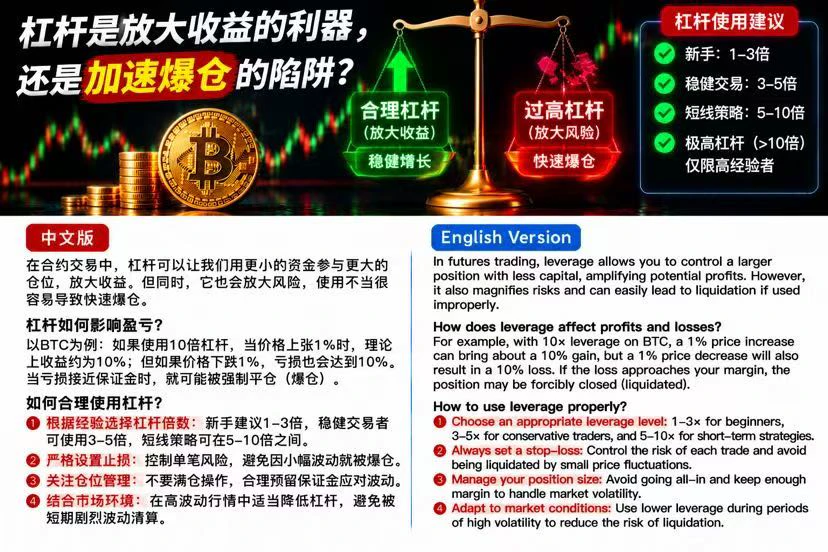
In crypto contract trading, leverage has always been one of the most exciting tools—and one of the costliest.

Many people think that with 10x leverage, a 1% rise in BTC will earn them a 10% return. But they often overlook another fact: if the price moves 1% in the opposite direction, their losses are amplified just as much.

So how should leverage be understood?

First, leverage amplifies your position, not your trading ability. Even if you correctly predict the market direction, an unreasonable entry point could still expose you to serious losses from short-term price fluctuations.

Second,
post-image
BTC-0.65%
$SOL After forming a bearish CHoCH structure around 82.80, bullish momentum has clearly faded, and the market has officially weakened. Price is currently held below EMA 20 and EMA 50, with bears fully in control. The trading approach is clear—wait for a rebound into the resistance zone before entering short positions; do not chase the decline.

Staggered entry references: Tier 1: 82.80 – 82.90 Tier 2: 83.15 – 83.25 Tier 3: 83.35 – 83.55
Targets: First target: 82.25 Second target: 81.65 Final target: 80.30
Protective stop-loss: 83.75
Risk warning: The above is only a personal market view and d
post-image
SOL-0.74%
#StakeOnLaunchpoolToShare450KVLX $VLX ‍#DailyStandouts #ShareWeekly #WCTCS9
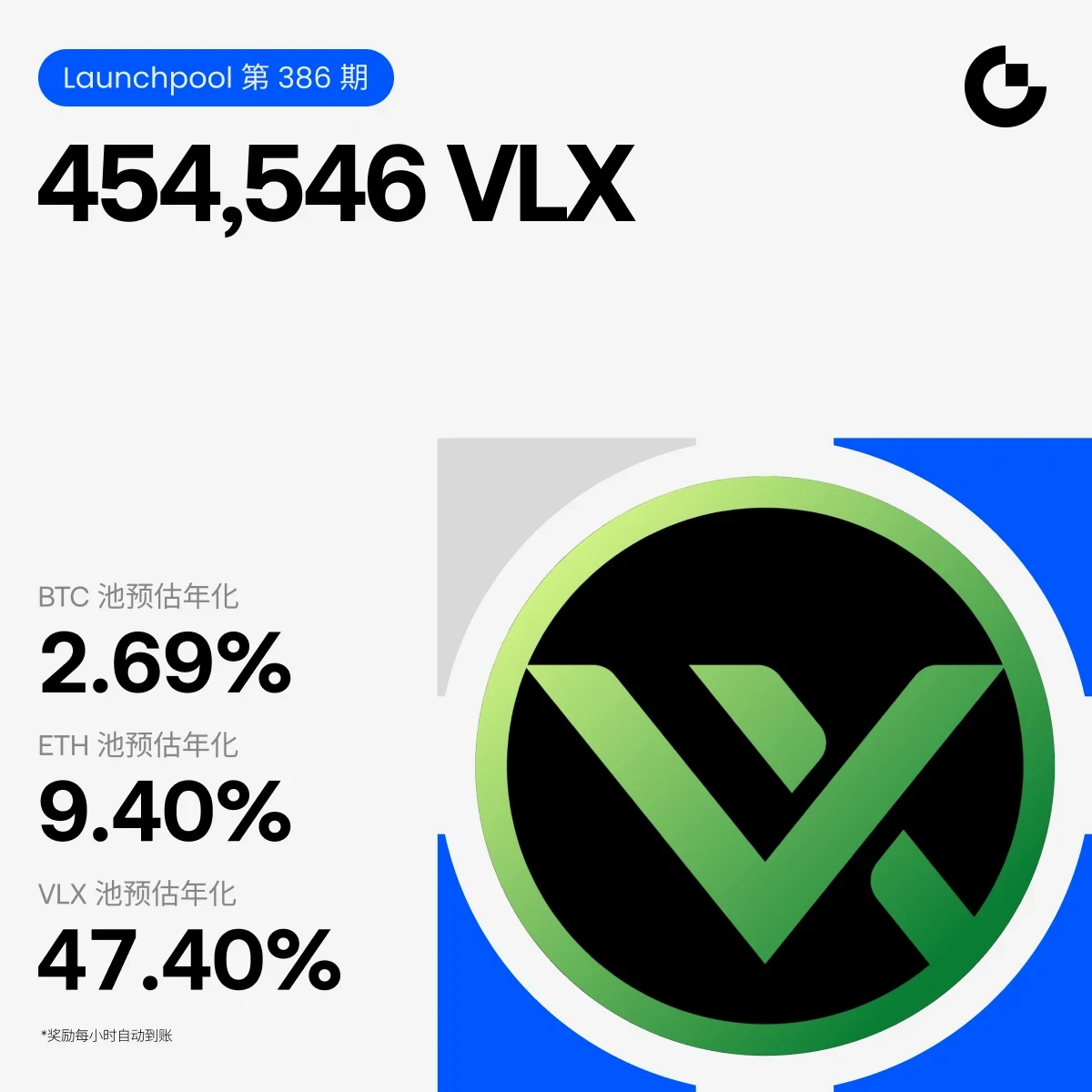
A Launchpool headline can look attractive when it advertises an estimated APR of up to 47.40%, but the more useful question is how the rewards are actually distributed and what participants are giving up by staking their existing assets.

Gate Launchpool Round #386 offers a total of 454,546 VLX rewards across three separate pools. The campaign runs from November 7 to November 21, 2026, with BTC, ETH and VLX as the supported staking assets.

The reward pool is divided into three parts

The allocation is not shared equ
post-image
Crypto_Buzz_with_Alex
#StakeOnLaunchpoolToShare450KVLX $VLX
‍#DailyStandouts #ShareWeekly #WCTCS9
A headline APR can attract attention, but the real question is how much of the reward pool each participant can actually earn.

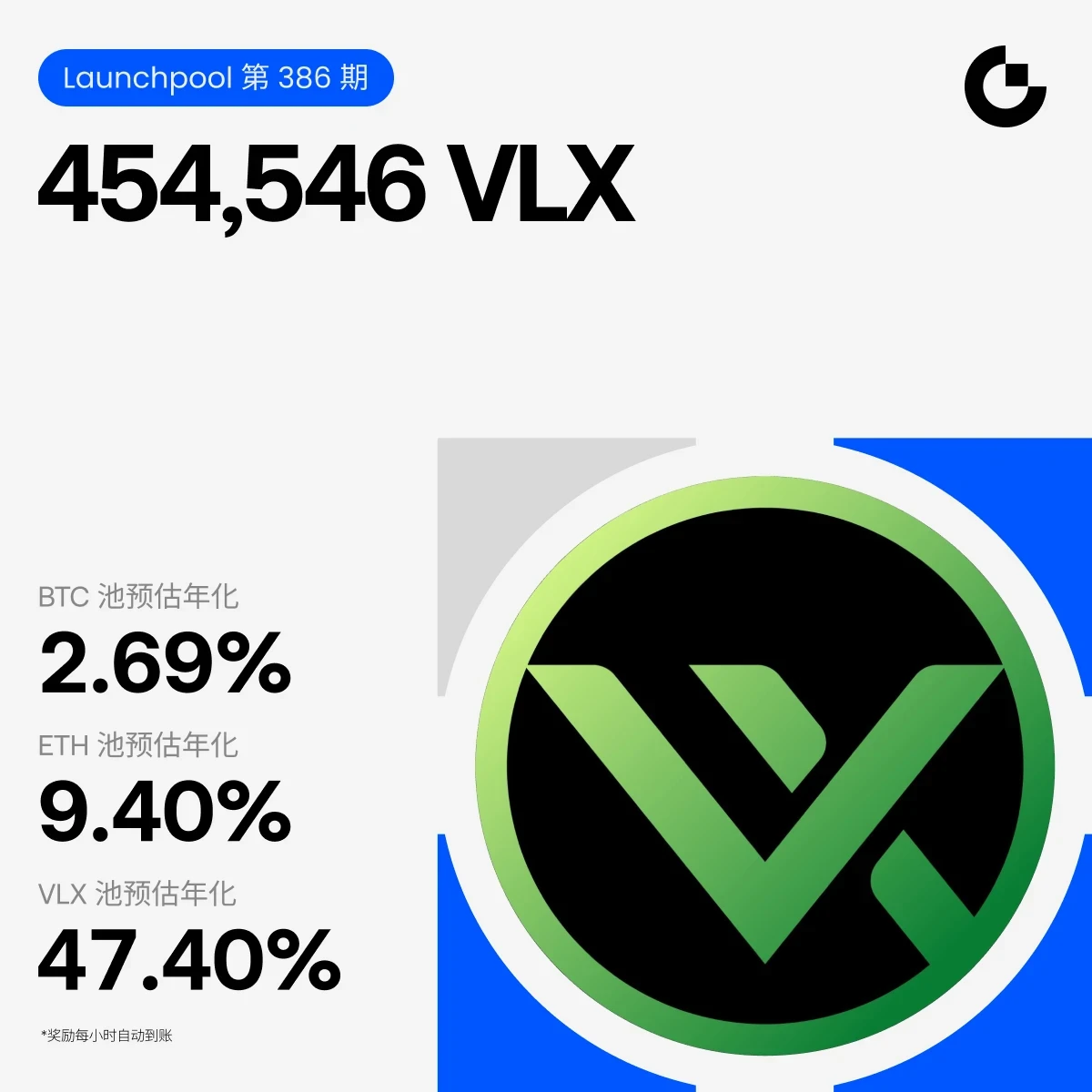
Gate Launchpool Round #386 features ValueX (VLX), offering a total of 454,546 VLX in rewards for users staking BTC, ETH or VLX. The campaign runs from November 7 to November 21, 2026, with rewards distributed hourly.

At first glance, the estimated APR of up to 47.40% looks attractive. However, I would look beyond that headline number before deciding whether the opportunity makes sense.

How the reward pool is divided

The total allocation is split across three separate pools:

BTC staking: 181,818 VLX

ETH staking: 181,818 VLX

VLX staking: 90,910 VLX

This means BTC and ETH each receive a larger share of the total rewards, while the VLX pool has a smaller allocation.

Your actual reward depends on your proportion of the eligible assets in the relevant pool, the time you participate and the applicable hourly reward limits.

There is also an important distinction between earning rewards in VLX and earning a guaranteed return in dollar terms. The amount of VLX distributed may be predictable at the pool level, but its market value can change significantly.

Why the APR keeps changing

The 47.40% figure was the initial estimated APR promoted for this round. Gate later published another update showing an estimate of up to 112.09%.

That difference is a reminder that APR is not a fixed promise.

The estimate can change with participation levels, reward calculations and the market price of VLX. A higher displayed APR does not automatically mean every participant will receive that rate.

Rewards are distributed hourly to spot accounts, but the token price at the time you sell determines the actual value you realise.

The new BTC and ETH staking limits

One interesting feature is the dynamic staking cap.

For BTC and ETH pools, the individual staking limit unlocks at a 1:1 ratio based on net deposits. In simple terms, a qualifying net deposit of 0.1 ETH can unlock a 0.1 ETH staking limit.

This creates a direct relationship between net deposits and participation capacity. But users should understand that deposits and withdrawals both affect the net-deposit calculation.

It is a participation mechanism, not an additional yield guarantee.

The risk behind VLX

ValueX describes itself as an Avalanche-based, EVM-compatible infrastructure project focused on the carbon economy, including measurement, reporting and verification of environmental activity.

That is an interesting use case, but the long-term value of VLX will depend on real adoption, network activity, token demand and execution.

There are also practical risks: VLX price volatility, limited liquidity, project development uncertainty and the possibility that the token's market value falls more than the rewards earned.

My Take

I see this Launchpool as a reward-distribution opportunity, not a guaranteed high-return investment.

The BTC and ETH pools may appeal to users who prefer earning a new token without directly buying it, while the VLX pool carries more direct exposure to the project's own token.

Personally, I would compare the expected VLX rewards with the market risk of the asset being staked and the possibility of VLX losing value.

What matters more to you in this Launchpool: the estimated APR, the flexibility of staking BTC and ETH, or VLX's long-term project potential?

Not financial advice.
repost-content-media
VLX+0.00%
  • 5
Are Higher Returns Always Better? How to Think About Balancing Returns and Risk

In the cryptocurrency market, we often come across all kinds of tempting opportunities: high annualized returns, staking rewards, liquidity mining, and new projects that seem to have huge growth potential.

But there is a question worth serious consideration:

If two investment opportunities have different expected returns, how should we decide which one deserves more attention?

The answer is not simply to choose the one with the higher return. Returns are only one part of an investment decision. Risk, liquidity,
post-image
🔹Ethereum On-Chain Signatures Carry Hidden Risks! One phishing approval costs a user $300,000. How
live-cover
LIVE1,690
Anthropic Hits a $1.4 Trillion Valuation! AI Bubble or Supercycle? The Market Is Giving Its Answer.

Every technological revolution brings up a familiar question: Is this a genuine industry boom, or a valuation bubble manufactured by capital?
That was true in the internet era and the mobile internet era, and now AI faces the same debate.
Anthropic's push toward a $1.4 trillion valuation shows that capital markets are still willing to pay a hefty premium for AI's future.
Supporters see a productivity revolution: AI can help businesses cut costs and boost efficiency, and even change traditional
NVDA-5.47%
  • 15
#GateLiveNovemberStreamer Comeback Event Is in Full Swing!

🎙️ Exclusive rewards for returning streamers!
💰 Win up to 30 USDT in cash on the comeback leaderboard
👑 Go live to unlock VIP5 trial benefits + traffic support
🔥 Stream more to earn cash rewards & homepage exposure
🎁 Exclusive Red Packet Rain to boost engagement & followers!

⏰ Event Period: November 1–30
👉 Register Now: gate.com/questionnaire/…
📢 Event Details: gate.com/announcements/…
#GateLive #StreamerComeback
post-image
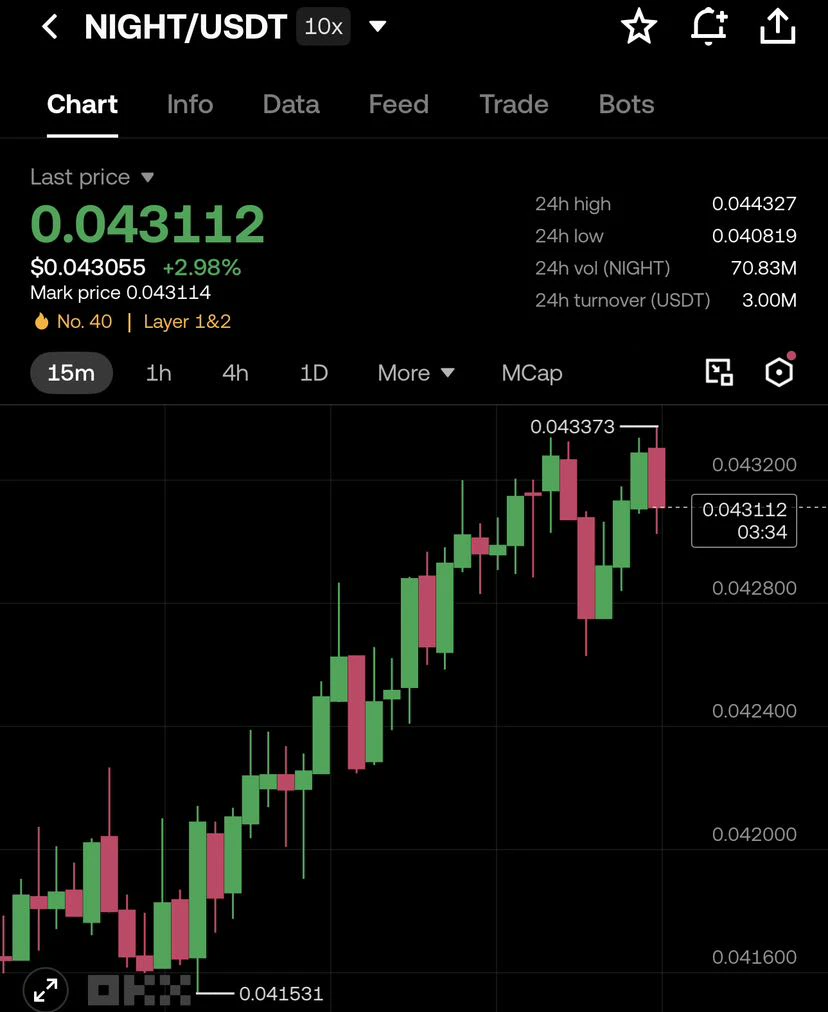
$NIGHT is showing strong bullish momentum on the 15-minute timeframe, with price trading around $0.04311 and gaining nearly 3% over the last 24 hours.

The chart reflects a clear upward structure, supported by consecutive higher highs and higher lows.

Key Levels to Watch:

* Resistance: $0.04337
* Immediate Support: $0.04280
* Major Support: $0.04153

A confirmed breakout above $0.04337 could open the door for another upward move.
#USAICStocksFallBroadly #GateGlobalComplianceExpansion
post-image
NIGHT-3.10%
  • 1
Many people have had this experience: when a bull market arrives, BTC rises 10%, while some altcoins rise 30% or even more. But when the market starts falling and BTC pulls back 10%, some altcoins may plunge 30% or even more.

Why does this happen?

First, differences in market capitalization are an important reason. Compared with BTC, many altcoins have smaller market caps and relatively limited market depth. Even small inflows or outflows can cause more pronounced price swings.

Second, altcoins are more sensitive to market sentiment. When prices rise, investors are willing to take on more r
post-image
BTC-0.67%
#BTC #ALTCOIN
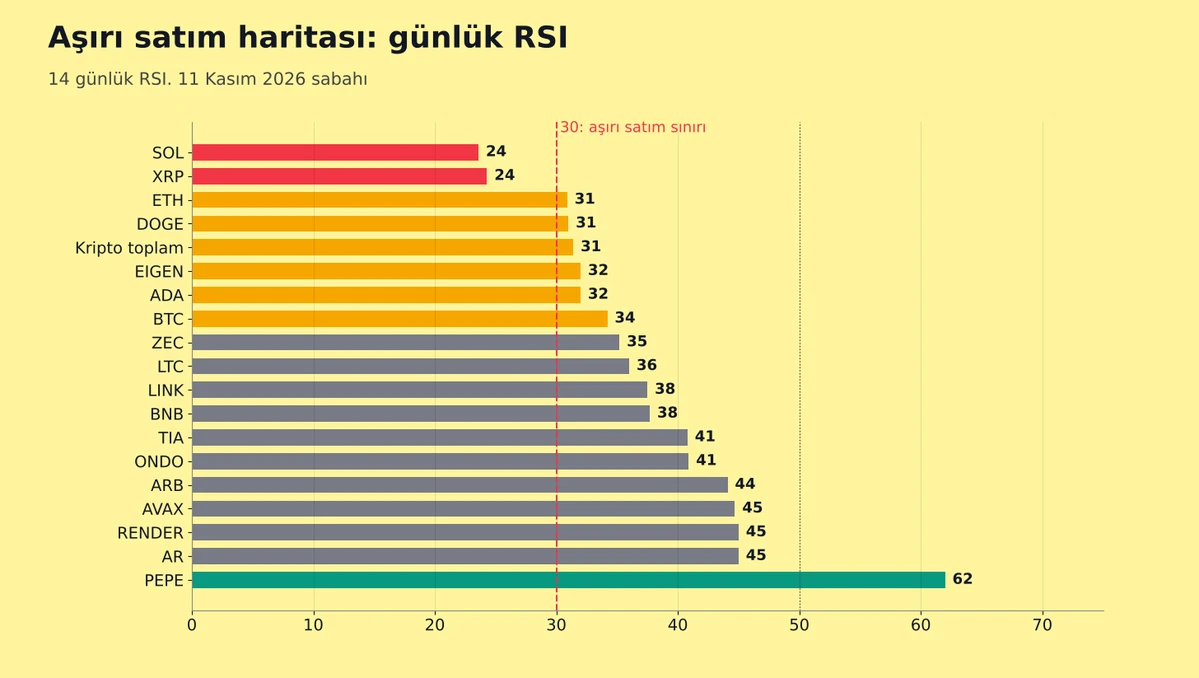
Oversold map.
Friends, this morning's market outlook based on the daily RSI:
Below 30, oversold: SOL 24, XRP 24.
Between 30 and 35, borderline: ETH 31, DOGE 31, total crypto market cap 31, ADA 32, EIGEN 32, Bitcoin $BTC 34.
Between 35 and 40: ZEC 35, LTC 36, LINK 38, BNB 38.
Between 40 and 50: TIA 41, ONDO 41, ARB 44, AVAX 45, AR 45, RENDER 45.
Only one coin is above 50: PEPE 62.
Oversold alone isn't a reversal signal; prices can stay in this zone for days. But it shows where selling is most exhausted.
Keep watching.
Not investment advice.
post-image
BTC-0.67%
SOL-0.77%
XRP-1.15%
ETH-1.26%
DOGE-0.22%
🚨 #BREAKING:
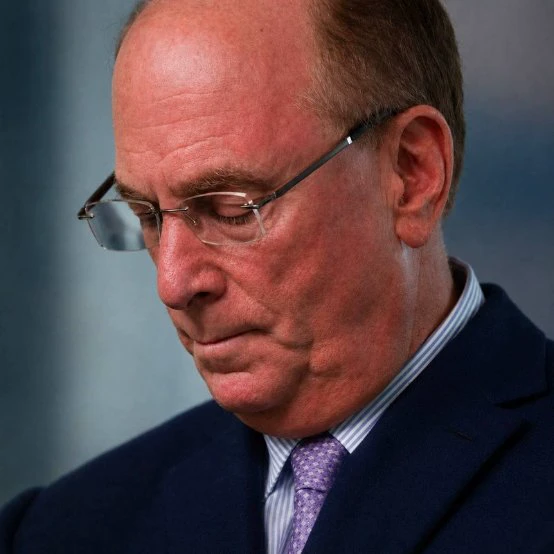
🇺🇸 BlackRock and other Bitcoin ETFs have sold $95 million worth of BTC, adding fresh selling pressure to the market.
post-image
BLK+0.59%
BTC-0.67%
Why might a trading strategy that performs well in backtests fail in the real market?

A trading strategy may show strong historical returns, a high win rate, and a maximum drawdown within an acceptable range. Why, then, might the results be completely different once it is actually deployed in the market?

This does not necessarily mean backtesting is worthless. Rather, performance on historical data is not the same as returns that can be replicated in live trading.

To determine whether a strategy is truly effective, you need to understand several key issues behind the backtest results.

I. D
post-image
Could the most valuable companies of the future be more than just OpenAI and Anthropic?

Anthropic's push toward a $1.4 trillion valuation is reminding the market once again that AI may be becoming the core infrastructure of the next-generation tech economy.
But the true winners of the future may not be limited to model companies.
The AI industry chain is taking shape across multiple layers of value: chips, computing networks, data centers, foundation models, enterprise applications, and intelligent agents.
Model companies create capabilities, infrastructure companies provide resources, and ap
AMD+1.27%
  • 15
Why can a trading strategy’s returns look stable while hiding significant risks?

A trading strategy earns a little each day, posts multiple consecutive wins, and rarely incurs losses.

At first glance, this seems like a very stable strategy.

But if the market suddenly reverses, the profits accumulated so far may quickly disappear, or even turn into losses far greater than expected.

Why does this happen?

Because stable returns do not mean low risk, and a high win rate does not guarantee long-term profitability.

To determine whether a strategy is reliable, you need to look at the risk struc
post-image
Load More

Join 40 M users in our growing community

⚡️ Join 40 M users in the crypto craze discussion

💬 Engage with your favorite top creators

👍 See what interests you

Trending Topics

GateGlobalComplianceExpansion

14.19k Views335 Discussing

Gate continues to expand its global compliance footprint, now covering 81 regulated jurisdictions across Europe, North America, Asia, and Oceania. From MiCA and U.S. state-level MTLs to Japan’s FSA, Dubai, and Australia-related regulatory approvals, global exchanges are entering a new stage of compliance competition. Do you think regulatory strength will become as important as products and liquidity for exchanges in the future?

USOctoberCPIBeatsExpectations

83.14k Views2.59k Discussing

AnthropicIPOValuationCouldReach1.4T

10.75k Views1.59k Discussing

View More