#GateGlobalComplianceExpansion Beyond One Licence: How Gate Is Building a Multi-Jurisdiction Regulatory Footprint
A global digital-asset platform cannot rely on a single regulatory approval to serve every market. Different jurisdictions regulate different activities: crypto exchanges, custody, payment services, digital-asset transfers and proprietary trading all come with separate legal requirements.
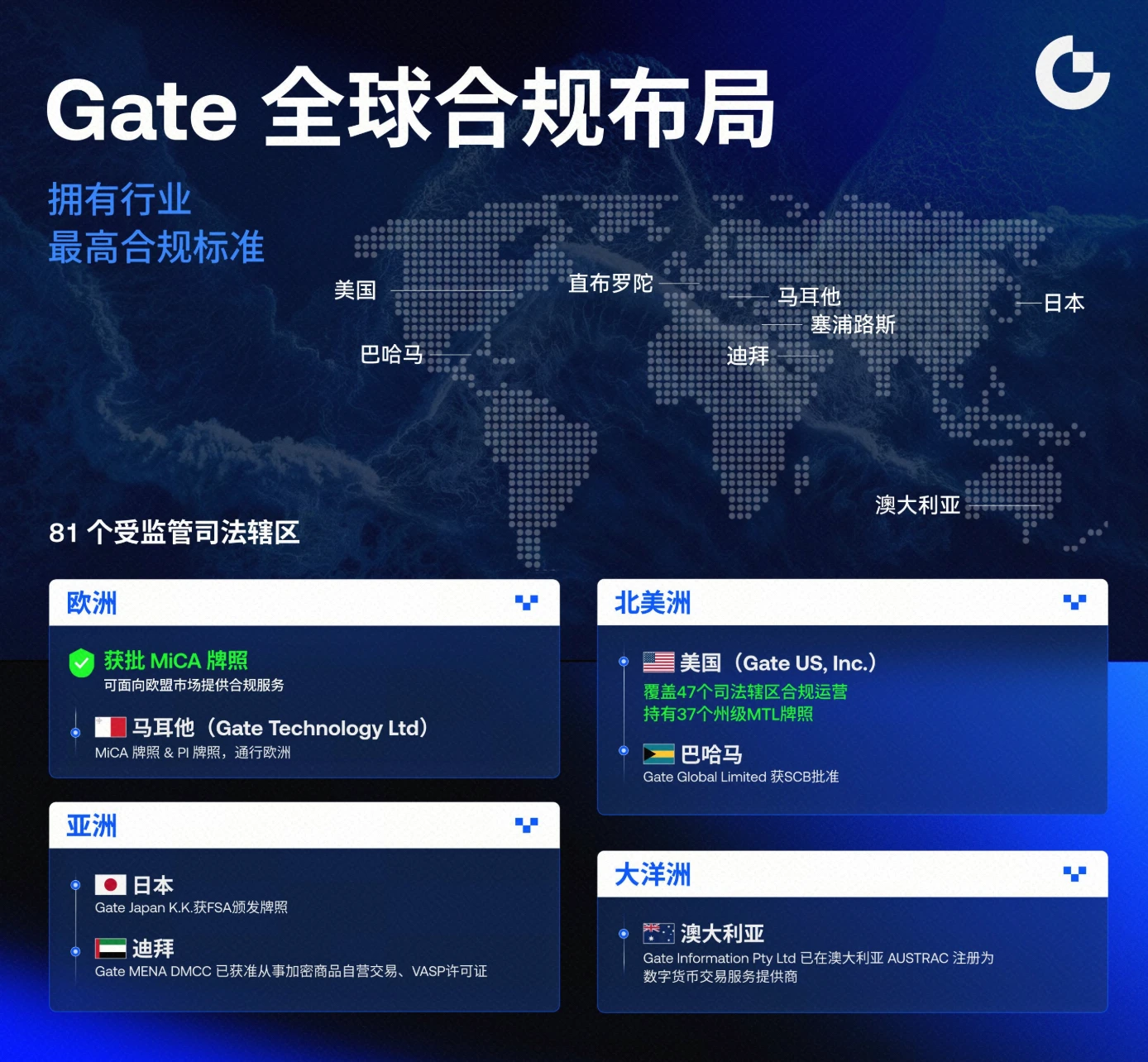
Gate's expansion is interesting because its regulatory footprint involves multiple legal entities and several different types of authorisation. The most significant developments are Malta's combination of MiCA and payment-institution permissions, Dubai's active VARA exchange licence, and additional registrations or approvals across Asia-Pacific, the Bahamas and other financial centres.
The important distinction is that these permissions do not all authorise the same services.
Malta: Two regulatory permissions covering different financial activities
Gate Technology Ltd is the central European example.
Under MiCA, the Malta Financial Services Authority authorised the company as a Crypto-Asset Service Provider under authorisation ID GTEC-25238.
The permission covers specific crypto-asset services, including operating a trading platform, exchanging crypto-assets for funds or other crypto-assets, executing client orders, custody and administration, and transferring crypto-assets on behalf of clients.
This is significant because it establishes a regulated framework for several core exchange and digital-asset services rather than relying on a general company registration.
Gate Technology Ltd also obtained Financial Institution authorisation under ID GTEC-25926, associated with PSD2-related payment services. Gate announced this milestone on March 20, 2026, highlighting the potential to expand eligible payment services through European passporting.
These are two distinct regulatory functions: MiCA addresses crypto-asset services, while the financial-institution authorisation covers specified payment activities. One should not be confused with the other.
Dubai: An active VARA licence with a defined exchange scope
Gate Technology FZE received its Virtual Asset Service Provider licence from Dubai's Virtual Assets Regulatory Authority on April 25, 2025.
Its reference is VL/25/04/007, and VARA's public register lists the status as Active.
The authorised activity is Exchange Services. Gate's Dubai disclosure further specifies that the permitted offering is virtual-asset spot trading, subject to the licence conditions and applicable customer eligibility requirements.
This distinction matters. An active exchange licence is meaningful regulatory evidence, but it does not automatically authorise every possible product, including derivatives, lending or other services outside the approved scope.
Asia-Pacific: Registration under local digital-currency frameworks
Australia and Japan demonstrate two different approaches.
Gate Information Pty Ltd is registered with AUSTRAC as a Digital Currency Exchange Provider. This places the entity within Australia's anti-money-laundering and counter-terrorism-financing regulatory framework for its registered exchange activity.
In Japan, Gate Japan K.K. holds cryptocurrency exchange operator registration number 00018 with the Financial Services Agency.
Japan's registration is particularly relevant because the country operates a specific framework for cryptocurrency exchange operators. It should be understood as an entity-specific exchange registration, not a universal authorisation for every Gate product.
The Bahamas: Approval for defined digital-asset business
Gate Global Limited received approval from the Securities Commission of The Bahamas for digital-asset business activities.
The disclosed scope includes digital-asset-to-fiat exchanges, operating one or more digital-asset exchanges, and digital-asset transfer services.
This approval adds another jurisdiction to Gate's international regulatory footprint, but its permitted activities should remain tied to the Bahamas entity and the conditions of its approval.
Gibraltar and Hong Kong: Specialist permissions, not general exchange licences
Two additional entities illustrate why regulatory classification matters.
Hippo Capital Co. Limited received permission from the Gibraltar Financial Services Commission to operate as a Distributed Ledger Technology provider. Gate's regulatory disclosure identifies specified broker/dealer and custody-related services involving digital currencies.
Hippo Financial Services Limited holds a Hong Kong Trust or Company Service Provider licence, number TC008572. This is a TCSP permission covering specified trust or company service provider activities; it should not be represented as a general virtual-asset exchange licence.
These permissions contribute to the wider structure, but they serve narrower regulatory purposes than a full crypto-asset trading-platform authorisation.
Dubai DMCC: Proprietary trading is a separate category
Gate MENA DMCC is permitted to conduct proprietary trading in crypto commodities.
The word proprietary is important: this concerns trading on the entity's own account. It should not be confused with permission to operate a customer-facing virtual-asset exchange or provide every type of crypto service.
Why the 60-million-user milestone matters
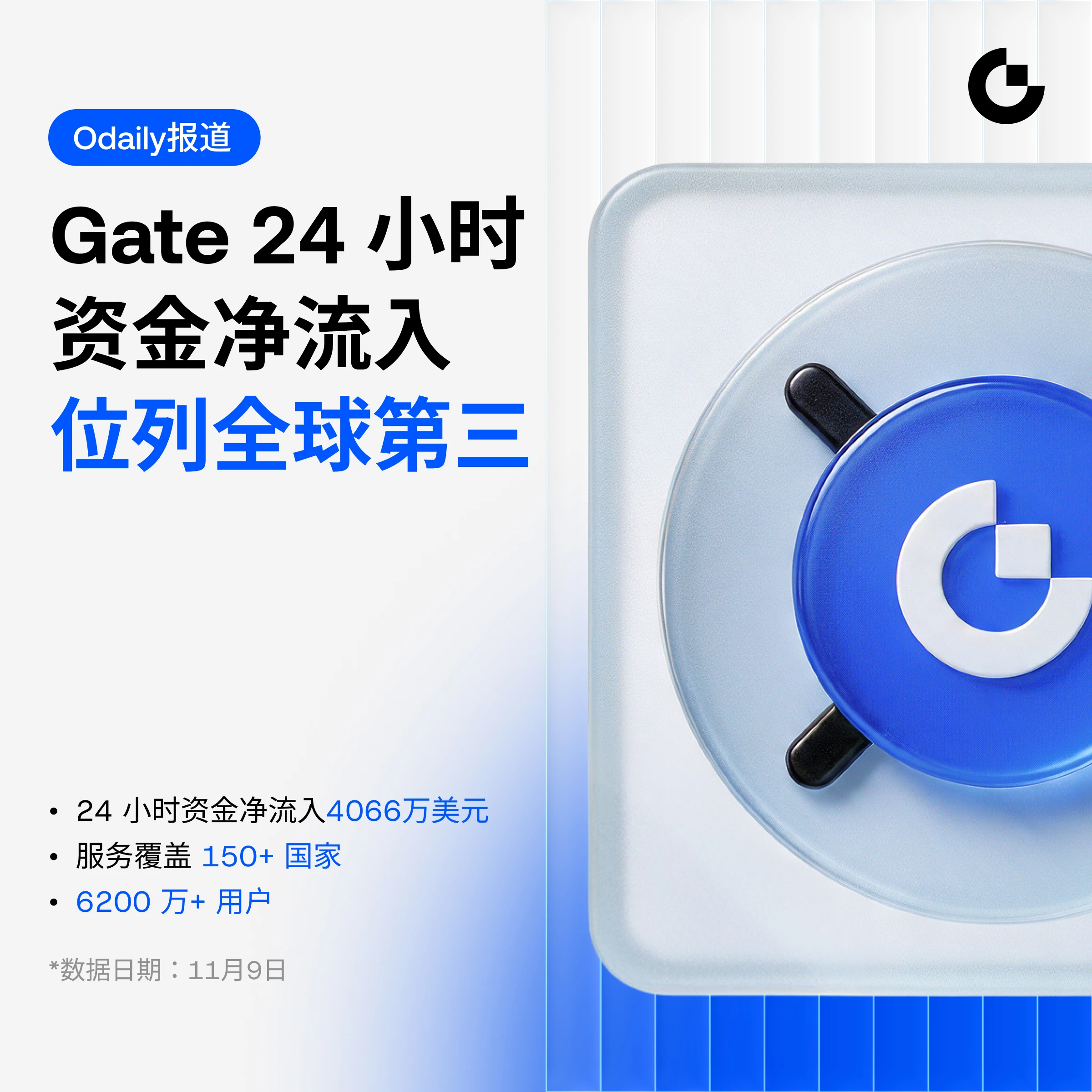
On September 2, 2026, Gate announced that its registered user base had surpassed 60 million.
That milestone gives the compliance expansion broader context. As a platform grows across regions and adds more financial products, its operating structure must account for different regulators, legal entities, customer categories and permitted activities.
The significance is not simply the number of registrations. It is whether the regulatory framework can support the specific services being offered in each market while maintaining clear legal responsibility.
My assessment: Regulatory depth matters more than licence count
Gate's strongest evidence is the combination of Malta's MiCA authorisation and separate payment permission, alongside Dubai's active VARA Exchange Services licence. Japan's exchange registration and Australia's AUSTRAC registration add further jurisdiction-specific coverage, while the Bahamas, Gibraltar, Hong Kong and DMCC contribute additional defined activities.
There is an important limitation: a licence held by one Gate entity cannot automatically be transferred to another entity, country or product. Nor does a registration necessarily carry the same regulatory protections or scope as a full financial-services authorisation.
That is why I would evaluate Gate's global expansion through four questions: Which legal entity holds the permission? Which regulator issued it? What activities are actually authorised? And is the status currently active?
The long-term value of this expansion will depend on how effectively Gate connects its international operations with the correct regulatory permissions not simply how many jurisdictions appear on a compliance list.
A global platform needs more than worldwide reach. It needs a regulatory structure in which every service has the right legal foundation.