The crypto market can generate massive profits as well as drastic losses due to three main factors:
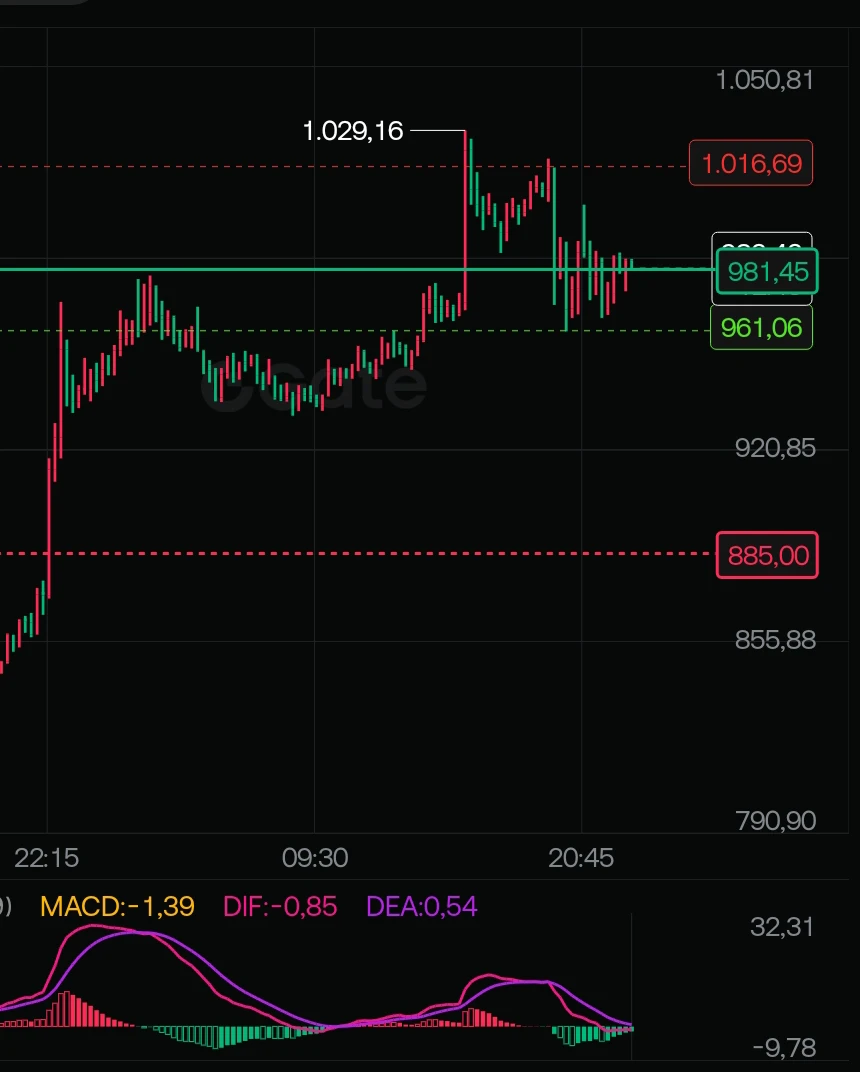
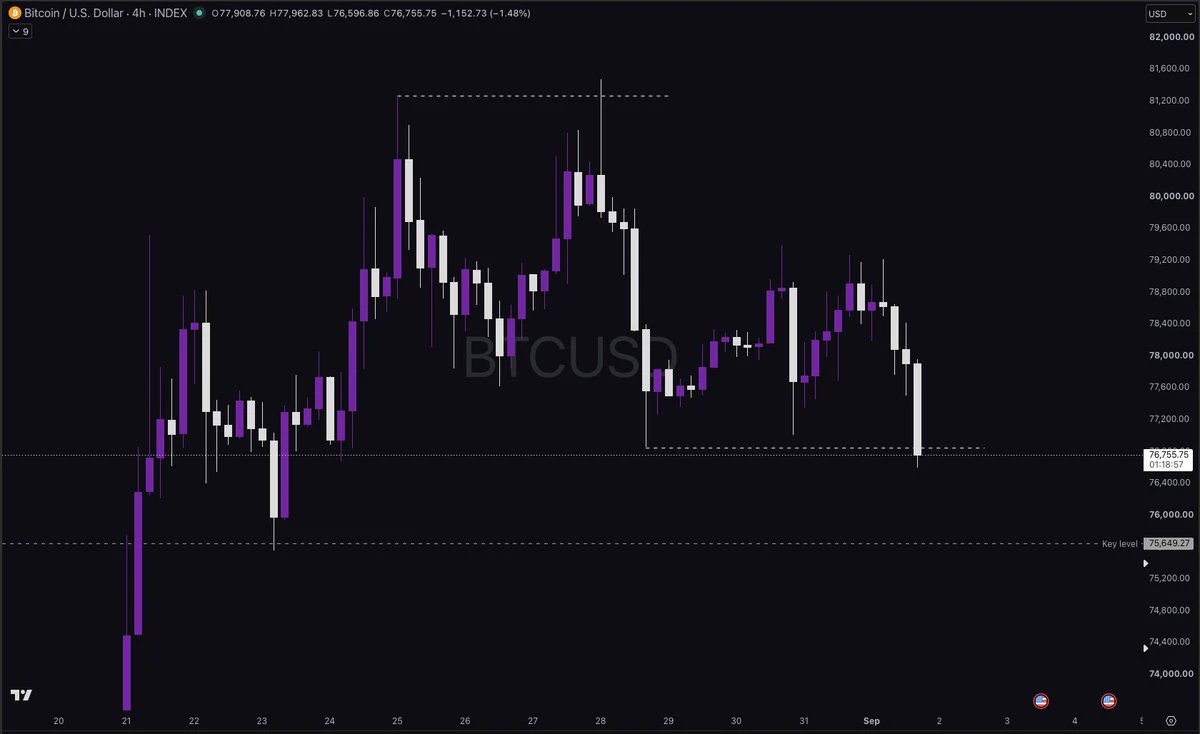
High Volatility: Crypto prices are driven by speculation and market sentiment, not conventional business fundamentals such as corporate financial reports. Regulatory news, technology adoption, and even tweets from public figures can trigger price increases or decreases of dozens of percent within hours.
24/7 Trading and Global Market: Unlike stock markets, which have operating hours, the crypto market operates nonstop worldwide. Transactions occur instantly, causing liquidity to move extremely quickly and market reactions to rumors to become far more extreme.
Leverage Feature (Stove Feature): Crypto trading platforms often provide capital borrowing facilities (leverage). This feature allows traders to bet with multiplied capital. If the prediction is correct, profits are multiplied; however, if the market moves even slightly in the opposite direction, the entire capital can disappear instantly (liquidation).
In short, the crypto market is a high-risk, high-return ecosystem. The opportunity for substantial profits arises from extremely rapid price fluctuations, but the potential to lose the entire investment is equally great without strict risk management.
#GateSquareMidAutumnReunion
#BOJHikesTo1.25%31YearHigh
High Volatility: Crypto prices are driven by speculation and market sentiment, not conventional business fundamentals such as corporate financial reports. Regulatory news, technology adoption, and even tweets from public figures can trigger price increases or decreases of dozens of percent within hours.
24/7 Trading and Global Market: Unlike stock markets, which have operating hours, the crypto market operates nonstop worldwide. Transactions occur instantly, causing liquidity to move extremely quickly and market reactions to rumors to become far more extreme.
Leverage Feature (Stove Feature): Crypto trading platforms often provide capital borrowing facilities (leverage). This feature allows traders to bet with multiplied capital. If the prediction is correct, profits are multiplied; however, if the market moves even slightly in the opposite direction, the entire capital can disappear instantly (liquidation).
In short, the crypto market is a high-risk, high-return ecosystem. The opportunity for substantial profits arises from extremely rapid price fluctuations, but the potential to lose the entire investment is equally great without strict risk management.
#GateSquareMidAutumnReunion
#BOJHikesTo1.25%31YearHigh