Square
Following
Hot
News
Profile

LittleFool

vip
GameFi Analyst
DeFi Analyst
Web3 Creator
My first encounter with virtual currency was in getting consistent support and trust.
4
Following
819
Followers
299
Liked
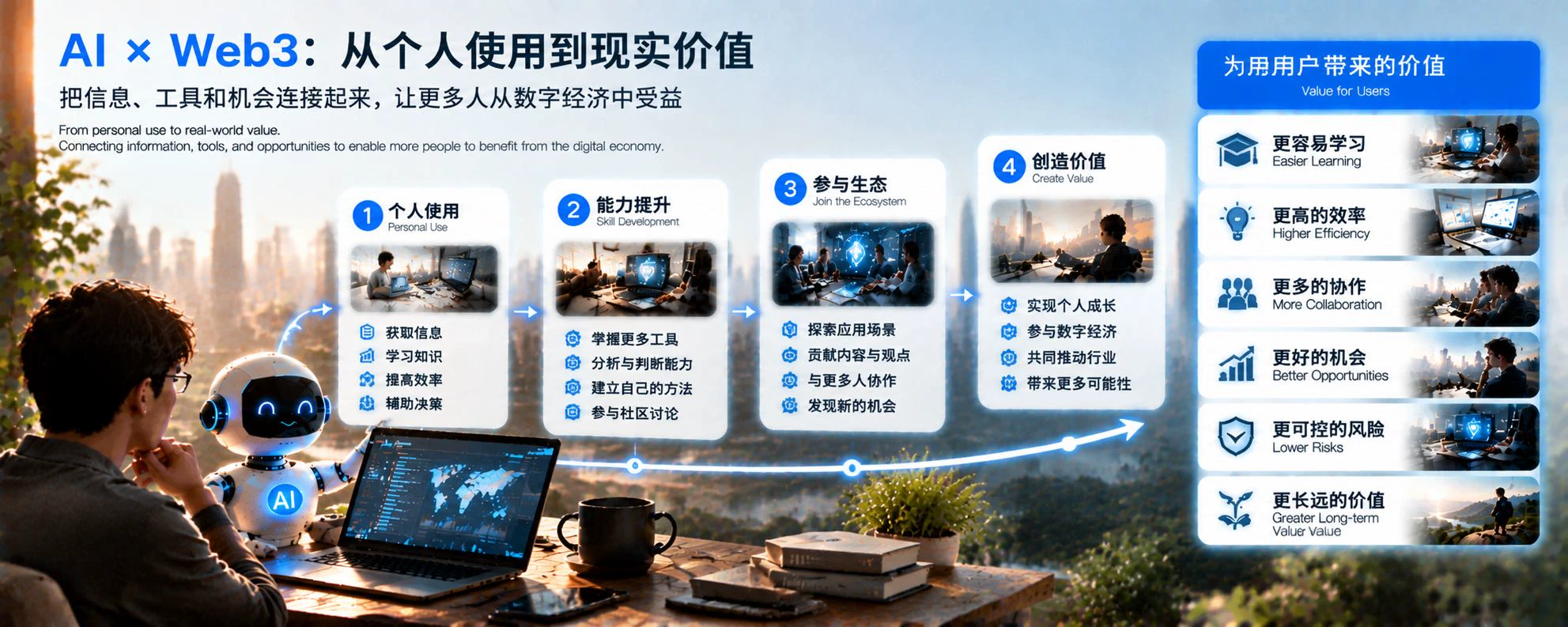
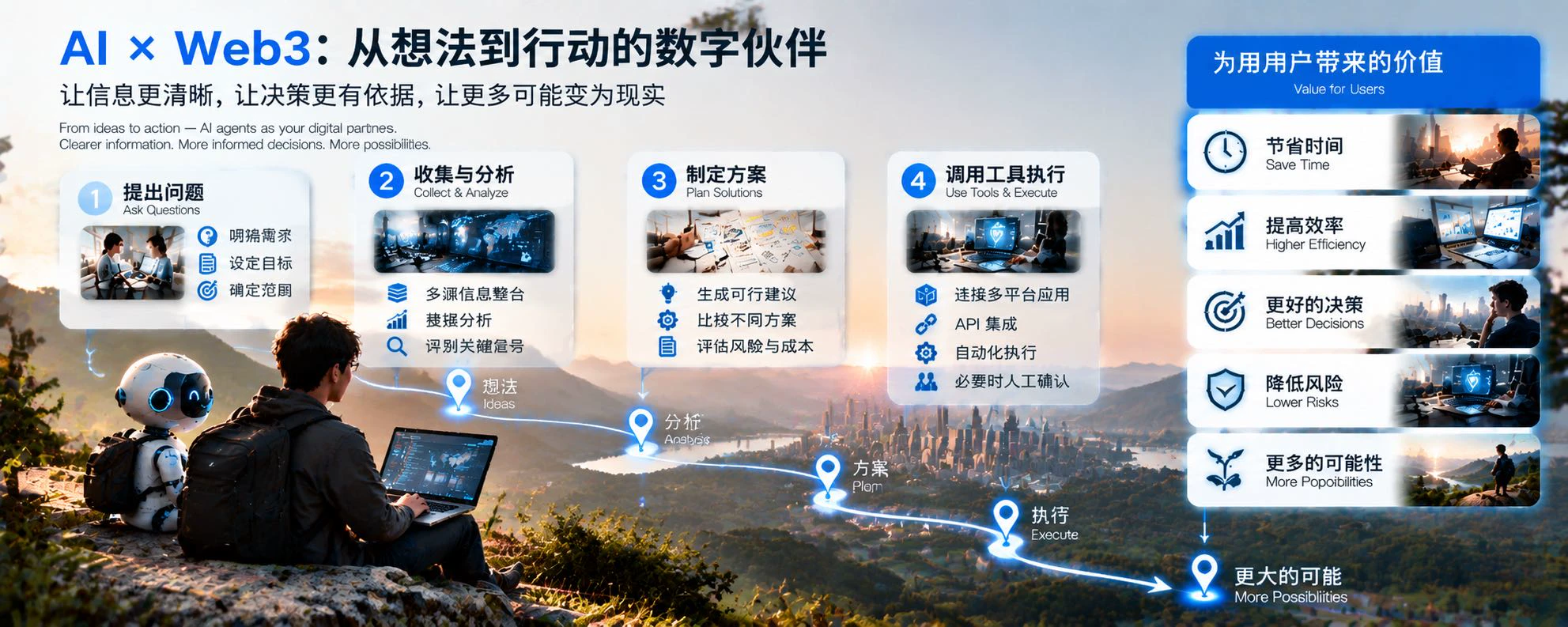
AI × Web3: From Personal Use to Real-World Value, True Growth Comes from Participation
Technology’s value should not remain limited to concepts and demos. For AI and Web3, the more important question is: How can ordinary users start by using tools, gradually build their capabilities, participate in the ecosystem, and ultimately create real value?
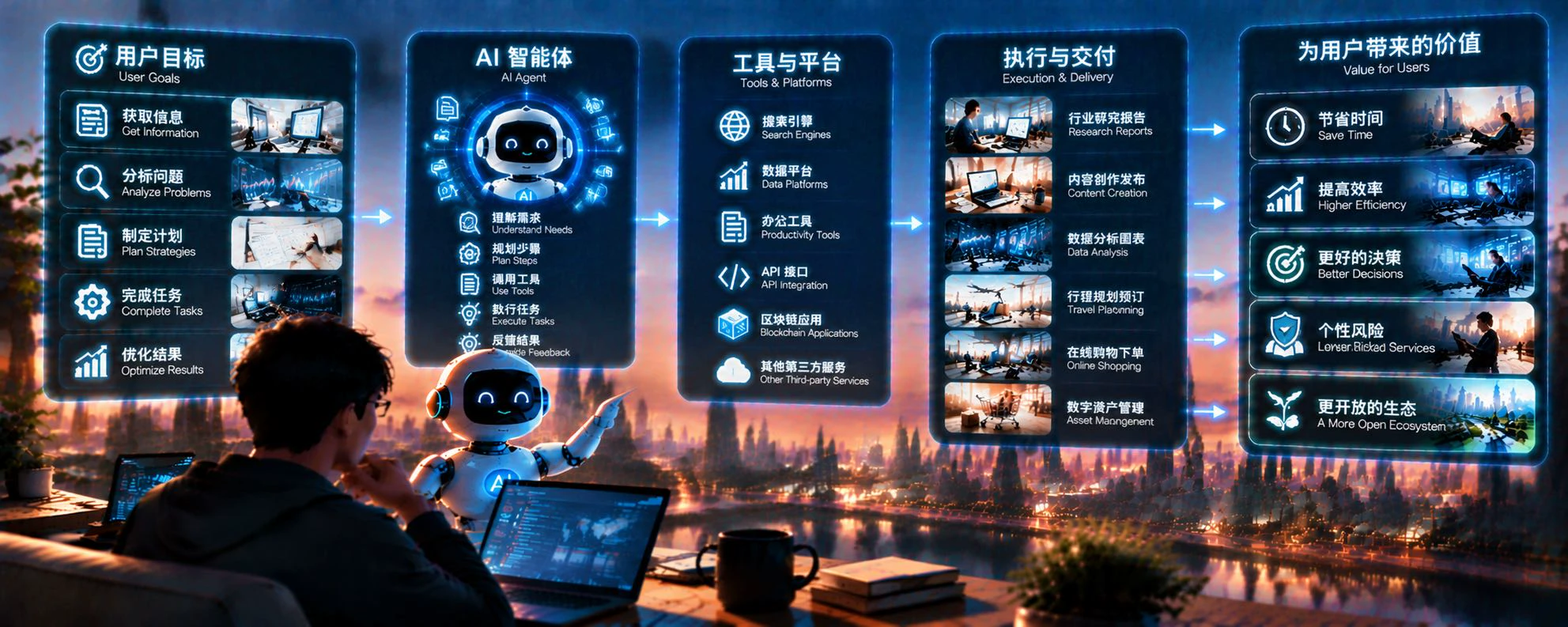
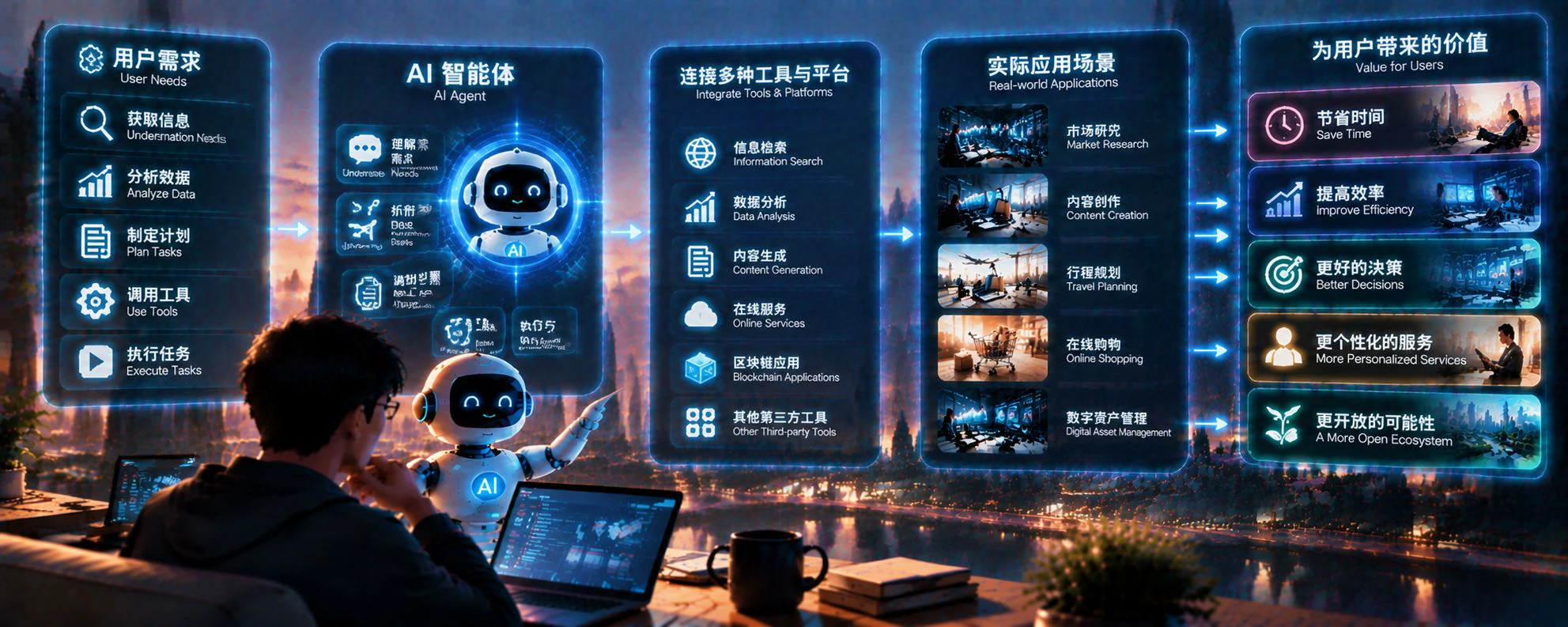
The first step is making technology genuinely serve personal needs. AI can help users organize materials, understand complex information, analyze public data, and improve work efficiency. Web3 offers different ways to explore open protocols, digital i
post-image
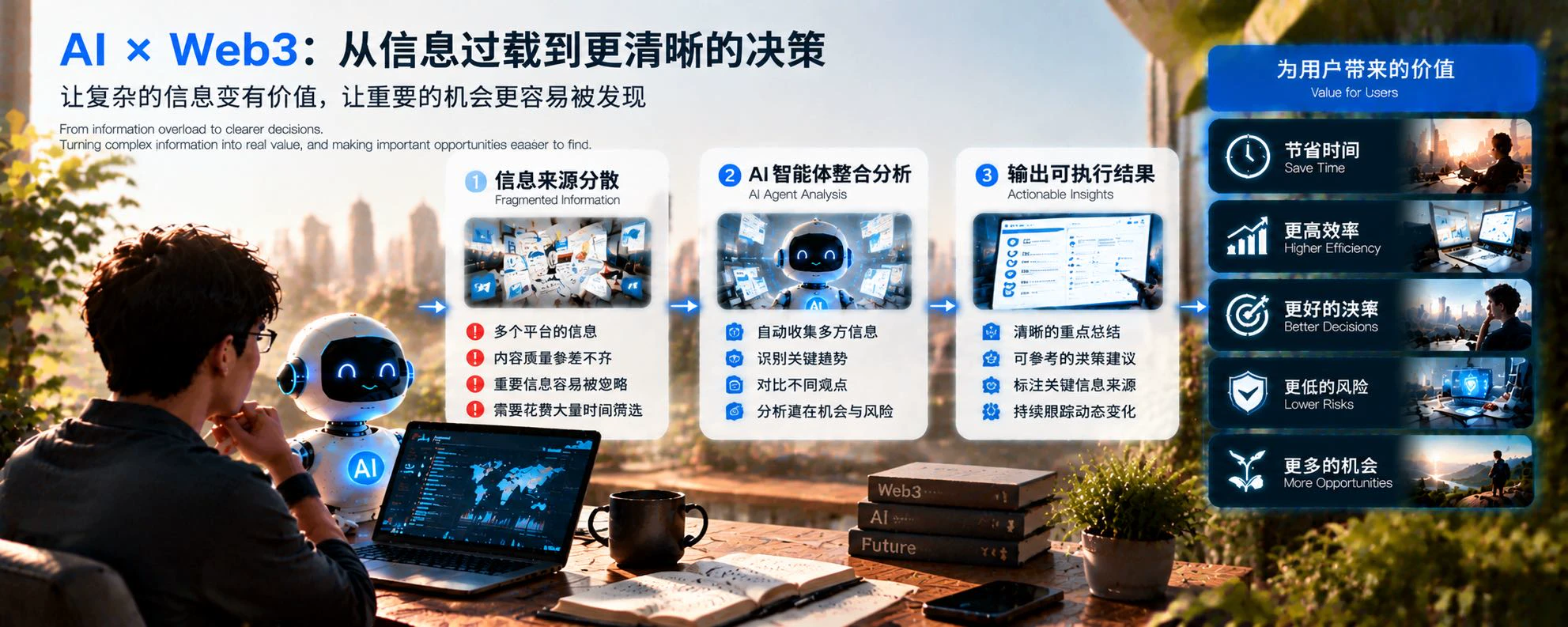
AI × Web3: As Information Grows, Clear Judgment Becomes Truly Scarce
The digital economy has never lacked information. The real challenge is identifying important signals from an ocean of information and turning them into valuable judgments.
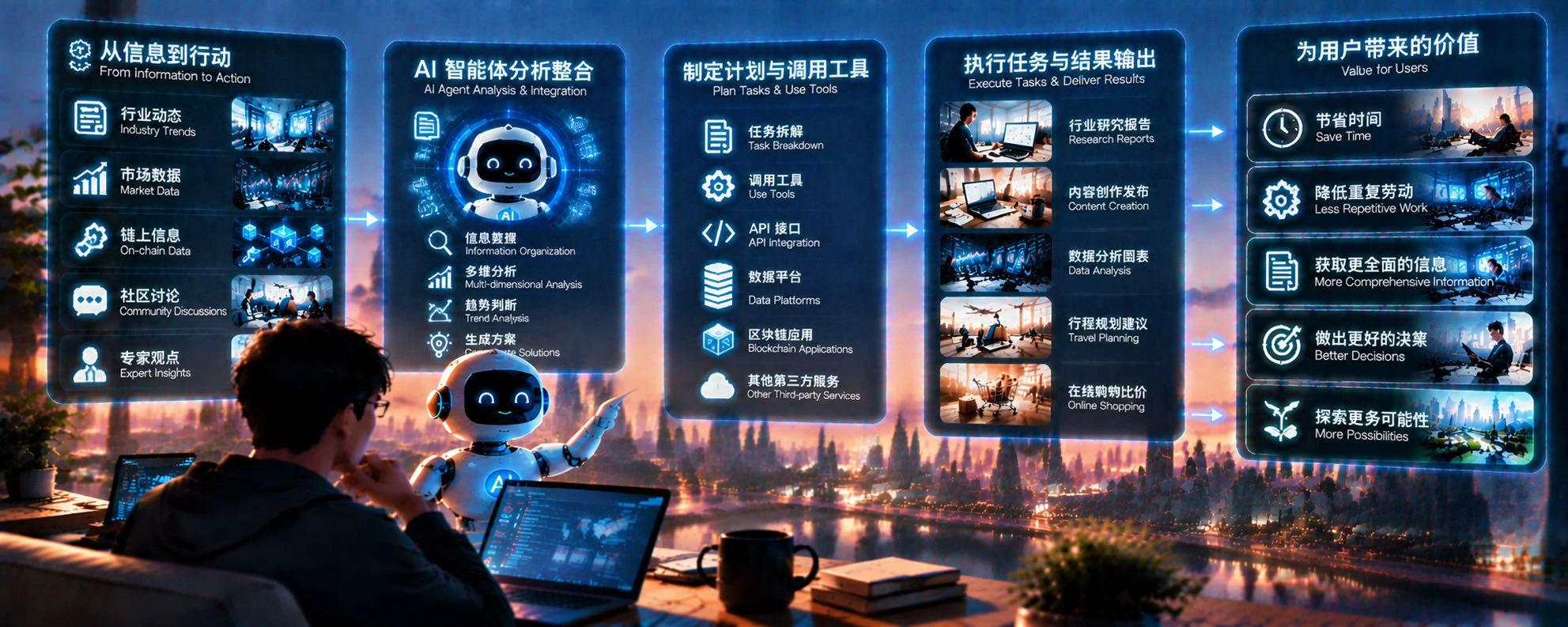
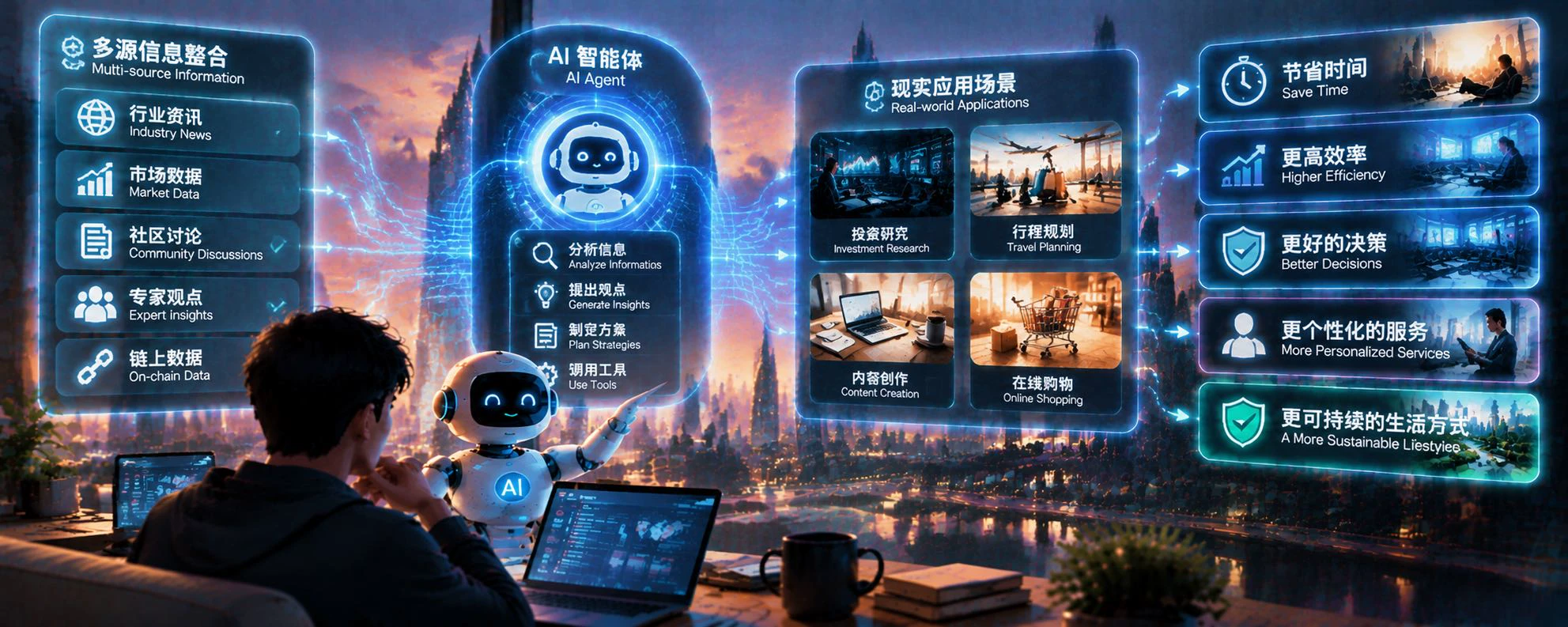
In the Web3 industry, project announcements, protocol updates, community discussions, and on-chain data emerge every day. Information is becoming easier to access, but having more of it does not necessarily make decisions easier. On the contrary, data from different sources, of varying quality and updated at different speeds, can consume a great deal of ti
post-image
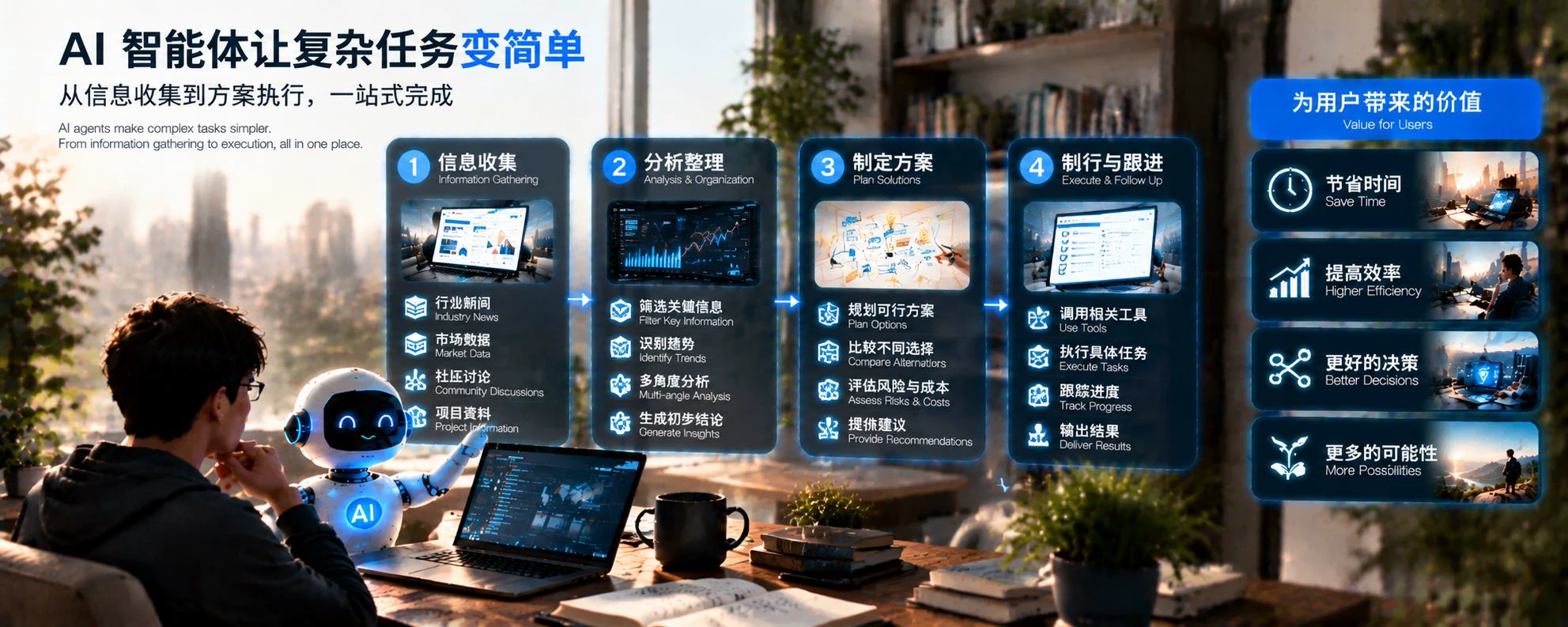
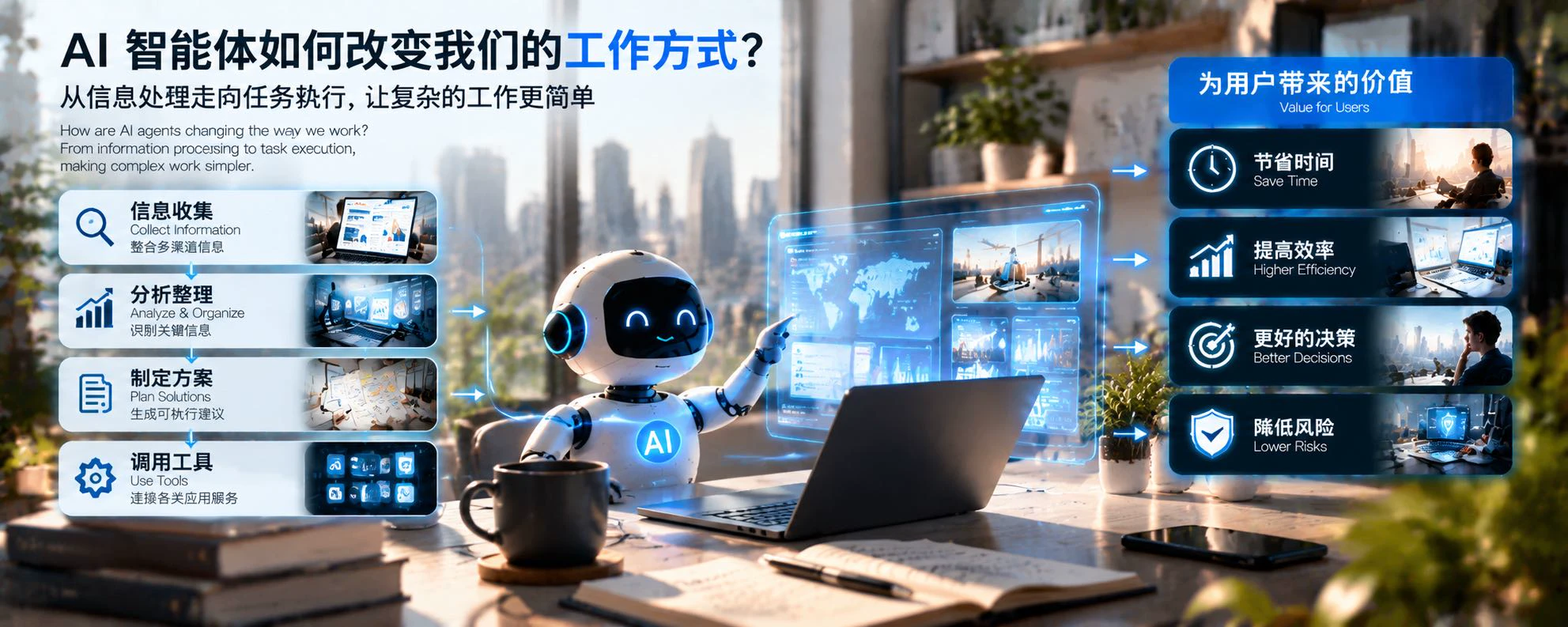
AI agents make complex tasks simpler, but their real value goes beyond reducing the number of clicks
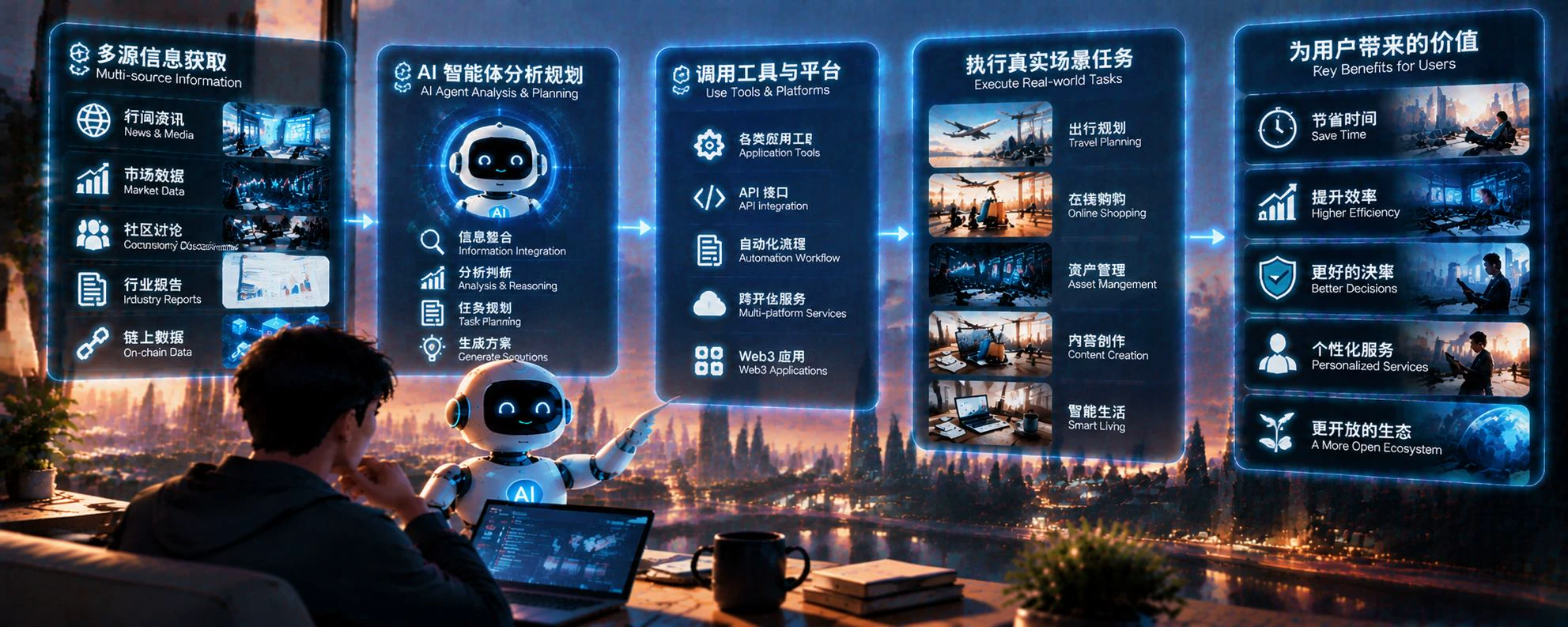
In the past, completing a complex task often meant switching repeatedly between different platforms: finding information, organizing data, comparing options, making plans, and finally carrying them out manually. AI agents are trying to change this way of working, enabling multiple steps to work together toward the same goal.
But what truly deserves attention is not opening fewer apps, but whether the entire workflow can become more cohesive.
First, information gathering can become more systemat
post-image
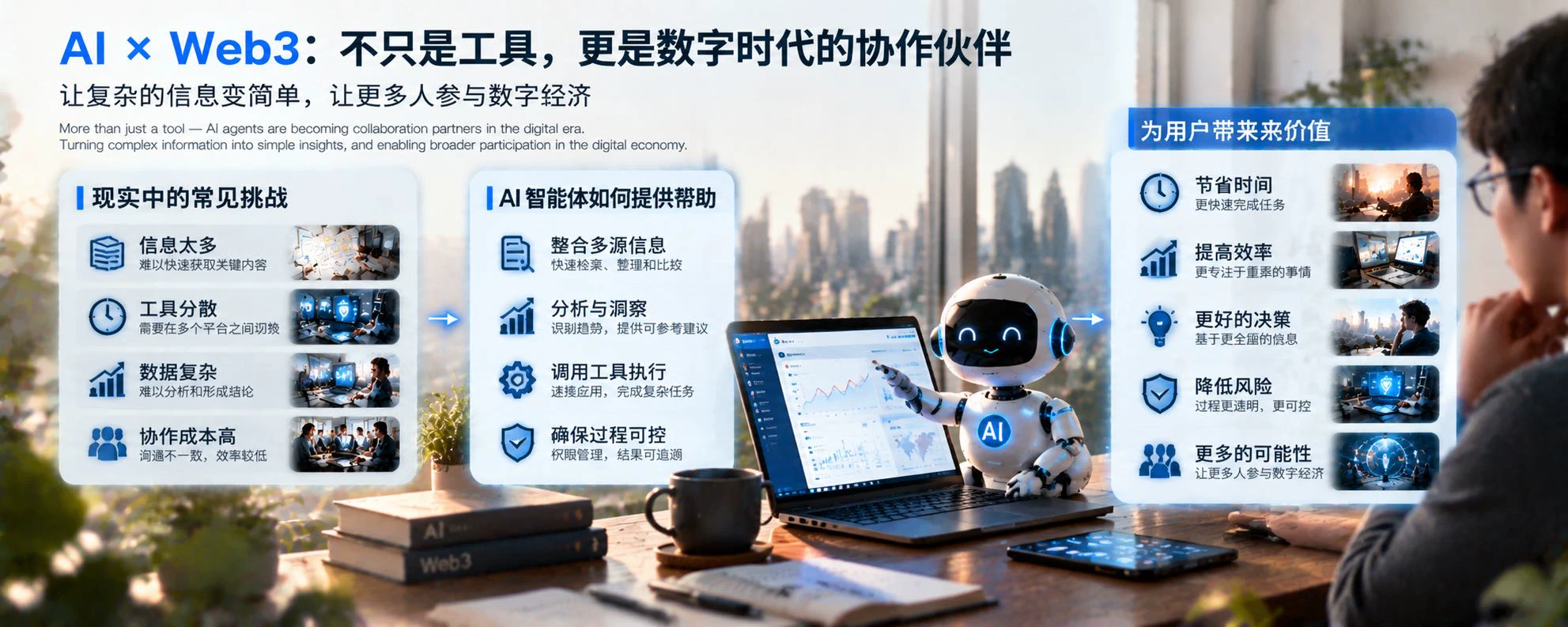
AI is not just a tool for improving efficiency; it may also become an entry point for more people to participate in the digital economy
In the past, participating in the digital economy often required specialized knowledge, technical tools, and a significant investment in learning. Researching industry information, analyzing data, and managing digital assets could each require users to master different software and workflows. With the development of AI agents, these barriers may gradually come down.
The true value of AI is not just helping professionals work faster; it may also enable more ord
post-image
To Measure the True Value of AI Agents, Don’t Just Look at Demo Performance—Look at Task Completion Rates
An AI agent performing impressively in a demo does not mean it has stable real-world value. What truly matters is whether it can consistently deliver results that meet expectations when faced with incomplete information, complex workflows, and changing task requirements.
So how should we determine whether an AI agent is genuinely useful?
First, look at the quality of task completion. Generating a complete report only shows that it has done part of the work; if the report’s data lacks sourc
post-image
  • 1
AI agents are changing how we work: the competition of the future is about workflows
In the past, we used software to get work done by finding information, analyzing data, developing plans, and then opening tools one by one to carry out tasks. The arrival of AI has changed some of these steps, and the further development of AI agents is prompting us to rethink: Could the work of the future shift from manually handling every step to people setting goals and agents helping complete the workflow?
Three changes are worth watching.
First, a shift from standalone tools to complete workflows. Traditi
post-image
Why Do More Powerful AI Agents Need Clearer Task Boundaries?
AI agents are evolving from simple Q&A tools into digital assistants capable of analyzing information, using tools, and carrying out complex tasks. But greater capability does not mean they should be given more permissions. A truly mature automation system needs to balance its ability to act with clear boundaries on its actions.
First, goals must be clear. Asking an AI to research an industry does not mean authorizing it to automatically publish content, change account settings, or execute trades. The system needs to distinguish betw
post-image
The Next Step in AI and Web3 Integration: Turning Complex Technology into a Simple Experience
When people talk about Web3, they often focus on blockchain performance, transaction speed, degree of decentralization, and technical architecture. But for ordinary users, what often determines whether a technology can be widely adopted is not how complex it is under the hood, but how easy it is to use.
Imagine users being able to complete a cross-platform task without needing to understand the differences between blockchains, repeatedly search for data, or switch between multiple apps. This is an imp
post-image
Why Does the Digital Economy Need Open Infrastructure? Its Real Value Lies in Reducing Collaboration Costs
In the digital economy, more and more services depend on different platforms, data systems, and applications. But when every platform establishes its own rules, identity systems, and data standards, users and developers may face new problems: systems struggle to work together, data is difficult to migrate, and services can easily be constrained by a single platform.
That is why open infrastructure deserves attention.
First, the value of openness is not just that it lets more people partic
post-image
Why Should AI Agents Not Focus Solely on Efficiency? Goal Management Is the Key to Automation
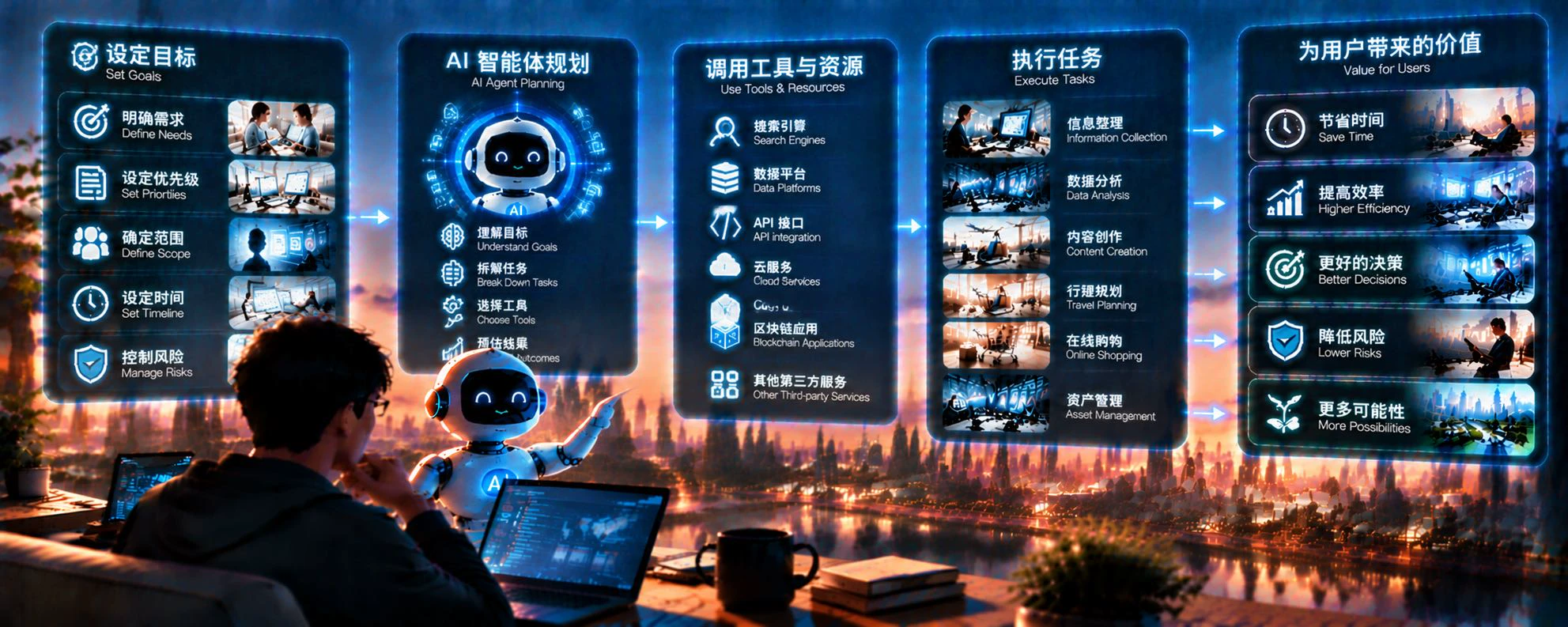
AI agents can search for information, use tools, analyze data, and execute tasks. But one easily overlooked issue is that without a clear goal from the outset, the faster they execute, the more quickly they may stray from actual needs.
In the digital economy, the value of automation lies not only in reducing manual work, but more importantly in ensuring that every action serves a clear goal.
First, tasks need clear priorities. Faced with a large volume of industry news, market data, and project update
post-image
How Can AI Agents Discover Opportunities in Data? The Key Is Not Just Analysis, but Verification
In the digital economy, data is never in short supply. What is truly scarce is the ability to discover valuable signals in data and turn them into reliable actions. As AI agents gradually gain the ability to retrieve information, analyze data, and use tools, new possibilities are emerging in this process.
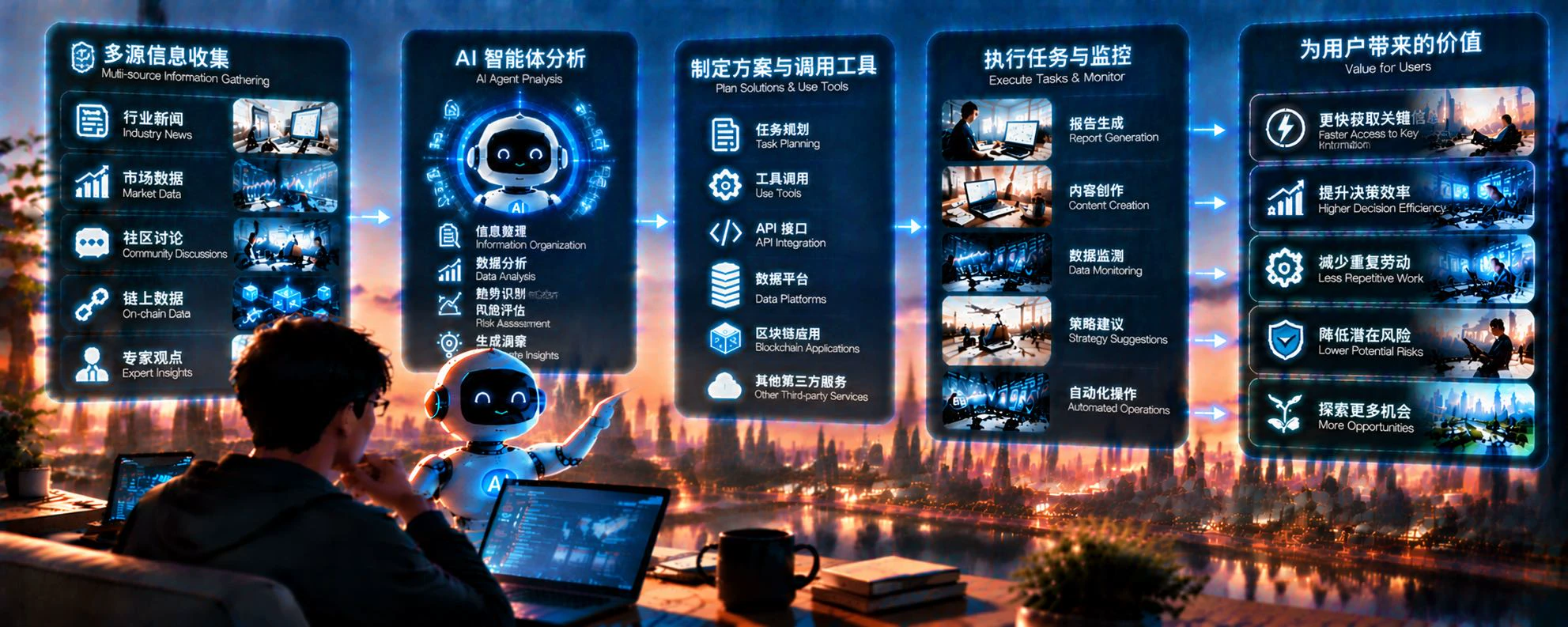
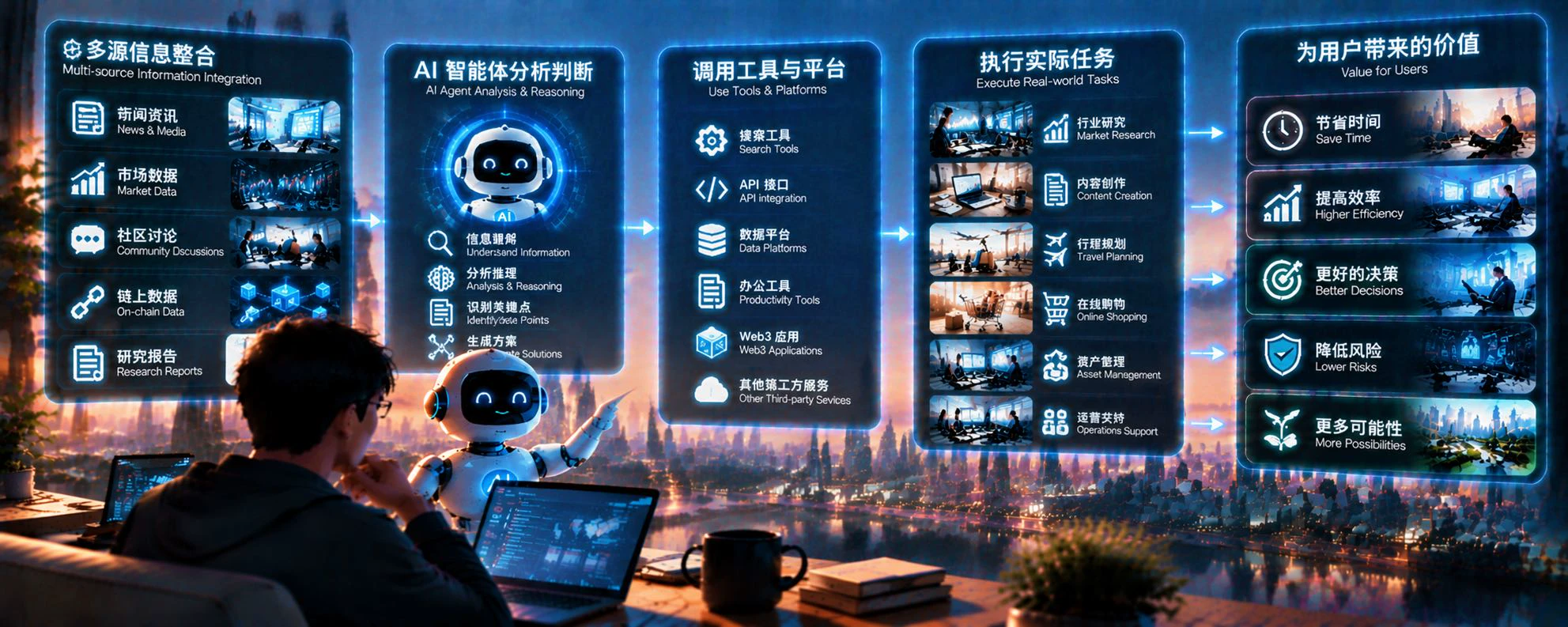
First, AI can help us integrate scattered information. Industry news, market data, community discussions, project announcements, and on-chain records can reflect a project's development from diffe
post-image
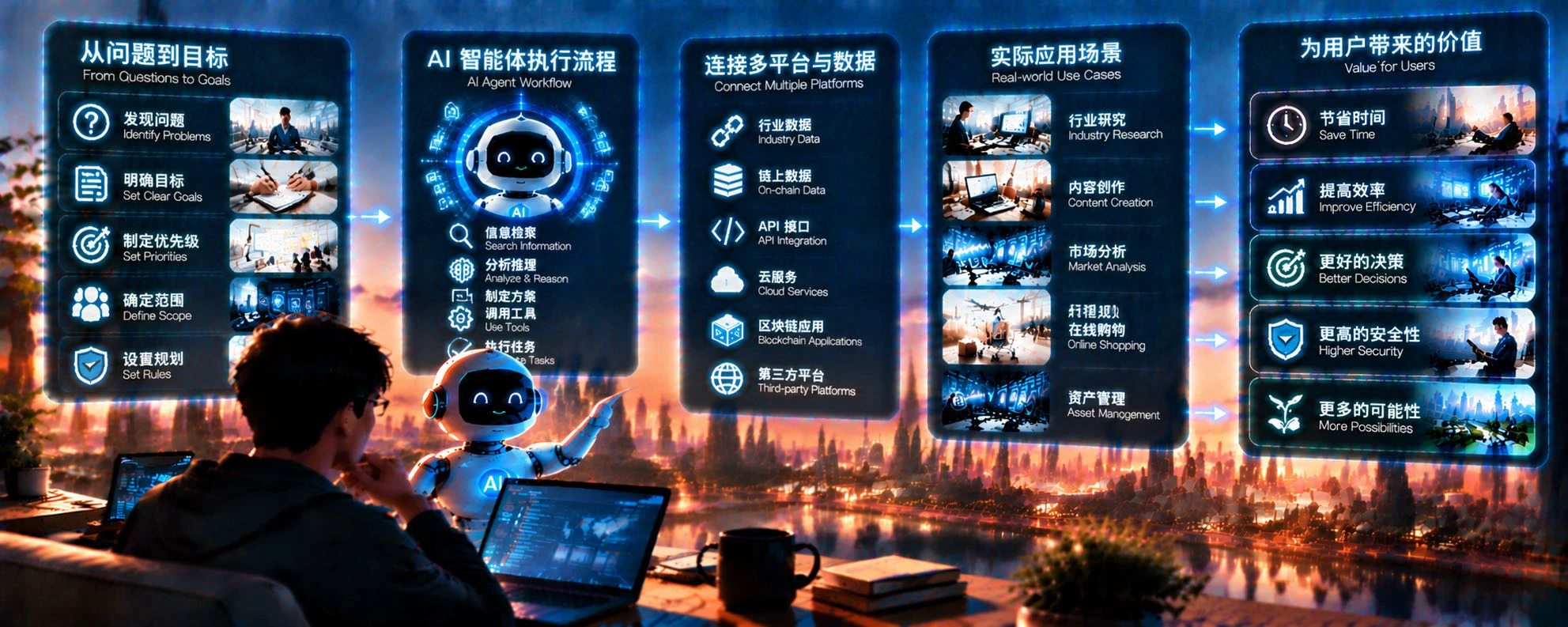
How Can AI Agents and Web3 Work Together? The Real Opportunity Lies in Connecting Collaboration Workflows Across the Digital World
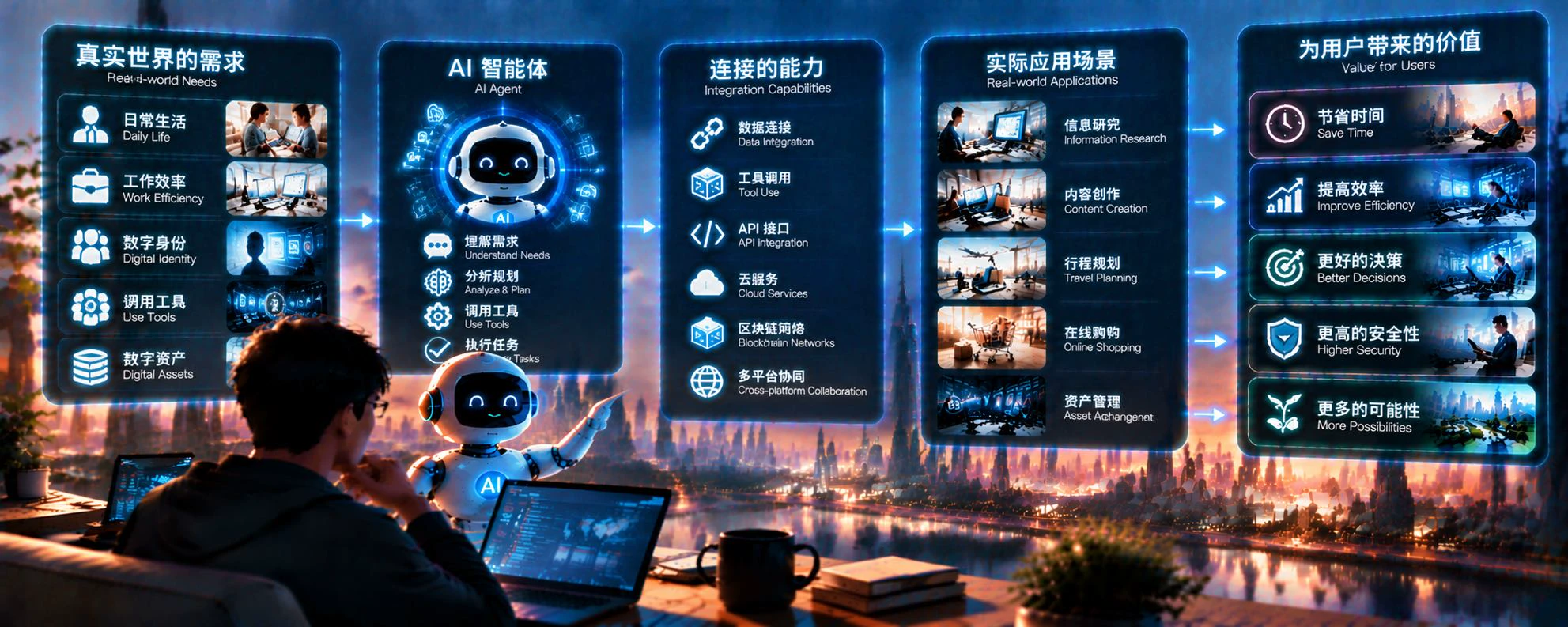
AI is moving from content generation to task execution, while Web3 continues to explore digital identity, asset management, and open collaboration. What deserves attention in bringing the two together is not simply connecting AI to blockchain, but enabling agents to complete real tasks across different platforms more securely and efficiently.
First, digital identity is the foundation of collaboration. AI agents need to clearly establish whom they represent, what pe
post-image
As AI gets smarter, why is data credibility becoming more important?
As AI agents begin integrating industry news, market data, community discussions, and on-chain records, an easily overlooked problem emerges: if the input data is inaccurate, even the most powerful model may reach the wrong conclusions.
In the digital economy, data affects not only analytical results but also business decisions, risk assessments, and automated execution. As a result, data credibility is becoming an important issue that AI and Web3 infrastructure must address together.
First, data sources must be clear. Faced
post-image
As AI Agents Enter the Digital Economy, Why Is Identity Verification More Important Than Execution Speed?
As AI agents become able to search for information, use tools, complete tasks, and even initiate transactions on behalf of users, a new question is emerging: How can a system confirm who the agent in front of it really is? Does it actually have the authority to act on the user's behalf?
This is not just a technical challenge for AI; it is also one that digital identity infrastructure needs to address.
First, identity recognition is not the same as authorization. A system's ability to ident
post-image
What infrastructure will digital payments need when AI agents start paying on users’ behalf?
In the past, digital payments mainly took place between people and platforms. Users selected products, confirmed orders, entered payment information, and completed payments. But when AI agents can autonomously search for services, compare options, and execute tasks, the payment model may change: in the future, some transactions will be initiated by software on users’ behalf.
This is not just a change to the payment process; it also creates new requirements for digital infrastructure.
First, identity mu
post-image
How Can AI Agents Truly Create Value? From Automated Execution to Outcome Verification
AI agents are changing how the digital economy works. They can integrate industry news, market data, community discussions, and on-chain information, then complete specific tasks through analysis, planning, and tool calls. But what truly deserves attention is not how many steps AI can execute, but whether it can deliver reliable results.
Task execution is only the process; reliable results are the value.
Take industry research, for example. AI can search public sources, organize different perspectives, compa
post-image
  • 1
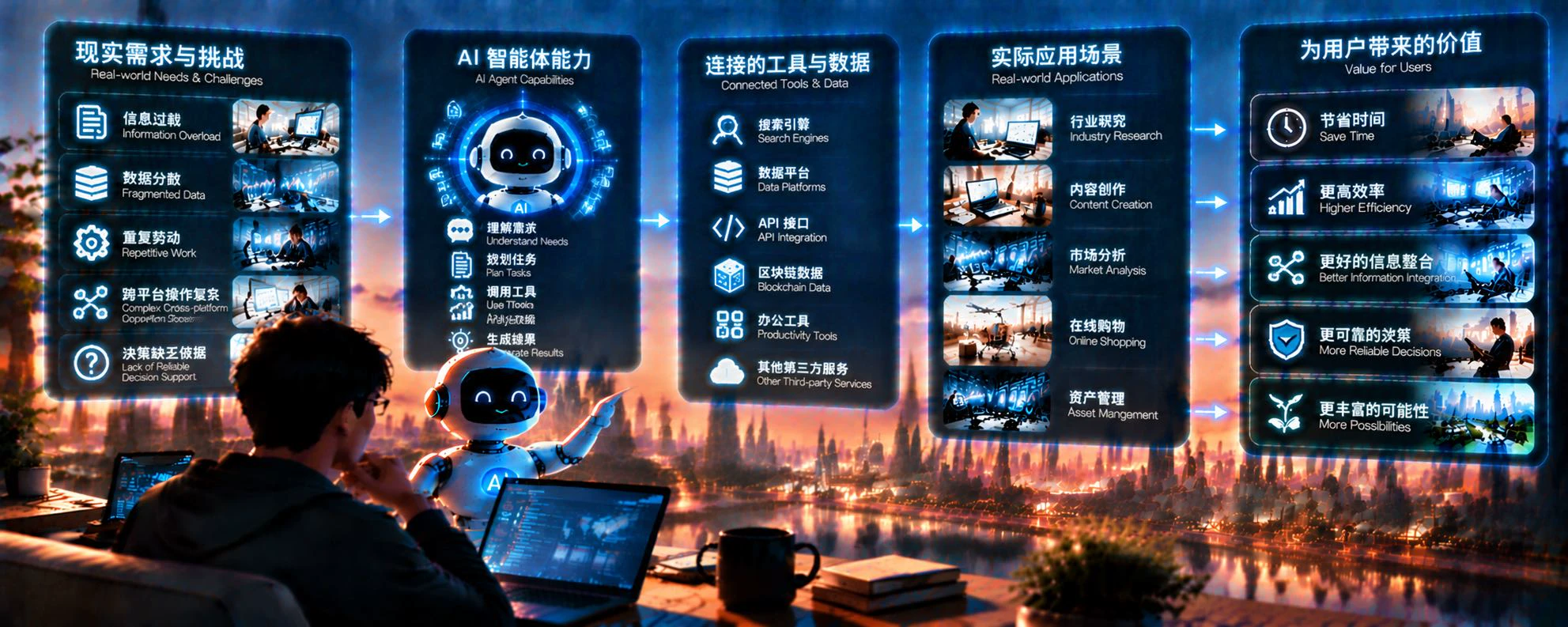
The real threshold for AI agents: connecting tools is easy, but reliable collaboration is hard
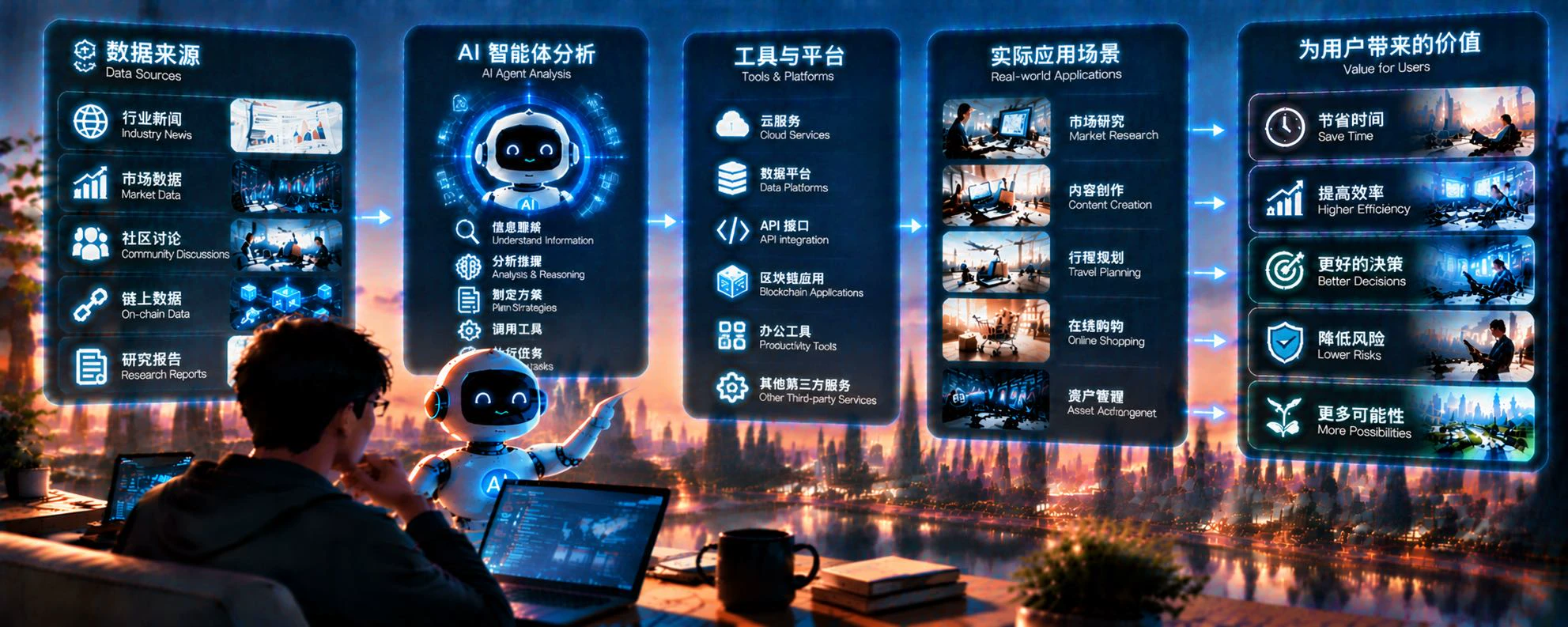
AI agents are trying to connect to search engines, data platforms, office software, and blockchain applications. In theory, with the right interfaces, they can complete tasks across different tools. But the real question is: once the tools are connected, can they work together reliably and accurately?
First, interface interoperability does not equal business interoperability. Even if two platforms can exchange data, they may use different data formats, identity systems, and permission rules. Without
post-image
The key to AI agents delivering real-world value is not how powerful the models are, but how complete the workflows are
AI agents are becoming an important area of development in the digital economy, but one question is worth considering: Why do some AI products seem highly capable yet still require extensive human intervention when used for actual work?
The reason is that understanding a problem is only the starting point; completing and delivering the task is where the real value lies.
A practical AI workflow usually involves several stages: gathering information, analyzing requirements, mak
post-image
The Next Step for AI Agents: From Information Integration to Real-World Task Execution
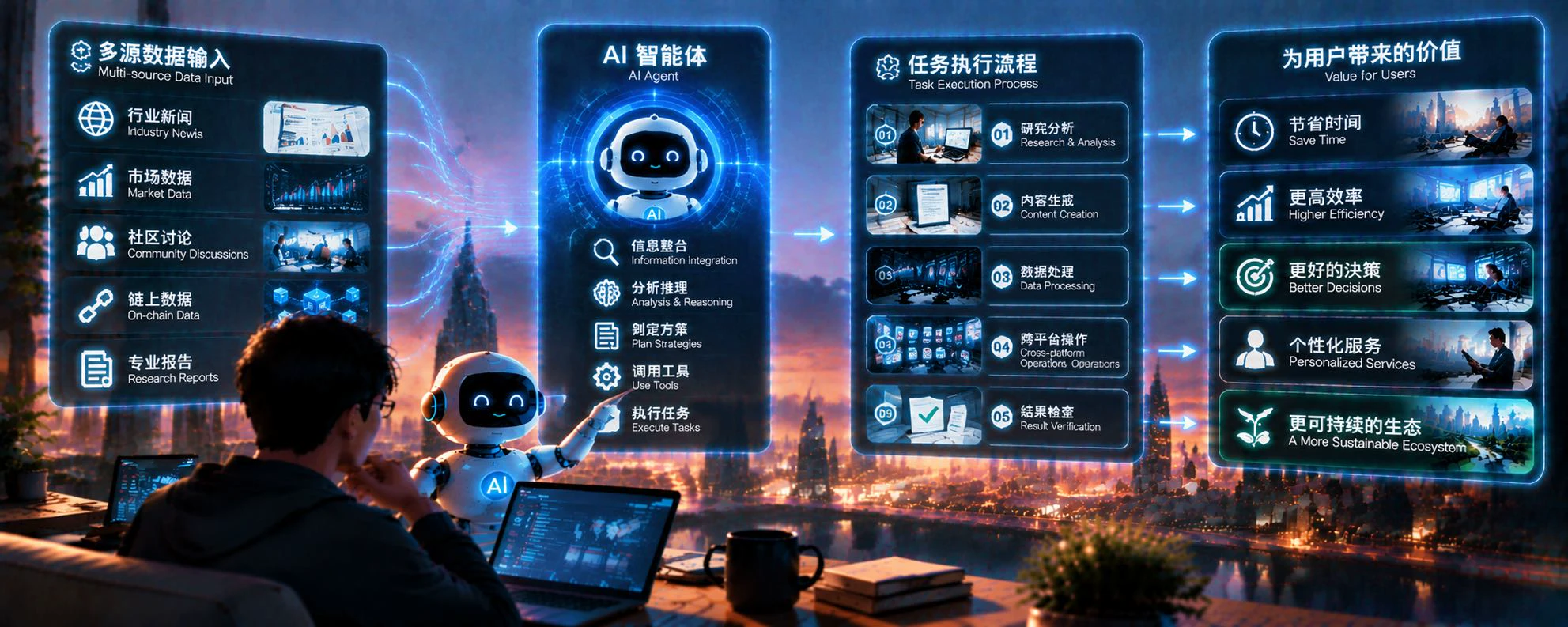
As news, market data, community discussions, and on-chain information continue to grow, the real challenge is no longer just accessing information, but turning scattered information into practical action. This is why AI agents are worth paying attention to.
Traditional AI has mostly taken on the role of answering questions and generating content, while AI agents can go further by understanding goals, breaking down tasks, using tools, and adjusting subsequent steps based on execution results. They are working
  • 3
The true value of AI agents lies not in having more information, but in making information valuable
In the digital economy, we have never lacked information. Industry news, market data, community discussions, expert opinions, and on-chain records keep growing every day. The real challenge is identifying important signals from the vast amount of information and turning them into useful decisions.
This is precisely why AI agents are worth paying attention to.
First, integrating information is just the starting point; understanding the relationships between pieces of information is key. A single
post-image
Load More