Square
Following
Hot
News
Notifications
Profile

AniekemeUmoh

vip
No content yet
Peak Tier VIP 01.6 Year(s)
0
Following
12
Followers
26
Liked
Finally made a withdrawal, if you like give up!
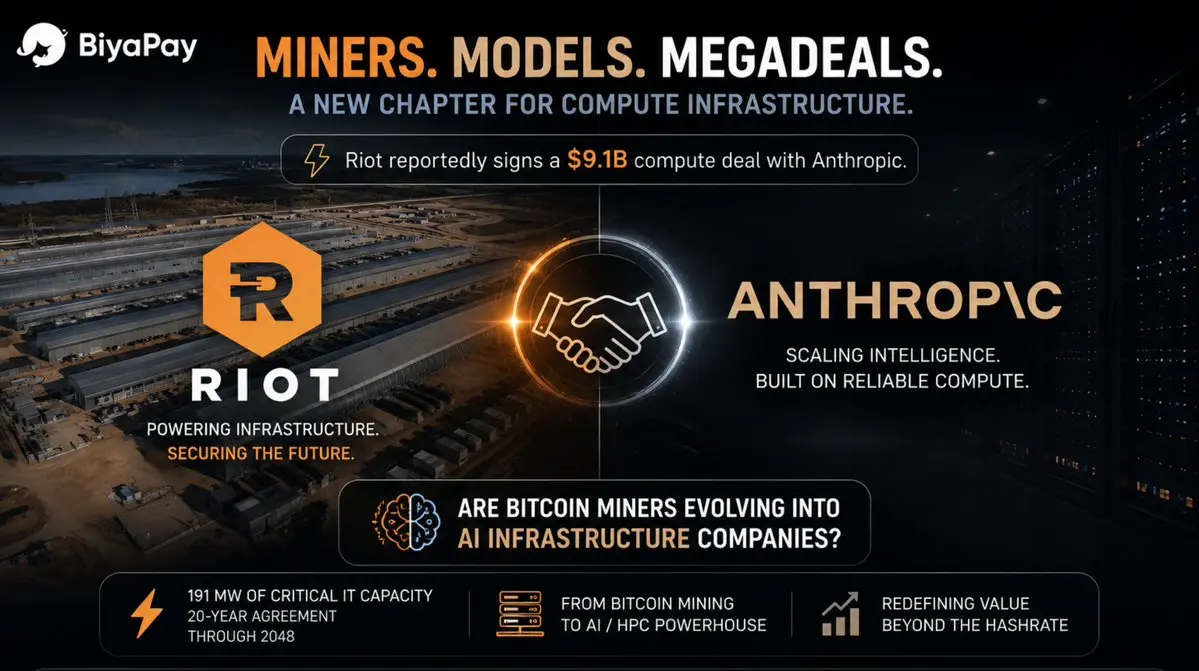
Bitcoin miners may have found another business model.
Riot’s reported $9.1B, 20-year compute agreement with Anthropic puts an interesting question on the table:
Are #Bitcoin miners becoming #AI infrastructure companies?
The answer may be more nuanced than it looks.
post-image
BTC-0.67%
RIOT+6.10%
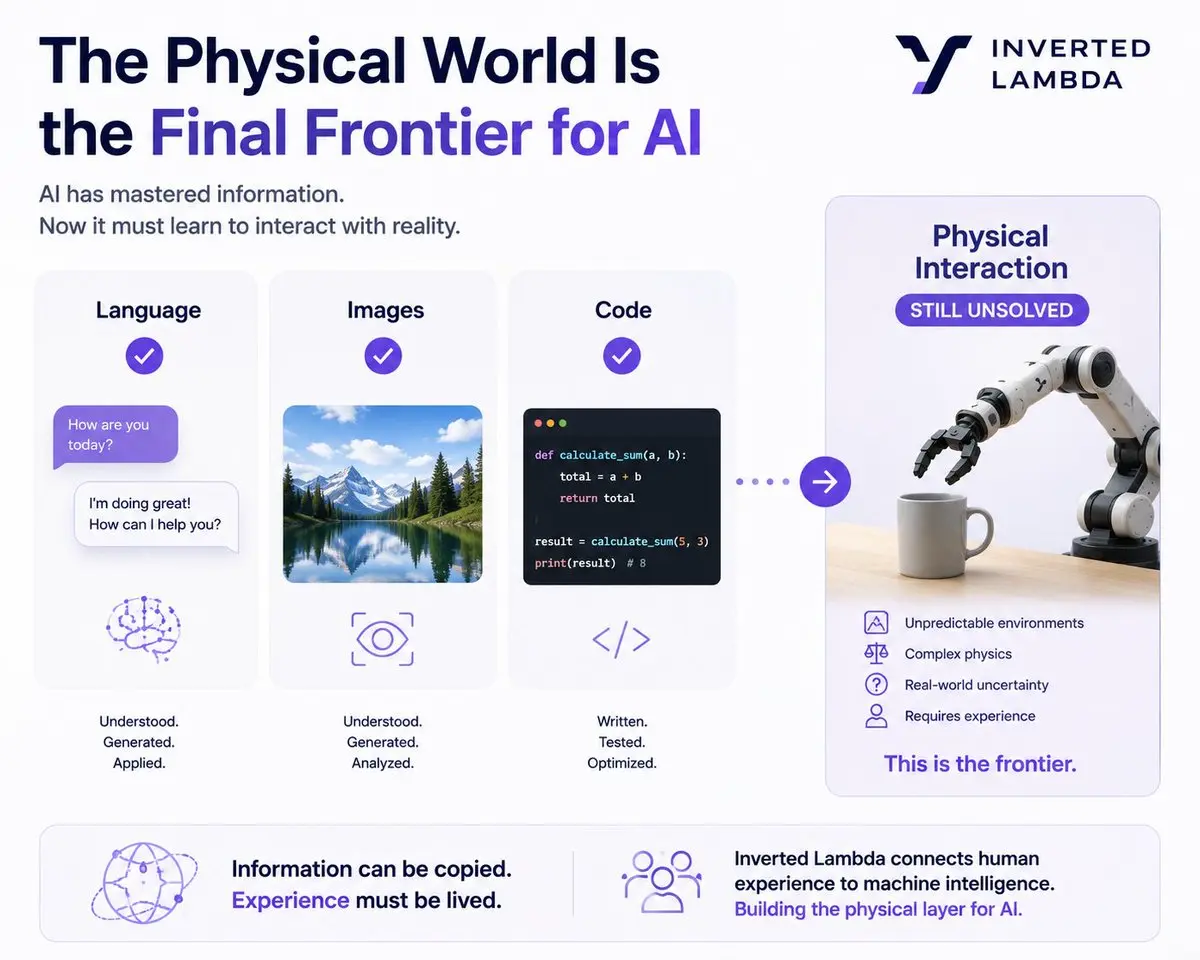
The Physical World Is the Final Frontier for AI
AI has made remarkable progress across digital environments.
Language can be generated, translated, summarized, and reasoned over.
Images can be understood and created with remarkable detail.
Code can be written, tested, and optimized.
Then we reach the physical world.
Here, intelligence has to deal with friction, gravity, weight, balance, resistance, imperfect surfaces, moving objects, and situations that cannot be completely predicted beforehand.
A robot may recognize a glass from an image, but recognition doesn't tell it how firmly to grasp it
post-image
From Human Instinct to Robot Intelligence
One of the most overlooked sources of intelligence in robotics is the things humans do without thinking about them.
When you walk across an uneven surface, your body adjusts its balance automatically. When an object starts slipping from your hand, you react before consciously processing what happened. When you reach for something fragile, your grip changes based on its weight, texture, and resistance.
These actions look effortless because humans have spent a lifetime learning how the physical world behaves.
For robots, that intuition doesn't exist yet.
Why Every Human Is Carrying an AI Dataset They Never Knew Existed
I've been thinking about something that makes the robotics problem much more interesting:
Humans spend their entire lives collecting physical experience without realizing it.
Think about walking across an uneven surface without consciously calculating your balance. Opening a door without measuring the force required. Pouring water while adjusting your hand as the cup gets heavier. Catching something before it hits the ground. Picking up a fragile object without consciously calculating its exact grip force.
These actions look ord
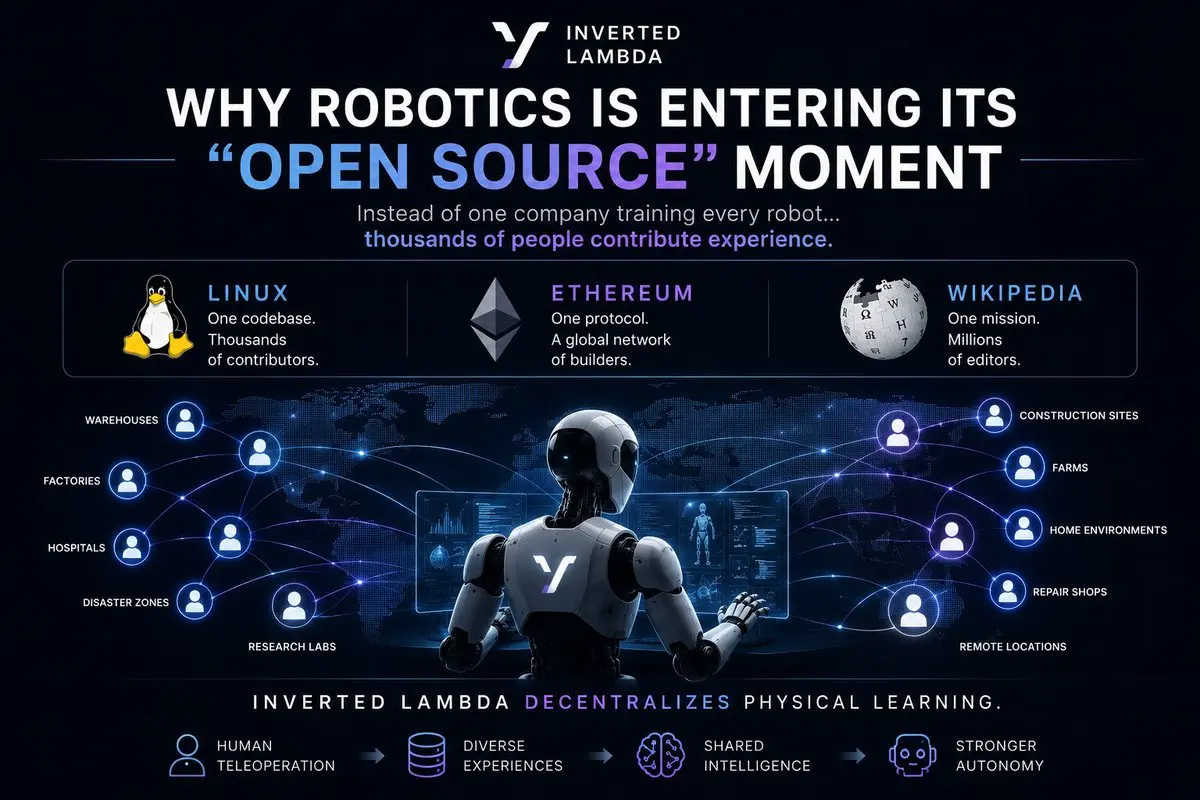
Why Robotics Is Entering Its “Open Source” Moment
Linux changed software by proving that a powerful system could be built through contributions from a global community rather than controlled entirely by one organization.
Wikipedia showed that knowledge could grow through millions of individual contributions.
Ethereum demonstrated how infrastructure could become programmable, permissionless, and community-driven.
Robotics may be approaching a similar transition.
The difficult resource in embodied AI is not simply hardware or compute. It is physical experience: how to move through unfamiliar env
post-image
ETH-1.26%
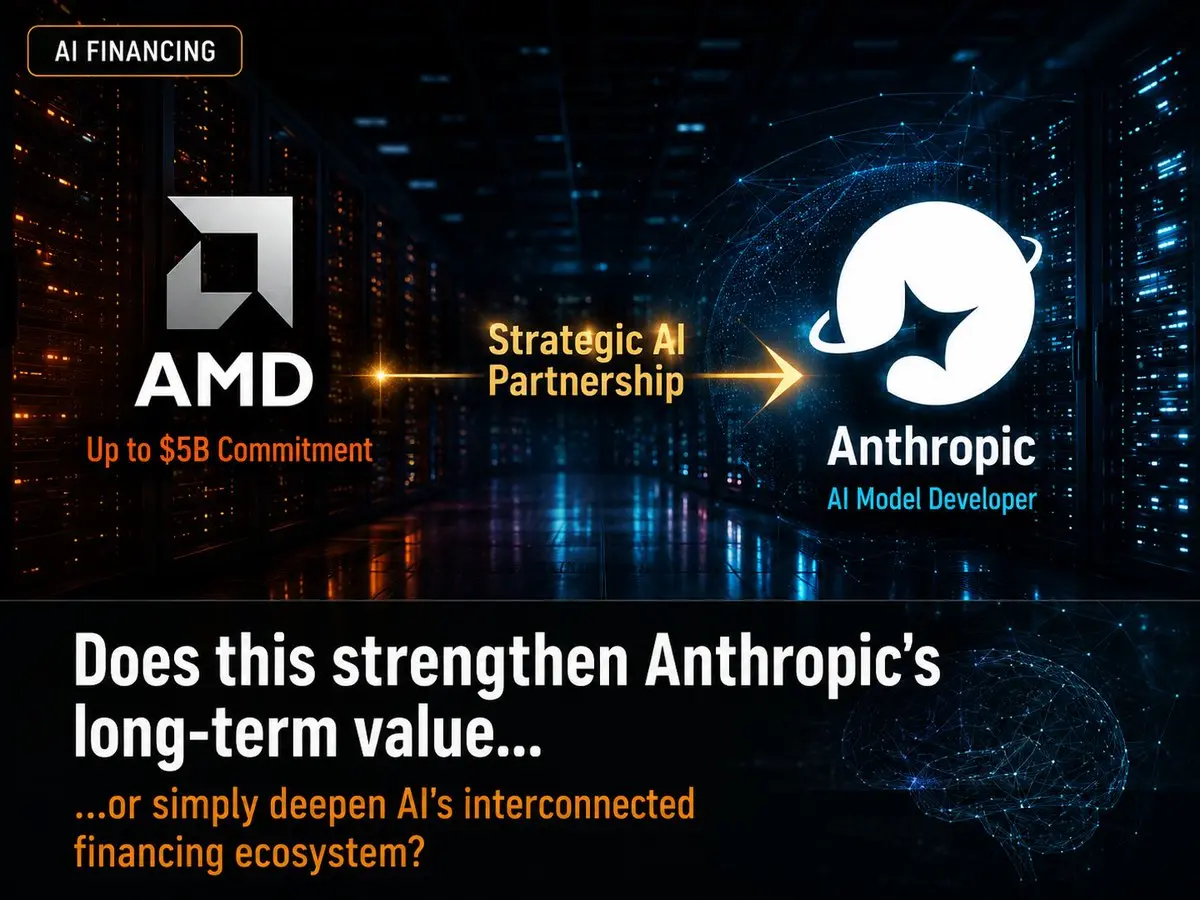
AMD is committing up to $5B to Anthropic.
At first, that sounds like one company betting big on another
But this info raises a bigger question..
Does a strategic investment actually justify a higher company valuation or does it make the AI ecosystem more financially connected?
post-image
AMD+4.35%
  • 1
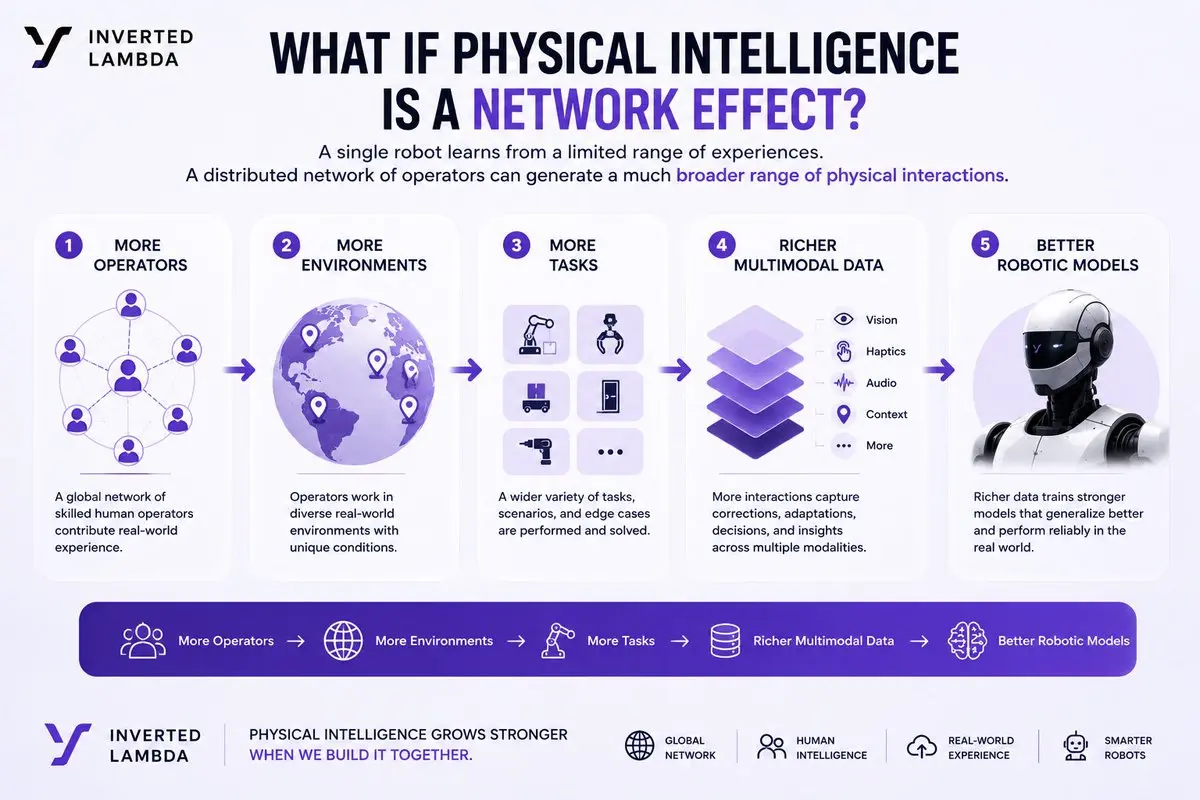
What If Physical Intelligence Is a Network Effect?
A single robot can only experience so much.
It operates in one environment, performs a limited range of tasks, and encounters only a fraction of the situations that exist in the real world. Even with continuous training, its understanding remains bounded by its own experience.
Now imagine thousands of operators, spread across different locations, interacting with robots under completely different conditions.
One navigates cluttered warehouse shelves. Another manipulates delicate tools. Someone else responds to unexpected obstacles, slippery su
post-image
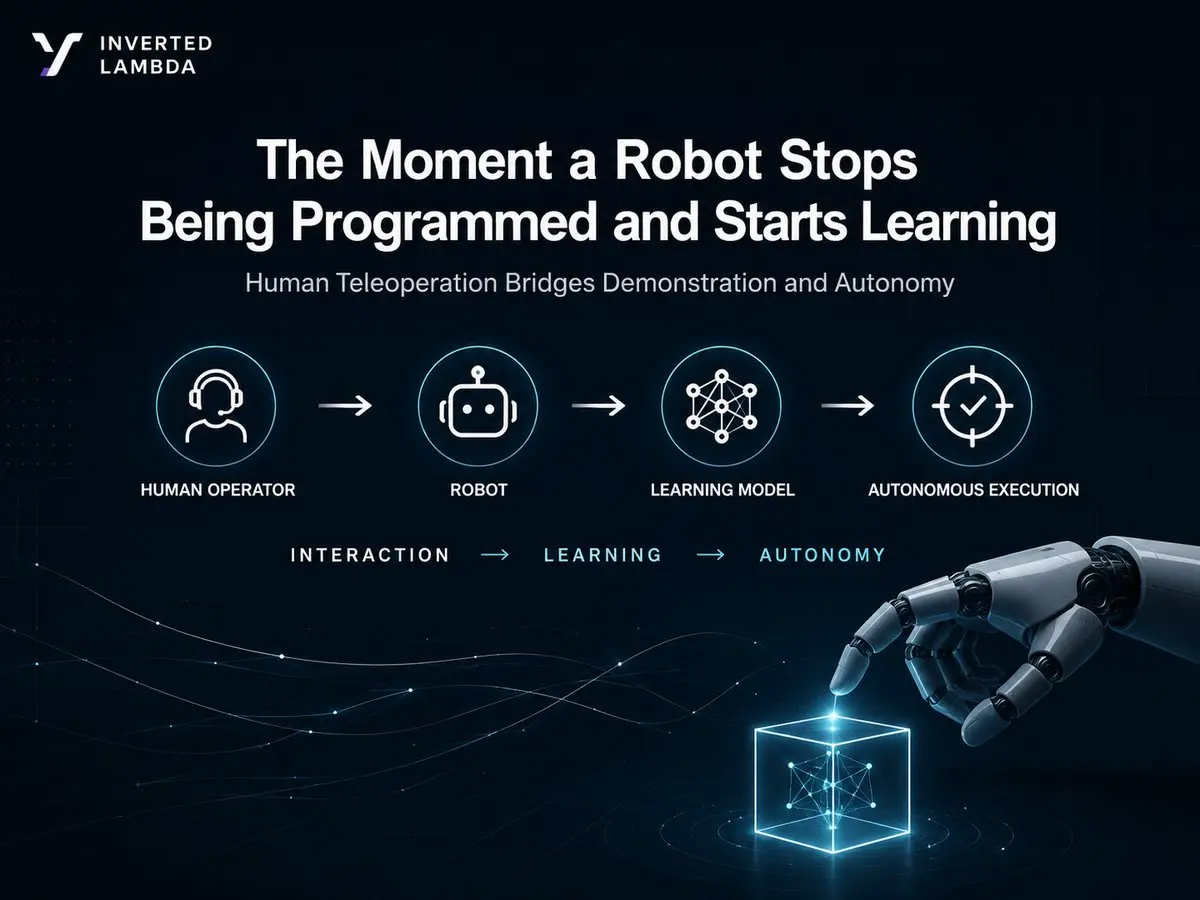
𝗧𝗵𝗲 𝗠𝗼𝗺𝗲𝗻𝘁 𝗮 𝗥𝗼𝗯𝗼𝘁 𝗦𝘁𝗼𝗽𝘀 𝗕𝗲𝗶𝗻𝗴 𝗣𝗿𝗼𝗴𝗿𝗮𝗺𝗺𝗲𝗱 𝗮𝗻𝗱 𝗦𝘁𝗮𝗿𝘁𝘀 𝗟𝗲𝗮𝗿𝗻𝗶𝗻𝗴
There is a fundamental difference between a robot that follows instructions and one that develops understanding through experience.
Traditional robotics excels when environments are predictable. Engineers define the rules, anticipate possible situations, and program the machine to respond accordingly. That approach works well, until reality introduces something unexpected.
The world is full of surprises; Objects vary in shape and weight. Surfaces create different levels of friction
post-image
From Muscle Memory to Machine Memory
No one consciously calculates how to tie their shoelaces, catch a falling object, or carry a full cup of coffee without spilling it.
These abilities are built through repetition. Over time, countless small adjustments become instinctive, forming what we call muscle memory.
This kind of knowledge is difficult to explain with words because it isn't stored as instructions. It is expressed through movement; through timing, balance, grip, coordination, and continuous adaptation to the physical world.
Embodied AI faces the same challenge.
A robot can be given obj
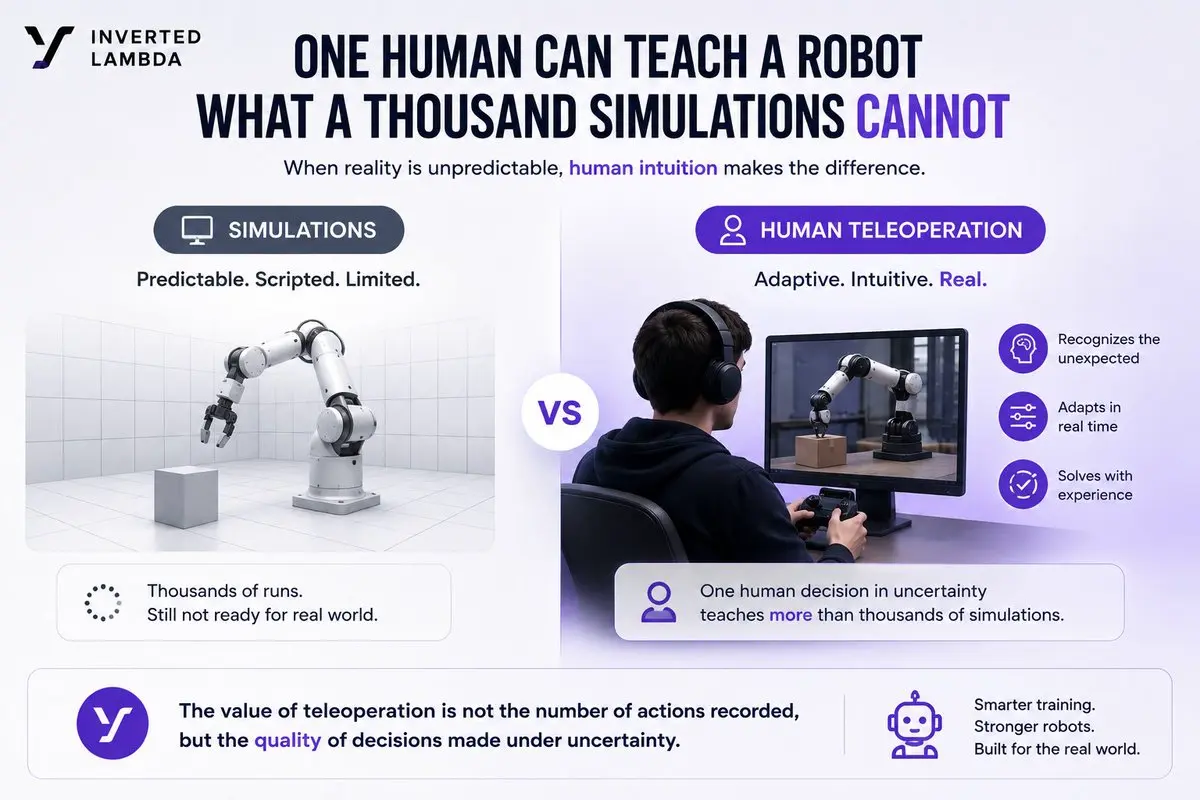
One Human Can Teach a Robot What a Thousand Simulations Cannot
Simulation has transformed robotics. It allows millions of training iterations to run quickly, safely, and at scale. But no simulation can perfectly recreate the unpredictability of the physical world.
Reality refuses to follow a script.
A box is heavier than expected. A surface is slightly wet. An object slips during a grasp. A door doesn't open the way it did yesterday. These subtle variations are difficult to model, yet they shape how intelligent behaviour emerges.
Humans navigate these moments almost effortlessly.
An experience
post-image
A lot of #memecoins talk about "diamond hands" but very few actually build their tokenomics around long-term conviction.
That's one of the more interesting things I noticed about $GOHOME .
Out of a maximum supply of roughly 10 million tokens, the overwhelming majority is locked under multi-year vesting, leaving only a small fraction in circulation today.
Why does that matter?
It creates a very different market structure compared to the typical meme launch where a large portion of the supply is immediately liquid.
It also sends a message: the project's vision isn't centered on a few weeks of hyp
post-image
GOHOME-0.74%
Load More