Akash Network and AWS can both provide GPU and cloud computing resources, but they differ sharply in their underlying architecture and resource marketplace mechanisms. AWS uses centralized data centers and platform based pricing, while Akash connects global GPU providers with developers through an open marketplace powered by blockchain. Traditional cloud platforms usually offer more mature enterprise services and stability, while decentralized cloud places greater emphasis on open markets, efficient resource utilization, and censorship resistance.
2026-05-12 08:20:53
GAS (NeoGas) is the native fuel token of the Neo network. It is mainly used to pay for on-chain transactions, smart contract execution, and network resource consumption. Unlike many single-token public blockchains, Neo uses a dual-token structure consisting of NEO and GAS. NEO is responsible for governance, while GAS serves as the payment asset for network operations and resource usage.
2026-05-12 07:59:32
UNUS SED LEO(LEO) is a platform ecosystem token launched by iFinex, the parent company of Bitfinex. One of its distinctive features is that it does not exist on only one blockchain network. Instead, it was issued on both Omni Layer and Ethereum. This “dual chain structure” is uncommon among platform tokens and made LEO one of the earlier exchange platform tokens to adopt a cross chain asset model.
2026-05-12 07:51:43
LEO’s burn mechanism is essentially a platform buyback based deflationary model. Like many platform tokens, LEO does more than provide trading fee discounts. Its economic model is also closely connected to Bitfinex’s platform revenue structure.
2026-05-12 07:43:51
UNUS SED LEO(LEO) is a crypto platform ecosystem token issued by iFinex. It primarily serves the Bitfinex trading platform and its related product ecosystem. LEO’s core functions include trading fee discounts, access to platform resources, and support for ecosystem features. Its economic model is closely tied to the platform’s operating structure.
2026-05-12 07:04:43
The core difference between Injective vs Sei is that Injective leans more toward on-chain financial infrastructure and order book trading, while Sei places greater emphasis on a high-performance EVM execution environment and parallelized transaction processing.
2026-05-12 06:51:19
The INJ token is the native asset of the Injective network. It is mainly used for on-chain governance, network staking, fee payments, burn mechanisms, and ecosystem incentives.
2026-05-12 06:39:33
Injective (INJ) is a Layer 1 public blockchain built around on-chain financial use cases. Its design focuses on improving the efficiency of decentralized trading systems, cross-chain asset movement, and compatibility with financial applications. Unlike traditional DeFi-focused blockchains, which mostly rely on the AMM model, Injective places greater emphasis on on-chain order books, low-latency trading, and modular financial infrastructure.
2026-05-12 06:27:27
Injective’s cross-chain mechanism connects different blockchains through components such as IBC and Peggy Bridge, allowing assets and messages to move between Injective and external networks.
2026-05-12 06:12:10
BGB, BNB, and GT are all platform tokens within crypto exchange ecosystems, which is why users often compare them. While all three support trading fee discounts, ecosystem benefits, platform incentives, and similar functions, they differ clearly in their underlying structures, onchain ecosystems, burn mechanisms, and Web3 expansion strategies.
2026-05-12 04:05:22
Bitget Token (BGB) is the platform token of the Bitget ecosystem. It is mainly used for trading fee discounts, Launchpad participation, onchain gas payments, staking benefits, and ecosystem incentives. As crypto trading platforms gradually expand into Web3 infrastructure, BGB has evolved from a traditional platform rewards asset into an important bridge between centralized trading services and onchain ecosystems.
2026-05-12 04:00:20
XAG refers to the US dollar quote for silver in international markets (XAGUSD). Its price is not “set” by any single institution or exchange. Instead, it emerges as a dynamic equilibrium shaped by layered interactions across the global spot system, the futures market, the dollar based pricing framework, physical supply and demand fundamentals, and macro financial variables.
2026-05-12 03:40:06
XAU is the international trading code for gold, and XAG is the international trading code for silver. This article examines their core differences in supply and demand structure, price drivers, market scale, and asset positioning, helping clarify the distinct roles gold and silver play in the global asset system.
2026-05-12 03:32:38
Gate is expanding its TradFi capabilities by integrating traditional financial asset CFD trading into the Gate App, including forex, gold, indices, commodities, and stocks. Leveraging the USDx pricing system and the MT5 platform, Gate provides users with a single access point for multi-asset price trading and comprehensive risk management solutions.
2026-05-12 03:31:05
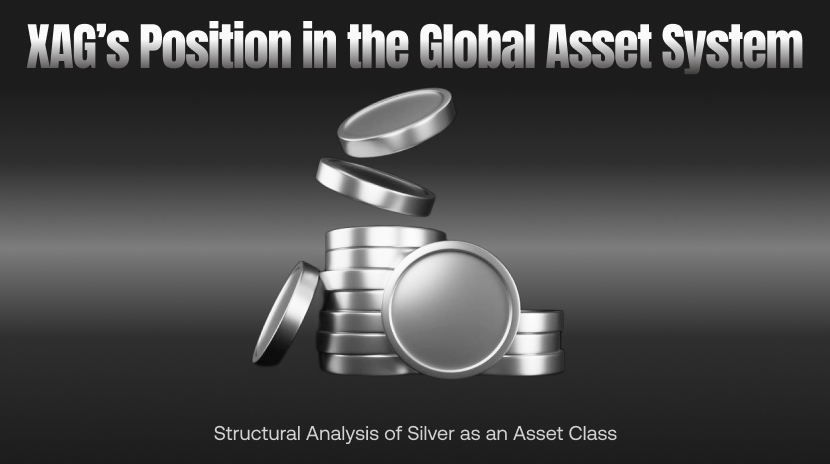
XAG is the international trading code for silver, representing the US dollar price of one troy ounce of silver. Within the global financial system, asset classes are generally defined by their underlying rights structure and sources of return. Equities represent corporate ownership, bonds reflect creditor claims, currencies function as liquidity instruments, and commodities derive their pricing from real world supply and demand dynamics.
2026-05-12 03:30:24