After gaining a foundational understanding of options in the beginner course, the intermediate course explores the fundamental strategies used in digital currency options trading. Starting with the most common single-leg contracts—call and put options, we will be explaining when to use each strategy and how to calculate the profit/loss (PNL) breakeven point. Through this course, you'll gain an insight into the different types of blockchain options products available on Gate, learning basic concepts related to options pricing from a mathematical perspective, and get introduced to the key risk management metrics known as the Greeks. By the end of the first two chapters, you'll be able to place simple options trades on the Gate platform and manage your risk effectively.
About the Course
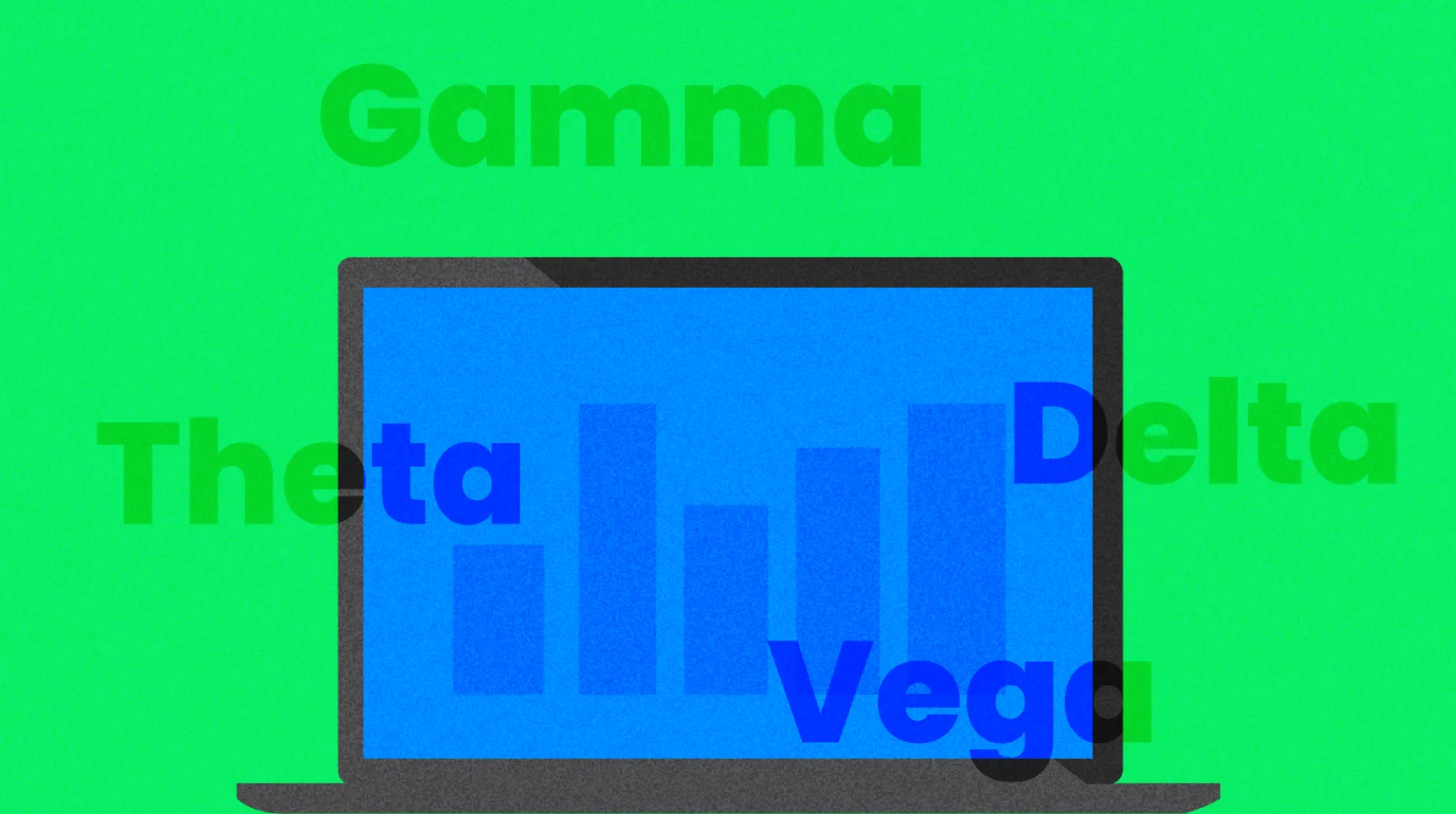
This course provides an in-depth explanation of Call Options (Calls), Put Options (Puts), profit/loss (PNL) calculation, the Black-Scholes-Merton (BSM) model, and the Greeks as they are presented on the Gate platform (e.g., Delta). Additionally, it covers how implied volatility affects Delta, the impact of time decay (Theta), and the Greek's sensitivity to changes in implied volatility (Vega).
What You Will Learn
When to use call options;When to use put options;How to calculate profit and loss in options trades;Key factors in options pricing and how the BSM model is applied;The definition of Delta and how it's displayed on the Gate platform;How implied volatility and time decay affect Delta;Introduction to essential risk management Greeks: Delta, Gamma, Vega, and Theta;How high volatility in the crypto market impacts options valuation.
Gate Exchange's educational platform covers a wide range of topics, including blockchain, popular projects, trading, finance, and more. It aims to provide those interested in the Web3 industry with the most comprehensive information possible to improve their knowledge.
There are no trading rules that are applicable to any scenario. These courses will help you establish your own trading strategy, then test it and improve on it in practice
This course will comprehensively explain Gate's contract grid trading product, combining real-life cases and strategy breakdown, helping users master how to efficiently arbitrage in volatile markets through automated contract grid strategies, adapting to the all-weather crypto market.
This course will provide you with a comprehensive understanding of Gate's Simple Earn product, which is a capital-guaranteed financial product with low risks and stable returns. For subscribers, Simple Earn is similar to a demand deposit in a bank, supporting multiple mainstream cryptocurrencies. The subscription process is simple and the interest calculation period is flexible, making it a suitable wealth management product for ordinary investors.
This course provides a systematic explanation of the core mechanics behind ETF leveraged tokens — a product designed to deliver multiple times the daily returns of an underlying asset by hedging in the perpetual futures market. These tokens are high-risk, high-volatility instruments, best suited for short-term swing trading or hedging strategies.
When used properly, leveraged tokens can amplify gains or hedge market risk, offering key advantages such as:reduced losses in downtrends, and enhanced profits in uptrends.
This course covers everything you need to know about using practical crypto tools. It provides important guidelines for using crypto data aggregators, DeFi data analytics tools, and crypto information platforms. Through this course, you will have a comprehensive understanding of these practical analytics tools.
Memecoins have become a prominent category in cryptocurrency trading, attracting substantial retail interest despite lacking traditional fundamentals. This course presents a detailed examination of how memecoins originate, perform, evolve, and collapse. Participants will gain practical knowledge for identifying, evaluating, and navigating these assets, with emphasis on avoiding common risks. Anyone trading or analyzing memecoins needs to understand how these tokens function across platforms, how market cycles develop, and how scams are structured.