ZetaChain recently approved a governance proposal to shut down its own Layer 1 and migrate to Solana. Why is the project moving away from an independent blockchain? This article examines the evolving role of Layer 1 across security, liquidity, the developer ecosystem, operating costs, and value capture.
2026-09-22 11:20:43
Embercurve is a Solana-based token launchpad powered by Meteora Dynamic Bonding Curve infrastructure. It lets users create and trade new tokens paired with SOL, USDC, tokenized stocks, or other supported assets, while EMBER is connected to fee routing, governance, and Ember Wheel features.
2026-09-17 05:40:15
Solana Seeker SKR rewards must be separated into Season 1 historical allocations, individual Season 2 activities, and SKR staking. Season 1 allocations were published; Season 2 should not be presented as a fixed-amount airdrop, and each activity’s status and claim conditions must be checked separately.
2026-09-15 05:36:46
Anonymous Cat (ZCAT) is a Solana-based meme coin built around a simple concept: holders can receive Zcash (ZEC) rewards generated from a transaction tax on ZCAT transfers. The token combines meme-coin culture with a mechanism tied to Zcash, giving it a distinct position among Solana-based meme tokens.
2026-09-14 05:01:46
ApeOnFone (FONE) is a Solana meme token that uses “an ape on a phone” to describe phone-first, social-driven trading habits. The ticker is FONE, and common public entry points are the project website and X account @apeonfone.
2026-09-07 06:10:19
Helius is committed to enhancing the Solana experience by offering tools such as APIs, RPC nodes, Webhooks, and the innovative ZK Compression solution to help developers build applications more efficiently and at a lower cost.
2026-09-04 07:12:21
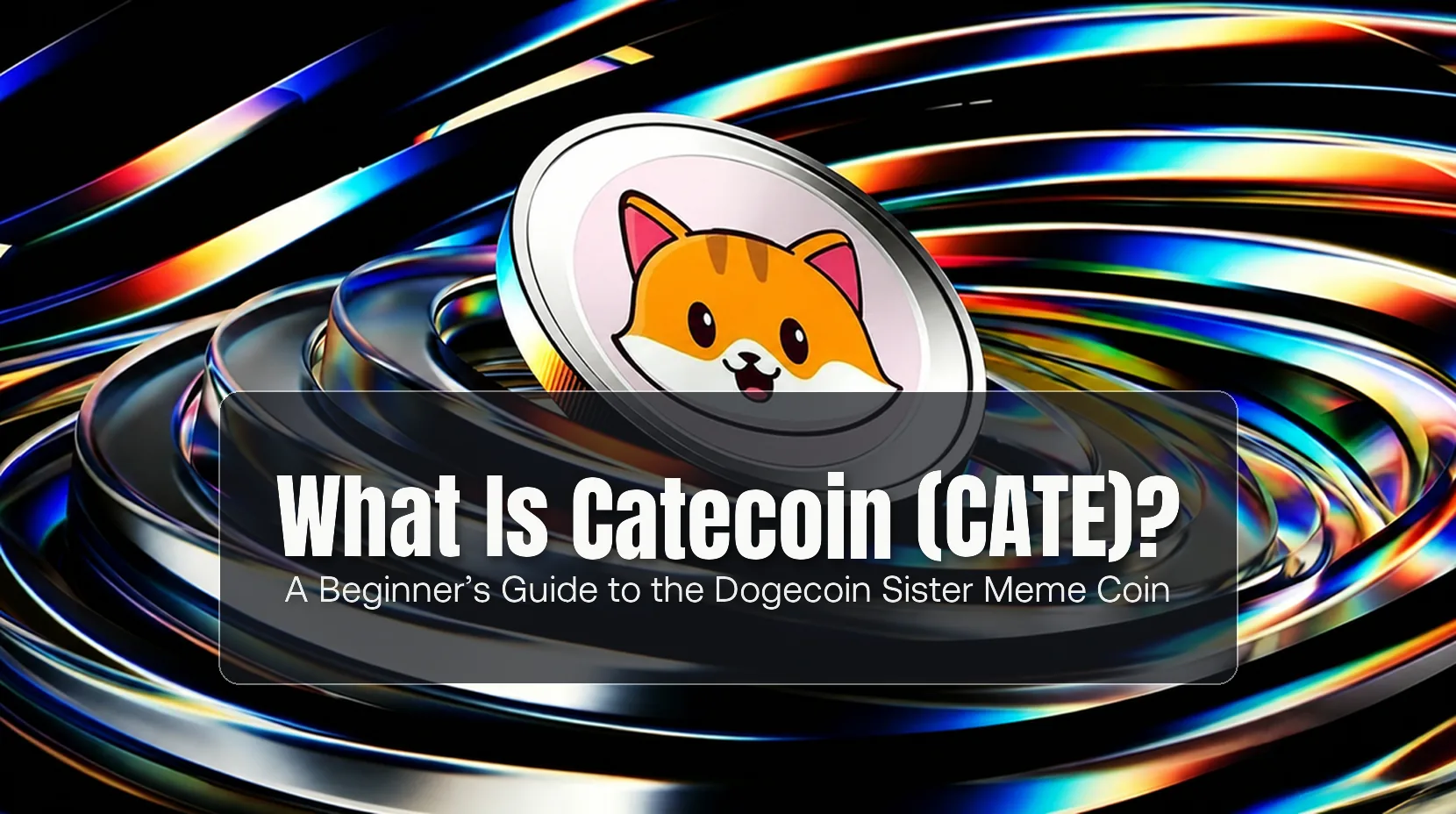
Catecoin (CATE) is a Solana-based meme coin that presents itself as the “cat sister of Dogecoin.” Its narrative draws a playful parallel between DOGE and CATE, using the idea of “Dog + E” and “Cat + E” to position CATE within the broader meme coin culture. The project was inspired by a rescued kitten shared by Atsuko Sato, the owner of Dogecoin’s original inspiration, Kabosu.
2026-08-31 08:02:15
Solana is a decentralized Layer 1 public blockchain built for high throughput and low latency, providing high-performance infrastructure for smart contracts and decentralized applications through architectural optimizations such as Proof of History and parallel transaction processing. As blockchain technology expands into decentralized finance, digital asset issuance, trading, gaming, and other on-chain interactive applications, network performance and scalability have become critical constraints, and Solana is often examined as a direct attempt to solve them.
2026-08-18 09:11:14
Pippin (PIPPIN) is a Solana AI meme project with two layers: a community token with a unicorn persona, and an open-source agent framework for roles, goals, memory, and tool skills. Evaluate the BabyAGI-style loop, demos, and supply concentration—not L1 narratives.
2026-08-03 03:49:52
The core differences between ANSEM and BONK, WIF, and POPCAT lie in token issuance mechanisms and transparency design: ANSEM circulates on PumpSwap after graduating from the Pump.fun bonding curve, with a frontend-first Mercado terminal layered on top; the other three primarily use Raydium fair launches or large-scale airdrop approaches. This distinction directly relates to The Black Bull’s (ANSEM) emphasis on the Pump.fun path, on-chain data readability, and the Radar/Pods/Terminal tool layer.
2026-07-20 11:41:55
The Black Bull's three ecosystem tools have clearly defined roles: Ansem-call Radar tracks Ansem-related on-chain and community signals; LP Pods organizes community liquidity on PumpSwap in a non-custodial manner; Market Terminal directly reads ANSEM's price, liquidity, volume, market cap, and position distribution from the browser. None of the three tools replace SPL holding and transfer operations within the Solana wallet.
2026-07-20 11:40:59
Arcium is a confidential computing network operating within the Solana ecosystem, delivering encrypted data processing capabilities via MPC technology. Its total computation count recently exceeded 1 million, and it enables ZINC to rank among the top three revenue-generating protocols on Solana.
2026-07-16 09:01:39
This article examines Confidential Computing, Multi-Party Computation (MPC) technology, and data privacy protection mechanisms, exploring how Arcium establishes a secure and verifiable blockchain computing environment.
2026-07-16 09:00:55
This article examines how confidential computing connects with AI, DeFi, enterprise solutions, and developer ecosystems, offering insights into the future trajectory of confidential computing in blockchain infrastructure.
2026-07-16 09:00:12
Popcat and BONK are both meme coins on the Solana blockchain. While they both draw from community-driven development and meme culture, they differ significantly in project origin, brand positioning, token issuance method, community building, and ecological expansion direction. Popcat originates from the globally renowned Popcat cat internet meme, placing a stronger emphasis on internet culture and brand communication. In contrast, BONK was born within the Solana community, initially boosting community engagement through a large-scale airdrop and gradually expanding into more Solana application scenarios.
2026-07-14 07:00:22