Buying Bitcoin on Gate (Global site) generally involves a few simple steps including, create an account, complete identity verification (KYC) where required, choose a payment or funding method, and buy BTC through Quick Buy or the spot market.
2026-08-24 14:00:23
Kalshi and Polymarket are both prediction markets, but they differ mainly in regulation, market coverage, funding methods, and user experience as Kalshi is a CFTC-regulated exchange built around global event contracts and traditional funding methods, while Polymarket combines a regulated U.S. platform with a separate crypto-native international market offering broader coverage of politics, crypto, geopolitics, and culture.
2026-08-24 13:50:23
Every trade you execute-whether it's a stock on the NYSE, a EUR/USD position, or a BTC/USDT swap-depends on someone standing on the other side ready to fill your order, and that someone is a liquidity provider. Understanding how liquidity providers operate is essential for anyone trading in financial markets or cryptocurrency markets, because their presence (or absence) directly determines your trading costs, execution speed, and overall market access.
2026-08-24 12:20:20
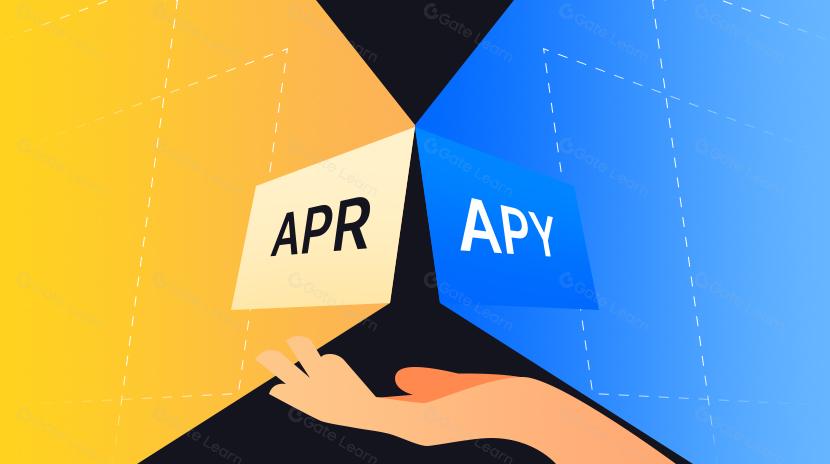
APR and APY are both annualized percentage rates, but they measure different things — APR generally shows the annual cost of borrowing or a stated annualized rate without expressing the effect of compounding, while APY shows how much a balance can earn over a year after compounding is included.
2026-08-24 09:29:16
There is no single best time to sell Bitcoin. If you are asking when should I sell Bitcoin, the practical answer is: sell when your financial goals, time horizon, portfolio concentration, liquidity needs, tax consequences, or original reason for holding BTC have changed enough to justify reducing or exiting the position.
2026-08-24 09:25:33
Crypto payment cards are designed to connect digital assets with everyday spending. Instead of withdrawing crypto to a bank account before making a purchase, eligible users can pay online, shop at physical stores, subscribe to digital services, or withdraw cash from supported ATMs through a virtual or physical card.
2026-08-24 09:07:36
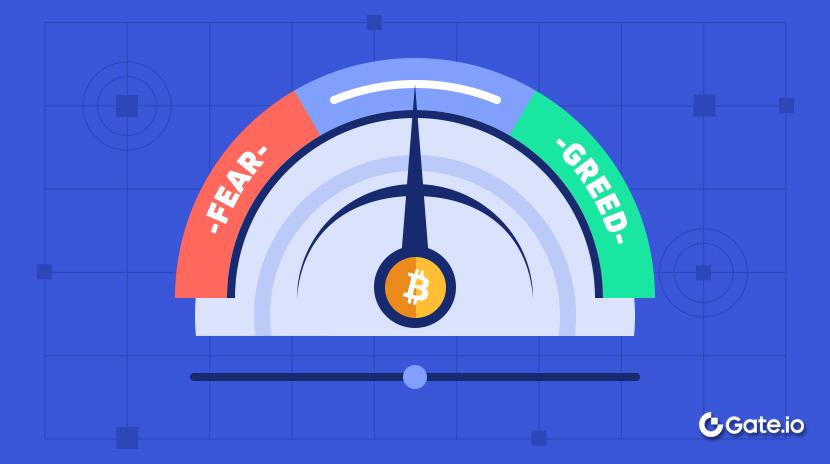
The cryptocurrency market is highly volatile, and prices are often driven by market sentiment. When the market is extremely optimistic, FOMO (Fear of Missing Out) spreads, and investors rush to buy, causing prices to rise rapidly. Conversely, when panic sets in, investors sell off their assets, leading to sharp price declines. In such situations, understanding market sentiment is crucial for traders. The Crypto Fear and Greed Index is a specialized indicator designed to measure market sentiment. This index not only helps investors gauge the current market sentiment but also serves as a reference for decision-making, avoiding blind chasing of rallies or panic selling.
2026-08-24 09:03:06
Morph is an Ethereum-based Layer 2 blockchain network initially designed to deliver high-performance, low-cost on-chain scaling and enhance transaction efficiency on the Ethereum network through Rollup technology. As the blockchain industry transitions from infrastructure development to real-world adoption, Morph is refining its strategy around stablecoin payments as a core future use case, exploring the potential of Layer 2 networks in global digital payments and on-chain finance.
2026-08-24 09:00:54
Morph is evolving from an Ethereum Layer 2 into stablecoin payment infrastructure. This article examines Tachyon, the dual-chain architecture, Morph Payment Accelerator, and Morph’s strategy for positioning itself in the PayFi ecosystem.
2026-08-24 09:00:28
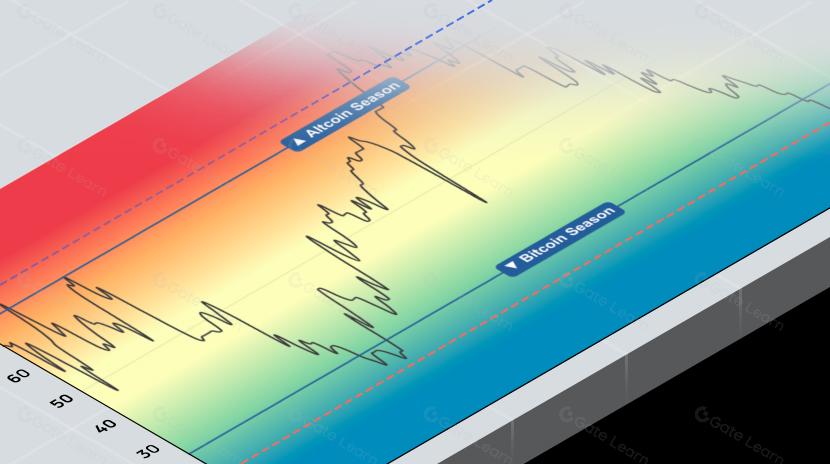
The Altcoin Season Index is a market indicator that measures how many leading altcoins have outperformed Bitcoin over a rolling 90-day period, showing whether market momentum is concentrated in Bitcoin or spreading across a broader group of cryptocurrencies. For sophisticated retail crypto traders and investors, as well as institutions and businesses tracking digital-asset trends, it is a practical way to judge market breadth, relative performance, and whether capital is rotating beyond Bitcoin.
2026-08-24 09:00:00
TronScan is the primary blockchain explorer for the TRON network. It allows users to check TRX and TRC-20 transactions, inspect wallet balances, analyze smart contracts, monitor tokens, and view network activity without logging in. By connecting a compatible wallet such as TronLink, users can also transfer assets, stake TRX, vote for Super Representatives, and interact with TRON ecosystem applications.
2026-08-24 08:45:06
CoW Protocol is an intent-based trading protocol that helps users swap crypto through batch auctions and competing solvers rather than direct on-chain order execution. Its design aims to improve price discovery, reduce MEV exposure, and match compatible orders through Coincidence of Wants when possible.
2026-08-24 08:19:47
Aave, Morpho and SparkLend are the three largest crypto lending protocols by Total Value Locked (TVL) in 2026, followed by JustLend, Maple and Compound. In practice, crypto lending protocols are DeFi platforms where users supply crypto assets to earn variable yield or borrow against collateral through blockchain-based smart contracts.
2026-08-24 08:16:47
Stablecoins are crypto assets designed to maintain a relatively stable value, usually by referencing a fiat currency such as the U.S. dollar, another asset such as gold, or a collateral and hedging mechanism. The main types of stablecoins are fiat-backed, crypto-backed, synthetic or hedged, algorithmic, and commodity-backed, and each holds its peg through a different structure. The largest stablecoins in 2026 include Tether (USDT), USDC, Sky Dollar (USDS), DAI, Ethena USDe, USD1, Global Dollar (USDG), PayPal USD (PYUSD), Ripple USD (RLUSD), and USDD.
2026-08-24 08:04:40
Polygon Bridge is a cross-chain tool for transferring tokens between Ethereum and Polygon. Users can move assets through Polygon PoS, Polygon zkEVM, third-party bridges, or Gate deposit and withdrawal routes with a compatible wallet.
2026-08-24 07:36:56