Tokenized Stocks link traditional securities’ underlying assets with on-chain or platform-tradable token units, solving challenges in cross-asset capital allocation, fractional stock configuration, and Unified Account management. gStocks target this intersection: the underlying layer is anchored to actual stocks, while the platform layer delivers order book matching, System-automated settlement and distribution, and Unified Account connectivity.
When using gStocks, always verify the reserve correspondence for gStocks 1:1 Backing and Conversion, the pathway differences between gStocks vs Traditional Stocks vs CFD, as well as the Gate gStocks Trading Process and the rule constraints in gStocks Risk and Compliance Boundaries.
What Are gStocks and How Do They Differ from Traditional Stocks or CFDs?
gStocks are tokenized stock securities: users own tokenized units tied to specific publicly-listed stocks, not registered stock holdings in a traditional broker account. The platform maintains a 1:1 fully-backed reserve of native shares to ensure that all circulating gStocks correspond directly to real stock holdings.
Unlike traditional stocks, gStocks trade within the Gate Unified Account, with a workflow similar to digital asset order book trading. Compared to Contracts for Difference (CFD), gStocks focus on real stock-backed reserves, not just price exposure through contracts. These three product types differ structurally in position form, settlement process, rights, and rule constraints, and should not be conflated.
| Dimension |
gStocks |
Traditional Stocks |
CFD |
| Underlying Logic |
Tokenized unit + 1:1 share reserve |
Registered holdings in broker account |
CFD exposure |
| Trading Interface |
Gate order book |
Exchange/broker system |
CFD platform |
| Fractional Shares & Threshold |
As low as about 1 USDT, supports fractional shares |
Depends on broker and market |
Depends on contract rules |
| Dividend Handling |
System-automated settlement and distribution |
As per broker and exchange rules |
Usually no shareholder rights |
This table summarizes the core differences. Before choosing, clarify whether you need registered shareholder rights, tokenized exposure anchored to real shares, or pure price volatility via contract trading.
How Does the gStocks 1:1 Real Stock Reserve Work? What Does “Anchoring” and Conversion Mean for Users?
A 1:1 anchor means each circulating gStocks token is backed by an equivalent amount of native shares as a reserve. Issuance and redemption are linked with reserve management—circulating supply cannot exist without real-stock backing. When considering anchoring, users should focus on reserve correspondence, transparency, and two-way conversion protocols, instead of simply tracking token price.
The platform plans to offer free, two-way 1:1 conversion between stocks and gStocks, letting users switch between holding modes without liquidating and rebuilding positions. Conversion availability, fees, and slippage are subject to the Gate product page and official announcements. The anchoring mechanism addresses asset mapping, but does not eliminate market volatility or liquidity risks.
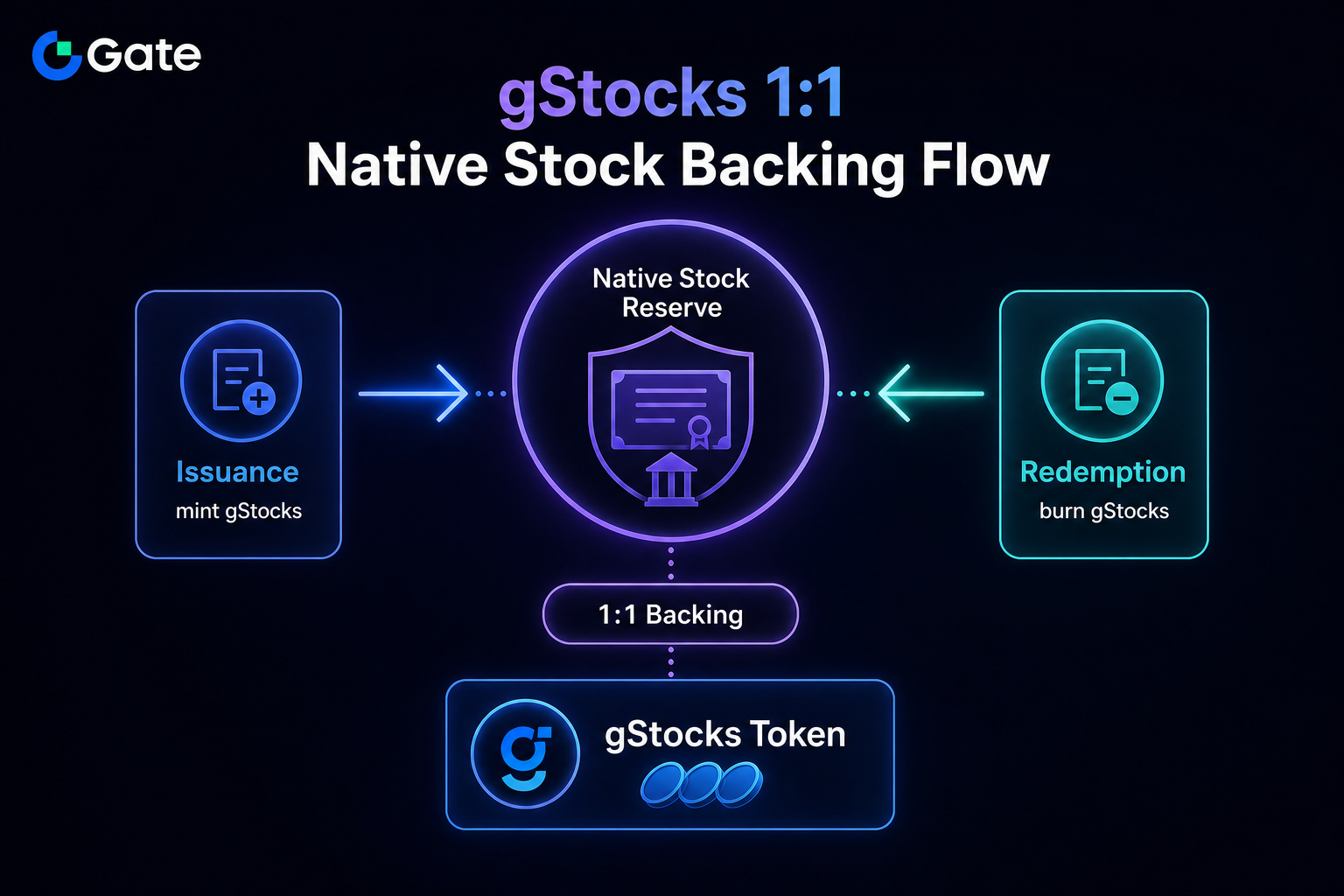
Figure 1. gStocks 1:1 real stock reserve mapping and token issuance relationship.
How to Trade gStocks? Understanding the Order Book, Thresholds, and Execution Process
gStocks use an order book matching system: users search for the asset, select order type, confirm price and quantity, and then submit an order. After execution, positions are reviewed in the holdings area. You can trade with as little as 1 USDT, buy fractional shares, and use Auto-Invest plans or Trading Bots (such as grid or range arbitrage strategies).
For each trade, check three things: correct asset code and name, complete order parameters (price, quantity, type), and consistent holdings and billing after settlement. The Gate gStocks Trading Process covers funding, asset search, order placement, and fee checks. Order book liquidity varies by asset, with popular stocks typically offering deeper liquidity. Always review the order book before placing trades.
What Dividends and Rights Come with gStocks? How Are Settlements Handled?
When the underlying stock pays dividends, the corresponding gStocks holdings receive System-automated settlement and distribution—no manual claim is required. After payout, check your account records for distribution time, amount, and settlement details to ensure they align with the asset’s ex-dividend rules.
Tokenized gStocks do not automatically grant the full suite of traditional shareholder rights. Voting, shareholder meetings, and other governance rights depend on Gate product disclosures and the underlying asset’s rules. While System-automated settlement and distribution enhances the user experience, it does not substitute for ongoing review of the asset’s fundamentals and product terms.
What Can You Do with gStocks in a Unified Account? Understanding Asset Coordination
gStocks are integrated with the Gate Unified Account, so tokenized securities can be managed alongside crypto assets under one account. Typical benefits include: using gStocks as margin for leveraged staking and lending, and enabling idle securities to participate in yield management through Simple Earn.
Unified Account coordination improves capital efficiency and makes multi-asset allocation easier. However, it does not change market volatility, underlying asset risk, or platform rules. When using margin or lending features, pay special attention to liquidation thresholds, interest rates, and cross-asset conversion rules to avoid amplified risk exposure.
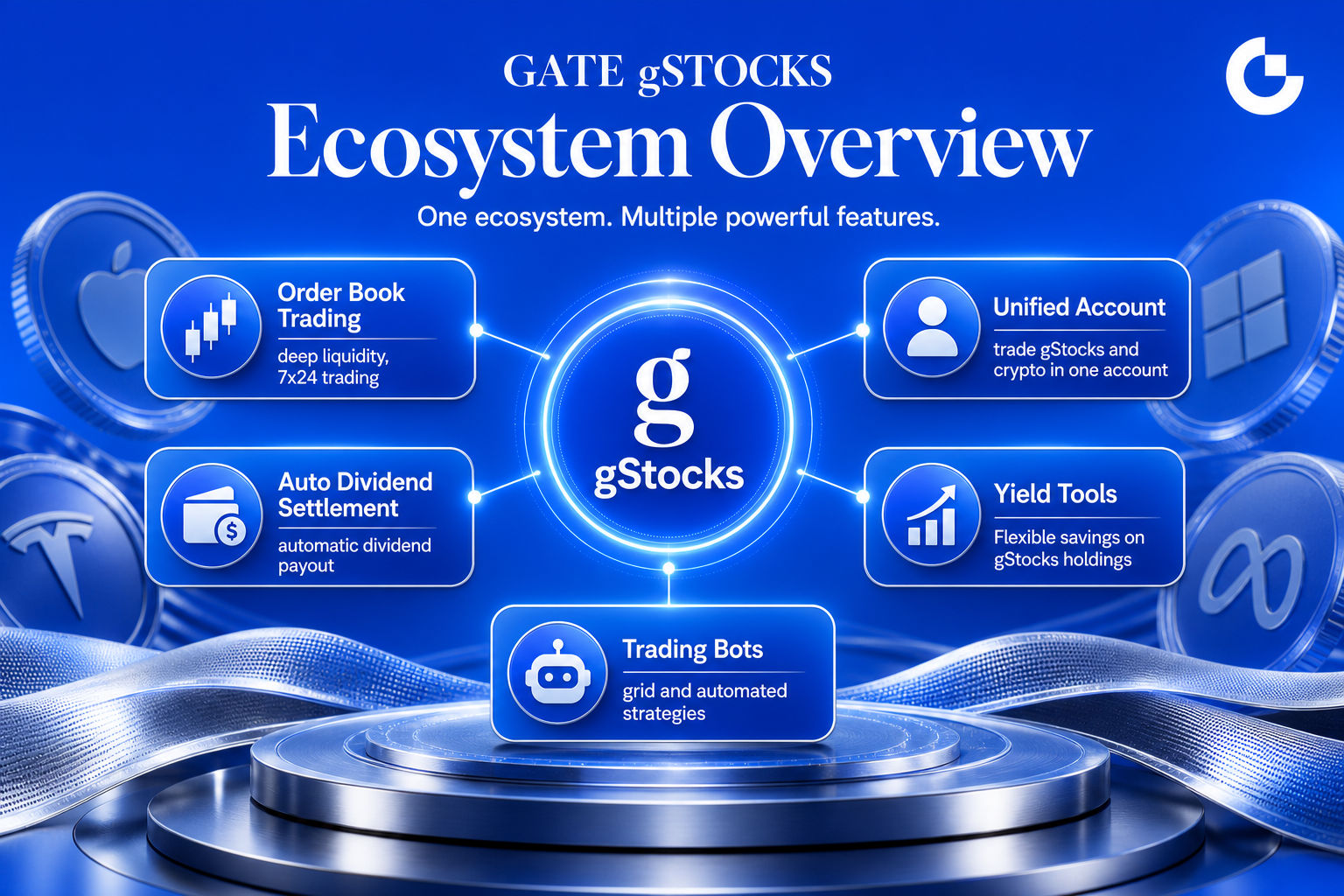
Figure 2. gStocks ecosystem: order book trading, Unified Account, dividend settlement, and yield management.
What Are the Advantages, Risks, and Limitations of Using gStocks Tokenized Securities?
Advantages: gStocks combine real-stock reserves with order book trading, lowering the entry barrier for crypto users to access stock exposure. Fractional shares and Auto-Invest are suited to small, diversified allocations; Unified Accounts simplify cross-system capital flows; and system-automated settlement streamlines dividend tracking.
Risks and limitations: Anchoring does not eliminate risk: price volatility, order book liquidity, and misunderstanding of rules all exist. Gate may restrict or prohibit services in certain jurisdictions; always check service availability for your region before use. Planned features such as two-way conversion and multi-chain expansion are only available when actually launched, not just when announced.
| Risk Type |
Typical Case |
Key Checkpoints |
| Market Risk |
Stock price fluctuations affect gStocks |
Position size and management |
| Liquidity Risk |
Shallow order book leads to slippage |
Review order book, use split orders |
| Rule Risk |
Regional restrictions, product term changes |
User agreement, announcements, product page |
| Operational Risk |
Wrong asset or order parameter errors |
Review holdings and billing after trade |
See gStocks Risk and Compliance Boundaries for common misconceptions and checklists. Clear mechanisms and standardized procedures ensure tokenized securities work as intended.
Summary
The core value of gStocks lies in the combination of “1:1 real stock reserve + order book trading + Unified Account coordination.” For users, the main point is not the concept, but whether you can understand and apply anchoring logic, trading processes, dividend rules, and risk boundaries within a unified framework. When asset mapping, order parameters, and compliance status are all clearly verified, gStocks become an effective tool for tokenized stock scenarios.
FAQ
Are gStocks the Same as Buying Stocks Directly?
No—they are different holding models. gStocks are tokenized securities, featuring 1:1 real stock reserves and order book trading on Gate; traditional stocks are held and settled through broker accounts in the stock market. Account structure, rights, and trading rules differ.
Are gStocks Truly 1:1 Anchored to Real Stocks? How Can Users Verify?
gStocks operate under a 1:1 fully-backed stock reserve standard, with token supply matching the underlying reserve. Users can verify this through Gate product disclosures, official announcements, and account holdings. Anchoring ensures asset mapping, but does not remove market volatility risk.
What Is the Minimum Purchase Threshold for gStocks? Are Fractional Shares Supported?
gStocks can be purchased from as little as 1 USDT and support fractional share splitting and purchases, as well as Auto-Invest plans. Always check the product page for minimum order size, order type, and fee structure.
How Are gStocks Dividends Paid? Do I Need to Claim Them?
Dividends generated from holdings are System-automated settlement and distribution and credited to your account; no manual claim is required. After receipt, check your account for distribution time, amount, and settlement details.
What Should You Confirm Before Using gStocks?
First, confirm three things: anchoring and trading mechanisms (reserve mapping, order rules), operational steps (asset verification, order review), and compliance (regional service coverage and product terms). When all three are clear, you can minimize misunderstandings and execution risk.