Start with Gate Wealth as a private-banking-style wealth layer, then contrast Gate Earn’s product-line subscriptions. Educational only—not investment, tax, or legal advice; availability follows local rules and live displays. Readers comparing the two are usually making a service-model choice: relationship-led multi-asset work versus self-serve product use over time.
Key takeaways
- Gate Wealth targets UHNW clients and institutions with a Web3–TradFi wealth platform; Gate Earn targets retail users with self-serve crypto yield products.
- Wealth emphasizes a unified dashboard, 24/7 relationship managers, and institutional liquidity; Earn emphasizes App/Web subscription to discrete products.
- Wealth can span crypto, fiat, RWA, equities/indices, FX, bonds, IPOs, trusts, and structured offerings; Earn centers on crypto interest, staking-style, dual-investment, and auto-invest flows.
- Choose by service depth and asset boundary—not by chasing a headline return number. Good fit depends on needs, not on ranking a single displayed yield figure.
Gate Wealth vs Gate Earn at a Glance
| Feature |
Gate Wealth |
Gate Earn / ordinary crypto earn |
| Positioning |
Private-banking-level comprehensive wealth management |
Retail-oriented crypto yield products |
| Audience |
UHNW individuals and institutions |
Mainly everyday individual users |
| Asset scope |
Crypto, fiat, RWA, equities/indices, FX, bonds, IPOs, trusts, structured |
Crypto interest, staking-style, Dual Investment, Auto-Invest |
| Service model |
24/7 RMs + research; Wealth Dashboard |
Self-serve App/Web subscribe and manage |
| Execution |
Institutional OTC, global liquidity, IBAN/cross-border fiat paths |
Standardized product subscription and settlement |
| Lifecycle |
Allocation, liquidity, trusts/succession, institutional financing |
Single-product or product-line cycles |
The table follows Gate Wealth’s product page and public launch materials: Wealth is a higher-touch, multi-asset service layer; Earn is a self-serve crypto earn catalog.
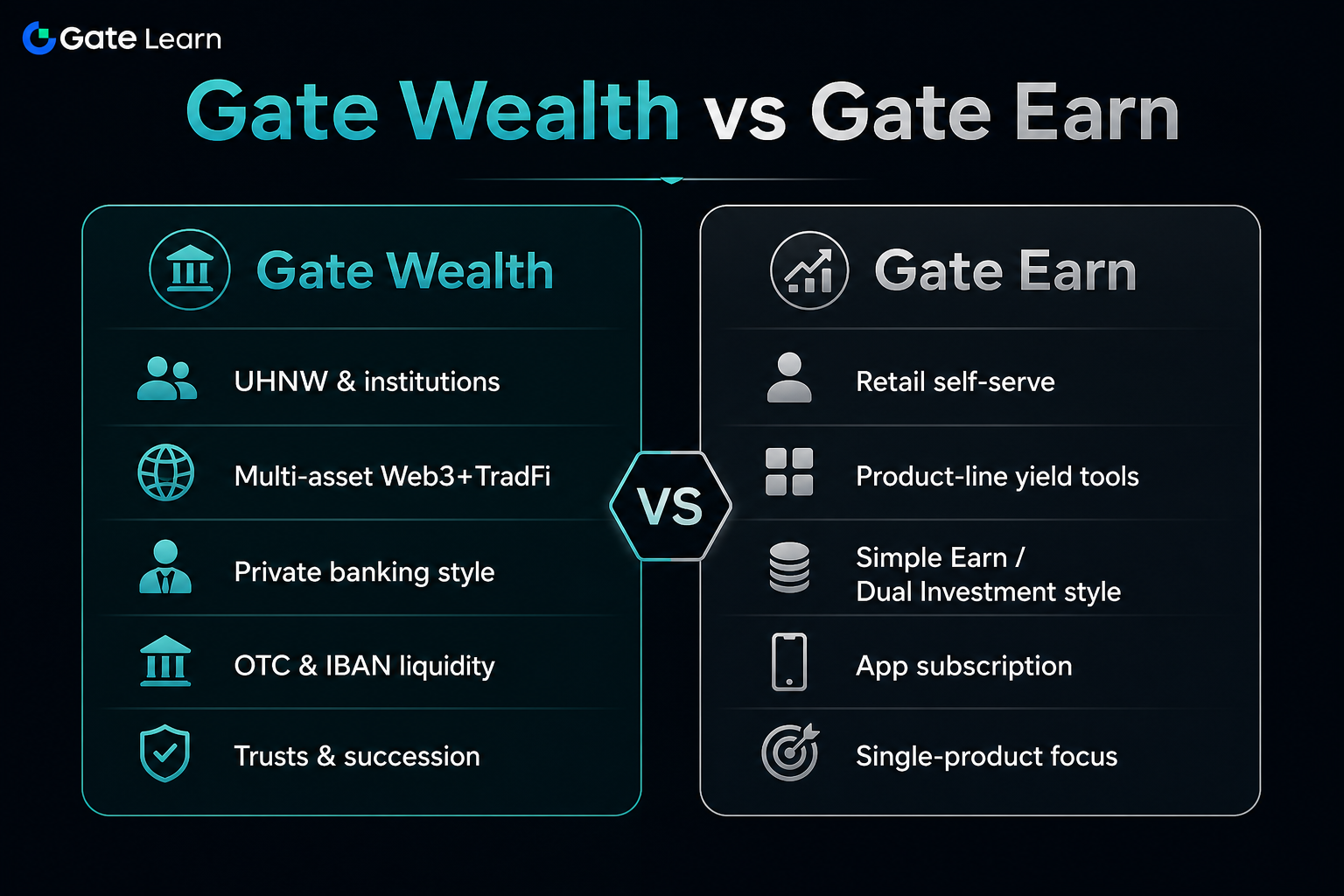
Figure 1. Gate Wealth vs. Gate Earn across audience, asset scope, service model, and execution capabilities.
What Is Gate Wealth?
Gate Wealth is Gate’s comprehensive wealth-management and private banking-level platform for global UHNW individuals and institutions. It places Web3 digital assets and traditional financial assets under one account and service framework. Per the product page and launch announcement, materials highlight secure compliance with transparent 100% Proof of Reserves (PoR), 24/7 1-on-1 dedicated private banking relationship managers, OTC and IBAN-related liquidity paths, a Wealth Dashboard, family trusts and succession planning, and digital asset–backed financing. Full explainer: What Is Gate Wealth.
In traditional finance language, private banking and wealth management often overlap: both use dedicated advisors helping people with high-balance needs over years. Gate Wealth borrows that relationship model for digital assets without claiming it is identical to a licensed bank private bank in every jurisdiction. The useful educational split is still clear—Wealth is built for coordinated multi-asset work; Earn is built for product-level use.
What Is Gate Earn / Ordinary Crypto Earn?
Gate Earn is Gate’s retail-oriented crypto yield line—Simple Earn, Soft Staking, Dual Investment, Auto-Invest, and related products. Users subscribe and redeem under App/Web product rules at the single-product or product-line level, not a private-banking multi-asset lifecycle. USDT-focused retail paths: How to Earn USDT.
How crypto earn products work, at a high level: start from a supported balance, select Simple Earn or another earn product, review displayed rates and lock terms, then subscribe. Accrual is usually based on product rules rather than a custom advisor mandate. On many earn products, rewards accrue by the day; users receive rewards in the currency the product page shows, and can change plans only when redemption or term rules allow. Simple Earn is designed so people can start with clear features—flexible or fixed-style terms—without blockchain wallet ops beyond the exchange account. That is useful for routine idle balances; it is not a substitute for a full private-banking allocation plan.
How Do Audience and Positioning Differ?
Gate Wealth is private-banking-level wealth service for UHNW clients and institutions; Gate Earn is retail crypto earn for self-serve subscribers. Wealth stresses cross-cycle, multi-asset solutions and one-to-one coverage. Earn stresses a clear catalog, transparent product rules, and user-selected tenors or types. That split drives asset scope and service touch—not a ranking of which line “pays more.”
Private banking vs wealth management is a common question outside crypto as well. In many markets, private banking emphasizes high-touch advisors and lifestyle banking, while wealth management emphasizes portfolio construction and ongoing advice. Gate’s public framing for Gate Wealth sits closer to that high-touch wealth layer for UHNW people and institutions, while Gate Earn remains a product catalog for everyday use. Readers making the comparison should ask which needs dominate: relationship coverage and multi-asset coordination, or time-boxed product subscriptions.
How Do Asset Scope and Allocation Boundaries Differ?
Gate Wealth’s boundary is broader: crypto and fiat, RWA, equities/indices, FX, bonds, IPOs, trusts, and structured offerings. Gate Earn mainly covers crypto interest, staking-style rewards, and structured earn products such as Dual Investment. The Gate Wealth product page also shows customized high-value subscription categories (gated private-banking style); exact entry rules follow the live page and are not invented as fixed thresholds here.
UHNW profiles sometimes involve balances measured in millions of USD-equivalent across wallets and accounts. Those size needs often require larger OTC tickets, segregated fiat paths, and carefully tracked multi-asset views over years. Retail Earn users more often work with a single token balance and a displayed plan size. Neither path is “good” or “bad” in isolation—fit depends on the work required and the questions people need answered before they trade or subscribe.
How Do Service Models and Dedicated Support Differ?
Gate Wealth centers on 24/7 dedicated relationship managers, research support, and a Wealth Dashboard. Gate Earn centers on self-serve App/Web subscription and is not positioned as private banking with a dedicated RM. Block execution, cross-border fiat, or multi-account oversight map to Wealth; idle crypto in rule-clear products map to Earn.
Relationship managers and research advisors spend time helping clients interpret allocation options, liquidity windows, and documentation needs. Self-serve Earn users still need to read product rules carefully, but the workflow is making a subscription decision rather than coordinating multi-desk trade execution. When the main questions concern which earn plan fits a balance and time horizon, Earn is usually enough. When the questions concern trusts, succession, or high-ticket conversions, Wealth’s service model is the closer reference.
Gate Wealth emphasizes institutional OTC, a global liquidity network, and IBAN-related cross-border fiat capabilities. Gate Earn’s execution is mainly standardized subscription, accrual, and maturity/redemption settlement. Large fiat–crypto conversion aligns with Wealth; one earn subscription under page rules aligns with Earn.
Large trade tickets can move displayed prices if executed poorly; institutional OTC desks aim to work large size with lower market impact relative to a naive spot sweep. Earn products do not replace that trade-execution layer—they use balances after a user decides to subscribe. People making frequent small earn subscriptions do not usually need OTC advisors; people moving high notional across fiat and crypto more often need the Wealth liquidity toolkit. Crypto Earn FAQ-style questions map mostly to Gate Earn: what rates are displayed, which terms are available, when rewards start, how rewards are based on day-count rules, when you receive payouts, and whether you can change allocations mid-term. Wealth’s network and OTC features answer a different set of questions about settlement time, fiat rails, and multi-asset custody—not daily earn accrual alone.
Which Should You Choose: Gate Wealth or Gate Earn?
Choose by audience fit, asset boundary, and service depth—not by chasing any product’s displayed return. Educational criteria only—not investment advice. Spend time listing required capabilities, then map them to Wealth or Earn rather than making a decision from marketing labels alone.
Choose Gate Wealth if… multi-asset crypto and TradFi/RWA exposure is required; a dedicated RM, unified wealth view, or trust/succession arrangements matter; institutional OTC or cross-border fiat paths are needed; balances or tickets may reach millions in notional and need advisors helping with high-touch workflow; or the profile aligns with UHNW individuals or institutions.
Choose Gate Earn if… the need is standardized crypto interest, staking-style rewards, or structured earn products; self-serve App/Web subscription is preferred; Dual Investment, Auto-Invest, or Simple Earn rules are the focus; the priority is clear product pages without private-banking advisors; or the goal is retail crypto earn lines rather than a multi-asset private-banking framework.
Summary
Gate Wealth is private-banking-style, multi-asset wealth management for UHNW clients and institutions bridging Web3 and TradFi. Gate Earn is retail, self-serve crypto yield product lines. Asset scope, relationship coverage, and execution tools scale with that split. Good comparisons focus on needs, time horizon, and the work required—not on making one product look universally better.
In practice, start by listing whether advisor-led multi-asset work or simple earn products with clear rates and terms are required. If the day-to-day goal is to subscribe, accrue, and receive rewards under displayed product features, Earn is the closer fit. If the goal is liquidity network access, customized products, and relationship coverage based on UHNW needs, Wealth is the closer reference. Rates, terms, and features can change on live pages—re-check displayed rules before starting a new subscription. Neither framing is a return promise or investment recommendation.
FAQ
What is the main difference between Gate Wealth and Gate Earn?
Gate Wealth is private-banking-style wealth management for UHNW individuals and institutions, with multi-asset scope and dedicated service. Gate Earn is retail crypto earn—Simple Earn, Soft Staking, Dual Investment, Auto-Invest, and similar self-serve products. The main difference is who the service is for and how deep the support goes, not which label displays a higher rate.
Is Gate Wealth for everyone, or only UHNW and institutions?
Public materials position Gate Wealth for global UHNW individuals and institutions. Retail users whose main need is standardized crypto earn are usually closer to Gate Earn. People with everyday earn questions can use Earn without making a Wealth request. Availability follows local regulations and live display.
What assets can Gate Wealth cover versus ordinary crypto earn?
Gate Wealth can span crypto, fiat, RWA, equities/indices, FX, bonds, IPOs, trusts, and structured offerings. Gate Earn mainly covers crypto yield and structured earn products. Broader coverage is useful when portfolio needs span TradFi and Web3 over years; Earn remains a good fit for single-asset yield work.
Is Wealth’s OTC / institutional liquidity the same as an Earn subscription?
No. Wealth’s institutional OTC, global liquidity, and IBAN-related paths support large conversions and cross-border fiat workflows, including larger trade size needs. Earn subscriptions are standardized product takes and settlements. Mixing the two labels confuses execution work with earn accrual.
Is Gate Wealth available in every region?
Not necessarily. Some modules may be restricted by jurisdiction, and required checks can vary by location and time. Availability follows local rules and live Gate pages. When in doubt, check displayed eligibility rather than assuming global access.