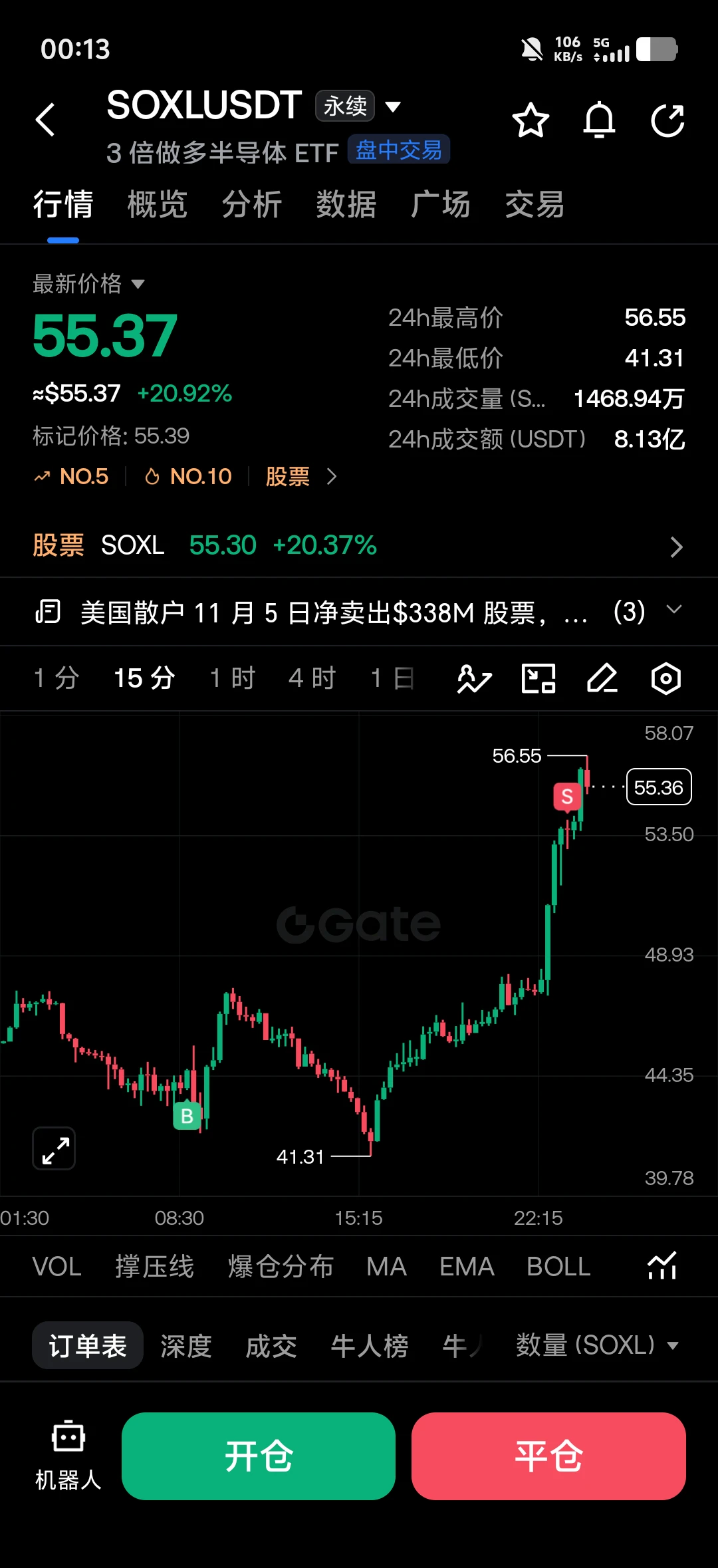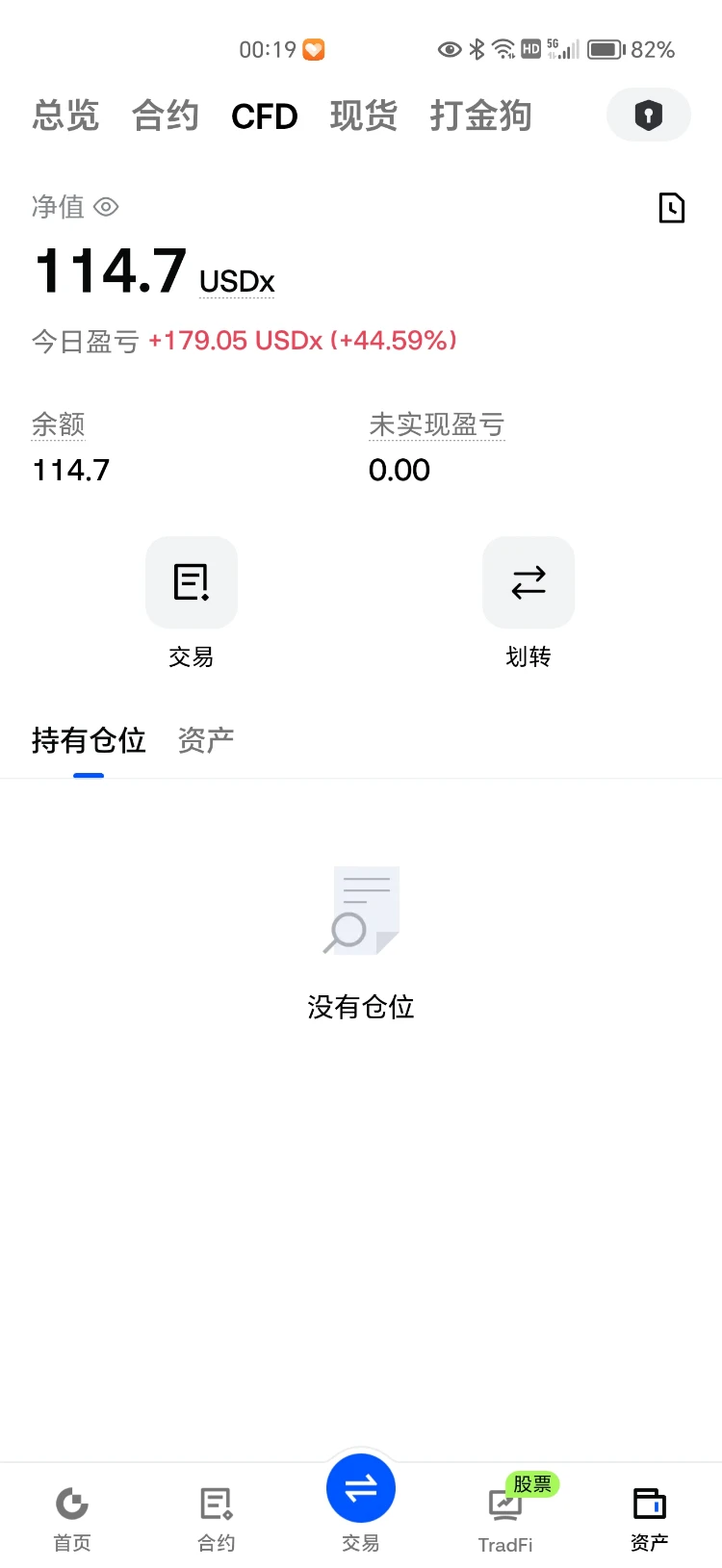




As for this SanDisk dip-buying situation, here’s an update: just as I said before, those who bought the dip at 1,000 are already trapped. When SanDisk was at 1,300, I told everyone not to buy the dip at 1,000—you could only start entering around 850. Let me explain the current situation. This entire downturn is due to overwhelming strength from the bears, with an extremely strong consensus on the short side. Wall Street funds may be aggressively shorting it, and institutions are all selling. Only a small number of retail investors are buying the dip. In this rally, from 794 to 880, retail investors played very little part. First, their capital isn’t coordinated around a shared conviction, and their orders are scattered. It was entirely partial profit-taking on short positions that pushed the price up. Don’t think you were the ones who drove it up by buying the dip—don’t overestimate yourselves. The key right now isn’t when the price will rally. You’re all waiting for this revenge rebound.
U.S. stocks are liquid assets, and after becoming oversold, a lot of people will come in to buy. That’s true. But for an asset this liquid, a bottom is only confirmed when it either rebounds quickly or nobody buys or sells anymore and it moves sideways. That’s when you can go in and buy. You should focus on price action, not just the price itself. In other words, the real bottom-buying zone is where everyone wants to buy and scramble for shares, and short sellers’ profit-taking overlap. After all, closing short positions is equivalent to buying, and when so many shorts are taking profits, that creates powerful market buys. If you buy the dip then, you can really make a lot of money. Otherwise, either build your position in batches with leverage of 5x or less, or do what I do and try to catch the turning point.
I’ve already told you what turning points look like and what it feels like when it’s time to buy the dip. My prediction for next week is that it’ll first stabilize and move sideways around 720–750, then rebound.