
#SpaceXQ3Earnings #WCTCS9 SpaceX earnings night: a beat-meet-miss decoder for SPCX at $144.55
SpaceX reports its third-quarter results tonight after the market closes, with the call at 4:30 p.m. ET. With SPCX near $144.55, here is a decoder for what each outcome could mean, built on the latest consensus and options data.
The setup in four numbers
SPCX closed Friday at $146.03 and has lost more than 10% over the week. It is in a pullback after a rally from an August low near $105 to a high near $176 in early October. By my math, $144.55 is about 18% below that high and about 38% above the August low. The price sits in the middle of a very wide range.
The consensus
Bloomberg consensus expects revenue of $12.89 billion, adjusted EPS of $0.149 and EBITDA of $6.62 billion. Analysts forecast a positive EPS of $0.13 against a loss of $0.09 in Q2. If met, it would be the first positive quarterly EPS since going public. Q2 revenue was $7.81 billion, up 92% year over year, so the consensus implies growth of about 65% from Q2 by my calculation.
The mix is the real story
The market expects AI revenue of about $6.4 billion, up about 150% from $2.56 billion in Q2, surpassing Starlink for the first time to become the largest revenue source. Connectivity is forecast at about $4.84 billion against $4.29 billion last quarter, and FactSet expects $6.47 billion in AI revenue. Together, AI and connectivity make up about 88% of expected revenue by my math. Consensus also expects about 14.3 million consumer Starlink subscribers.
The cost side
Growth is expensive. In Q2, SpaceX spent $18.4 billion on capital expenditures, including $15.83 billion on AI infrastructure. In early October, the company said it plans to raise $40 billion to buy Nvidia AI chips. Its price-to-sales ratio is about 155 times, well above its historical median. That is why one preview says AI monetisation, capex guidance and future financing requirements will likely matter more than headline earnings.
What the options market expects
Options traders are pricing in a 7.8% move after earnings. Other estimates are tighter: one calculates plus or minus 6.8%, and another sees 5.3%. At $144.55, a 7.8% move means a range of roughly $133 to $156. Puts cluster near $140 and calls near $150, which frames the first levels to watch.
The decoder
Beat: revenue above about $13 billion, EPS at or above $0.15, and AI revenue clearly above $6.4 billion. If capex stays controlled and management shows progress toward the $100 billion-plus revenue run-rate target, the bull case strengthens. The first upside reference is the $150 call cluster, then $156 at the top of the implied range. The average analyst target of $217.50 is about 50% above $144.55, though targets lag price.
Meet: numbers land near consensus. The stock reaction will hinge on guidance, financing and the quality of growth. I would expect a choppy move inside the implied range.
Miss or financing shock: revenue light, AI conversion slower than expected, or capex raised sharply with a larger funding need. One technical preview is already asking whether the stock can hold $140, and a break would put the $133 area in play, about 8% below the current price.
What makes this quarter different
This is only the second full quarterly report since the listing, and the first real test of whether AI compute contracts turn into revenue. Analysts are mostly positive, with a Moderate Buy consensus built on 28 Buys, 5 Holds and 2 Sells, and Evercore raised its target to $275. Conviction is higher than price action, which is why the reaction can be sharp either way.
Upside catalysts worth listening for
Starlink Mobile progress, since SpaceX plans to buy wireless spectrum for about $8 billion to help reach users indoors, and the FCC approval of 15,000 more next-generation satellites. Subscriber growth and average revenue per user would also shape profit expectations.
The market backdrop
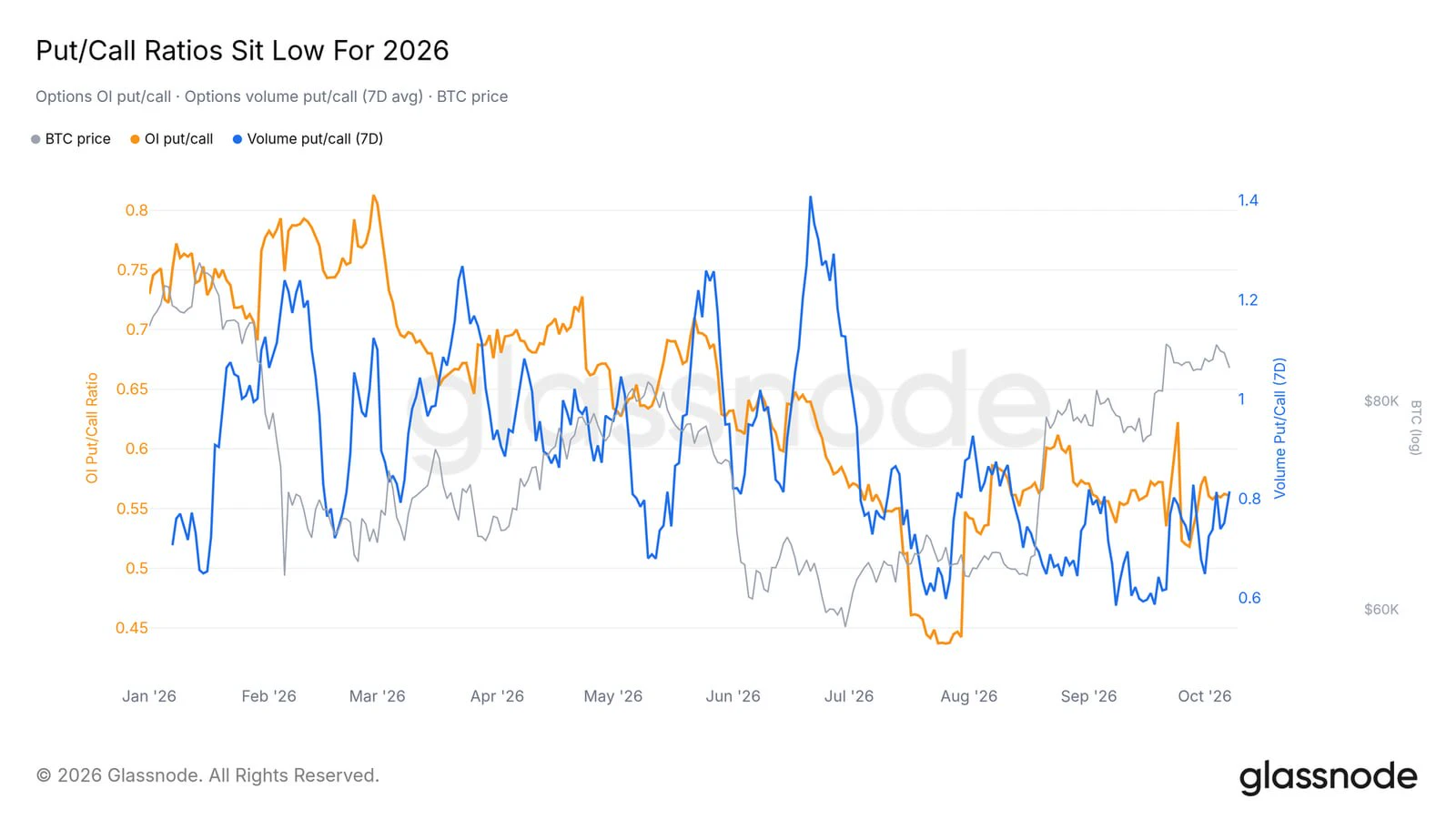
Tonight sits inside a dense week. Tesla reports tomorrow, Solana's Alpenglow upgrade is scheduled for the same day, Western Digital reports Thursday, and the Fed meets October 27-28. The Nasdaq is coming off a loss of nearly 5%, and BTC is near $81,800, so risk appetite is fragile. A weak SpaceX print could pressure AI-linked assets broadly, while a strong one could help sentiment into Tesla.
How I would handle it
I would not trade the first headline. I would wait for the call, watch capex and AI capacity commentary, keep size small and avoid leverage around the release. The after-hours move often reverses by the next open.
#SpaceXQ3Earnings $SPCX