Exploring Flare Network: An In-Depth Look at FLR Tokens and Smart Contracts
What Is Flare Network?
Flare Network represents a significant innovation in blockchain technology as an EVM-based Layer 1 blockchain designed specifically to enable developers to build interoperable applications. The fundamental distinction of Flare Network from traditional blockchain platforms lies in its ability to facilitate cross-chain interactions, allowing decentralized applications built on its infrastructure to communicate seamlessly with other blockchains. This groundbreaking capability opens up entirely new use cases and monetization models by providing decentralized access to high-integrity data across multiple blockchain ecosystems.
The network was founded by a team of visionaries including Hugo Philion, Nairi Usher (serving as Chief Scientist), and Sean Rowan. Initially, the project's primary objective was to introduce smart contract functionality to blockchain networks that inherently lacked this capability, such as Ripple (XRP), thereby expanding their utility and practical applications. The network's native token was originally called Spark before being rebranded to FLARE in December 2022.
The project gained significant traction in 2019 when it received substantial investment from Xpring, Ripple's dedicated investment arm. This was followed by a successful funding round in 2021, during which the project raised $11.3 million. These investments validated the project's potential and provided the necessary resources for development and expansion.
According to Flare Network's evolved vision, the network aims to revolutionize cross-chain functionality. Historically, token bridging between different blockchains was predominantly limited to centralized systems, which closely resembled traditional banking models and introduced single points of failure. While decentralized alternatives existed, they were often plagued by inefficiency and security vulnerabilities. Flare Network seeks to fundamentally transform this landscape by delivering true, secure, and fully decentralized interoperability solutions.
How Does Flare Network Work?
The operational framework of Flare Network is built upon two sophisticated and interoperable protocols: the Flare Time Series Oracle (FTSO) and the State Connector. Each protocol serves a distinct but complementary purpose in achieving Flare Network's goal of seamless cross-chain functionality.
The State Connector protocol functions as a mechanism for achieving consensus on data originating from external blockchains, allowing this information to be recorded directly on-chain. This protocol essentially acts as a bridge, verifying and confirming the state of other blockchains without requiring centralized intermediaries. The FTSO, on the other hand, operates as a decentralized oracle system that delivers off-chain data to the blockchain in a trustless manner. This includes real-time price feeds, market data, and other external information that smart contracts require for execution.
The synergistic combination of these two protocols enables decentralized applications to leverage real-time information from across multiple blockchain ecosystems. Furthermore, Flare Network places particular emphasis on providing reliable data inputs for Decentralized Finance (DeFi) platforms. This focus addresses a critical challenge in the blockchain industry, as standard decentralized systems have historically struggled to obtain reliable consensus on external data. This capability has generated considerable anticipation within the blockchain industry regarding Flare Network's potential impact.
To achieve interoperability, Flare Network first integrated its network with the Ethereum Virtual Machine (EVM). This integration allows the network to convert smart contracts written in high-level programming languages into machine-readable bytecode that computers can execute. This compatibility with EVM standards means that developers familiar with Ethereum development can easily build on Flare Network.
This architecture enables Flare Network to execute what are known as Turing complete smart contracts. These are sophisticated smart contracts that machines can execute autonomously when provided with proper instructions, without requiring human intervention at each step of the process.
Flare Network Features
Flare Network distinguishes itself through several key features that position it as a unique player in the blockchain ecosystem. Most notably, it holds the distinction of being the first Turing-complete Federated Byzantine Agreement (FBA) network in the world. This achievement represents a significant technical milestone in distributed systems design.
Flare Network's compatibility with the Ethereum Virtual Machine (EVM) ensures that developers can leverage existing tools, libraries, and smart contracts from the Ethereum ecosystem. This compatibility dramatically reduces the learning curve and development time for projects choosing to build on Flare Network. Additionally, the network offers low transaction costs compared to many competing platforms, making it economically viable for a wider range of use cases and applications.
Scalability represents another crucial advantage of Flare Network. The platform is designed to handle increased transaction volumes without experiencing the congestion and high fees that plague many first-generation blockchains. Furthermore, the network eliminates dependency on the native token for all operations, providing greater flexibility for users and developers.
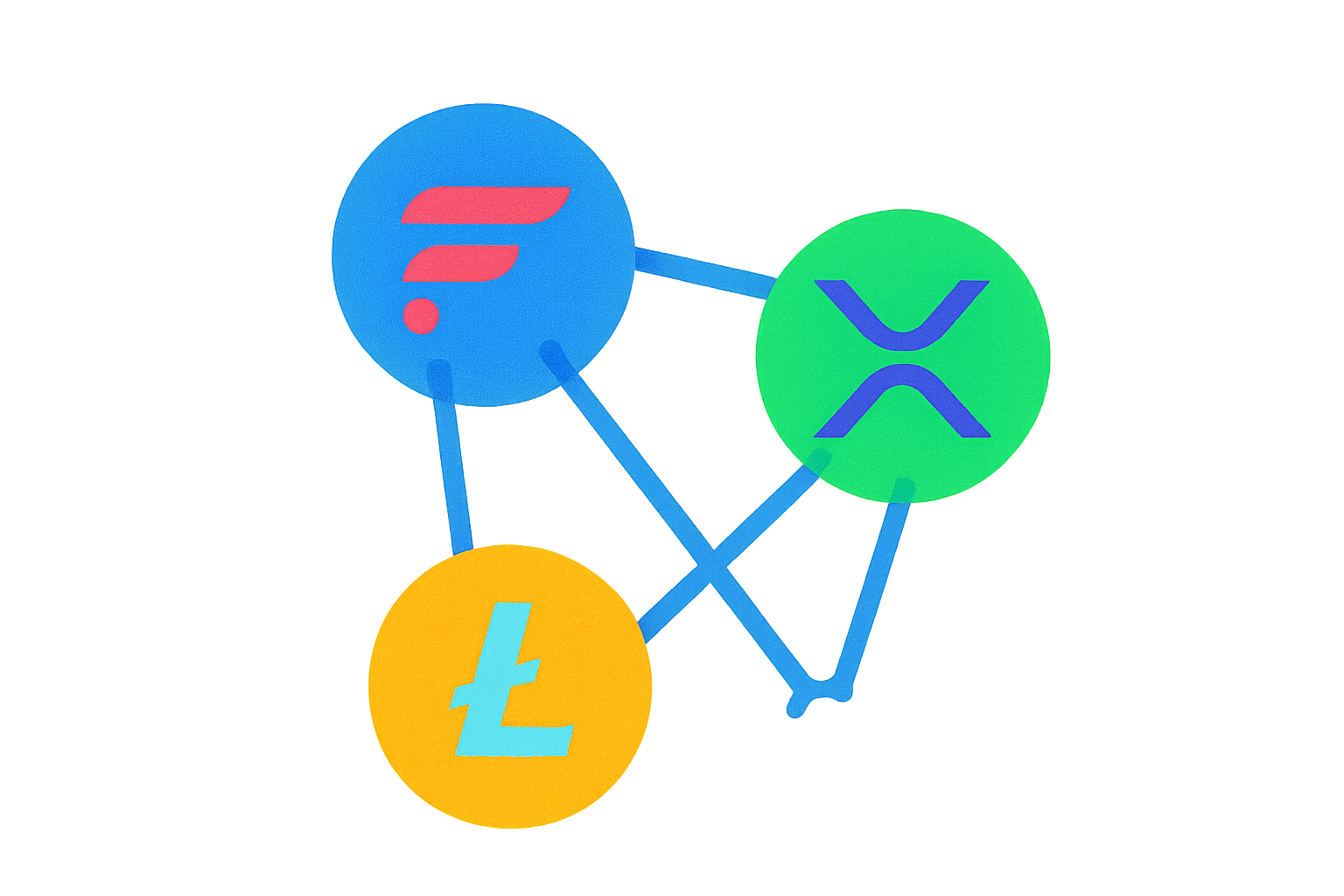
One of Flare Network's most innovative solutions is its tokenization capability, which enables smart contract functionality on blockchains that don't natively support it. This includes major cryptocurrencies such as XRP, Litecoin, Dogecoin, and Stellar. By wrapping these assets and bringing them onto the Flare Network, holders of these coins can participate in DeFi protocols, engage in the NFT marketplace, and access numerous other decentralized applications that would otherwise be unavailable to them.
The network's native token, FLARE (formerly known as Spark), serves multiple functions within the ecosystem. Thanks to Flare Network's strategic collaboration with Ripple, XRP holders were able to obtain FLR tokens through an airdrop distribution. Token holders can use FLR for paying transaction fees, which serves the dual purpose of compensating validators and protecting the network from spam attacks. Without transaction fees, the network would be vulnerable to attacks involving floods of worthless transactions. Beyond transaction fees, FLR tokens are also accepted as collateral within decentralized applications, expanding their utility within the ecosystem.
Pros and Cons of Flare Network
Like any blockchain project, Flare Network presents both advantages and disadvantages that potential users and investors should carefully consider before engaging with the platform.
Flare Network's strengths are considerable and multifaceted. First and foremost, it offers a rich feature set that enables unprecedented functionality across the blockchain ecosystem. The ability to bring smart contract capabilities to blockchains that inherently lack this functionality represents a significant technological achievement. For example, XRP and Litecoin holders can now access DeFi applications and other smart contract-based services that were previously unavailable to them.
Flare Network's fully decentralized architecture ensures that no single entity controls the network, which translates to a predictable and trustworthy governance system. This decentralization is not merely theoretical but is embedded in the network's consensus mechanism and operational structure. The project has also garnered support from multiple major and reputable cryptocurrency exchanges, which provides liquidity and accessibility for users. Additionally, reliable brokers support the project, lending further credibility to its operations.
Flare Network provides substantial incentives to encourage users to become transaction validators, fostering a robust and distributed validator set. In fact, Flare Network actively encourages users to take on active roles throughout the network, whether as validators, data providers, or governance participants. This approach helps ensure the network's security and decentralization while creating opportunities for users to earn rewards.
However, potential considerations exist as well. One aspect to note stems from the project's association with Ripple and XRP. XRP has faced regulatory scrutiny, with the United States Securities and Exchange Commission (SEC) having filed a lawsuit against Ripple Labs. However, as of 2024, significant progress has been made in Ripple's legal situation, with several favorable rulings that have brought greater clarity to the regulatory landscape. This evolving regulatory environment continues to develop, creating an improving outlook for associated projects like Flare Network.
That said, it's important to note that while Flare Network has ties to Ripple, it is not dependent solely on this relationship and maintains partnerships with numerous other blockchain projects, which helps diversify its risk profile.
FLR Token
FLR serves as the native utility token of Flare Network, fulfilling several critical functions within the ecosystem. Its primary use case involves facilitating payments and covering transaction fees on the network. However, the token's utility extends well beyond these basic functions.
FLR tokens can serve as collateral within various decentralized applications built on Flare Network. Additionally, the Wrapped FLR variant, which follows the ERC-20 token standard, further expands the range of possible use cases. For instance, Wrapped FLR tokens can be delegated to Flare Time Series Oracle (FTSO) data providers, allowing token holders to participate in the oracle network while earning rewards. These tokens are also utilized for staking, enabling users to secure the network and earn yields, and for governance purposes, allowing token holders to vote on network proposals and upgrades.
The original FLR token came into existence with the genesis of the Flare mainnet on July 14, 2022. The public token distribution event occurred on January 9, 2023, marking a significant milestone in the project's development. At Genesis, the token's total supply was established at 100 billion FLR. Following the token distribution event, 12 billion tokens entered circulation. The distribution strategy involved releasing tokens through monthly installments over a period of 36 consecutive months, ensuring a gradual and controlled increase in circulating supply.
The distribution was facilitated through major cryptocurrency exchanges across various platforms. These airdropped tokens became available for spot trading on multiple platforms immediately following the distribution. Major exchanges participated in the distribution event, ensuring broad accessibility for users across different platforms.
What Is FLARE?
FLARE, which was previously known by the designation SPARK, represents the native cryptocurrency of the Flare Network ecosystem. It introduces an innovative concept in blockchain governance and participation through what can be described as a new and unique form of programmable money with two detachable votes. These voting mechanisms are designed to allow token holders to contribute through two distinct channels: Flare Network's governance process and the Flare Time Series Oracle system.
Holders of FLR tokens can be considered citizens of Flare Network, a designation that confers specific rights and responsibilities. These rights include the ability to vote on various proposals affecting the network's development and operation, as well as the ability to introduce new proposals for network improvements. This democratic governance structure ensures that Flare Network evolves according to the collective will of its stakeholders rather than being controlled by a centralized authority.
Beyond governance, token holders possess the ability to participate in a detachable vote mechanism for providing price data feeds through Flare Network's oracle system. This participation is crucial for maintaining the accuracy and reliability of the data that smart contracts depend upon for execution.
Oracles represent a critical piece of blockchain infrastructure, serving as technologies that collect information from off-chain sources and deliver it to on-chain smart contracts. This data becomes accessible to smart contracts, which use it to determine when and how they should self-execute. For example, a DeFi lending protocol might use oracle price data to determine when to liquidate an under-collateralized position. The accuracy and reliability of oracle data directly impacts the security and functionality of all applications that depend on it.
What Is FXRP?
FXRP represents a complementary innovation within the Flare Network ecosystem, serving as a trustless representation of XRP on Flare Network. This tokenized version of XRP bridges the gap between the XRP Ledger and Flare Network's smart contract capabilities.
Due to the established relationship between Flare Network and Ripple projects, XRP holders can utilize smart contracts to create and redeem FXRP tokens. This mechanism allows them to continue benefiting from their XRP holdings while simultaneously accessing all the advantages that Flare Network offers, including participation in DeFi protocols, NFT marketplaces, and other decentralized applications.
The system's operation relies on a network of participants who provide FLARE tokens as collateral to back the creation of FXRP. These participants are incentivized through economic rewards, earning fees whenever FXRP tokens are created or redeemed. This creates a self-sustaining ecosystem where collateral providers are compensated for taking on the risk of backing the tokenized XRP.
This design ensures that FXRP maintains its peg to XRP while remaining trustless and decentralized, without requiring users to trust a centralized custodian with their XRP holdings. The collateralization mechanism provides security and reliability, ensuring that FXRP tokens can always be redeemed for their underlying XRP value.
FLR Network Wallet
For individuals interested in holding and using FLR tokens, numerous wallet options provide secure storage and transaction capabilities. The token benefits from widespread wallet support across various platforms and form factors, ensuring users can choose solutions that best fit their security requirements and usage patterns.
Supported wallet options include various popular wallets with integrated functionality, including MetaMask, one of the most popular Ethereum-compatible wallets, and Ledger, a leading hardware wallet manufacturer. Additional options include Bifrost Wallet, SafePal, Rabby Wallet, Copper.co, and ElliPal, among others. This diversity of wallet support ensures that users across different experience levels and security preferences can find appropriate solutions for Flare Network.
As with all cryptocurrency holdings, cold storage or hardware wallets such as Ledger represent the safest option for storing significant amounts of FLR tokens. These devices keep private keys completely offline, protecting them from online threats such as hacking attempts, malware, and phishing attacks. However, online or "hot" wallets offer far greater convenience for users who frequently transfer funds or interact with decentralized applications. The choice between security and convenience ultimately depends on individual use cases and risk tolerance.
Conclusion
Flare Network holds substantial potential due to its innovative technological approach and unique position within the blockchain ecosystem. Its ability to deliver a comprehensive range of features while maintaining complete decentralization represents a remarkable achievement in an industry where many projects compromise on one aspect or another. Flare Network's focus on interoperability addresses one of the most pressing challenges in blockchain technology: the fragmentation of value and functionality across isolated networks.
While the project's association with Ripple may have been perceived as a potential consideration by some observers, the evolving regulatory landscape has brought greater clarity and favorable developments. Ripple's legal situation has seen significant positive progress, with important rulings that have validated aspects of its operations. Moreover, even as the regulatory environment continues to develop, Flare Network's technology and partnerships extend well beyond Ripple.
It's important to recognize that Flare Network collaborates with numerous blockchain projects beyond Ripple, including support for Litecoin, Dogecoin, Stellar, and potentially many others in the future. This diversification reduces dependence on any single partner and expands Flare Network's potential impact.
Flare Network has been operational since its mainnet launch in 2022, and has continued to develop and mature over the past few years. As the network continues to grow, adds additional partnerships, and demonstrates the reliability of its interoperability solutions, it continues to play a significant role in the development of Web3 and the broader decentralized internet. The project's contribution to solving cross-chain communication challenges and bringing smart contract functionality to previously limited blockchains represents meaningful innovation. For these reasons, Flare Network merits serious consideration from developers, users, and observers interested in the future of blockchain interoperability and decentralized applications.
FAQ
What is a Flare Network used for?
Flare Network enables cross-chain interoperability and provides reliable off-chain data through its State Connector and FTSO protocols. It uses FLR token for network participation and governance.
Is Flare connected to XRP?
Yes, Flare is connected to XRP. It uses FAssets to integrate XRP into its network, allowing XRP to be used in smart contracts and DeFi applications on Flare.
Has Flare got a future?
Yes, Flare has a promising future. With a strong market cap and innovative technology, it's poised for significant growth in the Web3 ecosystem by 2025.
Is Flare worth investing in?
Yes, Flare shows promise for investment. Its innovative blockchain technology and growing ecosystem make it an attractive option for 2025 and beyond. Expect significant price growth as adoption increases.
Share
Content
How to Buy Cryptocurrency


Trending Cryptocurrencies



XZXX: A Comprehensive Guide to the BRC-20 Meme Token in 2025
Bitcoin Fear and Greed Index: Market Sentiment Analysis for 2025

Top Crypto ETFs to Watch in 2025: Navigating the Digital Asset Boom

5 ways to get Bitcoin for free in 2025: Newbie Guide

Bitcoin Market Cap in 2025: Analysis and Trends for Investors

2025 Bitcoin Price Prediction: Trump's Tariffs' Impact on BTC

Xenea Daily Quiz Answer December 12, 2025
Dropee Daily Combo December 11, 2025
Tomarket Daily Combo December 11, 2025

Understanding Impermanent Loss in Decentralized Finance

Understanding Double Spending in Cryptocurrency: Strategies for Prevention