Square
Following
Hot
News
Notifications
Profile
Share your thoughts
placeholder
Article
MARKET PREDICTION
live-cover
LIVE1,548
BTC-0.67%
#GateSOLStakingAPYAt7.3 7.30% Estimated Yield, GTSOL Liquidity and What SOL Holders Should Understand
Holding SOL is one way to participate in the Solana ecosystem. Staking adds another dimension: instead of leaving every token idle, holders can put SOL to work through a reward-generating mechanism while remaining exposed to SOL's market price.

Gate's SOL staking product currently displays an estimated 7.30% annualized rate. With SOL trading at the user-provided reference price of $72.58, the opportunity deserves a closer look. But the real story is not just the percentage. It is how rewards
Falcon_Official
#GateSOLStakingAPYAt7.3 7.30% Estimated Yield, GTSOL Liquidity and What SOL Holders Should Understand
Holding SOL is one way to participate in the Solana ecosystem. Staking adds another dimension: instead of leaving every token idle, holders can put SOL to work through a reward-generating mechanism while remaining exposed to SOL's market price.
Gate's SOL staking product currently displays an estimated 7.30% annualized rate. With SOL trading at the user-provided reference price of $72.58, the opportunity deserves a closer look. But the real story is not just the percentage. It is how rewards accumulate, how GTSOL represents the staking position, what redemption flexibility means and what risks remain.
The 7.30% figure: attractive, but not fixed
Gate's staking listing currently displays 7.30% for SOL under its estimated APR column. This distinction matters: the live listing labels the rate as APR, so it should not automatically be described as a guaranteed APY or a permanently fixed return.
Staking yields can change as network rewards, validator performance, total staked SOL and product conditions change. The rate visible when a user subscribes may not remain the same throughout the holding period.
There is also a useful historical comparison. Gate reported a 7.91% annualized SOL staking yield on August 6, 2026, when its product held approximately 660,600 SOL. A November 10 update reported a reference yield of 7.39%, alongside approximately 664,100 SOL staked. The current 7.30% display is therefore lower than those earlier snapshots.
The movement from 7.91% to 7.39% and then 7.30% illustrates why annualized staking rates should be monitored rather than treated as permanent income.
What actually happens when SOL is staked?
Solana operates through a Proof-of-Stake system. SOL holders can delegate their tokens to validators, which participate in processing transactions and helping secure the network.
Validators earn rewards for their participation, and eligible delegators receive a share according to the applicable staking mechanism. The actual return depends on factors including network inflation, the amount of SOL staked across the network, validator performance and commission.
Gate provides an accessible route through its Earn and Staking section, so users do not need to manage an independent validator delegation process themselves.
GTSOL: the important liquidity component
One of the most relevant features of Gate's SOL staking product is GTSOL.
When users stake SOL through the product, they receive GTSOL, a receipt or wrapped token representing their staking position. The underlying SOL is staked on-chain, while accumulated rewards are reflected through the changing SOL-to-GTSOL conversion rate.
This means rewards are not simply a fixed number of additional SOL credited every day. Instead, the amount of SOL represented by each GTSOL can increase as staking rewards accumulate.
Gate also supports GTSOL spot trading and conversion. Its product documentation describes redemption into SOL at the applicable conversion rate, with flexible redemption rather than the ordinary native-staking undelegation process.
An important detail: the portion submitted for redemption stops generating further rewards. Users should also check the live redemption conditions, conversion rate, processing status and market liquidity before relying on immediate access to funds. Trading GTSOL on the market and redeeming it through the staking mechanism are not necessarily identical routes.
What could 7.30% mean for different SOL holdings?
To understand the advertised rate, consider a simple illustration using 7.30% annualized rewards, assuming the rate remains unchanged for a full year and ignoring fees, compounding differences and product adjustments.
- 10 SOL: approximately 0.73 SOL in annual rewards.
- 100 SOL: approximately 7.30 SOL in annual rewards.
- 1,000 SOL: approximately 73 SOL in annual rewards.
At the supplied SOL price of $72.58, the initial holdings would be worth approximately $725.80, $7,258 and $72,580, respectively.
If SOL's price remained unchanged for the entire year, the estimated rewards would have dollar-equivalent values of approximately $52.98, $529.83 and $5,298.34.
These are illustrations, not promised payouts. They show the effect of applying a 7.30% annualized rate to different amounts of SOL. Actual rewards may differ because the rate changes, the holding period may be shorter and the product's conversion and reward rules apply.
Why the SOL price changes the result
Staking rewards are earned in relation to SOL, but the market value of those tokens remains volatile.
At $72.58, 100 SOL represents approximately $7,258. If the holder earns an illustrative 7.30% for one year, the resulting balance would be about 107.30 SOL before adjustments.
However, if SOL's market price falls by more than the token-denominated reward rate, the total dollar value can still decline. Conversely, a rising SOL price can increase the dollar value of both the original holding and the rewards.
This is the difference between earning more SOL and earning a guaranteed profit in US dollars. Staking increases the token balance; it does not remove market risk.
The risks behind the advertised return
A responsible staking decision needs to account for several factors:
SOL price volatility can outweigh the value of staking rewards.
The annualized rate is variable and may decline as network and product conditions change.
Validator performance and network operations affect the underlying reward generation.
Platform custody and smart-contract arrangements introduce risks separate from ordinary SOL spot ownership.
GTSOL market liquidity, conversion rates and redemption conditions can affect how quickly and efficiently users return to SOL.
Regional eligibility, minimum subscription amounts and product limits may also differ.
What to verify before subscribing
Gate's SOL staking page identifies a minimum entry threshold of 0.1 SOL for the GTSOL product. Before committing funds, users should still verify the current subscription availability, applicable limits, displayed APR, conversion rate, reward mechanism, redemption conditions and regional eligibility on the live product page.
The most important comparison is between the annualized rate and the actual terms governing the funds. A headline percentage alone does not explain the complete staking experience.
The bigger picture
Gate's 7.30% estimated SOL staking rate offers holders a way to seek additional SOL-denominated rewards while receiving GTSOL as a representation of their staking position. Its flexible redemption and tradable receipt-token structure make liquidity an important part of the product's appeal.
But the historical rate changes from 7.91% in August to 7.39% in November and 7.30% on the current listing demonstrate that yield is dynamic. At a SOL reference price of $72.58, the real decision is about balancing additional token accumulation with price volatility, redemption flexibility and platform risk.
The strongest staking strategy begins with understanding the conversion rate, the conditions for accessing funds and the difference between an estimated annualized return and an actual realized result. A 7.30% display is a starting point for evaluation, not a promise of profit.
repost-content-media
GTSOL+0.00%
SOL-0.77%
Trenches
PIEVERSE
P
bade
b
PIEVERSE
0x0e...25a9
Market Cap
$.
Change
.
24h Vol
$.
Holders
.
PEPE
P
bade
b
PEPE
PEPE...X55m
Market Cap
$.
Change
.
24h Vol
$.
Holders
.
FIONA
F
bade
b
FIONA
B34n...pump
Market Cap
$.
Change
.
24h Vol
$.
Holders
.
JENSEN
J
bade
b
JENSEN
9scV...pump
Market Cap
$.
Change
.
24h Vol
$.
Holders
.
RYDE4
R
bade
b
RYDE4
0x6a...3172
Market Cap
$.
Change
.
24h Vol
$.
Holders
.
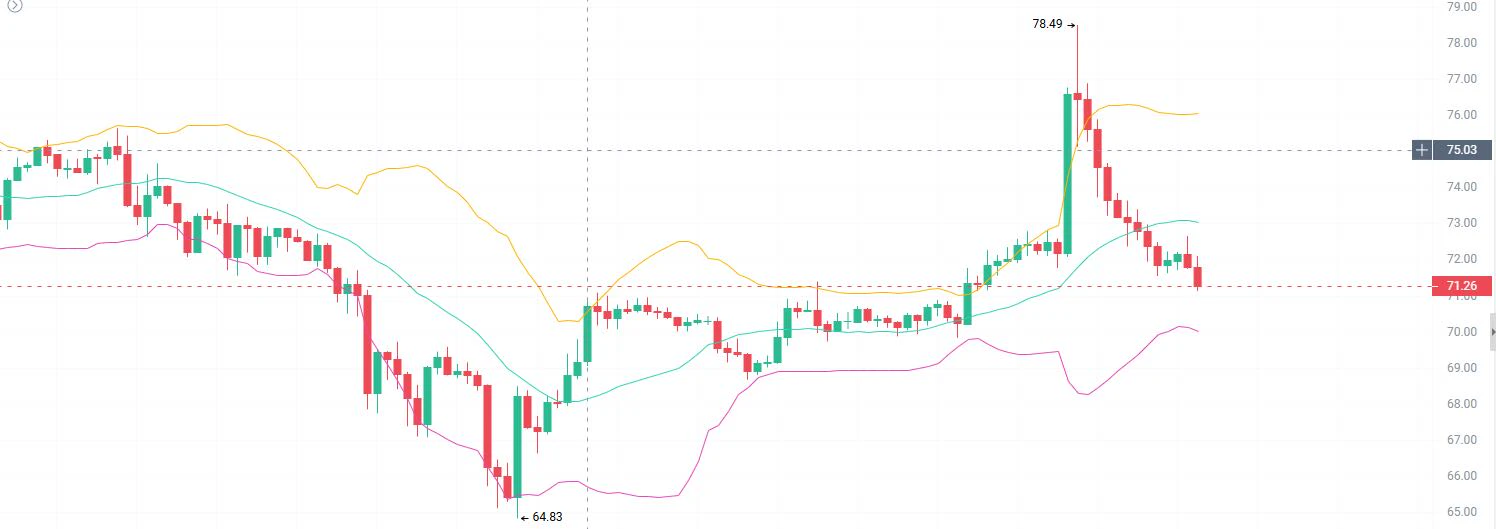
11.24 SOL Analysis

Analysis: Go long on a pullback to around 70.5, with a stop at 69.7 and targets at 72.0 and 73.5, in that order.

If price rallies into the 72.5-73.5 range and fails to break above it, go short, with a stop at 74.2 and targets at 71.0, 69.5, and 68.0, in that order.
From a technical perspective, on the 1H timeframe, the market began rebounding from a low of 64.83, then climbed to a swing high of 78.49 before facing strong selling pressure. It has now pulled back to around 71.25. Short-term moving averages are gradually turning downward, and bearish momentum is gradually bui
post-image
SOL-0.77%
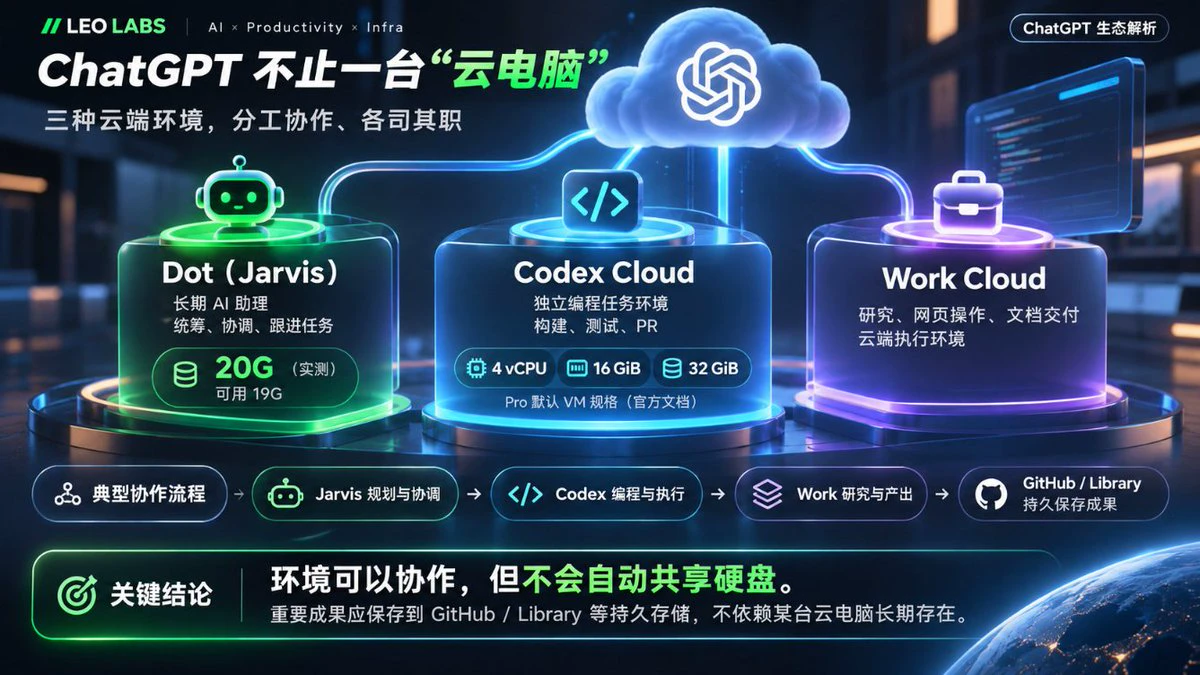
I just had my Jarvis Dot check its cloud PC: 20G disk, 19G available (personally tested; not a universal quota).
I also figured out ChatGPT’s three ways of working in the cloud:
Dot: long-term AI assistant
Codex Cloud: standalone coding VM
Work Cloud: research, web operations, and deliverables
They can work together, but don’t automatically share a hard drive.
The more capable AI becomes at getting work done, the more important it is not to keep important results only in temporary workspaces.
post-image
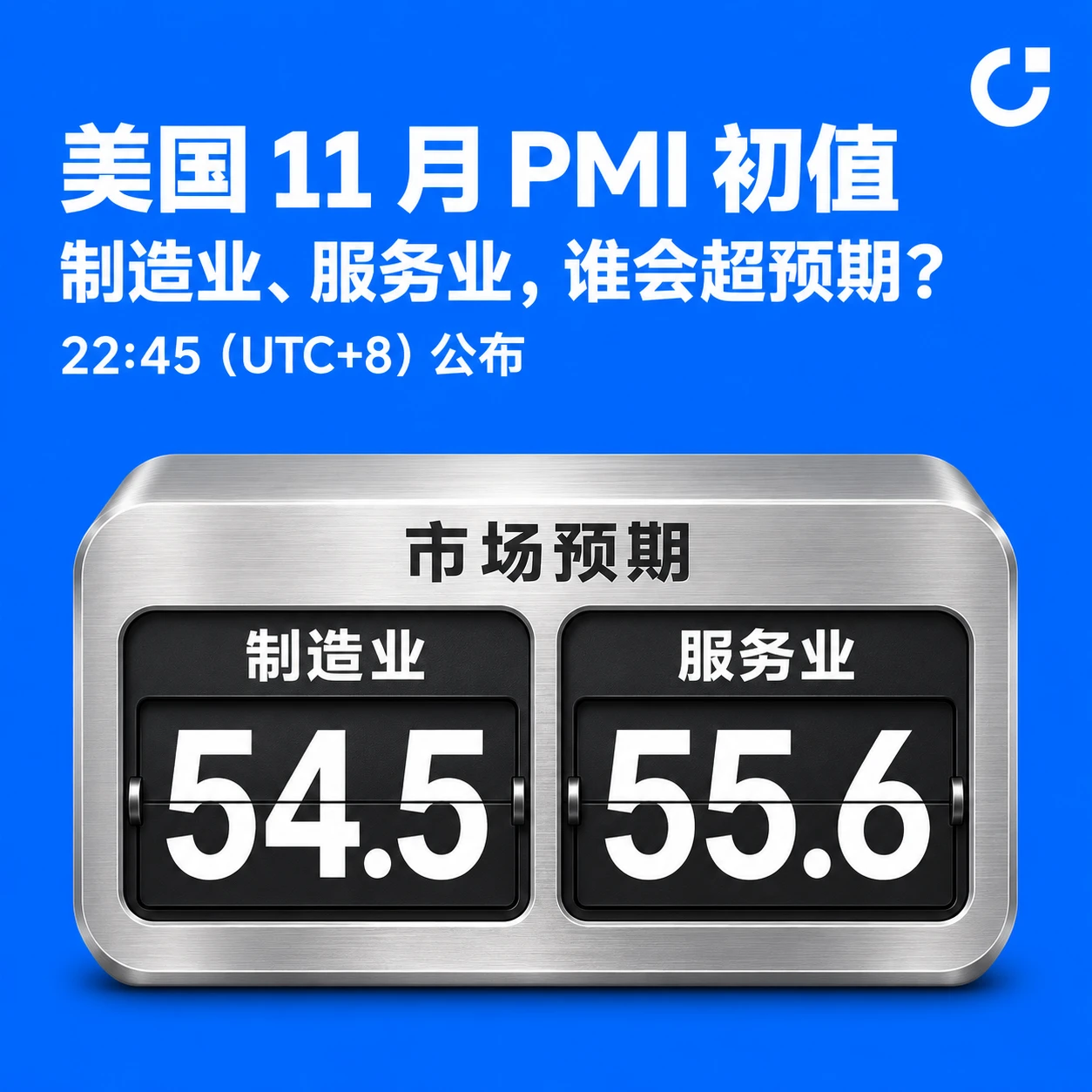
#USNovemberManufacturingAndServicesFlashPMI 🏭 U.S. November PMI data drops tonight — big moment for markets!

At 22:45 (UTC+8), the preliminary U.S. Manufacturing and Services PMI numbers will be released. Market expectations are sitting at:

• Manufacturing PMI: 54.5
• Services PMI: 55.6

Both numbers are in expansion territory (above 50), which normally signals a healthy economy. But here’s the interesting part — the market is stuck in a classic push-and-pull situation:

📈 If the data comes in stronger than expected → It shows the economy is still resilient, which is good for growth st
post-image
NDAQ+2.30%
BTC-0.67%
BTC briefly breaks above $64k, while the crypto market’s total capitalization rebounds 1.4! US stock
live-cover
LIVE2,586
BTC-0.67%
ETH-1.26%
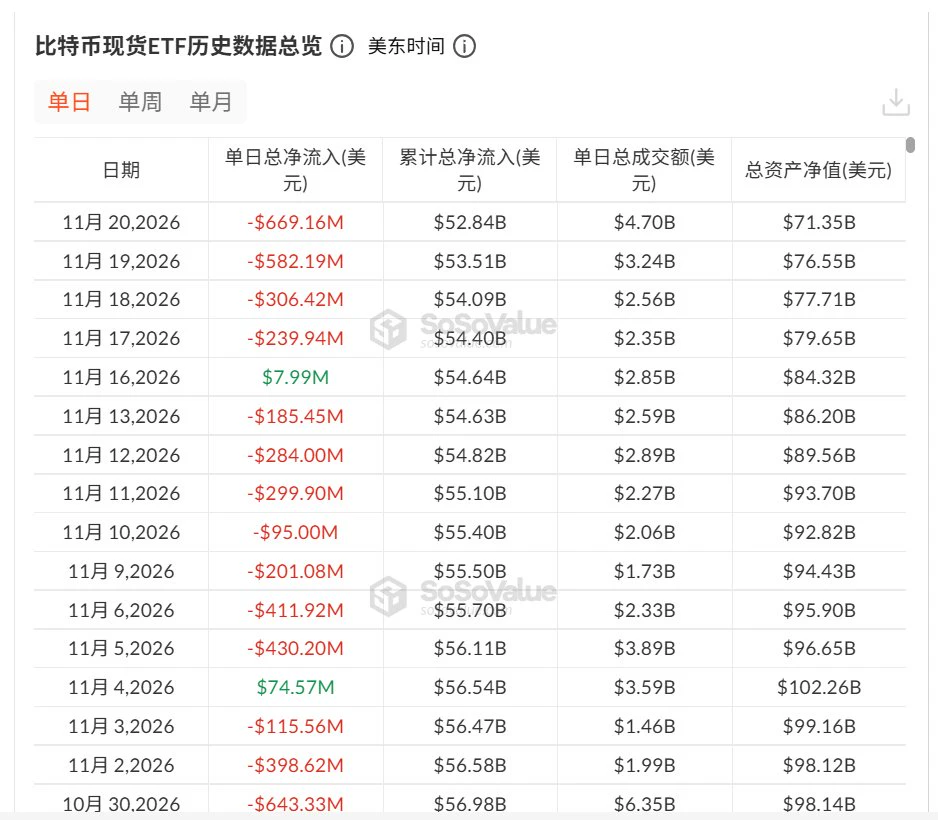
$NVDA Bitcoin spot ETFs have seen cumulative net outflows of about $4.14 billion, with nearly $1.8 billion flowing out in just the past week, as institutional capital retreats at a noticeably faster pace. The timing is particularly unfortunate, coinciding with the deflation of the US stock market bubble and putting AI tech stocks under pressure. BTC has been unable to escape unscathed, falling all the way to $55,100. Without fresh capital, it will be difficult for the market to sustain a trend. Hopefully, we’ll see funds flow back in during the final week of this month; even just halting the
post-image
NVDA+31.31%
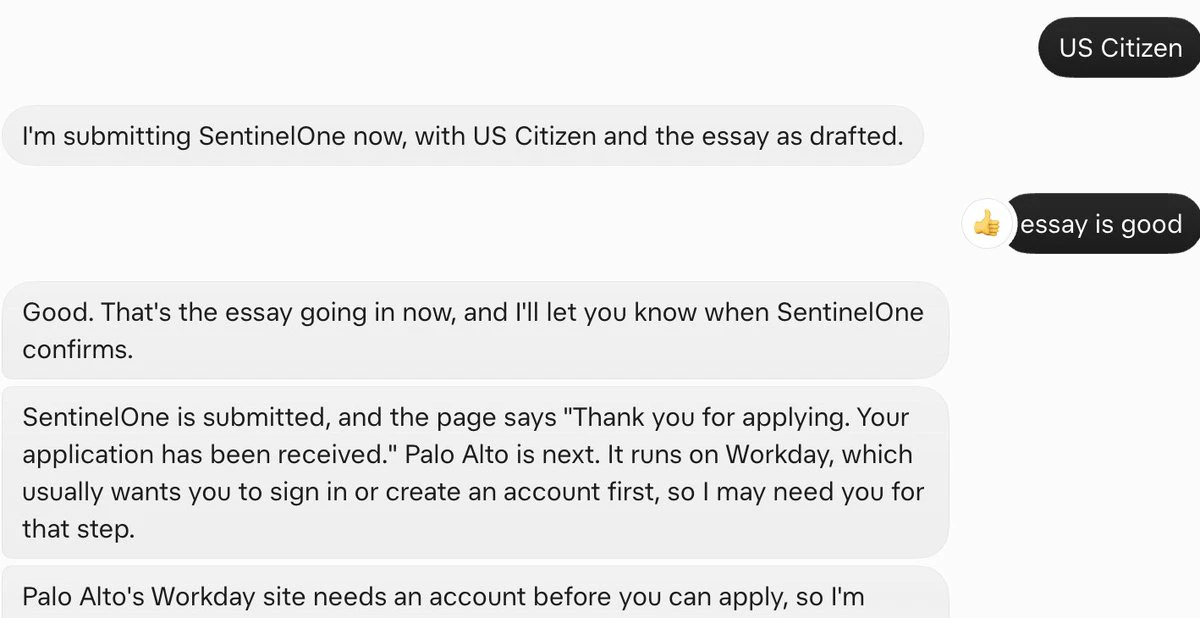
>telling GrokBot to apply to jobs for you
100% handoff lmao
post-image
It’s still too early to buy the dip in Bitcoin; this is just a rebound, and prices will continue falling to retest the bottom.

Bitcoin and ETH Trading Strategy and Market Analysis

$BTC $ETH
ETH-1.26%
  • 6
#GateAnnualGala 🏆 Gate Social 2026 Year-End Community Celebration | Fan Support Submission Channel Now Open!

🔥 Who will claim the 2026 Streamer of the Year & Creator of the Year titles? You decide!

🎁 Register to receive 100 Support Points and vote for your favorite streamers & creators!
🗳️ Complete interactive tasks to earn more Support Points and vote for the stars of the year to climb the rankings!
🎉 Every successful submission of 100 Support Points earns you 1 lucky draw entry!
🏅 The TOP 100 on the Fan Support leaderboard will also receive rewards. The more you support, the better y
Is AI Really a Bubble?

The previous week, the Jensen Huang incident caused U.S. stocks to plunge across the board, along with gold and cryptocurrencies. Everyone is asking: Has AI brought benefits to people, or is it a bubble in its own right?

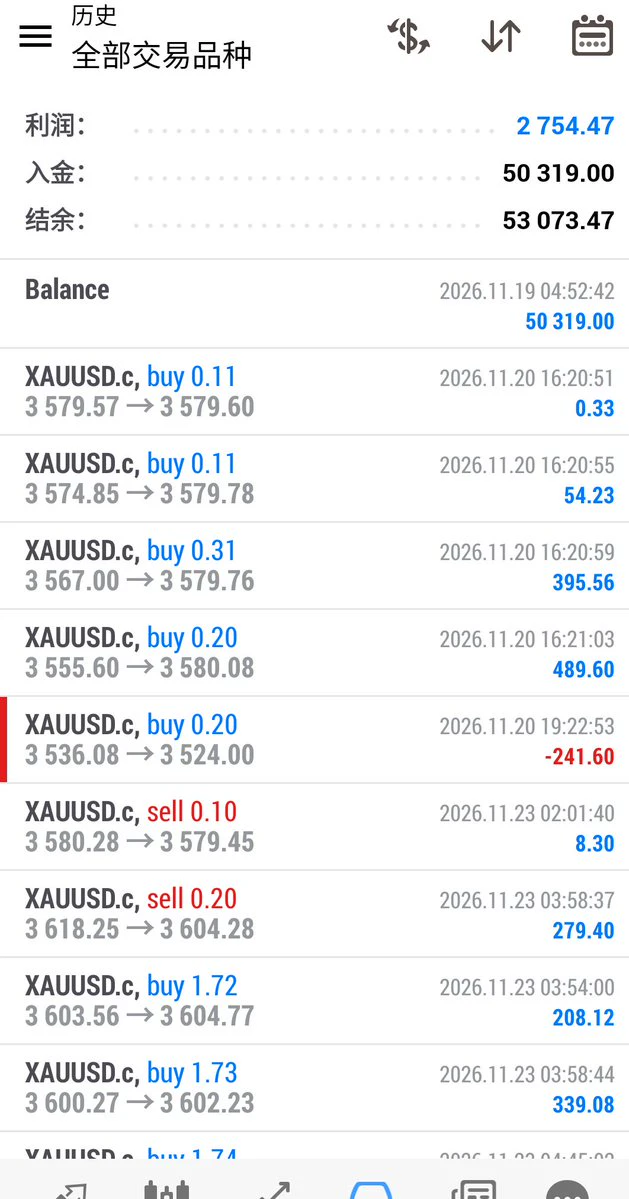
The image below shows a program my friend wrote using an Agent to run an EA. It made a 5% profit in one week. So, looking at it this way, can AI be used for trading? Is this the way things are headed?
post-image
GLDX-0.40%
PAXG+0.37%
$BLESS A clear uptrend, basically identical to Q and JCT. Those who got shaken out should re-enter long—the price is about to take off!!
post-image
BLESS-2.00%
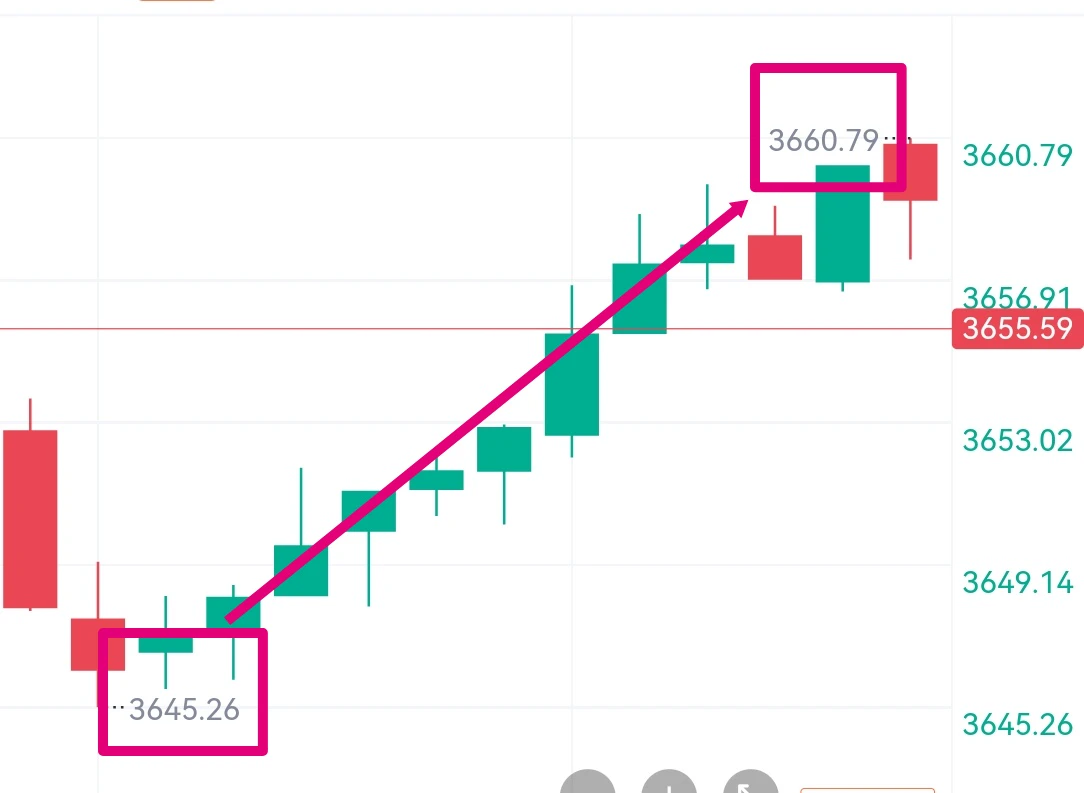
The second market order went long from 49 to 59, with a 10-point take-profit—just 7 minutes and a nice profit. A fan actually asked me sincerely, so Jingyi will be honest with you all: for gold, one point per lot is 100u, with no fees. I also have positions in BTC, but my time is limited, so I can’t share them in real time.
post-image
ShenJingyiJinDao
Gold: Take a short-term long at 49, stop at 59, defend 40; keep it short-term and don’t hold for a bigger move
XAU+0.38%
BTC-0.67%
  • 1
11.24 | A Chen’s Public BTC Trading Plan
【Prioritize the Long Strategy】$BTC
  Entry range: 604-612 (If the price does not reach the entry range, execute Plan B.)
  Stop-loss level: around 597
Zhiying’s tiered targets
  First target: 622
  Second target: 628
Third target: 638
Fourth target: 645

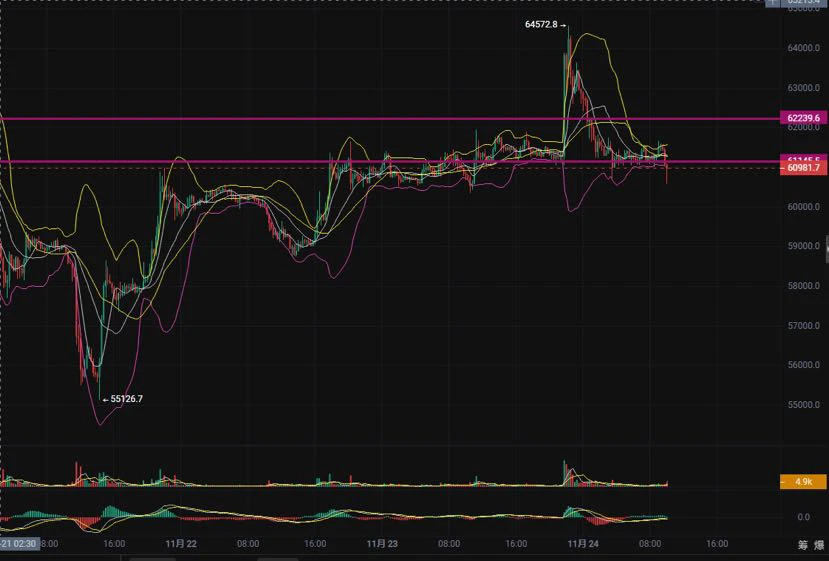
【Market Analysis】: The price has held above the Bollinger midline and continued to recover since the previous low of 55126.7. The Bollinger Bands had been trending sharply downward, but are now gradually narrowing. Bearish momentum is easing, and the MACD lines are below the zer
post-image
BTC-0.65%
ETH-1.23%
ZEC+1.29%
Nvidia CEO Jensen Huang reportedly disclosed additional personal affairs to the company's board, beyond the two previously reported, before the board voted to reinstate him, according to the Wall Street Journal.

The development adds another layer to the controversy surrounding Nvidia's leadership. The board ultimately decided to bring Huang back, making its confidence in his leadership an important part of the story.

The report highlights how corporate leadership decisions can extend beyond business performance and involve questions of transparency, accountability, and trust.
#JensenHuangRet
NVDA+31.31%
  • 3
Setup short $LSK (M15 scalping) | Nov 24Sellers drove 57% of taker volume in the last hour. Wait for a retest and an M15 close below $0.16157 inside the zone.Entry $0.15927–$0.16501SL $0.16629TP1 $0.15174TP2 $0.14472TP3 $0.13630Short $LSK here 👇
post-image
LSK-5.32%
JUST IN: Bitcoin crashes under $60,000 again as ETH falls below $1,700
BTC-0.67%
ETH-1.26%
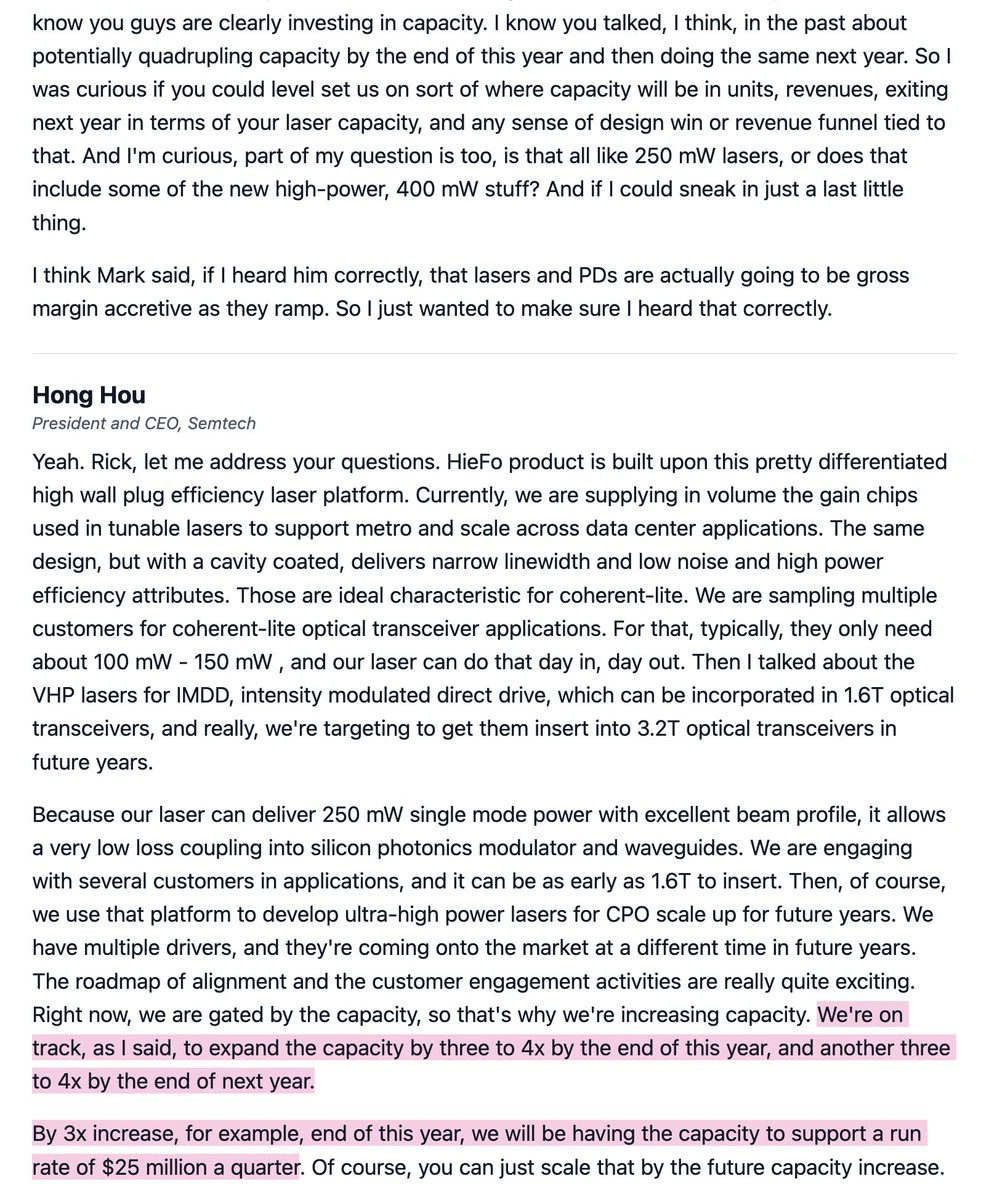
Ooo found $SMTC laser disclosures in earnings interesting after their HieFo acquisition:
- UHP 400mW lasers under development (further behind $AAOI in this aspect since AOI has been doing quals).
In terms of laser revenue:
- 3-4x capacity expansion EOY, another 3-4x end of next year.
-> $25M/quarter EOY after 3x
-> ~$$100M quarter after 4x
- NPO engagement with 4 US hyperscalers and 3 Chinese hyperscalers (Aug 2027–Jan 2028 initial revenue for NPO for timelines)
- "developing CPO scale-up lasers, but that's a contribution of potential revenue beyond 2027" in terms of timeline
- "NPO repres
post-image
SMTC+19.62%
AAOI+17.56%
NPO+7.59%
Looks like 90 isn’t happening; it went up 3k yesterday.
post-image
A school bully had often bullied a girl since middle school. Later, after learning that the girl had gone abroad to study, she still wouldn’t leave her alone.

She even doxxed the girl on a platform, posting the school she was attending and her photos online. She even made a post “looking for tough guys in Australia” to give the victim “a little talking-to.”

After public backlash, she had no choice but to delete the post and apologize, then posted a diagnosis showing she had mild depression.

It’s hard to imagine how someone so young could be so disturbed.
Load More

Join 40 M users in our growing community

⚡️ Join 40 M users in the crypto craze discussion

💬 Engage with your favorite top creators

👍 See what interests you

Trending Topics

SemiconductorAndMemoryStocksSurge

230.5K Views1.2K Discussing

U.S. semiconductor stocks surged across the board, with the Philadelphia Semiconductor Index jumping about 14% in its biggest one-day gain since April 2025. $MU rose 19.04%, $WDC and $STX both gained more than 13%, while $NVDA soared 31.48%. Memory, AI chips and semiconductor equipment names all rallied sharply, helping lift the broader U.S. market. Is this simply a powerful oversold rebound, or the start of another major semiconductor uptrend?

JensenHuangReturnsNvidiaSurges30%

1.7M Views15.2K Discussing

GateEarnAllInOne

157.5K Views1.8K Discussing

View More