Square
Following
Hot
News
Notifications
Profile
Share your thoughts
placeholder
Article
Wallets are not safes: Private keys, seed phrases, and addresses—which ones control your assets?

In the cryptocurrency world, many people have wallets, but may not truly understand how they work.

Some think assets are stored in wallets; some believe that as long as they remember their wallet address, they can recover their assets; others treat private keys and seed phrases as the same thing.

These understandings may seem similar, but in reality, there are key differences.

To understand wallets, first distinguish between three concepts: addresses, private keys, and seed phrases.

I. What ex
post-image
Give the market time, and give yourself patience!
Wait for 1977–1935
Just follow your own trading plan and be yourself. It’s still the same message: in life, meet the right person and do the right thing!!!
post-image
  • 1
Trenches
mihao
m
bade
b
mihao
4Cxj...pump
Market Cap
$.
Change
.
24h Vol
$.
Holders
.
AGT
A
bade
b
AGT
0x5d...e274
Market Cap
$.
Change
.
24h Vol
$.
Holders
.
PIEVERSE
P
bade
b
PIEVERSE
0x0e...25a9
Market Cap
$.
Change
.
24h Vol
$.
Holders
.
HOLD
H
bade
b
HOLD
4iJ7...pump
Market Cap
$.
Change
.
24h Vol
$.
Holders
.
X
X
bade
b
X
9VZe...pump
Market Cap
$.
Change
.
24h Vol
$.
Holders
.
BTC MARKET
live-cover
LIVE1,175
In the cryptocurrency market, many traders see BTC trading volume suddenly surge and assume the market is about to rise. But sometimes, volume increases significantly while the price fails to rise and instead falls. Why is that?

First, it’s important to understand that trading volume represents market activity, not simply buying pressure. Every trade involves both a buyer and a seller, so a surge in volume does not mean the price will necessarily rise.

First, rising prices on increasing volume. If the price continues to rise while volume increases, it suggests market participation is growing
post-image
BTC-0.67%
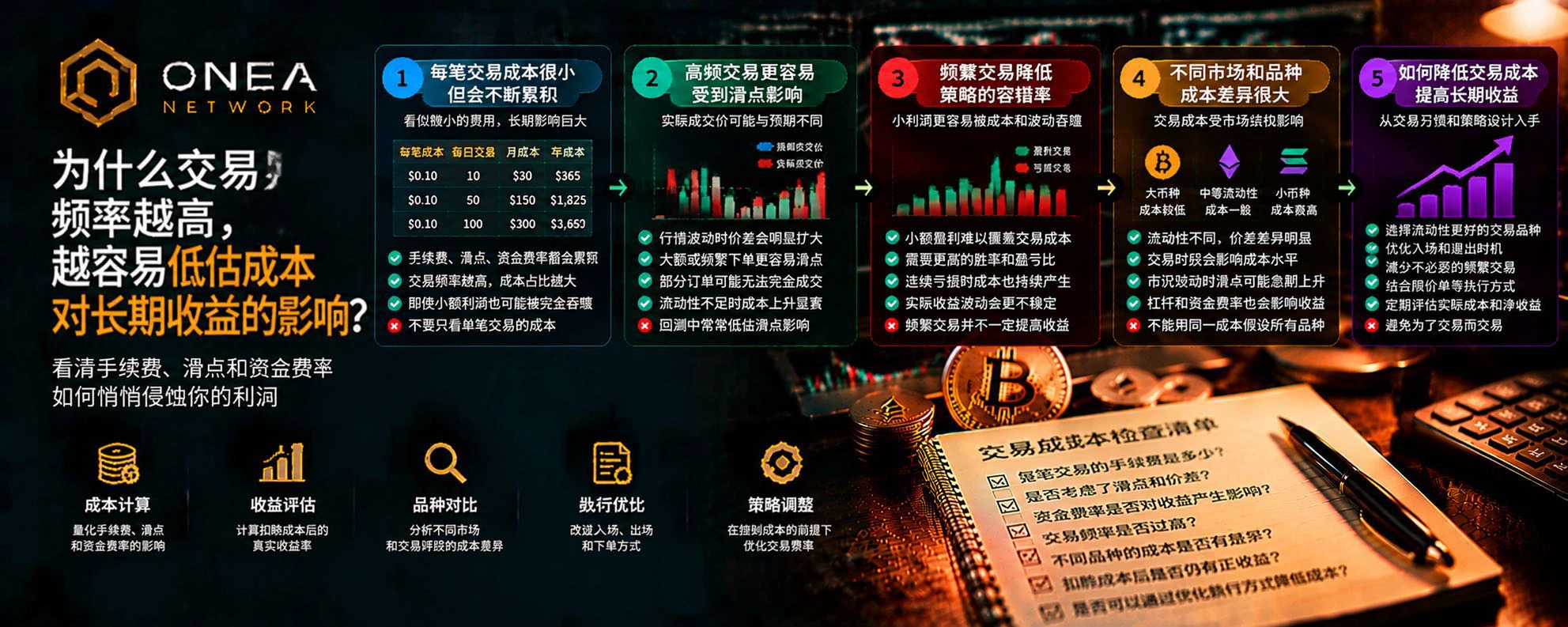
Why can higher trading frequency make it easier to underestimate the impact of costs on long-term returns?

Many traders have an intuition:

The more trading opportunities there are, the more chances there are to make money.

But in the cryptocurrency market, frequent trading also means more fees, more slippage, and more opportunities for execution errors.

The real question is not how many trades you can make in a day, but:

Is the expected return from each additional trade enough to cover all the costs it incurs?

I. Why can small per-trade costs have a large long-term impact?

Suppose a tra
post-image
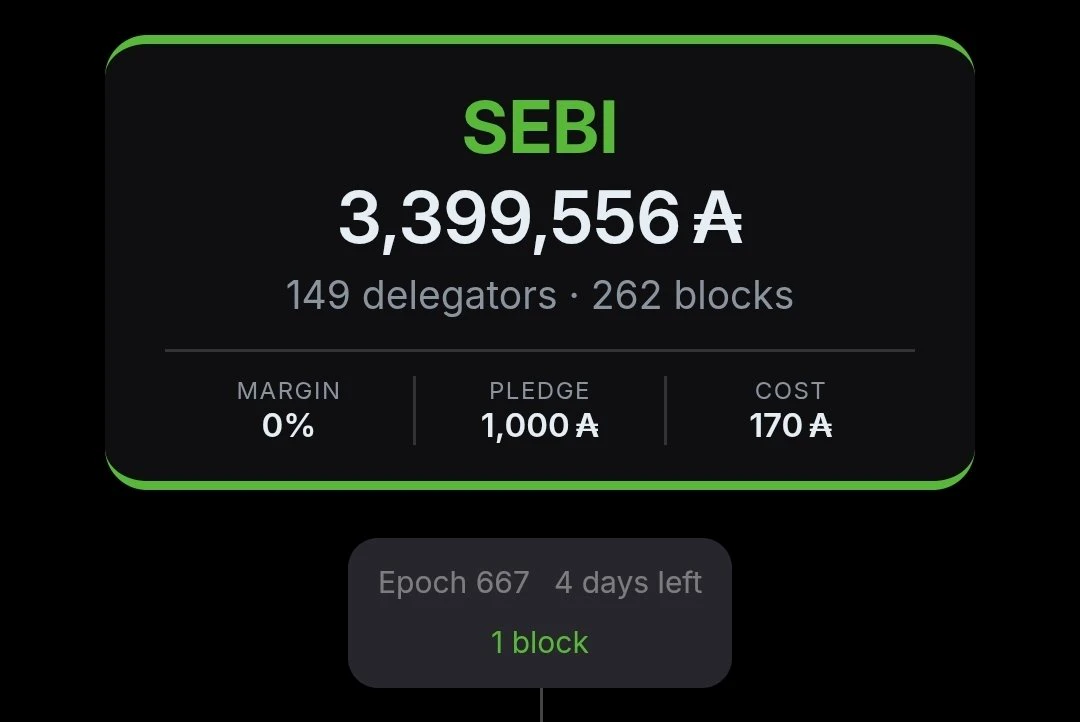
Record breaking performance for SEBI stakepool.
We finished epoch 666 with 9 minted blocks 🤯
That is a 300% over performance and we already have a new block in the new epoch.
Appreciate everyone delegating🫡
Let's make Cardano decentralized together🤝
post-image
ADA-1.48%
Why can a single oversized holding in a portfolio determine the outcome of the entire portfolio?

You may hold BTC, ETH, SOL, and several other cryptocurrencies.

It may seem that your portfolio is sufficiently diversified.

But if BTC accounts for 70% of the portfolio and all other assets together make up only 30%, the portfolio’s performance will still be heavily influenced by changes in BTC’s price.

When BTC rises, this concentrated allocation may bring higher returns.

But when BTC falls sharply, the same allocation may also amplify the portfolio’s drawdown.

What really matters for a por
post-image
BTC-0.67%
ETH-1.26%
SOL-0.77%
#AnthropicIPOValuationCouldReach1.4T

🚀 Anthropic’s IPO Could Reach a Massive $1.4 Trillion Valuation

Anthropic, the company behind the Claude AI ecosystem, is preparing for one of the biggest AI-related public offerings ever — and its potential valuation is putting the entire artificial-intelligence sector back in the spotlight.

According to its latest IPO filing, Anthropic plans to offer 825 million Class A shares at an expected price range of $70 to $78 per share. At the top of that range, the company could reach an estimated $1.404 trillion fully diluted valuation.

💰 A Record-Scale AI
post-image
GOOGL-0.25%
NVDA-5.47%
AMD+1.27%
MSFT-2.15%
AVGO+3.86%
CRYPTO MARKET UPDATES
live-cover
LIVE2,015
Gm
Another day, another opportunity to show up and give it my best.
post-image
Double 11 is the greatest marketing campaign in history!
#1111 #双十一
post-image
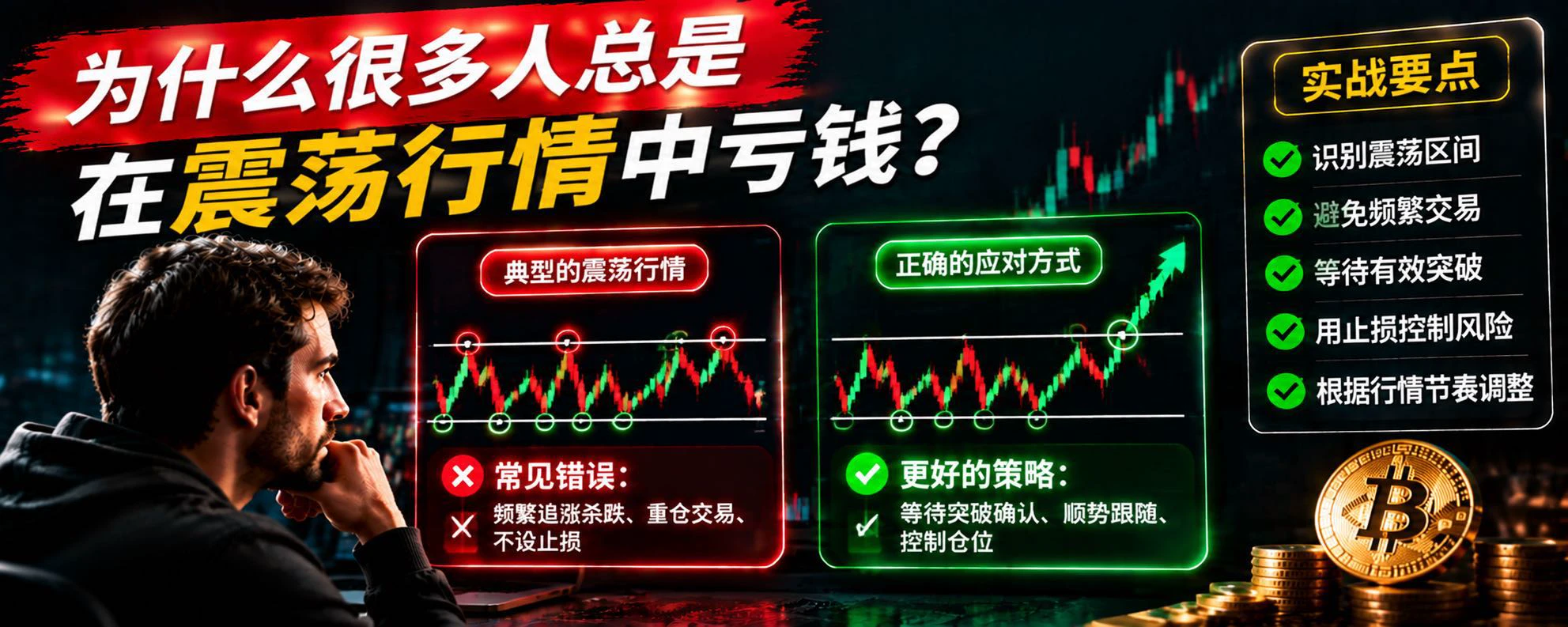
In the cryptocurrency market, many traders know some technical analysis methods, yet continue to lose money repeatedly in choppy markets. The reason may not be that their technical skills are lacking, but that they have failed to identify the current market conditions.

The biggest difference between trending and choppy markets lies in how prices move.

First, in choppy markets, prices usually fluctuate repeatedly within a certain range, with resistance above and support below. If you follow a trend-trading approach, going long when you see prices rise and short when you see them fall, you can
post-image
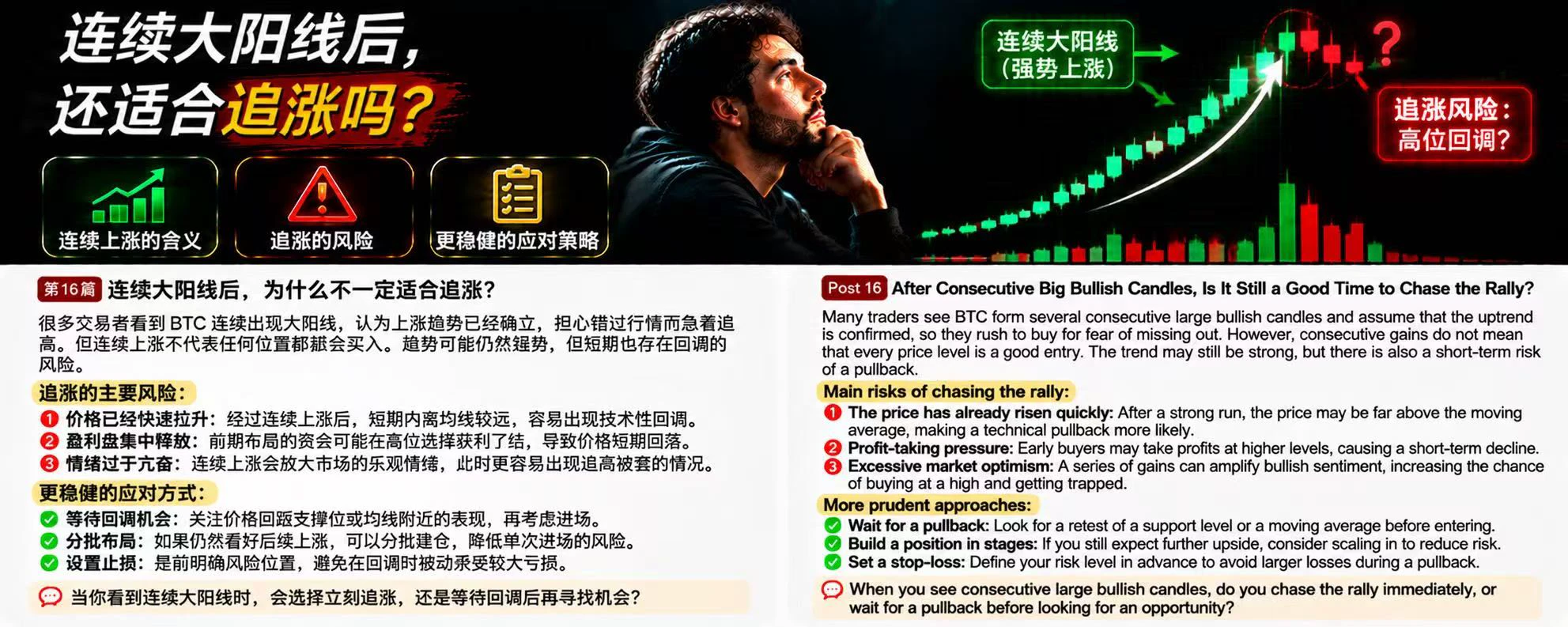
In BTC trading, many people see several large bullish candlesticks in a row and assume the uptrend is fully established. Worried about missing out, they rush to buy. But consecutive gains do not mean every price is a good entry point. Sometimes, the faster the rally, the more alert you need to be to the risk of a short-term pullback.

Why isn’t it always a good idea to chase a rally after several large bullish candlesticks?

First, the price may have moved too far from a reasonable level. After consecutive gains, the short-term price may be far above the moving average. The market needs time t
post-image
BTC-0.67%
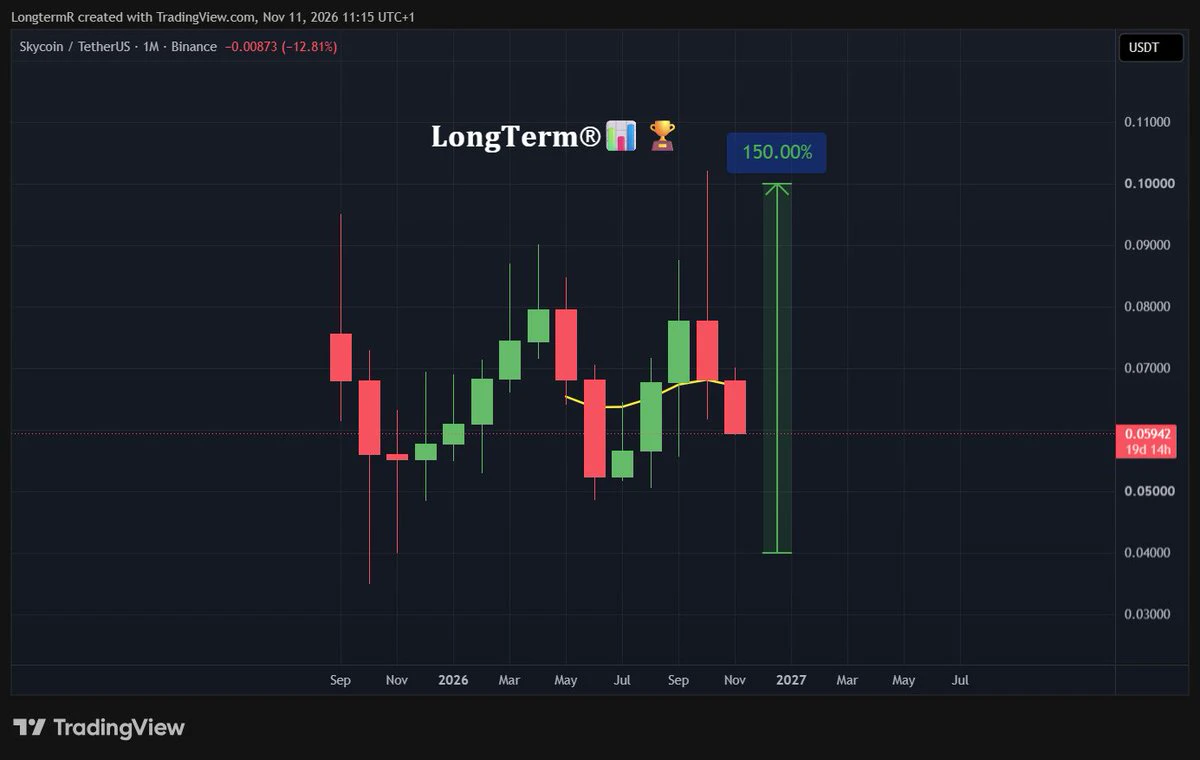
$SKY posted its sixth straight quarter of positive net revenue, ~$37M in Q3.
Galaxy put $100M of sUSDS on its balance sheet in September.
The monthly chart has been chopping inside the same range for over a year.
The business keeps growing under it ✍🏻
post-image
SKY-3.66%
Setting a stop-loss does not mean you are guaranteed to exit at the expected price.

Many traders believe that once they set a stop-loss in advance, their maximum loss is already determined. But in real markets, the stop trigger price and the final execution price may not be the same.

Why is that?

I. Market volatility: Prices can quickly move past the stop level

When the market suddenly becomes highly volatile, prices may move past your stop trigger price in a very short time. If the next available execution price is already worse, the actual loss may exceed your original plan.

II. Insuffi
post-image
A high win rate does not mean high profitability. What truly determines trading results is the ratio between each profit and loss.

Many trading strategies look excellent: an 80% win rate, multiple consecutive wins, and a very attractive backtest curve.

But if each win is only $10 while one loss reaches $50, a problem arises.

Suppose you make 100 trades:
• 80 wins, earning $10 each, for a total of $800.
• 20 losses, losing $50 each, for a total of $1,000.

Final result: a loss of $200, not including fees, funding rates, and slippage.

This shows that win rate is only one part of a trading sy
post-image
Why does higher trading frequency make profits easier to get eaten away?

Some traders believe that as long as they keep looking for opportunities, they can increase their probability of making a profit.

But the reality is that every trade may incur new costs. The more trades you make, the more easily these costs accumulate.

Even a strategy that is fairly good at predicting direction may ultimately fail to deliver ideal net returns because of trading too frequently.

I. Fees: Each one may seem small, but they can add up

Assume the combined cost of buying and selling on each trade is 0.10% o
post-image
#USOctoberCPIBeatsExpectations
October CPI: Inflation Remains Sticky Despite Headline Cooling

October's US CPI report delivered a mixed signal. Headline inflation rose 0.4% month-over-month, slowing from September's 0.6%, but remaining above the 0.3% forecast.

Core CPI also increased 0.3%, matching September and exceeding the 0.2% expectation. This suggests underlying inflationary pressure remains persistent.

Food prices rose 0.5%, shelter increased 0.3%, and transportation costs climbed 0.8%. Meanwhile, energy inflation slowed significantly, mainly due to weaker gasoline price increases.
GAS-0.57%
BTC-0.67%
XAU+0.38%
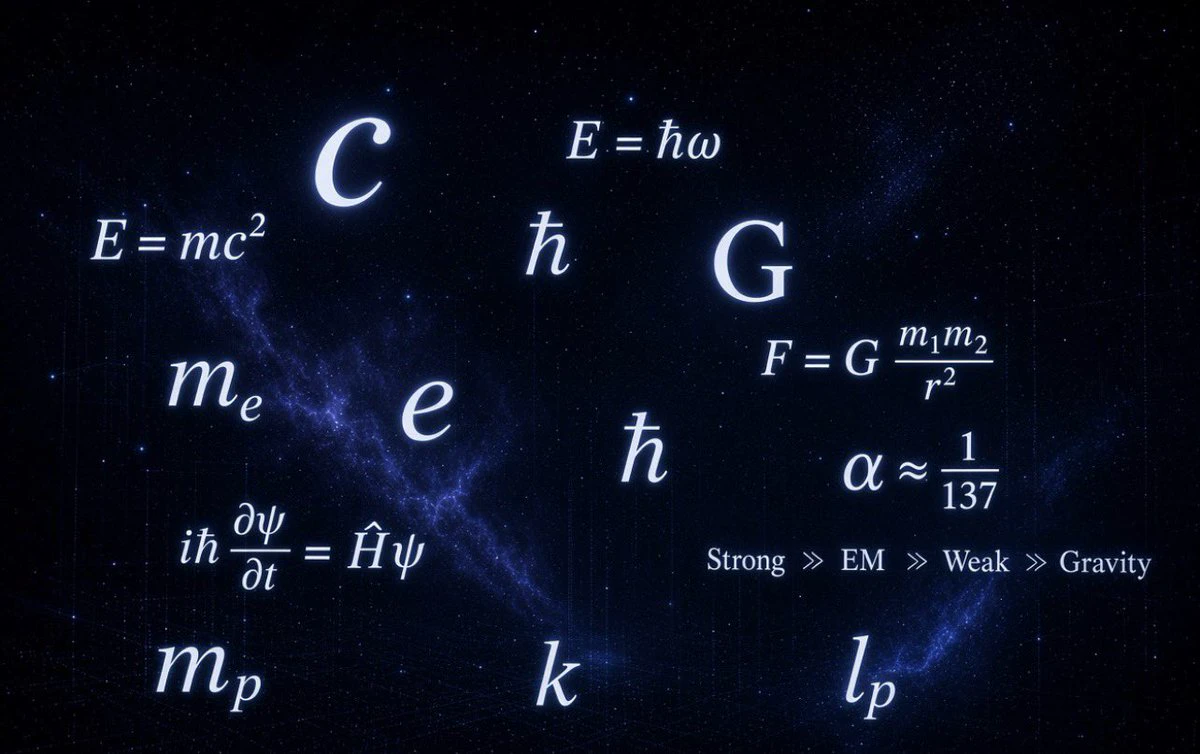
There’s a term in the universe called “fundamental constants.”
The speed of light, the strength of gravity, the value of Planck’s constant,
the masses of electrons and protons, the relative strengths of the four forces—
these numbers are set in stone, and no one can change them.
These are the fundamental constants of physics.
They aren’t results derived from theory;
they’re simply “what measurements show.”
And the rules governing how the entire universe works
have to follow “them.”
Speed of light c ≈ 299,792,458 m/s (exactly defined)
Planck’s constant h ≈ 6.626 × 10⁻³⁴ J·s
Gravitational co
post-image
Breaking even like this every day—come on, take off!
SNDK-0.18%
Load More

Join 40 M users in our growing community

⚡️ Join 40 M users in the crypto craze discussion

💬 Engage with your favorite top creators

👍 See what interests you

Trending Topics

GateGlobalComplianceExpansion

16.7k Views360 Discussing

Gate continues to expand its global compliance footprint, now covering 81 regulated jurisdictions across Europe, North America, Asia, and Oceania. From MiCA and U.S. state-level MTLs to Japan’s FSA, Dubai, and Australia-related regulatory approvals, global exchanges are entering a new stage of compliance competition. Do you think regulatory strength will become as important as products and liquidity for exchanges in the future?

USOctoberCPIBeatsExpectations

88.29k Views2.66k Discussing

AnthropicIPOValuationCouldReach1.4T

12.71k Views1.61k Discussing

View More