Track the US Dollar Index (DXY) and major currency pairs to analyze how dollar strength, liquidity expectations, and interest rate spreads impact BTC, stablecoins, and global crypto pricing.
This week's strong rebound of the New Taiwan Dollar was driven by significant foreign investment in the Taiwan stock market. The exchange rate rose to a 1.29% increase, reaching a recent high. However, the central bank is monitoring these changes to prevent excessive appreciation affecting export competitiveness.
On April 17, Hong Kong interbank offered rates (HIBOR) increased across all tenors, with the one-month rate rising to 2.55143% and overnight rates hitting the highest level since January at 3.36536%.
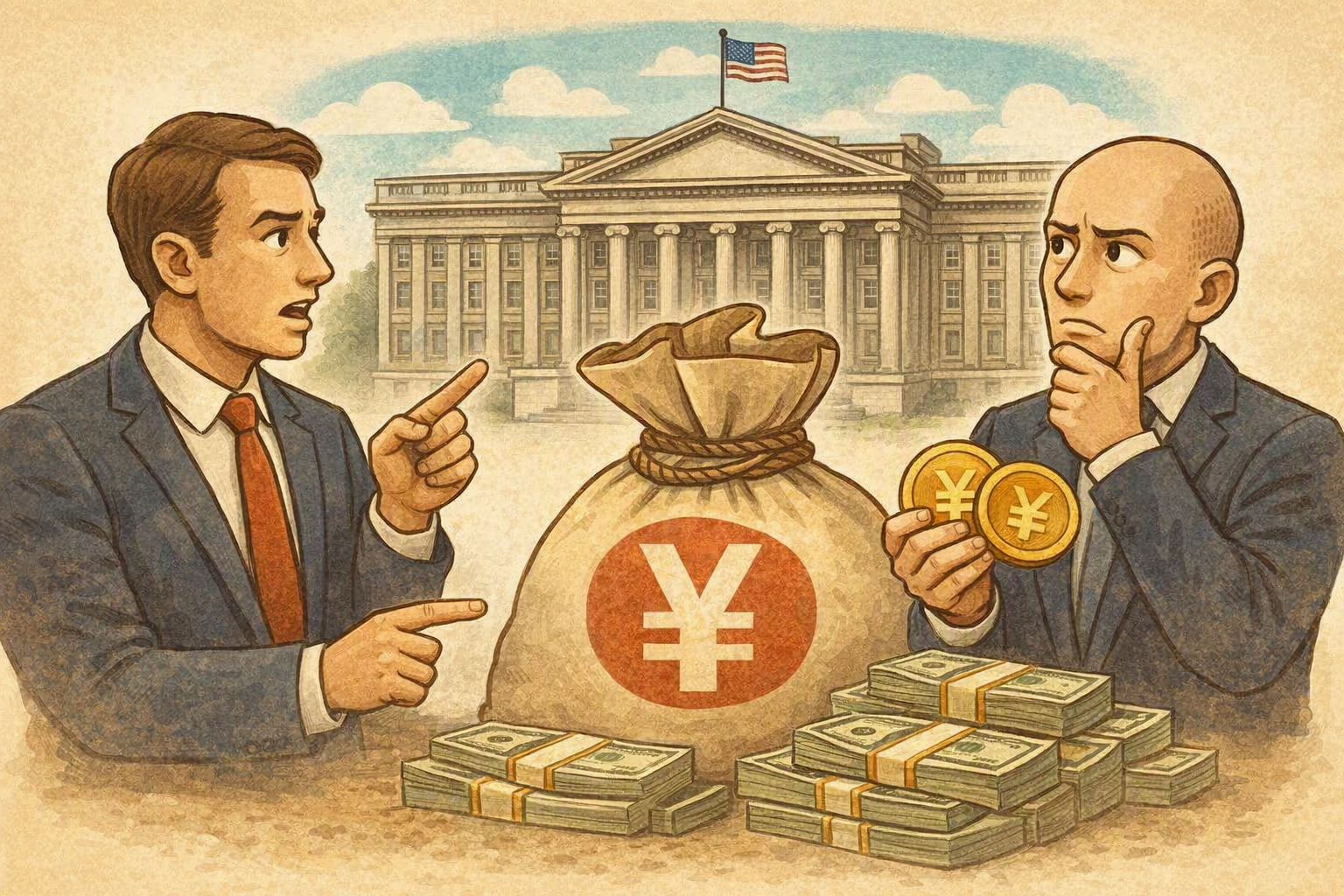
Former U.S. Treasury Secretary Henry Paulson urged U.S. authorities to draw up contingency plans to address a potential collapse in demand for U.S. national debt when he was interviewed by Bloomberg on April 17, 2026 (Thursday). He said that once a crisis erupts, the consequences would be extremely severe. On the same day, the U.S. Department of the Treasury completed the largest debt buyback in a single transaction in history, accepting approximately $15 billion in old bonds maturing from 2026 to 2028.
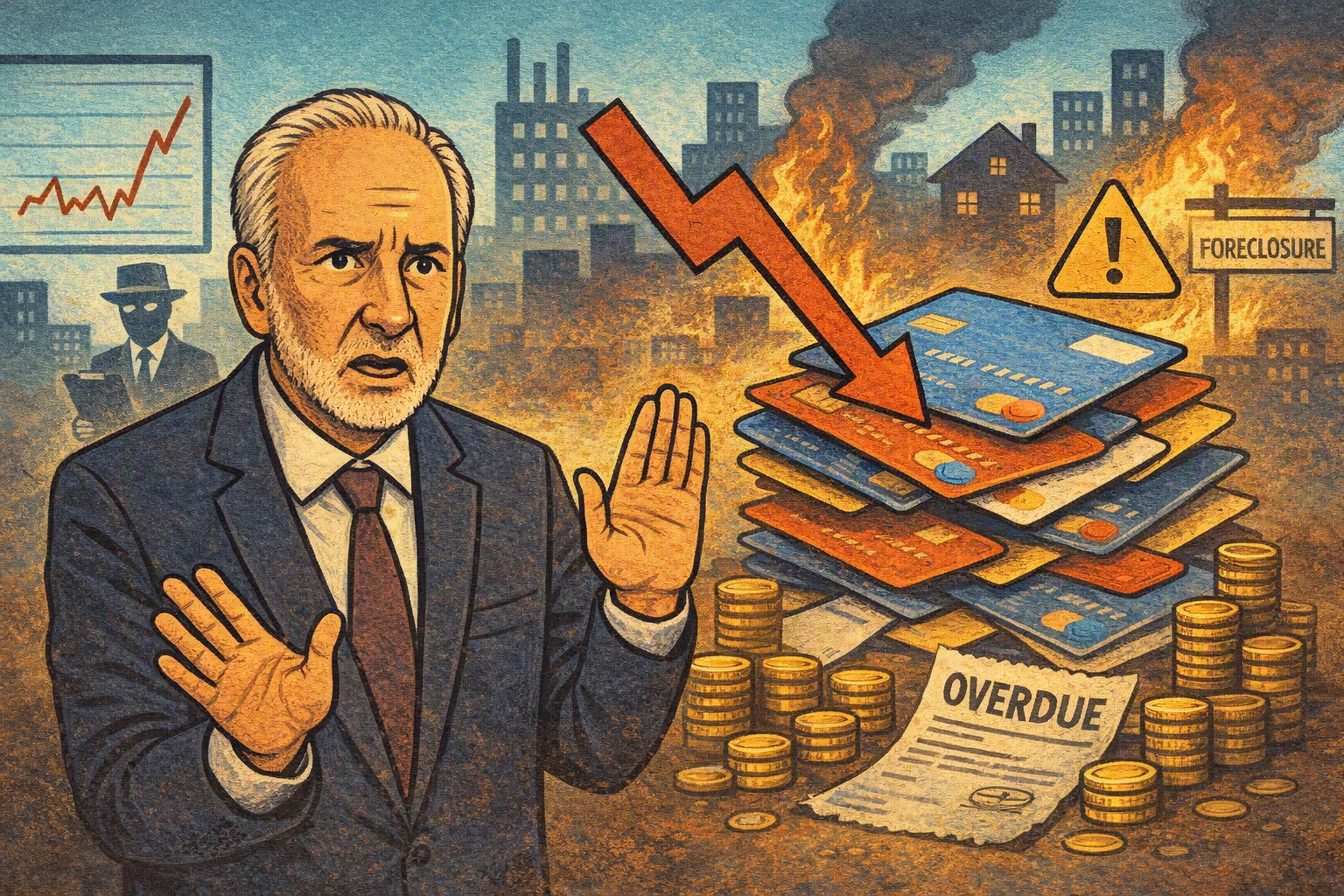
Former U.S. Treasury Secretary Paulson reminded the U.S. to develop a debt-crisis contingency plan in advance to deal with a potential collapse in U.S. Treasury securities. He worries that the fiscal deficit will form a “death spiral,” with debt possibly reaching 108% of GDP by 2030. But former Federal Reserve trader Wang believes a Treasury crisis will not occur; the real threat is a collapse of the U.S. dollar’s credit and runaway inflation. Although the two viewpoints differ, both point out that U.S. fiscal risk will ultimately show up.
Former U.S. Treasury Secretary Henry Paulson warns of a potential collapse in U.S. Treasury demand, which could destabilize the financial system and erode confidence in the dollar, shifting investments to Bitcoin and gold. Tether may face risks as well.
Bank of Japan Governor Kazuo Ueda highlighted the conflict in the Middle East as a source of inflation and economic slowdown risks. He confirmed that the Monetary Policy Committee will determine suitable measures to reach the 2% inflation target at the upcoming meeting.
The U.S. dollar index has dropped to near 98 from 100 as easing geopolitical tensions in the Middle East reduce market risk-off sentiment. Analysts indicate that the dollar's recent strength was short-lived, signaling a potential return to a "weak dollar" outlook.
The CME's Fed Watch tool indicates a 99.5% probability of the Federal Reserve keeping rates unchanged in April, with similar projections for June showing a 98% likelihood of steady rates and minimal chances for rate cuts or hikes.
Joachim Nagel from the European Central Bank urged against providing forward guidance on interest rates, citing uncertainties about inflation linked to rising energy prices. He warned that the U.S.-Iran conflict is dampening Germany's economic growth prospects, prompting a downward revision of forecasts.
Gate News: According to the latest Gate TradFi data, USDHUF (US Dollar vs Hungarian Forint) has surged by 1% in a short period. Current volatility is significantly higher than recent averages, indicating increased market
Federal Reserve Governor Michelle Bowman indicated that, given current conditions, the central bank might reduce interest rates only three times for the rest of the year.
Federal Reserve official John Williams affirmed a steady monetary policy outlook, projecting 2% to 2.5% economic growth and stable unemployment around 4.25% to 4.5%. Inflation is expected to decrease from 2.75% to 3% in 2026 to 2% in 2027.
The Trump administration will not renew sanctions waivers for Iranian and Russian oil, prompting threats of secondary sanctions against countries, particularly China, buying Iranian oil. This decision ends efforts to stabilize global oil prices amidst ongoing Middle East tensions.
Austan Goolsbee warns that high oil prices from the Iran war may prevent the Federal Reserve from cutting interest rates until 2027, prolonging inflation above the 2% target and leading to a "higher for longer" interest rate scenario.
Indonesia's rupiah has hit a record low against the Singapore dollar due to rising oil prices and capital outflows from financial markets. Concerns about demand for Singaporean services and export flows to Indonesia are growing. The central bank's interventions aim to stabilize the currency.
Eurozone consumer price inflation rose to 2.6% in March, surpassing February's 1.9% and the initial estimate of 2.5%. Core CPI fell slightly to 2.3%, down from 2.4% in February.
Rising hopes for a US-Iran ceasefire have spurred a global market rally, with stock indices hitting record highs and risk sentiment improving. As tensions ease, oil prices stabilize, the dollar weakens, and investor focus shifts to corporate earnings and growth amid declining inflation concerns.
Franklin Templeton's Sonar Desai asserts that the U.S. dollar will retain its status as the preferred global currency due to the size of the U.S. economy, market depth, and institutional credibility. He argues that no credible alternatives exist and that the dollar's current weakness is cyclical, not structural.
Singapore's business and government leaders have responded to U.S. trade investigations, warning that tariffs could disrupt interconnected supply chains. They emphasize fair trade, highlight significant trade surpluses with the U.S., and refute forced labor claims, showcasing compliance with import regulations.