In the Web3 ecosystem, the greatest risks frequently arise from a single, irreversible mistake. Gate Vault leverages a decentralized framework, multi-party authorization, and robust security buffers to fundamentally reimagine asset protection. Users retain full sovereignty over their assets while significantly minimizing operational stress and the potential for permanent loss. This creates a secure, sustainable model for Web3 asset management that delivers enhanced control and long-term reliability.
2026-03-26 04:11:38
As the crypto market accelerates, trading has evolved beyond simply predicting market direction. Success now depends on how quickly traders can adjust their risk exposure and position allocation. This article examines the shifts in market structure to explain why contract trading has become essential for navigating short-term market cycles. It also details the practical advantages of Gate contract trading in risk management, operational flexibility, and strategy execution, empowering traders to achieve a stable and sustainable trading rhythm amid high market volatility.
2026-03-26 04:10:18
As we move into 2026, Gate introduces the eighth installment of its VIP Exclusive Airdrop Carnival, designed to reward advanced traders who have shown long-term support for the platform. This event maintains the monthly airdrop perks while enhancing the reward system. During the campaign, users who meet the designated trading criteria and sustain their VIP status can join the allocation of the mystery token prize pool, adding greater anticipation and excitement to their trading experience in the new year.
2026-03-26 04:09:06
Since Ethereum entered the Proof of Stake (PoS) era, staking has theoretically become the standard configuration for stable returns. In practice, however, participation rates have remained limited. This article examines why the majority of ETH holders choose to remain on the sidelines, considering asset usage patterns and liquidity demands. It further demonstrates how GTETH, through its structural innovation, redefines staking from a static long-term commitment to a dynamic, market-adjustable strategic ETH allocation tool—making it possible for both yield and flexibility to coexist for the first time.
2026-03-26 04:07:51
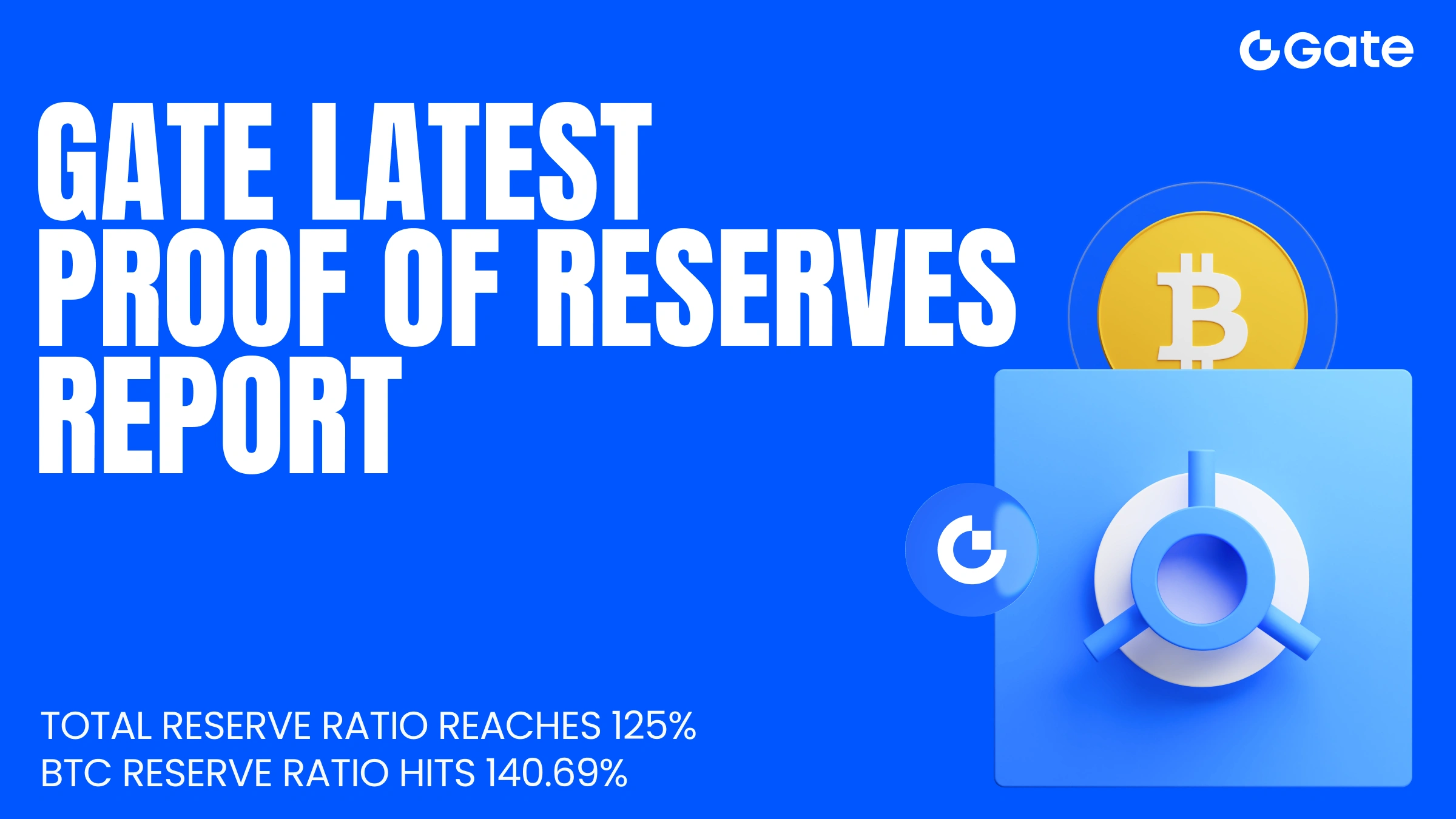
This article focuses on Gate’s latest proof-of-reserves report, offering a structured overview of the platform’s most recent progress in asset security and transparency. According to the data, as of January 6, 2026, Gate’s overall reserve coverage ratio has increased to 125%, with total reserves reaching USD 9.478 billion—well above the industry’s standard safety benchmark—demonstrating the platform’s strong asset resilience amid market volatility.
2026-03-26 04:06:24
The privacy coin race heats up in 2026 as Monero, Zcash, and the Canton Network compete across price performance, technological innovation, and institutional adoption. In this quick read, we'll conduct a comprehensive analysis of their strengths and weaknesses, offering insights into which contender stands out as the current leader in blockchain privacy.
2026-03-26 03:52:30
In 2026, memecoins like PEPE, DOGE, and BONK have seen a powerful resurgence. Why do these assets serve as key indicators for the return of risk appetite? Drawing on the latest crypto price movements and market developments, we'll be exploring how a memecoin rally can forecast a wider crypto bull market.
2026-03-26 03:51:09
BSC meme coins saw their market capitalization exceed $50 million, sparking notable interest across the market. This article delivers an objective breakdown of the latest trends, price movements, and risk factors, giving you a thorough understanding of investment prospects and ecosystem dynamics for meme tokens on BSC.
2026-03-26 03:49:55
The Russell 2000, the US small-cap index, recently reached a record high as loose monetary policy and excess liquidity fueled increased risk appetite in the market. Investors are shifting their focus to the cryptocurrency market, observing that historically, altcoins have tended to see short-term rallies during periods of small-cap stock gains. Still, the sustainability of this pattern will depend on ongoing market momentum.
2026-03-26 03:48:42
International gold prices hit a record high in mid-January, with spot gold breaking above $4,600 for the first time. As geopolitical risks intensify, the economic outlook remains uncertain, and market expectations for a US rate cut grow, capital continues to flow into safe-haven assets. This has fueled a robust rally in gold prices early in the year.
2026-03-26 03:47:29
Radium DEX: The Engine of Solana DeFi Raydium is a leading decentralized exchange (DEX) and automated market maker (AMM) built on the Solana blockchain. It combines high-speed AMM liquidity pools with a decentralized order book to offer users a fast and cost-effective trading experience. In this guide, we explore how Raydium works, its unique architecture, the RAY tokenomics, and its pivotal role in the wider Solana ecosystem.
2026-03-26 03:46:24
Gate Research Daily Report: On January 12, the crypto market continued its low-level recovery, showing a mild rebound while overall risk appetite remained cautious. BTC stabilized and reclaimed its short-term moving averages, signaling a partial repair in short-term structure, though upside momentum is still constrained by overhead resistance. ETH remained relatively resilient, maintaining a low-volatility recovery pattern and reflecting its role as a more defensive allocation within the market. On the thematic side, XCN, ARC, and VVV outperformed, driven by narratives around DeFi governance, AI agent tooling, and privacy-focused inference applications. From a structural perspective, the recent pullback in Bitcoin mining difficulty has eased pressure on the mining sector, while Ethereum recorded nearly USD 50 billion in net inflows over the past year, underscoring continued long-term capital accumulation in core assets amid market consolidation. However, the sustainability of the rebound will likely depend on
2026-03-26 03:42:44
Gate Research: On January 12, the crypto market continued its low-level recovery, showing a mild rebound while overall risk appetite remained cautious. BTC stabilized and reclaimed its short-term moving averages, signaling a partial repair in short-term structure, though upside momentum is still constrained by overhead resistance. ETH remained relatively resilient, maintaining a low-volatility recovery pattern and reflecting its role as a more defensive allocation within the market. On the thematic side, XCN, ARC, and VVV outperformed, driven by narratives around DeFi governance, AI agent tooling, and privacy-focused inference applications. From a structural perspective, the recent pullback in Bitcoin mining difficulty has eased pressure on the mining sector, while Ethereum recorded nearly USD 50 billion in net inflows over the past year, underscoring continued long-term capital accumulation in core assets amid market consolidation. However, the sustainability of the rebound will likely depend on a pickup in
2026-03-26 03:41:05
A thorough breakdown of the latest IBIT ETF price movements, market trends, and institutional fund flows, designed to give you clear insight into Bitcoin ETF investment opportunities, associated risks, and evolving market sentiment.
2026-03-26 03:39:44
Dogecoin's price has been consolidating near a major resistance level. This article examines both the opportunities and risks associated with Dogecoin potentially rallying to all-time highs if it breaks through this key resistance, with analysis centered on price structure, technical indicators, market sentiment, and possible bullish drivers.
2026-03-26 03:34:58