Elysium exists because HyperEVM deliberately keeps small blocks so EVM activity can stay composable with HyperCore, which leaves limited room for sustained high-frequency flow on the EVM itself. For beginners mapping the stack, the useful frame is three layers: HyperCore for exchange market structure, HyperEVM for native EVM settlement, and Elysium as a faster Orbit execution environment that stays Hyperliquid-native. The companion how-to on how to connect to Elysium and bridge HYPE covers wallet and RPC setup.
Key Takeaways
-
Elysium is Kinetiq’s Arbitrum Orbit L2 that settles to HyperEVM and uses HYPE as native gas without a wrapper token.
-
Design targets include ~100 ms canonical blocks, ~300 ms perceived receipts, and about 300 Mgas/s execution throughput.
-
Flagship workloads include high-frequency trading apps and professional market-making AMMs, plus general EVM DeFi.
-
HyperCore market-data reads and fast writes are staged as a post-mainnet ArbOS upgrade, not day-one assumptions.
-
Launch trust assumptions include a single sequencer, a single operator-run AnyTrust DAS, and optimistic withdrawals with a challenge period.
What Is Elysium and How Does It Relate to the Hyperliquid Blockchain?
Elysium is Kinetiq’s Layer 2 for the Hyperliquid ecosystem, not a separate L1 and not a rename of HyperEVM. Contracts execute on Elysium’s Orbit chain; batches settle to HyperEVM (mainnet chain ID 999). Assets and market structure remain oriented around Hyperliquid rather than bridging out to Ethereum as the primary settlement path.
Kinetiq also builds other Hyperliquid-facing products such as liquid staking and trading venues, but Elysium’s role is infrastructure: more EVM blockspace for apps that need frequent quote updates, token launches, trading logic, and DeFi apps while still connecting back to HyperCore order books through designed read/write paths.
HyperCore remains the exchange core. HyperEVM remains the native EVM environment with tighter gas budgets. Elysium sits beside that constrained EVM as a high-throughput lane that still settles into HyperEVM as its parent chain.
Why Does Elysium Exist If HyperEVM Already Runs Contracts?
HyperEVM’s small blocks target about 3M gas per second, with larger 30M-gas blocks on a slower cadence, and they leave little room for sustained high-frequency activity. That design protects composition with HyperCore and can still support workloads like lending, but it makes sustained market-maker refresh cycles expensive or impractical on HyperEVM alone.
Elysium’s published targets are roughly two orders of magnitude more gas per second than HyperEVM’s small-block path, intended to support spot trading and other general purpose DeFi workloads, with real 100 ms canonical blocks. The fee environment is described as tuned so refreshing quotes several times per second can remain economical for professional AMMs. The chain is still general-purpose: standard EVM tooling and stock ArbOS semantics at launch mean ordinary Solidity contracts can deploy with familiar Foundry, Hardhat, viem, and ethers workflows.
How Does Elysium Work: Orbit Stack, HYPE Gas, and Bridging?
Under the hood, Elysium is Hyperliquid-oriented infrastructure built by Kinetiq on Arbitrum Orbit: it runs stock Arbitrum Nitro/ArbOS and is operated with Conduit infrastructure. Settlement anchors to HyperEVM. Sequencing launches as a single sequencer with neutral priority-fee ordering and no privileged lanes.
HYPE is the native gas token end to end. Users bridge HYPE 1:1 from HyperEVM for use as native gas on Elysium, and withdraw it 1:1 without a wrapper asset or staking hop just to transact. Prefer the official bridge; additional asset routes may exist depending on the token. Token movement between Elysium and the wider Hyperliquid stack uses HyperEVM as the hop for assets, while HyperCore read/write paths are designed to be served by a co-located Hyperliquid node rather than requiring a HyperEVM hop for market data.
Data availability uses an AnyTrust model: compact certificates post to HyperEVM while full data lives with a data availability server, with automatic full-data posting to HyperEVM if the DAS is unavailable. Withdrawals follow optimistic rollup rules on the parent chain HyperEVM and finalize after a challenge period.
Developers need an RPC endpoint when configuring or connecting to the chain. A public testnet is typically the place to verify connectivity and setup before mainnet.
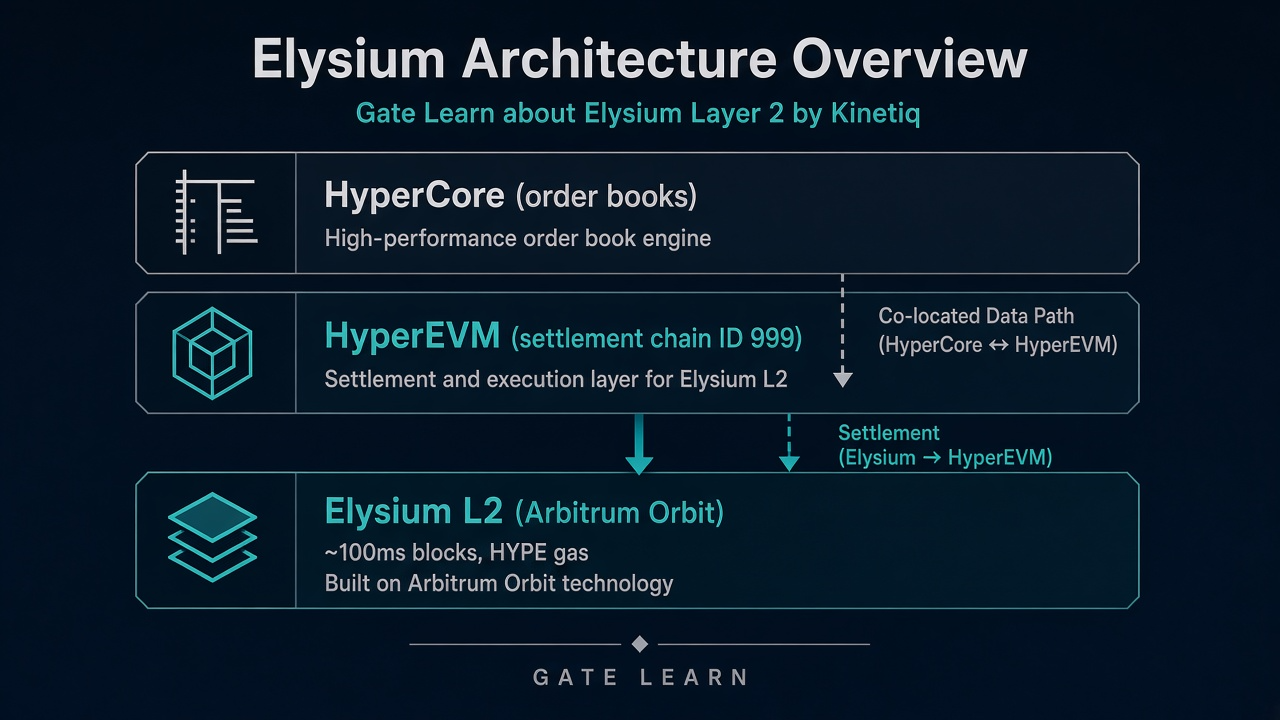 Figure 1. Layering of Elysium with HyperEVM and HyperCore.
What Can Builders and Traders Do with Elysium Blockspace?
Documented product surfaces emphasize four additions beyond raw speed. First, throughput for high volumes of transactions across HFT-style and PropAMM workloads, aimed at builders, traders, and DeFi apps. Second, a token lifecycle inside one ecosystem: launch on an Elysium AMM (including long-tail markets), deepen on PropAMM markets, optionally graduate to a HyperCore spot order book, then pursue perpetual listing through HIP-3. Third, native HyperCore market data readable by contracts for ordinary call gas without oracle pushes. Fourth, contract-driven HyperCore trading while users keep custody of HyperCore accounts.
Those HyperCore read and write edges are explicitly staged. Launch focuses on stock ArbOS, HYPE gas, bridging, and settlement. An ArbOS network upgrade about four weeks after mainnet is described as adding the market-data precompile and keeper fast-write lane. Readers should treat co-located HyperCore features as roadmap-gated capabilities, not as always-on day-one guarantees.
Sequencer revenue sharing is described with builder allocations based on Elysium blockspace consumed by their apps, plus treasury flows and KNTQ buybacks. Some of that revenue is described as buying KNTQ on the open market for the Hyperliquid Assistance Fund. Those are network incentive mechanisms, not user yield promises or investment returns.
How Is Elysium Different from HyperEVM?
HyperEVM is part of the Hyperliquid blockchain’s own EVM environment and inherits Hyperliquid validator security assumptions for that layer. Elysium is a separate Orbit L2 that settles to HyperEVM and starts with a more centralized launch posture: single sequencer, permissioned validation with a path toward permissionless fraud proofs (Arbitrum BoLD), and a single Conduit-operated DAS before a multi-member committee.
Both environments use HYPE for gas. Demand narratives around HYPE are often framed as driven more by core exchange activity than by HyperEVM activity alone. Elysium’s differentiator is execution capacity and fee economics for high-frequency EVM activity, with planned deeper HyperCore data surfaces as the architectural key. HyperEVM’s differentiator is tighter native composition with HyperCore under Hyperliquid’s own block design. Choosing between them is about workload fit: constrained native composition versus high-throughput Orbit execution with rollup withdrawal latency.
| Dimension |
HyperEVM |
Elysium |
| Role |
Native Hyperliquid EVM |
Orbit L2 settling to HyperEVM |
| Builder |
Hyperliquid stack |
Kinetiq |
| Gas |
HYPE |
HYPE bridged 1:1 as native gas |
| Throughput posture |
Deliberately constrained |
~100 ms blocks, ~300 Mgas/s target for spot trading |
| Exit path |
Native to Hyperliquid EVM context |
Optimistic withdrawal + challenge period |
What Advantages and Risks Should Users Know Before Using Elysium?
Advantages include Hyperliquid-native settlement, HYPE gas without a new gas token, and standard EVM developer tooling; users typically need to bridge HYPE from HyperEVM before transacting. The design is also aimed at workloads HyperEVM intentionally under-serves. Forced inclusion via HyperEVM’s delayed inbox and withdrawal challenge-period protection are documented user safeguards. HyperCore assets stay in users’ own HyperCore accounts; revoking a trading agent does not require trusting Elysium as a custodian of those Core balances.
Risks and limits matter equally. A single sequencer can censor or halt inclusion until forced-inclusion paths are used. Until a multi-member DA committee exists, “AnyTrust” describes the data mechanism more than k-of-n committee security. Optimistic withdrawals are not instant. Permissioned validation at launch is not the same as fully permissionless fraud proofs. Performance figures are targets validated in load testing and should be read as design goals until independently verified under mainnet load. Parameters and timelines can still change around launch hardening, MEV tooling, and BoLD migration, with MEV telemetry, block-time tuning, and permissionless proving planned as later items.
Summary
Elysium is Kinetiq’s Hyperliquid-oriented Layer 2: an Arbitrum Orbit chain that settles to HyperEVM, uses HYPE as native gas, and aims to give DeFi and market-making apps the blockspace HyperEVM constrains by design. Understanding Elysium means separating three ideas—HyperCore markets, HyperEVM settlement, and Elysium execution—and treating HyperCore precompile features and DA committee hardening as staged upgrades rather than silent assumptions.
FAQ
What is Elysium on Hyperliquid?
Elysium is a high-performance crypto Layer 2 built by Kinetiq for the Hyperliquid ecosystem. It is aimed at DeFi apps and trading workloads within Hyperliquid. It runs as an Arbitrum Orbit chain, settles to HyperEVM, and uses HYPE as its native gas token.
Is Elysium the same as HyperEVM?
No. HyperEVM is Hyperliquid’s native EVM environment. Elysium is a separate Orbit L2 that settles to HyperEVM as its parent chain rather than Ethereum and targets higher sustained throughput for EVM apps.
Does Elysium Use HYPE as Its Native Gas Token?
Yes. Users can bridge HYPE from HyperEVM to Elysium through the official bridge for fees, and withdraw it back 1:1 after the challenge period. This is native HYPE gas on Elysium.
How fast is Elysium compared with HyperEVM?
Kinetiq documents ~100 ms canonical blocks and a ~300 Mgas/s execution target for Elysium, which is roughly two orders above HyperEVM’s deliberately smaller gas budget on its fast-block path and is aimed at high-frequency transactions and spot trading workloads. Treat the figures as design targets until verified under live mainnet conditions.
What are the main security assumptions at launch?
Launch posture includes a single sequencer, permissioned validation with a path to BoLD, optimistic withdrawals with a challenge period, and a single operator-run AnyTrust data availability setup with full-data fallback to HyperEVM if the DAS is unavailable. Permissionless proving is planned later through Arbitrum BoLD rather than being a launch feature.