Unlike traditional bank accounts, cryptocurrency transactions are generally irreversible. If someone gains access to your exchange account, private keys, or recovery phrase, recovering stolen funds can be difficult or impossible. While blockchain networks such as Bitcoin and Ethereum remain highly secure, most crypto theft occurs because attackers exploit compromised passwords, phishing attacks, malware, or human error rather than weaknesses in the blockchain itself.
This guide explains the most effective ways to keep your cryptocurrency safe in 2026, covering everything from choosing a secure exchange and using hardware wallets to avoiding common crypto scams and building long-term security habits.
Key Takeaways
-
Protect your crypto with multiple layers of security. Use a reputable exchange, enable multi-factor authentication (MFA), create a strong unique password, and keep long-term holdings in a hardware wallet instead of relying on a single security measure.
-
Safeguard your recovery phrase and private keys. Never share them with anyone or store them in cloud storage, email, or screenshots. Keep offline backups in secure physical locations, as whoever controls your recovery phrase controls your cryptocurrency.
-
Stay alert to scams and phishing attacks. Most cryptocurrency losses result from compromised accounts, fake websites, malicious wallet approvals, and social engineering—not weaknesses in blockchain networks like Bitcoin or Ethereum.
-
Review your security regularly. Keep your devices and wallet software updated, monitor account activity, and periodically check wallet permissions and security settings to protect your digital assets as new threats emerge.
Why Crypto Security Matters in 2026
The biggest risk isn't the blockchain—it’s everything around it.
Bitcoin, Ethereum, and other major blockchain networks have proven remarkably resilient over the years. Instead, most cryptocurrency theft occurs through compromised private keys, phishing attacks, malware, exchange account takeovers, or malicious smart contracts.
Blockchain security firms continue to report billions of dollars in annual losses from hacks, exploits, and social engineering attacks. While some incidents target decentralized protocols, many losses occur because attackers successfully trick users into approving malicious transactions, revealing recovery phrases, or reusing compromised passwords.
This means protecting cryptocurrency isn't about finding a single “perfect” wallet—it’s about building multiple layers of security.
A strong crypto security strategy typically includes:
-
Using a reputable cryptocurrency exchange with transparent security practices
-
Protecting your exchange account with a unique password and multi-factor authentication (MFA)
-
Keeping long-term holdings in secure offline storage
-
Safeguarding your recovery phrase and private keys
-
Learning to recognize phishing scams and fake websites
-
Maintaining good device security and software hygiene
Security is not a one-time setup. As new threats emerge, your security practices should evolve alongside your investments.
Is It Safe to Keep Crypto on an Exchange?
Yes, it is safe for many users, provided you choose a reputable exchange and secure your account properly.
One of the biggest debates in cryptocurrency is whether users should leave assets on an exchange or move everything into a self-custody wallet. The answer depends on how you use your crypto.
Keeping assets on a reputable centralized exchange offers several advantages:
-
Professional custody and institutional-grade security
-
Easier account recovery if login credentials are lost
-
Fast access for spot trading, futures, and Earn products
-
Built-in security features such as withdrawal whitelists, anti-phishing codes, login alerts, and multi-factor authentication
-
Customer support when account issues arise
However, custodial storage also means trusting the platform to safeguard your assets. While reputable exchanges invest heavily in cybersecurity, users should still evaluate an exchange carefully before depositing funds.
For investors who rarely trade and intend to hold crypto for many years, moving a portion of their assets into self-custody or hardware wallets may provide an additional layer of protection.
For active traders, keeping trading capital on a well-established exchange is often the more practical option. Many experienced investors adopt a hybrid approach—maintaining sufficient funds on an exchange for trading while storing long-term holdings in offline wallets.
How to Choose a Secure Crypto Exchange
Not all cryptocurrency exchanges offer the same level of security. Before depositing funds, evaluate the platform using several key criteria.
Transparent Proof of Reserves
Proof of reserves allows users to verify that customer assets are backed by on-chain holdings. Exchanges that regularly publish independently verifiable proof of reserves provide greater transparency and help build confidence that customer deposits are fully backed. For example, Gate.com Proof of Reserves is a live page where users can check the exchange's reserves transparently.
While proof of reserves doesn’t replace a financial audit, it is an important indicator of operational transparency.
Cold Storage Practices
A secure exchange should keep the majority of customer assets in offline cold storage, reducing exposure to online attacks. Cold wallets are not connected to the internet, making them significantly harder for remote attackers to compromise.
Only a small portion of assets should remain in hot wallets to support daily withdrawals and trading operations.
Strong Internal Security Controls
Look for exchanges that implement strong security protocols and measures such as:
-
Multi-signature wallet management
-
Continuous security monitoring
-
Regular penetration testing
-
Bug bounty programs
-
Independent cybersecurity assessments
-
Withdrawal risk monitoring
These controls reduce operational risk and improve resilience against external attacks.
Regulatory Compliance
Regulation varies significantly across jurisdictions, but licensed exchanges generally operate under stricter compliance standards relating to anti-money laundering(AML), customer verification (KYC), cybersecurity, and financial reporting.
Before opening an account, confirm that the exchange is authorized to operate in your jurisdiction and complies with applicable local regulations.
User Security Features
Some of the most valuable security features protect users from their own mistakes.
Choose an exchange that offers:
-
Multi-factor authentication (MFA)
-
Withdrawal address whitelists
-
Device management
-
Login notifications
-
Anti-phishing email codes
-
API key permissions
-
Session management
These features significantly reduce the likelihood of unauthorized account access.
Red Flags to Watch For
Avoid platforms that exhibit any of the following warning signs:
-
No published security information
-
Unrealistically high guaranteed investment returns
-
Anonymous ownership with little public information
-
Poor customer support
-
Frequent unexplained withdrawal suspensions
-
Pressure to deposit funds immediately
-
Numerous unresolved security complaints
If something appears too good to be true, it usually is.
Securing Your Crypto Exchange Account
Even the most secure exchange cannot protect an account compromised through weak passwords or phishing attacks. In practice, many successful account takeovers begin with stolen login credentials rather than sophisticated hacking techniques.
Fortunately, improving account security only takes a few minutes.
Use a Strong, Unique Password
Every cryptocurrency account should have its own unique password.
Avoid:
Instead, use a password manager to generate a long, randomly generated password containing at least 16 characters.
Password managers such as 1Password, Bitwarden, and Proton Pass make it easy to store complex passwords securely without needing to remember them manually.
If one website suffers a data breach, unique passwords prevent attackers from accessing your crypto accounts through credential stuffing attacks.
Enable Multi-Factor Authentication (MFA)
Multi-factor authentication adds an additional verification step beyond your password.
For cryptocurrency accounts, authenticator apps are generally more secure than SMS verification because mobile phone numbers can be targeted through SIM swapping attacks.
Common authentication methods include:
| Authentication Method |
Security Level |
| SMS verification |
Moderate |
| Authenticator app |
High |
| Hardware security key |
Very High |
Whenever possible, enable MFA for:
-
Account login
-
Withdrawals
-
API management
-
Password changes
-
Security setting updates
These extra verification steps can prevent unauthorized access even if your password is compromised.
Protect Your Email Account
Your email account is often the weakest link in your security.
If attackers gain access to your email, they may be able to reset passwords for your exchange accounts, wallets, and other financial services.
Protect your email by:
-
Using a unique password
-
Enabling MFA
-
Reviewing recovery email addresses
-
Monitoring login activity
-
Removing unused third-party app permissions
Treat your email account with the same level of security as your cryptocurrency exchange account.
Enable Anti-Phishing Protection
Many reputable exchanges, including Gate.com, allow users to create a personalized anti-phishing code.
This code appears in legitimate emails sent by the exchange, making it easier to distinguish official communications from phishing attempts.
If an email claiming to come from your exchange does not display your personal anti-phishing code, do not click any links or enter your login credentials.
Use Withdrawal Whitelists
A withdrawal whitelist limits withdrawals to cryptocurrency addresses you have pre-approved.
Even if someone gains access to your account, they cannot easily transfer assets to a new wallet without additional verification.
This simple feature provides one of the most effective protections against unauthorized withdrawals and is highly recommended for anyone holding meaningful cryptocurrency balances.
Understanding Crypto Wallets: What They Are and How They Work
A crypto wallet doesn’t actually store your cryptocurrency—it manages the cryptographic credentials needed to store your crypto and authorize crypto transactions recorded on a blockchain.
Every wallet contains one or more private keys, which are used to authorize transactions. When you send Bitcoin, Ethereum, or another cryptocurrency, your wallet digitally signs the transaction using your private key, while the public key serves as the shareable address used to receive funds. The blockchain then verifies that signature before updating ownership.
Understanding this distinction is essential because whoever controls the private keys ultimately controls the cryptocurrency.
The Three Core Components of a Crypto Wallet
Before choosing a wallet, it’s important to understand three key terms.
| Component |
What It Does |
| Wallet Address (Public Address) |
The address you share with others to receive cryptocurrency. Similar to an account number. |
| Private Key |
A secret cryptographic key used to sign transactions. Never share this with anyone. |
| Recovery Phrase (Seed Phrase) |
A sequence of 12–24 words that can restore your wallet and regenerate all associated private keys. Anyone with this phrase can access your funds. |
Unlike a password, a recovery phrase cannot simply be reset. If someone gains access to it, they can import your wallet onto another device and transfer your cryptocurrency without your permission.
For this reason, your recovery phrase is often considered the single most important piece of information in crypto security.
Custodial vs. Self-Custody Wallets
One of the first decisions every crypto investor makes is whether to use a custodial wallet or a self-custody wallet.
Custodial Wallets
A custodial wallet is managed by a third party, typically a centralized cryptocurrency exchange, and in this context it functions as a custodial hot wallet run by the platform.
Instead of storing your own private keys, the exchange holds them on your behalf while providing access through your account credentials.
Advantages include:
The trade-off is that you’re trusting the exchange to secure your assets.
This is why it’s important to choose an exchange with transparent security practices, strong operational controls, and features such as proof of reserves, multi-factor authentication, and withdrawal protection.
Self-Custody Wallets
A self-custody wallet gives you complete ownership of your private keys.
This means no exchange, wallet provider, or third party can freeze your assets or recover access if you lose your recovery phrase.
Advantages include:
-
Full ownership of your cryptocurrency
-
Greater privacy
-
Direct access to DeFi applications
-
Compatible with many blockchain ecosystems
-
No reliance on exchange custody
However, self-custody also comes with full responsibility.
If your recovery phrase is lost or stolen, there is usually no way to recover your assets.
For many investors, self-custody is best suited to long-term holdings once they’re comfortable managing wallet security.
Hot Wallet vs. Cold Wallet: What’s the Difference?
One of the most common questions new investors ask is: Should I use a hot or cold wallet?
The answer depends on how often you access your cryptocurrency.
What Is a Hot Wallet?
A hot wallet is a software wallet connected to the internet.
Examples include:
Because they’re always online and constantly connected, hot wallets offer fast access for trading, payments, NFTs, staking, and decentralized finance (DeFi).
Advantages include:
The downside is increased exposure to online threats.
If your device is infected with malware or you connect to a malicious website, your wallet may be compromised, especially with browser extensions, and hot wallets are often used when easier access matters more than maximum security.
What Is a Cold Wallet?
A cold wallet stores private keys offline.
The most common example is a hardware wallet, one of the most widely used physical devices for crypto security, typically a small gadget similar to usb drives and built specifically to keep private keys protected offline. Most hardware wallets cost about $60 to $350.
Unlike software wallets, a hardware device signs transactions internally and can connect to your computer or mobile device without exposing your private keys.
Advantages include:
-
Excellent protection against remote hackers
-
Ideal for long-term investors
-
Reduced exposure to malware
-
Greater protection for large balances
The trade-off is convenience.
Accessing funds requires the physical device, making cold wallets less practical for frequent trading.
Hot Wallet vs. Cold Wallet Comparison
| Feature |
Hot Wallet |
Cold Wallet |
| Internet Connection |
Always online |
Offline |
| Convenience |
Excellent |
Moderate |
| Security |
Good |
Excellent |
| Best For |
Daily trading, DeFi, payments |
Long-term investing |
| Risk Level |
Higher |
Lower |
Most experienced investors use both. A common strategy is to combine hot and cold wallets so you have quick access to small active balances while keeping larger, long-term holdings protected offline.
Choosing the Right Wallet for Your Needs
Different investors have different security requirements, and there are multiple ways to choose where to keep assets depending on your goals.
New Investors: If you’re just getting started, beginning your crypto journey with a reputable exchange account protected with:
may be sufficient while you learn how cryptocurrency works.
Active Traders: If you trade regularly, keeping trading capital on an exchange while maintaining strong account security often provides the best balance between convenience and protection.
Avoid spreading funds across numerous little-known exchanges simply to access niche tokens.
Long-Term Investors: If you’re holding cryptocurrency for months or years without frequent trading, and mainly holding crypto rather than moving it often, consider storing most of your assets in a hardware wallet, since wallet choice should match your investment strategy.
This minimizes exposure to exchange account compromises and internet-based attacks.
How to Protect Your Recovery Phrase
Your recovery phrase is the master key to your wallet. Protecting it should be your highest priority.
If someone gains access to your recovery phrase, they can usually restore your wallet on another device and transfer your cryptocurrency without needing your password or hardware wallet.
Fortunately, protecting it is straightforward.
Best Practices
-
Write it down offline: Record your recovery phrase on paper (paper wallets were an early cold-storage method that printed private and public keys, but they’re vulnerable to damage and setup mistakes) or a purpose-built metal backup. Avoid storing it digitally whenever possible.
-
Store multiple physical backups: Consider keeping two copies in separate secure locations. This protects against fire, theft, flooding, or accidental damage. Examples include a home safe, a bank safe deposit box or a secure family location. Avoid keeping every backup in the same place, and keep encrypted backups only if you fully understand how to protect them offline.
-
Never store it online: Do not store your recovery phrase in cloud storage, email, notes apps, screenshots, password managers (unless you fully understand the associated risks), or messaging apps. Cloud services are frequent targets for attackers.
-
Never share it: Legitimate wallet providers, exchanges, customer support, or a security team will never ask for your recovery phrase. Anyone requesting it is attempting to steal your assets.
User error is one of the most common reasons people lose access to funds. If someone asks for your recovery phrase, end the conversation immediately.
Hardware Wallet Best Practices
Hardware wallets remain one of the safest ways to store cryptocurrency. Popular manufacturers include Ledger, Trezor, SafePal, and other reputable providers.
To maximize security:
Buy Directly From the Manufacturer
Purchase only from official websites or authorized resellers. Avoid second-hand devices or unofficial marketplaces. Tampered hardware has been used in past scams.
Initialize the Device Yourself
Your wallet should generate a brand-new recovery phrase during setup. If a device arrives with a recovery phrase already printed inside the box, do not use it. That device has likely been compromised.
Test Your Recovery
Before transferring significant funds, perform a recovery test. Restoring the wallet successfully confirms your backup works if the device is ever lost or damaged. Many experienced investors perform this step before storing substantial assets.
Keep Firmware Updated
Hardware wallet manufacturers regularly release firmware updates addressing newly discovered vulnerabilities. Install updates only through the manufacturer’s official software, as firmware and companion-app updates can increase security when sourced from official software only.
A Smarter Way to Store Crypto
Instead of relying on a single wallet, many experienced investors separate funds based on purpose across different wallets and multiple devices, depending on how they use them.
For example:
| Wallet Type |
Purpose |
| Exchange Account |
Active trading |
| Mobile wallet or software wallet |
Everyday spending |
| Hardware Wallet |
Long-term holdings |
This strategy limits risk. Using separate hardware and signing setups can reduce the chance that one compromise exposes everything.
If one wallet is compromised, your entire portfolio isn‘t exposed.
Some advanced users also separate wallets by activity—for example, one wallet dedicated to DeFi applications and another reserved exclusively for long-term Bitcoin storage.
Compartmentalization reduces the potential impact of phishing attacks, malicious smart contracts, or compromised applications.
Common Wallet Mistakes to Avoid
Even experienced investors make avoidable mistakes.
Some of the most common include:
-
Keeping large balances in a browser wallet
-
Saving recovery phrases in cloud storage
-
Reusing passwords across exchanges
-
Downloading fake wallet applications
-
Ignoring firmware updates
-
Connecting wallets to unknown decentralized applications
-
Signing transactions without understanding what they’re approving
Most cryptocurrency theft isn’t the result of sophisticated hacking—it happens because users unknowingly grant attackers access.
Taking a few extra seconds to verify websites, wallet addresses, and transaction details can prevent irreversible losses.
Common Crypto Scams and How to Avoid Them
Technology has made cryptocurrency more accessible than ever, but it has also made scams more sophisticated. Today, many attacks rely less on breaking blockchain security and more on manipulating users into giving away access to their assets.
Understanding the most common scams can help you recognize warning signs before irreversible losses occur.
Phishing Websites
Phishing remains one of the most common ways cryptocurrency is stolen.
Attackers create websites that closely resemble legitimate exchanges, wallet providers, or DeFi platforms. A single misplaced character in the URL can be enough to fool unsuspecting users into entering login credentials or approving malicious transactions.
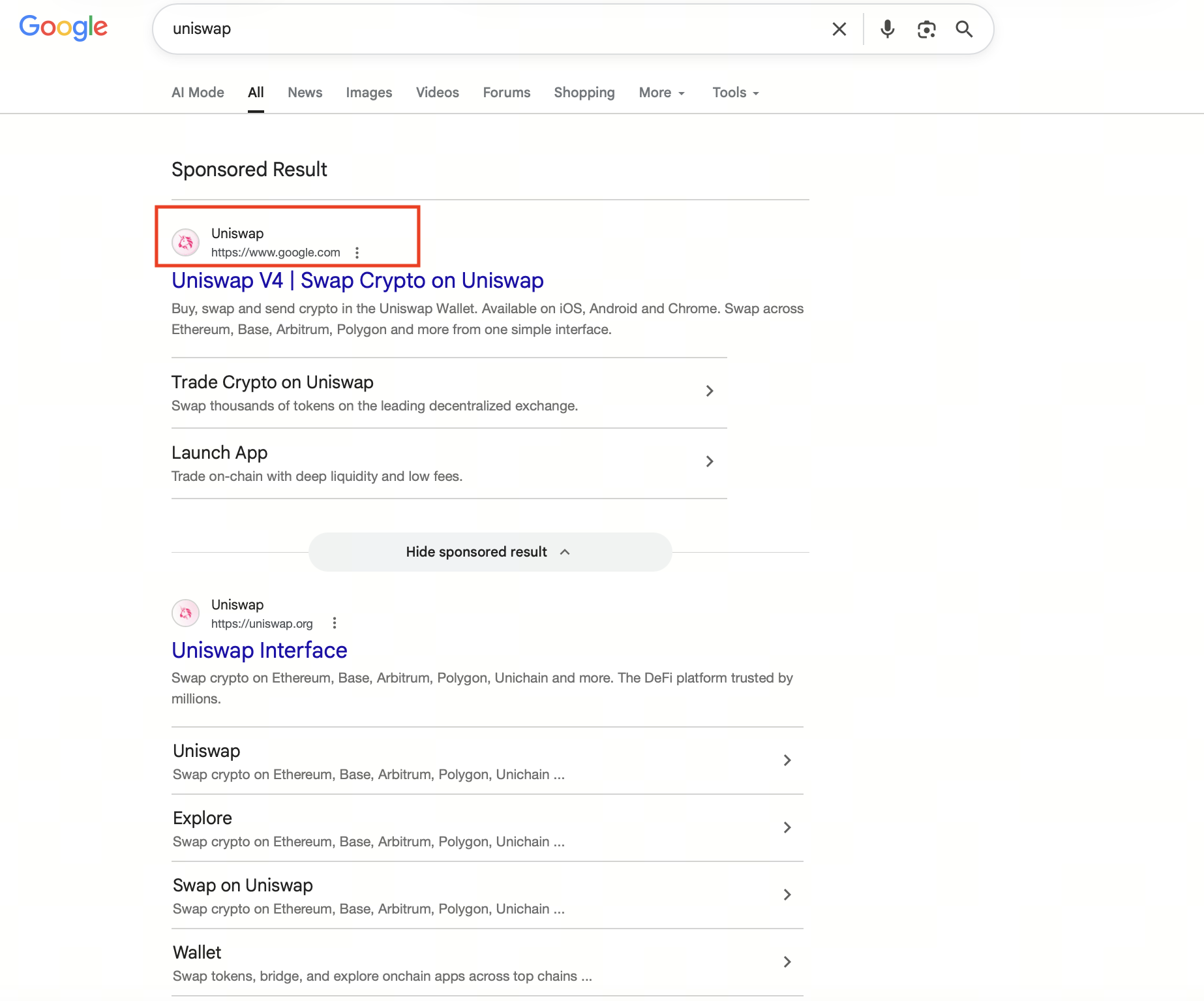
Before logging in or connecting your wallet:
-
Type the website address manually or use a saved bookmark.
-
Check that the domain name is correct.
-
Verify the website uses HTTPS.
-
Be cautious of sponsored search results or links shared through social media and messaging apps.
If something looks slightly different from what you’re used to, stop and verify before proceeding.
Fake Customer Support
Scammers frequently impersonate exchange employees on platforms such as Telegram, Discord, X, or WhatsApp. They may claim your account has been compromised or offer to help resolve a withdrawal issue. Legitimate customer support will never ask for:
If someone requests any of this information, it is a scam. Always contact support through the official website or app.
Wallet Drainers and Malicious Smart Contracts
Many scams no longer require users to reveal their recovery phrase. Instead, attackers convince users to connect a wallet to a malicious decentralized application (dApp) and approve a transaction. The transaction may appear harmless, but it can grant the attacker permission to transfer tokens from your wallet.
Before approving any transaction:
-
Read what you’re signing.
-
Verify the application is legitimate.
-
Avoid interacting with unknown token airdrops.
-
Regularly review and revoke unnecessary token approvals.
If you’re unsure, disconnect your wallet and research the project before proceeding.
Investment and Giveaway Scams
Promises of guaranteed profits remain one of the oldest cryptocurrency scams.
Common warning signs include:
-
Guaranteed daily returns
-
Celebrity endorsements that seem too good to be true
-
Pressure to “act now”
-
Requests to send cryptocurrency to receive more back
-
Unsolicited investment opportunities through direct messages
Remember, if an investment promises high returns with little or no risk, it is almost certainly fraudulent.
AI-Powered Impersonation
Artificial intelligence has made scams significantly more convincing. Fraudsters now use AI-generated voices, videos, emails, and fake customer support conversations to imitate trusted companies or individuals.
Always verify important requests through official communication channels rather than relying solely on phone calls, emails, or social media messages. Healthy skepticism is one of the most effective security tools you have.
Everyday Crypto Security Best Practices
Good security isn’t just about choosing the right wallet—it’s about building safe habits.
Keep Your Devices Secure
Your computer and smartphone are often the weakest link.
Protect them by:
-
Installing software updates promptly
-
Using reputable antivirus software where appropriate
-
Enabling full-disk encryption
-
Locking devices with strong passwords or biometrics
-
Avoiding software from untrusted sources
A secure setup also helps keep a crypto wallet safe, especially on a phone or laptop used for regular transactions.
If you use cryptocurrency regularly, consider dedicating one device primarily to financial activities. Keeping trading separate from gaming, torrenting, or experimental software reduces unnecessary risk.
Be Careful on Public Wi-Fi
Public wireless networks can expose users to unnecessary risks.
If possible:
-
Avoid logging into financial accounts on public Wi-Fi.
-
Use your mobile network instead.
-
If public Wi-Fi is unavoidable, consider using a trusted VPN service.
Verify Wallet Addresses
Malware can replace copied cryptocurrency addresses with an attacker’s address. Before sending funds:
-
Double-check the first and last several characters.
-
Verify the full address for large transfers.
-
Send a small test transaction before transferring significant amounts.
A few extra seconds can prevent permanent losses.
Keep Good Records
Maintaining accurate records makes tax reporting and portfolio management much easier. Consider securely storing:
-
Transaction history
-
Exchange statements
-
Purchase prices
-
Wallet addresses
-
Backup documentation
Encrypt sensitive files or store them offline whenever possible.
Plan for the Unexpected
Unlike traditional bank accounts, cryptocurrency cannot always be recovered after the owner’s death.
If you hold meaningful digital assets, consider including cryptocurrency in your estate planning.
Trusted family members or legal representatives should know how to locate your recovery instructions without exposing your private keys during your lifetime.
Planning ahead helps ensure your assets remain accessible when they matter most.
Crypto Security Checklist
Before investing more money, review this checklist.
| Security Task |
Completed |
| Use a unique password for every crypto account |
☐ |
| Enable multi-factor authentication |
☐ |
| Protect your email with MFA |
☐ |
| Enable withdrawal address whitelists |
☐ |
| Turn on anti-phishing protection |
☐ |
| Store recovery phrases offline |
☐ |
| Keep long-term holdings in a hardware wallet |
☐ |
| Review wallet permissions regularly |
☐ |
| Update wallet software and firmware |
☐ |
| Verify addresses before every transfer |
☐ |
Following these habits helps you keep crypto safe and reduces the risk of preventable loss.
Conclusion
Protecting cryptocurrency isn’t about relying on a single security tool—it’s about building multiple layers of protection.
A reputable exchange, strong passwords, multi-factor authentication, secure wallets, offline recovery phrase storage, and careful online habits all work together to reduce risk.
Remember that security is an ongoing process rather than a one-time task. Threats evolve, new scams emerge, and technology continues to change. Reviewing your security practices regularly is one of the simplest ways to protect your digital assets over the long term.
Whether you’re buying your first Bitcoin or managing a diversified crypto portfolio, the habits you build today can help safeguard your investments for years to come.
FAQ
What is the safest way to store cryptocurrency?
For most long-term investors, a hardware wallet combined with securely stored offline recovery phrase backups provides one of the strongest levels of protection. Active traders often keep only the funds they need on a reputable exchange while storing long-term holdings separately.
Is it safe to leave crypto on an exchange?
It depends on the exchange and your own security practices.
Established exchanges with transparent security controls, proof of reserves, multi-factor authentication, and withdrawal protections can provide a secure environment for active trading. Investors holding significant long-term balances may choose to store a portion of their assets in self-custody.
What happens if I lose my hardware wallet?
If you still have your recovery phrase, you can usually restore your wallet on a compatible replacement device. If both the hardware wallet and recovery phrase are lost, your cryptocurrency may be permanently inaccessible.
Should I keep my recovery phrase in a password manager?
Many security professionals recommend storing recovery phrases offline because it reduces exposure to online attacks.
Advanced users may choose encrypted digital storage based on their own threat model, but offline physical backups remain the simplest and most widely recommended approach.
Can cryptocurrency be hacked?
Major blockchain networks such as Bitcoin and Ethereum have proven highly resilient. Most cryptocurrency theft results from compromised accounts, phishing attacks, malware, stolen recovery phrases, or users approving malicious transactions—not from attackers breaking the blockchain itself.
How often should I review my crypto security?
Review your security whenever:
-
You purchase a new device.
-
You install a new wallet.
-
You begin using a new exchange.
-
You interact with unfamiliar decentralized applications.
-
A major security incident affects a platform you use.
Even without these events, performing a security review every few months is a good habit.