The article provides a comprehensive overview of the transformation of IOUs from traditional paper instruments to sophisticated digital assets in the blockchain ecosystem. It highlights their evolution, especially in the realm of decentralized finance, where blockchain IOUs offer transparency, liquidity, and security. The piece addresses key issues such as cross-chain transactions, synthetic assets, and lending protocols, beneficial for crypto investors and traders. Organized into sections discussing the historical evolution, current applications, and differences from traditional debt instruments, the article aims to educate readers on the advancing role and real-world impacts of IOU tokens in crypto markets, supported by platforms like Gate.
The Evolution of IOUs: From Paper Promises to Blockchain Assets
The concept of IOUs, which stands for "I Owe You" in the blockchain context, has undergone a significant transformation from traditional paper-based promises to digital assets in the Web3 ecosystem. This evolution reflects the broader shift towards decentralized finance and the increasing importance of digital representations of value. In the crypto world, the iou meaning in crypto extends beyond simple debt acknowledgments to encompass a range of tokenized assets and trading mechanisms.
Historically, IOUs were informal written agreements between two parties, often lacking specific repayment terms or legal enforceability. However, as the financial landscape evolved, so did the nature of IOUs. The advent of blockchain technology has revolutionized this concept, introducing what does iou stand for in blockchain - a digital representation of debt or future obligations. These blockchain-based IOUs offer enhanced transparency, immutability, and programmability, addressing many of the limitations associated with traditional paper IOUs.
The transition from paper to digital IOUs has been marked by several key developments. Firstly, the introduction of smart contracts has enabled the creation of self-executing agreements that automatically enforce the terms of an IOU. This has significantly reduced the risk of default and streamlined the repayment process. Secondly, the tokenization of IOUs has made them easily tradable and divisible, increasing their liquidity and accessibility to a broader range of investors. Lastly, the integration of IOUs into decentralized finance (DeFi) protocols has opened up new possibilities for collateralization and yield generation.
As the crypto ecosystem continues to mature, the role of IOUs in blockchain-based financial systems is becoming increasingly sophisticated. These digital IOU assets in Web3 are not just representations of debt but have evolved into complex financial instruments that can be used for various purposes, including trading, lending, and even governance in decentralized autonomous organizations (DAOs). Gate, a leading cryptocurrency exchange, has been at the forefront of supporting the trading and development of these innovative IOU-based assets, recognizing their potential to reshape the financial landscape.
Mastering IOU Tokens: How They're Revolutionizing Web3 Trading
IOU tokens explained in the context of Web3 trading reveal a paradigm shift in how we conceptualize and execute financial transactions. These digital representations of debt or future obligations have become integral to the functioning of many decentralized exchanges and lending platforms. Unlike traditional IOUs, which are typically bilateral agreements, IOU tokens in the crypto space can be easily traded, fractionalized, and used as collateral, offering unprecedented flexibility and liquidity.
One of the most significant innovations in IOU token utilization is their role in facilitating cross-chain transactions and bridging liquidity across different blockchain networks. For instance, when a user wants to transfer assets from one blockchain to another, they may receive an IOU token on the destination chain while their original assets are locked on the source chain. This mechanism ensures that value can be moved seamlessly across different blockchain ecosystems without compromising security or introducing additional counterparty risk.
The impact of IOU tokens on trading dynamics cannot be overstated. They have enabled the creation of synthetic assets, allowing traders to gain exposure to various financial instruments without directly owning the underlying assets. This has dramatically expanded the range of trading opportunities available in the crypto market. Moreover, IOU tokens have facilitated the development of more efficient lending and borrowing protocols, where users can collateralize their assets to obtain loans or earn interest on their holdings.
Gate has been instrumental in supporting the trading of various IOU tokens, recognizing their potential to enhance market efficiency and provide users with innovative financial products. By offering a platform for IOU token trading, Gate has contributed to the increased liquidity and accessibility of these digital assets, further driving their adoption and integration into the broader Web3 ecosystem.
Real-World Applications: Powerful Examples of IOUs in Today's Crypto Ecosystem
The practical applications of IOUs in the cryptocurrency space are diverse and far-reaching, demonstrating the versatility of this concept in addressing real-world financial challenges. Crypto iou trading examples abound, showcasing how these digital assets are being used to solve complex problems and create new opportunities for investors and traders alike.
One prominent example is the use of IOU tokens in decentralized exchanges (DEXs) to represent assets that are not natively supported on a particular blockchain. For instance, a DEX on Ethereum might issue IOU tokens for Bitcoin, allowing users to trade Bitcoin-pegged assets without leaving the Ethereum ecosystem. This not only enhances liquidity but also enables cross-chain interoperability, a crucial factor in the fragmented blockchain landscape.
Another powerful application is in the realm of synthetic assets. Platforms like Synthetix have leveraged the concept of IOUs to create a wide range of synthetic tokens that track the price of real-world assets such as stocks, commodities, and currencies. These synthetic assets, represented as IOU tokens, allow crypto traders to gain exposure to traditional financial markets without the need for intermediaries or the complexities of cross-border transactions.
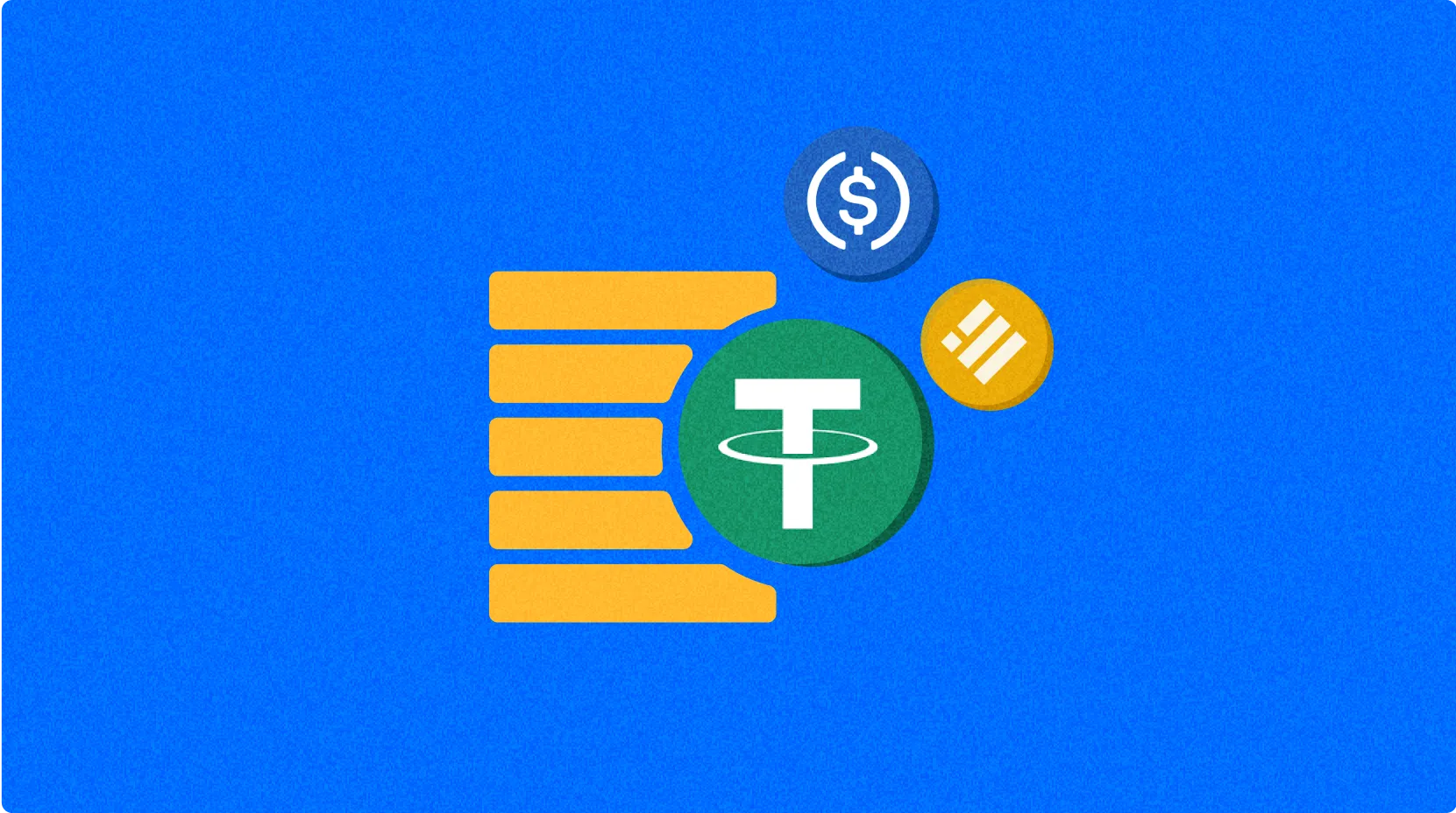
In the lending and borrowing sector, IOU tokens play a crucial role in collateralized debt positions (CDPs). Users can lock up their crypto assets as collateral and receive IOU tokens representing borrowed funds. This mechanism has enabled the creation of stablecoins like DAI, which maintain a stable value through a system of over-collateralized debt positions.
Gate has been at the forefront of supporting these innovative IOU-based applications, offering trading pairs for various synthetic assets and IOU tokens. By providing a robust platform for these emerging financial instruments, Gate is contributing to the growth and maturation of the crypto ecosystem, enabling users to access a wide range of financial products and services previously unavailable in traditional markets.
The Critical Differences Between Blockchain IOUs and Traditional Debt Instruments
The emergence of blockchain technology has introduced a new paradigm in the world of financial instruments, particularly in how IOUs are conceptualized and implemented. While both blockchain IOUs and traditional debt instruments serve the fundamental purpose of acknowledging and tracking debt, there are several critical differences that set them apart. These distinctions highlight the innovative nature of blockchain-based financial solutions and their potential to address longstanding challenges in the traditional financial system.
To better understand these differences, let's compare blockchain IOUs and traditional debt instruments across several key parameters:
| Feature |
Blockchain IOUs |
Traditional Debt Instruments |
| Transparency |
Fully transparent, with all transactions recorded on a public ledger |
Often opaque, with limited visibility into transactions and ownership |
| Transferability |
Highly liquid and easily transferable through digital wallets |
May require complex legal processes for transfer |
| Divisibility |
Can be fractionalized into smaller units |
Typically indivisible or subject to minimum denomination |
| Smart Contract Integration |
Can be programmed with self-executing terms and conditions |
Rely on manual enforcement of terms |
| Global Accessibility |
Accessible to anyone with an internet connection |
Often restricted by geographical and regulatory boundaries |
| Settlement Time |
Near-instantaneous settlement |
Can take days or weeks for settlement |
| Counterparty Risk |
Reduced through decentralized systems and cryptographic security |
Higher, often requiring trust in centralized institutions |
These differences underscore the transformative potential of blockchain IOUs in the financial sector. The increased transparency and efficiency offered by blockchain-based systems can significantly reduce the risk of fraud and streamline complex financial processes. Moreover, the programmability of blockchain IOUs through smart contracts opens up new possibilities for automated financial instruments that can adapt to changing market conditions in real-time.
Gate, recognizing the potential of these blockchain-based financial instruments, has been actively supporting the trading and development of various IOU tokens and related products. By providing a platform for these innovative assets, Gate is helping to bridge the gap between traditional finance and the emerging world of decentralized financial systems, offering users access to a new generation of financial tools and opportunities.
* The information is not intended to be and does not constitute financial advice or any other recommendation of any sort offered or endorsed by Gate.