This article offers a comprehensive guide to understanding blockchain blocks, covering their definition, structure, and cryptographic linking mechanisms. It delves into the processes of block mining and validation, addressing potential chain conflicts and resolutions through consensus mechanisms. Ideal for anyone seeking clarity on blockchain technology's foundational aspects, this resource explains how blocks ensure secure, transparent, and tamper-resistant data storage, applicable to digital asset transactions and beyond. Key topics are organized logically to enhance readability and serve as a quick yet thorough overview for both beginners and seasoned professionals.
Block
Definition and Core Concept
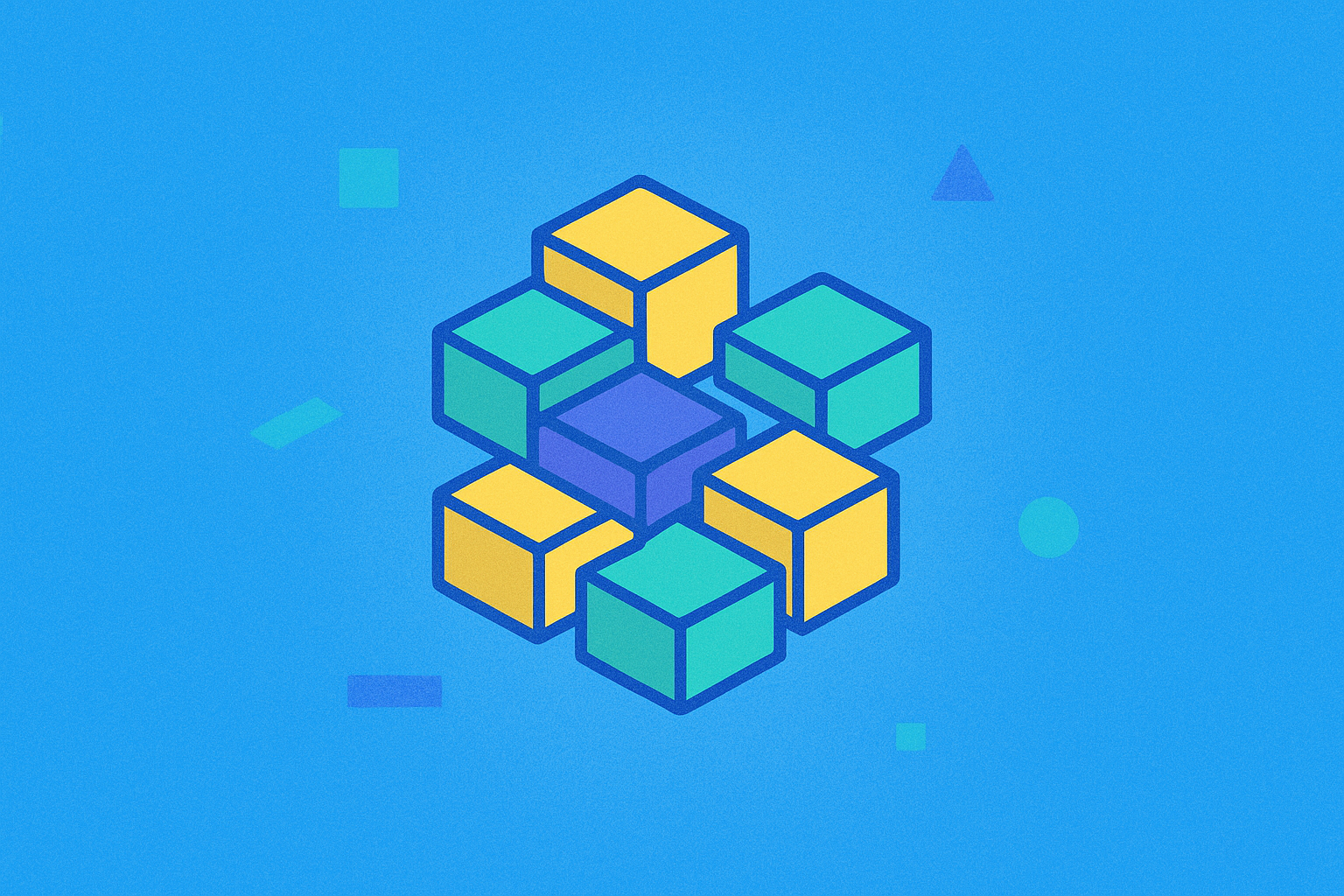
A block is a fundamental unit in blockchain technology that serves as a container for storing transaction data. In its essence, a block is a computer file that records and maintains information about transactions occurring within a blockchain network. These blocks are organized in a strictly linear and chronological sequence, forming an interconnected chain that extends continuously - a structure that has given rise to the term "blockchain."
Every block within a blockchain network contains comprehensive information about transactions, and each newly created block maintains a cryptographic connection to its predecessor through advanced cryptographic techniques. This linkage mechanism ensures data integrity and creates an immutable historical record. The complete chain of linked blocks preserves all transaction data generated since the inception of a particular blockchain network, with records tracing back to the initial block, commonly referred to as the block zero or genesis block. The total number of confirmed blocks counted from the genesis block onwards is designated as the block height, serving as a measure of blockchain progression.
Block Structure and Components
Blockchain blocks are composed of multiple structural elements that work together to ensure data organization and security. Using major blockchain networks as practical examples, blocks typically contain several key components: a comprehensive list of recent transactions that have been validated by the network, a timestamp indicating the precise moment of block creation, and crucially, a reference to the immediately preceding block. This reference takes the form of a cryptographic hash - a unique digital fingerprint - derived from the previous block's data.
The structure of a block is designed to facilitate both data storage and verification. Each block encapsulates a window of transaction activity, allowing the network to process and record changes in an organized manner. The presence of the previous block's hash within each new block creates an explicit link in the chain, making the data structure inherently sequential and dependent on its history.
Cryptographic Linking Mechanism
The cryptographic linking of blocks represents one of the most critical features of blockchain technology, providing security and tamper-resistance. When a new block is generated, it always incorporates the hash of the previous block within its own structure. This inclusion of the predecessor's hash creates a cryptographic relationship that binds blocks together in an unbreakable chain. Should someone attempt to alter the data in any past block, the hash of that block would change, which would subsequently invalidate all downstream blocks that reference the original hash.
This structure enables the creation of a secure distributed database that demonstrates exceptional resistance to tampering and malicious attacks. The block hash itself functions as a unique identifier for each block, similar to a digital fingerprint that is distinct and unrepeatable. Each hash is generated through a computationally intensive process, ensuring that blocks cannot be easily duplicated or forged. The cryptographic linking mechanism transforms a collection of data blocks into a fortified system where historical records become progressively more secure and immutable as additional blocks are added to the chain.
Block Mining and Validation
The generation and validation of blocks involve a specialized process known as mining, which is fundamental to blockchain network operations. The block hash, while serving as an identifier, is actually the solution to a complex mathematical problem that requires significant computational effort to solve. Miners - network participants with substantial computing power - compete to discover a valid solution for the next block to be added to the chain. The miner who successfully finds a valid block hash earns the right to validate that particular block and confirm the transactions it contains.
Mining demands considerable computational resources, as the mathematical problems become progressively more difficult to maintain consistent block generation intervals. As an incentive for miners to contribute their computing power and resources to the network, successfully mined blocks generate new digital assets as a block reward. In major blockchain networks, for example, miners receive newly created digital tokens upon successfully mining a block. This reward mechanism balances the substantial costs of mining operations while simultaneously incentivizing network security and decentralization.
Chain Competition and Resolution
In distributed blockchain networks, occasional situations arise where multiple miners discover valid block solutions within a short timeframe, creating temporary conflicts in the blockchain's continuity. When two or more miners find a valid block hash simultaneously, multiple different blocks may be broadcasted to the network at roughly the same time. This simultaneous block propagation results in competing chains - different versions of the blockchain diverging from a common point.
To resolve this conflict and maintain network consensus, all network participants, known as nodes, employ a standardized resolution mechanism. The nodes collectively identify and accept the chain that eventually becomes the longest, as determined by accumulated computational work ("proof of work"). This longest chain represents the consensus version of truth within the network. Conversely, the alternative competing chain is discarded and abandoned by the network. The blocks that comprised the rejected chain become known as stale blocks or orphan blocks, and they are effectively removed from the canonical blockchain history. This consensus mechanism ensures that despite temporary divergences, all nodes converge on a single, unified version of the blockchain.
Conclusion
Blocks represent the foundational building blocks of blockchain technology, serving as secure containers for transaction data that are cryptographically linked to form an immutable historical record. What do people mean by blocks? They are structured units designed to organize and secure digital information through their composition, cryptographic linking mechanisms, and the mining and validation processes that govern their creation. Blocks enable blockchain networks to maintain secure, transparent, and tamper-resistant databases. While blocks are most commonly discussed in the context of digital asset transactions, their application extends to any type of digital data requiring secure storage and verification on blockchain systems. The elegance of the block-based architecture lies in its ability to transform distributed data storage into a system where security strengthens over time, consensus mechanisms prevent conflicts, and the historical record becomes progressively more immutable with each newly added block.
FAQ
What does "block" mean in slang?
In blockchain slang, a block refers to a batch of transactions bundled together and added to the chain. In general slang, it's an informal greeting like "dude" or "man," commonly used among friends.
What does it mean when people say "blocks"?
In blockchain, blocks are data packages containing transaction records, timestamps, and cryptographic hashes. Each block links to the previous one, forming an immutable chain that secures the network and enables decentralized consensus.
How long is 10 blocks in miles?
In the context of city blocks, 10 blocks typically equals 0.5 miles. However, note that block length varies by location. In cryptocurrency, 'blocks' refer to data units in the blockchain, not physical distance.
* The information is not intended to be and does not constitute financial advice or any other recommendation of any sort offered or endorsed by Gate.