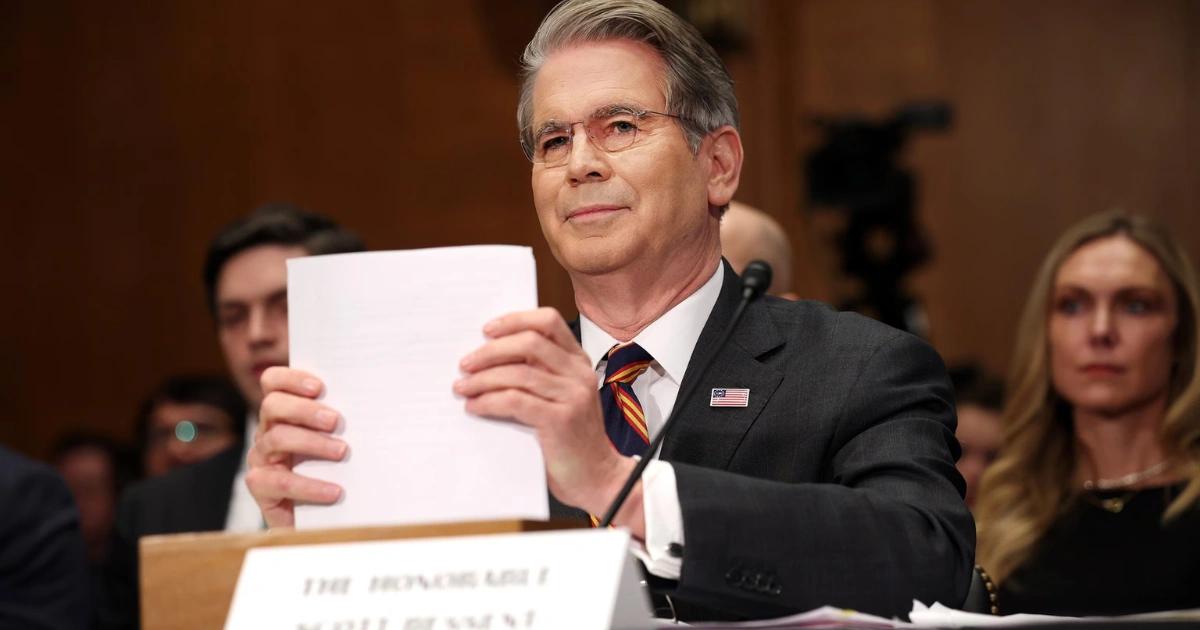
U.S. Treasury Secretary Scott Bessent Criticizes Crypto Nihilism, Pushes for the CLARITY Act, Stablecoin Yield Controversy Sparks Legislative Deadlock and Shakes Bitcoin Market Confidence.
Treasury Secretary Launches Strong Criticism Against Industry "Nihilists," Pushes Hard for Regulatory Legislation
U.S. Treasury Secretary Scott Bessent, during a hearing before the Senate Banking Committee on February 5th, issued the most direct attack yet against forces within the cryptocurrency industry obstructing legislative progress.
Bessent pointed out that there is a "nihilism group" within the industry, composed of individuals who would rather see Congress fail to pass regulation altogether than accept what they consider "sound oversight." He emphasized that passing the CLARITY Act is an absolute prerequisite for the legal and stable operation of the crypto industry in the United States, and bluntly stated: "Market participants who don't want rules should move to El Salvador."
This statement is clearly a sarcastic reference to El Salvador's policy since 2021 of adopting Bitcoin ($BTC) as legal tender and providing a relatively lax environment, also reflecting the Trump administration’s firm stance on pushing structural legislation for digital assets.
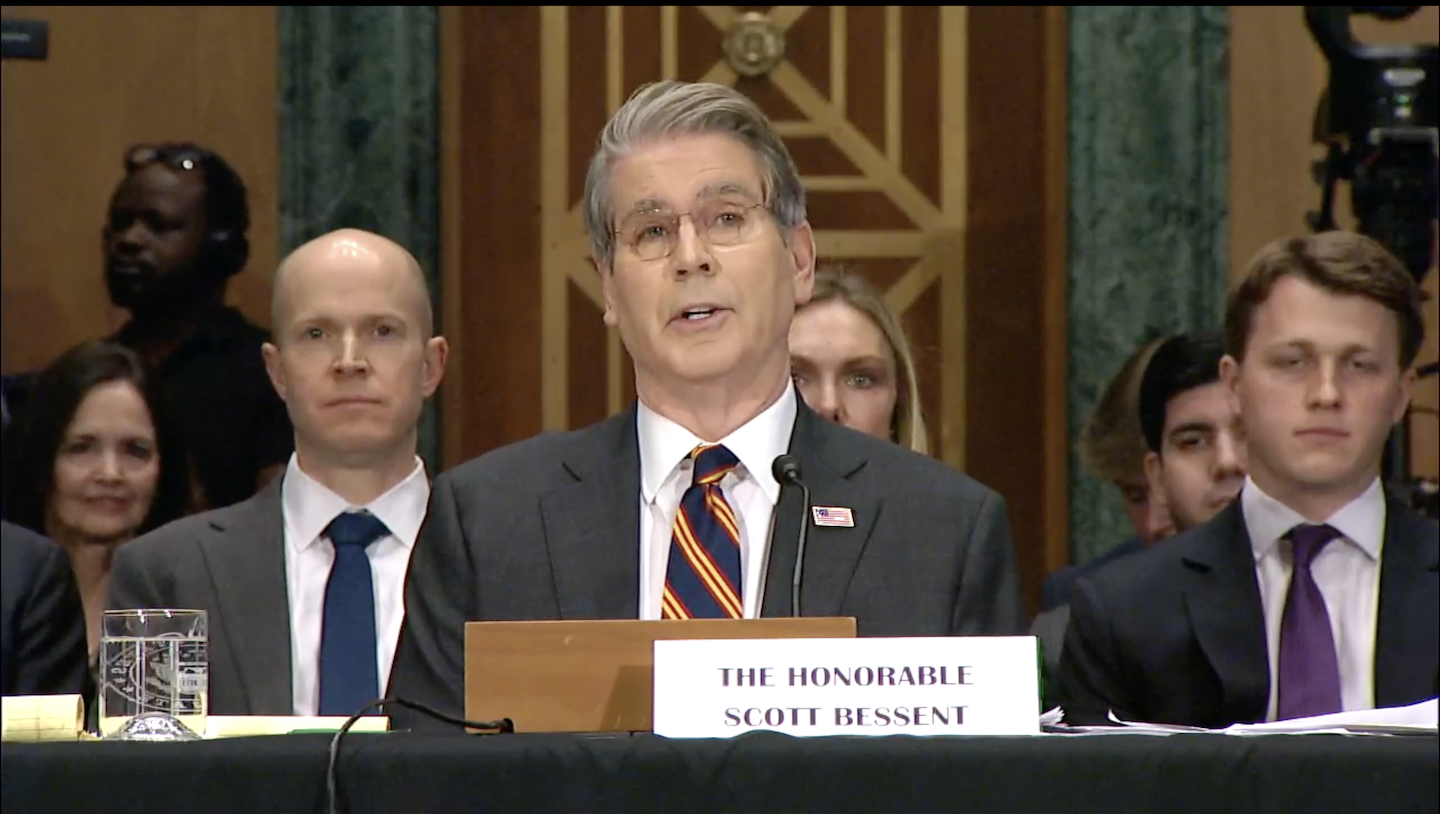
Image Source: Senate Banking Committee U.S. Treasury Secretary Scott Bessent
Bessent’s testimony reflects the U.S. government’s impatience with the crypto industry, which has long been mired in enforcement actions and legal uncertainty. He stated that without this bill, it would be "impossible" for the U.S. government to continue effective regulation of the crypto market. Although the Trump administration was previously seen as more friendly toward crypto, Bessent’s stance clearly sets a bottom line: The government is willing to provide space for innovation, but only within the framework of "safe, sound, and smart" practical regulations and government oversight.
This hearing unexpectedly led to a brief alliance between the Treasury Secretary and Democratic Senator Mark Warner, both of whom expressed extreme frustration over the deadlock in bill negotiations.
Stablecoin Yield Becomes a Negotiation Stumbling Block, Coinbase Withdraws Support Triggering Chain Reaction
The core reason for the legislative deadlock lies in the conflicting positions between Coinbase, the largest U.S. crypto exchange, and the government. Coinbase CEO Brian Armstrong suddenly announced in January 2026 that it would withdraw support for the CLARITY Act, forcing the scheduled Senate Banking Committee vote to be postponed. Armstrong publicly stated on social media: "If we have to settle for a bad bill, better no bill at all." This was immediately rebuffed by the White House, which argued that industry cannot expect to operate indefinitely without a comprehensive regulatory framework — a "pure fantasy."
Further Reading
Coinbase Opposes Crypto Market Structure Bill! CEO Highlights 4 Major Flaws: Violates Privacy, Stifles Innovation
The main point of contention is the ban on "passive income" from stablecoins in the bill. According to the current draft in the Senate, digital asset providers would be prohibited from paying passive yields solely because users hold stablecoins (such as $USDT or $USDC), allowing only rewards tied to trading or liquidity provision activities. This poses a huge commercial interest for Coinbase, which alone earned $355 million from stablecoin-related revenue in Q3 2025, with analysts estimating the total annual revenue from related plans could exceed $1 billion.
Additionally, banking lobbies strongly oppose opening stablecoin yields, fearing it could trigger deposit outflows and threaten the stability of community and small banks. Bessent also expressed understanding of banking sector concerns during the hearing, emphasizing that deposit volatility is highly undesirable and that the crypto bill must ensure it does not jeopardize traditional financial institutions’ ability to lend to agriculture, small businesses, and real estate.
Legislative Deadlock Dubbed "Crypto Hell," Divisions Between Parties Over National Security and DeFi Exemptions
Facing a lengthy negotiation process, Democratic Senator Warner, actively involved in bill details, lamented during the hearing that the current situation is like being in "crypto hell," eliciting laughter from the audience. While most lawmakers agree that digital assets need clear rules, significant disagreements remain over how to regulate decentralized finance (DeFi) and how to address national security issues such as illegal financing loopholes.
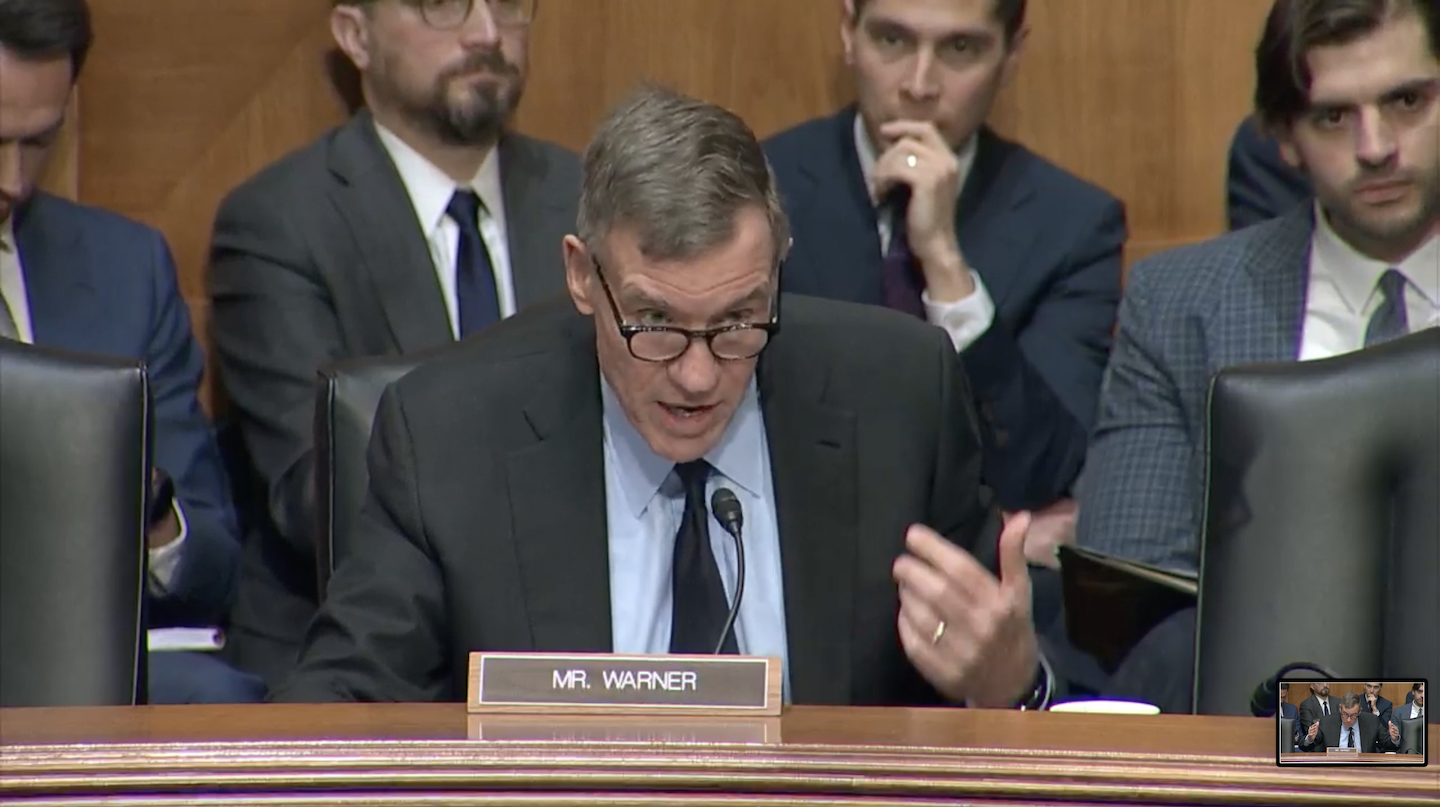
Image Source: Senate Banking Committee Democratic Senator Mark Warner
Warner emphasized that he cannot accept a bill that creates large exemptions or weakens existing prosecutorial powers, especially regarding DeFi activities involving national security.
One of the core goals of the CLARITY Act is to resolve jurisdiction disputes between the Securities and Exchange Commission (SEC) and the Commodity Futures Trading Commission (CFTC), bringing digital commodities, investment contracts, and stablecoins under a unified federal framework. While Republicans tend to favor giving more authority to the CFTC, Democrats worry this could limit government influence over the crypto industry, with some proposing amendments to restrict the president’s ability to shape industry regulations and profit from them.
Although the Senate Agriculture Committee has passed a version without Democratic support, the bill still needs consensus in the Senate Banking Committee and reconciliation of the two drafts, ultimately requiring substantial support from Senate Democrats to become law.
Further Reading
Senate Agriculture Committee Passes Crypto Bill in a Narrow Vote! But Trump’s Interests and Ethical Clauses Absent, Sparking Partisan Debate
From GENIUS to CLARITY, Trump Administration Aims to Achieve Goals Within This Year
Despite ongoing disputes, legislators including Democratic Senator Angela Alsobrooks remain optimistic about reaching a bipartisan compromise. She believes the Senate can find a balance between fostering innovation and protecting community banks. Bessent also cited the previously passed GENIUS Act as a successful example, which established regulatory standards for U.S. stablecoin issuers, although it was only enacted after the initial 100-day deadline promised by "Crypto Czar" David Sacks. Bessent believes that with continued bipartisan effort, the CLARITY Act has a good chance of crossing the finish line by the end of 2026.
On the international front, Bessent responded to Senator Cynthia Lummis’ inquiry about whether China is developing digital assets backed by gold reserves to compete with the renminbi, stating that while he cannot fully confirm, if China is seeking to do so, "I wouldn’t be surprised." He firmly believes that privately issued stablecoins under strict U.S. regulation will outperform China’s or Europe’s central bank digital currencies (CBDCs) in terms of performance and attractiveness.
Market Sentiment Dented, Bitcoin Price Volatile Under Policy Pressure
However, the tough stance of government officials and legislative gridlock have directly impacted investor confidence in the crypto market. On the day Bessent testified before the Senate Banking Committee, Bitcoin’s price decline accelerated, with a single-day drop of over 12%. This was mainly because in another testimony before the House Financial Services Committee, he explicitly ruled out any government bailout of digital assets. Data shows that after reaching over 97,000 in January 2026, Bitcoin has fallen back to around 63,100–65,000, with a cumulative decline of over 32% since the start of the year.
Further Reading
Bitcoin Continues to Drop! Lawmaker Asks if the Government Will Step In to Support? Treasury Secretary: We Have No Authority to Rescue
Bitcoin Plunges to $60,000! "Trump Rally" Fully Reversed, 200-Day Moving Average as Potential Support
Market analysts note that investors are closely watching every statement from the federal government, especially regarding the progress of the CLARITY Act. While officials from the Trump administration repeatedly emphasize making the U.S. the crypto capital, Bessent’s comments also serve as a reminder: "Friendly regulation" does not mean unrestrained freedom. As negotiations enter a critical phase, crypto companies will face a choice: accept a federal framework with strict transparency requirements, or seek offshore environments like El Salvador, as Bessent suggested. The ongoing battle over stablecoin yields, DeFi regulation, and national security will undoubtedly shape the future landscape of global digital finance in the coming years.


