The fundamental distinctions between SNDK, WDC, and Micron stem from their core storage technologies: SNDK is dedicated to NAND Flash and SSD operations, resulting in pure exposure to the flash memory cycle; WDC, following its spin-off, centers on HDD capacity-based storage; Micron manages both DRAM memory and NAND flash, making it subject to the pricing cycles of both product types. This classification is intended solely to define comparable parameters and does not imply any evaluation of the relative strengths or weaknesses of the entities involved.
2026-11-04 08:14:41
The business underpinning SNDK stock is built on NAND Flash wafer manufacturing as its upstream foundation, with controllers and firmware integrating these into SSDs and embedded flash products. These are delivered across four key market segments: consumer-grade, enterprise cloud, client, and mobile & automotive. Revenue is driven by NAND pricing, the shipment mix across categories, and the pace of capital expenditure—fully separating SNDK from WDC, which retains its HDD business, in both technology and cyclical dynamics.
2026-11-04 08:14:41
Compared with LS Electric and its peers in the South Korean power equipment sector, investors should prioritize the proportion of power distribution equipment, automation synergies, data center orders, overseas revenue, and project delivery capabilities — rather than simply focusing on the "power equipment" label. The more a company's structure leans toward a total solution, the more its performance depends on order cycles and project execution quality.
2026-11-04 08:14:39
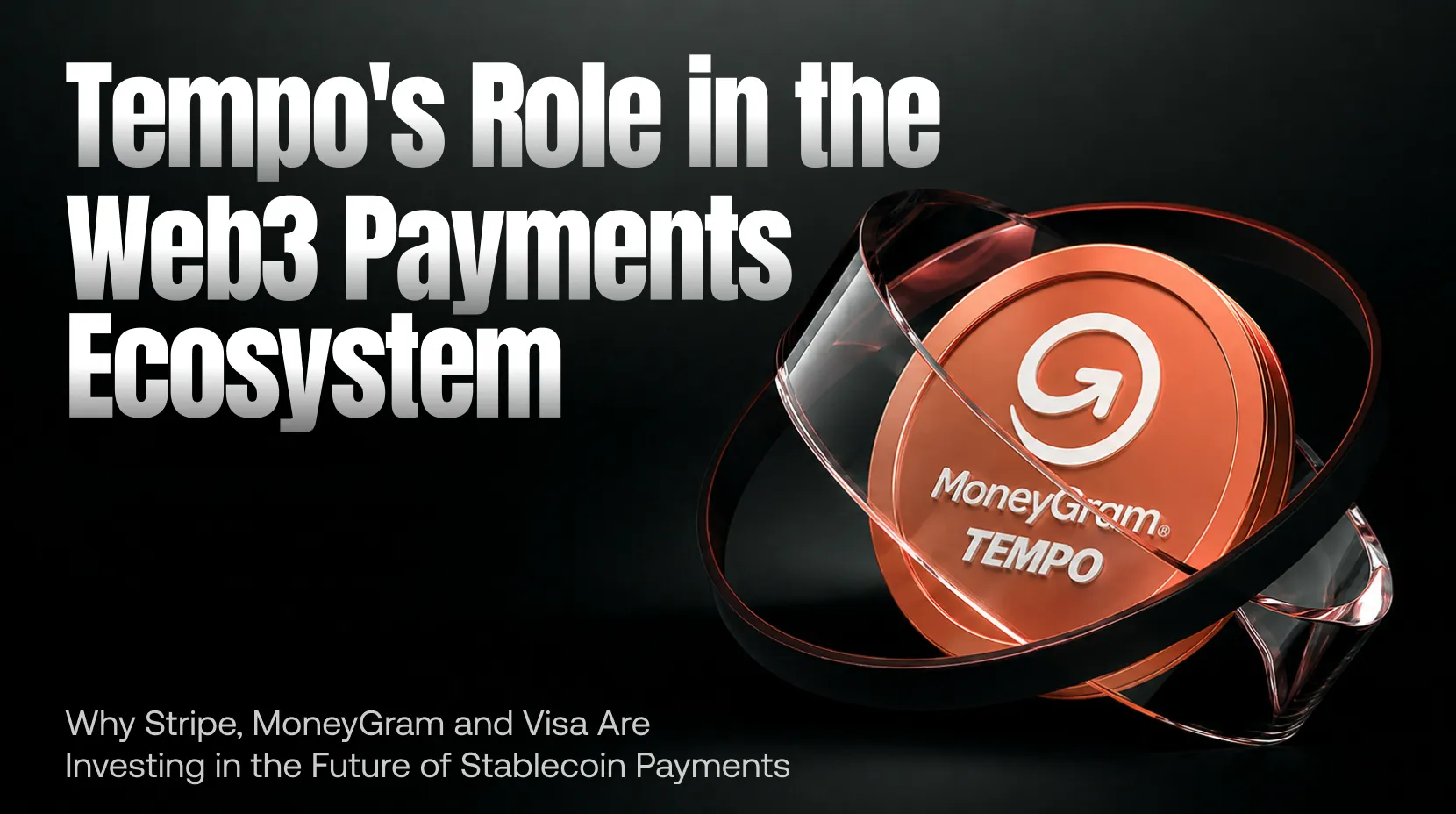
As stablecoins increasingly move beyond the cryptocurrency market into cross-border payments, corporate settlements, and global financial services, payment infrastructure becomes ever more critical. Tempo, a Layer 1 blockchain dedicated to stablecoin payments, is building a payment ecosystem alongside Stripe, MoneyGram, and Visa to drive blockchain technology toward real-world commercial adoption.
2026-11-04 08:14:39
LS Electric's business model can be understood as a combination of "power equipment + automation systems + project orders." The power segment provides SWGR, transformers, and distribution solutions; the automation segment provides PLCs, servo drives, and inverters; while data center and industrial customer orders affect the revenue structure and delivery rhythm.
2026-11-04 08:14:39
As stablecoins increasingly expand from the cryptocurrency market into enterprise payments, cross-border remittances, and global commercial settlement, market attention is turning to the blockchain infrastructure powering these applications. Tempo, a Layer 1 blockchain purpose-built for stablecoin payments, seeks to improve traditional cross-border payment flows with efficient Operar validation, enterprise-grade payment architecture, and privacy safeguards.
2026-11-04 08:14:39
When analyzing LS Electric, key focus areas should include SWGR and transformer orders, project backlog, data center power distribution demand, automation product sales volume, gross profit margin, overseas revenue share, raw material costs, and the Korean won exchange rate. Business indicators and Gate Stocks trade execution risk must be cross-checked separately.
2026-11-04 08:14:39
The Black Bull's three ecosystem tools have clearly defined roles: Ansem-call Radar tracks Ansem-related on-chain and community signals; LP Pods organizes community liquidity on PumpSwap in a non-custodial manner; Market Terminal directly reads ANSEM's price, liquidity, volume, market cap, and position distribution from the browser. None of the three tools replace SPL holding and transfer operations within the Solana wallet.
2026-11-04 08:14:38
When trading LS Electric (010120) with USDT on Gate Stocks' Korean Stocks section, the core workflow includes verifying account and stock permissions, preparing available USDT, searching for code 010120, confirming the name as either "LS Electric" or "LS电气," selecting an order type, and reviewing positions and order history post-execution. While this trading process addresses operational checks, fully understanding the asset requires familiarity with the electrical equipment business, order cycles, and risk considerations.
2026-11-04 08:14:38
RFQ (Request for Quote) has increasingly become a key trading mechanism in the on-chain derivatives market. Unlike conventional order book trading, RFQ enables traders to secure more competitive execution prices by soliciting real-time quotes from liquidity providers, while also mitigating issues such as slippage and liquidity shortages.
2026-11-04 08:14:37
Real World Assets (RWA) are progressively transitioning from tokenization to on-chain financial applications, with derivatives markets widely considered the next critical frontier. Using Variational as a case study, this article examines how traditional financial liquidity flows into DeFi, how the ecosystem architecture is evolving, and the pivotal role RWA derivatives could play in the future.
2026-11-04 08:14:37
When analyzing Western Digital (WDC), key areas of focus should include HDD shipments and average capacity, cloud customer demand, gross margin, inventory, free cash flow, capital expenditure, customer concentration, and the post-spin-off continuing operations basis. The SanDisk spin-off has made WDC more HDD-focused, but historical financial data may reflect shifts in business boundaries. Before investing, it is essential to separately assess industry cycles, company metrics, and trading platform risks.
2026-11-04 08:14:37
When trading Western Digital (WDC) with USDT on Gate Stocks, the core workflow involves confirming your account and stock permissions, ensuring sufficient available USDT, searching for the ticker WDC, verifying the company name and market status, selecting an order type, and reviewing your holdings and order history after execution. Note that WDC and SNDK are distinct stock tickers—the trading process handles operational verification, but understanding the underlying assets still requires factoring in the SanDisk spin-off, the HDD cycle, and company risk indicators.
2026-11-04 08:14:37
PSK Inc. (319660) spun off from PSK Holdings in 2019 and went public independently on KOSDAQ. The company specializes in front-end semiconductor equipment, including Dry Strip and Dry Cleaning tools, alongside SEMIgear 3D packaging solutions; on Gate Stocks, the Korea Stock Zones allow users to perform Traders on KRX-listed stocks with settlement in USDT. The ticker 319660 is identical to that on the domestic KOSDAQ market. Regular trading runs from 09:00 to 15:20 KST, with prices shown in KRW and Traders settled in USDT.
2026-11-04 08:14:36
The key distinction between USDG and USDC/USDT lies in their stablecoin economics: with USDC and USDT, the reserve yield is mainly retained by the issuers Circle and Tether, meaning platforms that drive adoption rarely have a systematic way to share in those returns. In contrast, USDG operates within Paxos’ compliant issuance framework and, through the GDN, allocates up to approximately 97%–100% of its reserve yield to approved network partners, rather than letting a single issuer capture all the value.
2026-11-04 08:14:36