USDT to USD: Understanding the Difference Between Tether and the U.S. Dollar

2025-08-27 03:40:40
Payments
Stablecoin
Article Rating : 3.2
0 ratings
When traders look at USDT to USD, it seems like a 1:1 exchange—1 Tether (USDT) always equals 1 U.S. Dollar (USD). But the truth is more complex. While USD is physical, government-issued money, USDT is a digital stablecoin designed to mirror the value of USD. Understanding how Tether works, when it started, and Bitfinex’s role in its rise is key to grasping modern crypto markets.
USDT to USD: Understanding the Difference Between Tether and the U.S. Dollar

USD vs USDT: The Key Difference

  • USD: Official currency of the United States, issued and backed by the U.S. government and Federal Reserve.
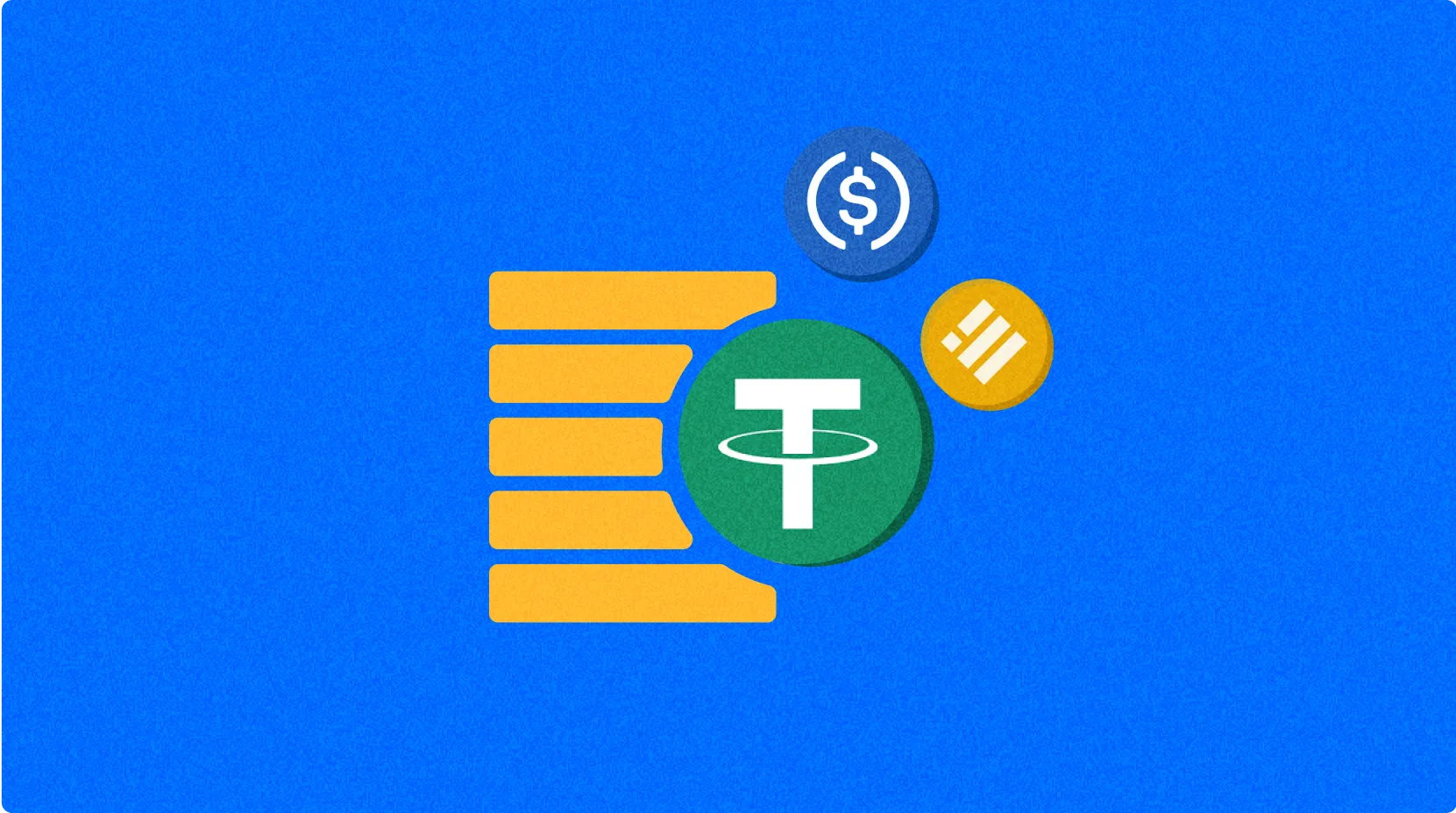
  • USDT: A digital token created by Tether Limited, designed to always be pegged to the U.S. Dollar. Instead of government backing, each USDT is meant to be supported by equivalent reserves in cash, treasuries, or other financial assets.

This peg makes USDT stable compared to volatile cryptocurrencies, which is why it is one of the most widely used trading pairs in the world.


How USDT Works

When you convert USD to USDT, Tether Limited issues new tokens into circulation. For example:

  1. An investor deposits $1,000 USD with Tether Limited.
  2. Tether mints 1,000 USDT tokens and gives them to the investor.
  3. If the investor later redeems them, Tether destroys (burns) 1,000 USDT and returns $1,000 USD.

This model ensures that the supply of USDT in circulation should always match the reserves held by Tether.


When and Why Tether Was Created

  • Launched in 2014, Tether was originally known as Realcoin.
  • The goal was simple: create a cryptocurrency that holds a stable value, unlike Bitcoin or Ethereum, which are highly volatile.
  • Stablecoins like USDT became essential for traders who wanted to move funds between exchanges quickly without relying on slow, expensive bank transfers.

Over time, USDT became the dominant stablecoin, now handling billions in daily trading volume across crypto markets.


The Role of Bitfinex in USDT’s Growth

Bitfinex, one of the largest crypto exchanges in the mid-2010s, was closely tied to Tether’s rise:

  • Shared Management: Bitfinex and Tether Limited were run by overlapping teams.
  • Integration: Bitfinex was one of the first exchanges to list USDT pairs, boosting liquidity and making it the default stablecoin for traders.
  • Liquidity Engine: Traders on Bitfinex used USDT to move large sums of money efficiently without touching the banking system, accelerating adoption across other exchanges.

This connection gave USDT an early advantage—but also attracted scrutiny from regulators about transparency and reserve backing.


Why USDT to USD Matters for Traders

For most users, converting USDT to USD is straightforward—1 USDT is worth about 1 USD. But the peg is not just about convenience:

  • Liquidity: Almost all major cryptocurrencies are traded against USDT pairs.
  • Speed: Sending USDT across blockchains is faster than bank transfers.
  • Arbitrage: Traders often move USDT between exchanges to profit from price differences.
  • Hedging: Holding USDT allows traders to step out of volatile markets while staying in crypto.

Conclusion

The difference between USDT and USD is that one is a government-issued fiat currency, while the other is a crypto stablecoin designed to mirror its value.

Created in 2014, Tether (USDT) was built to solve volatility and banking friction in crypto markets. With Bitfinex playing a crucial role in its early adoption, USDT has now become the backbone of global crypto trading.

Whether you’re trading Bitcoin, Ethereum, or meme coins, chances are you’ll pass through the USDT to USD bridge at some point.


FAQs

1. What is the difference between USD and USDT?
USD is government-issued money; USDT is a digital token pegged to USD by Tether Limited.

2. How does USDT maintain its 1:1 peg?
By holding reserves equal to the amount of USDT in circulation and redeeming tokens for dollars.

3. When was Tether launched?
Tether launched in 2014 under the name Realcoin before rebranding to USDT.

4. What role did Bitfinex play?
Bitfinex integrated USDT early, boosting its liquidity and making it the most widely used stablecoin.

5. Why do traders prefer USDT?
Because it’s stable, fast to transfer, and widely accepted across exchanges.

* The information is not intended to be and does not constitute financial advice or any other recommendation of any sort offered or endorsed by Gate.
Related Articles
What is Stellar and how will it operate in 2025?

What is Stellar and how will it operate in 2025?

What is Stellar and how will it operate in 2025? As Stellar [blockchain](https://www.gate.com/learn/articles/what-is-xlm-stellar-lumens-a-comprehensive-guide-to-the-stellar-blockchain-and-its-native-cryptocurrency/8442) redefines global finance, its adoption rate skyrockets, competing with traditional cryptocurrencies. With lightning-fast transaction speeds and innovative use cases in Web3, Stellar's impact is undeniable. Explore how this revolutionary platform is shaping the future of decentralized finance and why it has become a cornerstone of the digital economy.
2025-08-14 05:19:44
The Secrets of Payments – How to Enhance Your Online Transaction Experience

The Secrets of Payments – How to Enhance Your Online Transaction Experience

With digital innovation transforming every aspect of modern life, payments have emerged as a focal point in enhancing online transaction experiences. This article reveals the secrets to improving your digital payment interactions, from boosting security to optimizing transaction speed. Read on to discover practical insights that can transform your online payment experience.
2025-08-14 05:19:16
What is MTL: Understanding Multi-Task Learning in Artificial Intelligence

What is MTL: Understanding Multi-Task Learning in Artificial Intelligence

This article explores Metal (MTL), highlighting its role as an innovative player in cryptocurrency payments, with a focus on rewarding transactions. It delves into Metal's origins, decentralized blockchain technologies, and its impact on the market. Key issues addressed include transaction security, regulatory risks, and competition. The content is structured to guide readers through Metal's history, operational mechanisms, market performance, ecosystem applications, and community dynamics. Suitable for both crypto enthusiasts and professionals, the article provides actionable insights into adopting MTL on Gate.
2025-11-18 06:41:55
How Does the Token Economics Model of XRP Differ from Other Cryptocurrencies?

How Does the Token Economics Model of XRP Differ from Other Cryptocurrencies?

This article dissects XRP's distinctive tokenomics, highlighting its fixed supply and energy-efficient consensus method. Unlike other cryptocurrencies, XRP's 100 billion tokens were pre-mined, preventing inflation and fostering sustainability. It delves into Ripple's 80/20 token distribution model, exploring its implications for governance, decentralization, and market control. The piece further compares XRP's rapid, low-cost transaction processing to Bitcoin and Ethereum, emphasizing its suitability for fast payments. Targeted at cryptocurrency enthusiasts and financial professionals, the article underscores XRP's potential as a stable, eco-friendly digital asset.
2025-12-01 08:50:37
How to Make Money as a Kid: 12 Fun and Easy Ideas

How to Make Money as a Kid: 12 Fun and Easy Ideas

Kids today have more opportunities than ever to earn extra money. Whether it’s helping around the neighbourhood, building an online presence, or starting a small hustle, there are plenty of ways to make cash and learn valuable skills along the way. Here’s a guide on how to make money as a kid that goes beyond just pocket money.
2025-09-05 05:59:07
Alchemy Pay: a hybrid payment platform that seamlessly connects Crypto Assets and fiat.

Alchemy Pay: a hybrid payment platform that seamlessly connects Crypto Assets and fiat.

Alchemy Pay (ACH) is a hybrid payment platform that connects Crypto Assets and fiat, achieving instant conversion and payment of multiple coins through blockchain technology. It aims to break down the barriers between traditional finance and decentralized finance, promoting the development of the global Crypto Assets payment ecosystem.
2025-08-14 04:50:07
Recommended for You
Social Investing Apps: Community and Market Access

Social Investing Apps: Community and Market Access

Social investing apps combine brokerage or portfolio tools with community features such as investor profiles, activity feeds, discussions, sentiment signals and, on some platforms, automatic copy trading.
2026-09-24 11:07:40
Copy Trading Platforms: Strategy Sharing and Replication

Copy Trading Platforms: Strategy Sharing and Replication

Copy trading platforms let users automatically replicate the trades of selected lead traders. This guide covers trader selection, proportional allocation, risk metrics, diversification, execution differences, and platform reliability.
2026-09-24 11:06:59
Crypto Exchange Insolvency: Warning Signs and Risks

Crypto Exchange Insolvency: Warning Signs and Risks

Crypto exchange insolvency can freeze withdrawals and put customer assets at risk. This guide explains warning signs, bankruptcy risks, historical failures, customer ownership issues and ways to reduce exchange exposure.

2026-09-24 10:42:13
Crypto Staking Regulation: Rules for Exchanges and Investors

Crypto Staking Regulation: Rules for Exchanges and Investors

Crypto staking regulation covers how SEC securities rules apply to protocol, custodial and liquid staking, what exchanges must consider when structuring staking services, and how U.S. investors report staking rewards for tax purposes.

2026-09-24 10:40:31
Crypto Custody Regulation: Rules for Banks and Exchanges

Crypto Custody Regulation: Rules for Banks and Exchanges

Crypto custody regulation governs how banks, exchanges and other custodians safeguard digital assets. Key requirements cover private-key control, customer asset segregation, AML/KYC, cybersecurity and institutional risk management.
2026-09-24 10:38:58
Crypto Exchange Licensing: How Regulatory Approval Works

Crypto Exchange Licensing: How Regulatory Approval Works

Crypto exchange licensing allows exchanges to provide regulated crypto services in specific jurisdictions. Requirements can include AML/KYC controls, capital safeguards, governance, transaction monitoring and regulatory reporting.
2026-09-24 10:38:09