


Фьючерсы
Доступ к сотням фьючерсов
TradFi
Золото
Одна платформа мировых активов
Опционы
Hot
Торги опционами Vanilla в европейском стиле
Единый счет
Увеличьте эффективность вашего капитала
Демо-торговля
Введение в торговлю фьючерсами
Подготовьтесь к торговле фьючерсами
Фьючерсные события
Получайте награды в событиях
Демо-торговля
Используйте виртуальные средства для торговли без риска
Запуск
CandyDrop
Собирайте конфеты, чтобы заработать аирдропы
Launchpool
Быстрый стейкинг, заработайте потенциальные новые токены
HODLer Airdrop
Удерживайте GT и получайте огромные аирдропы бесплатно
Launchpad
Будьте готовы к следующему крупному токен-проекту
Alpha Points
Торгуйте и получайте аирдропы
Фьючерсные баллы
Зарабатывайте баллы и получайте награды аирдропа
Инвестиции
Simple Earn
Зарабатывайте проценты с помощью неиспользуемых токенов
Автоинвест.
Автоинвестиции на регулярной основе.
Бивалютные инвестиции
Доход от волатильности рынка
Мягкий стейкинг
Получайте вознаграждения с помощью гибкого стейкинга
Криптозаймы
0 Fees
Заложите одну криптовалюту, чтобы занять другую
Центр кредитования
Единый центр кредитования


Еще






China's Ministry of Industry Aims to Foster NFT and Dapp Growth Despite Crypto Ban
Disclosure: Crypto is a high-risk asset class. This article is provided for informational purposes and does not constitute investment advice. By using this website, you agree to our terms and conditions. We may utilise affiliate links within our content, and receive commission.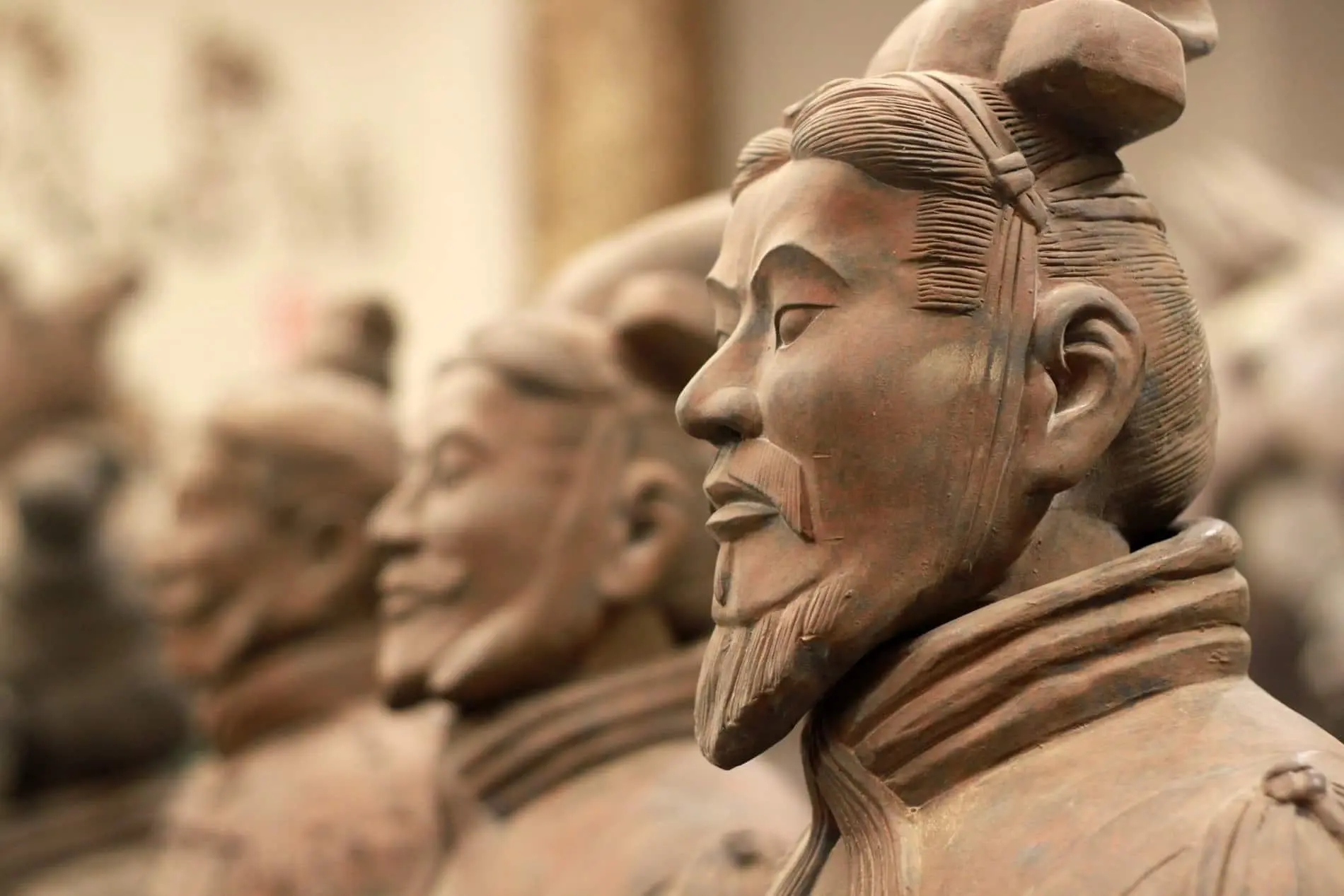 Source: AdobeStock Lukas / HlavacChina’s Ministry of Industry and Information Technology has published a document outlining its current and future work on developing Web3 and related technologies, including metaverse, non-fungible tokens (NFTs), and decentralized apps (dapps).
The document is a response to a proposal by Wu Jiezhuang, a member of the National Committee of the Chinese People’s Political Consultative Conference.
The Ministry examined Wu’s ‘Proposal on Promoting the Development of Web3 Industry,’ along with the Chinese Academy of Sciences and the China Association for Science and Technology.
They concluded that Wu’s suggestions align with the Ministry’s direction, as the latter “attaches great importance” to the Web3 industry development.
According to the response,
In particular, the Ministry acknowledged China’s advantages in developing Web3, including proper industrial foundation and broad development space.
Fostering NFTs and Metaverse
The response outlined several steps the country has already taken to support the industry. Notably, this comes despite the 2021 blanket crypto ban.
Firstly, the Ministry and the Cyberspace Administration of China have issued a series of policies, including the Guiding Opinions on Accelerating the Application of Blockchain Technology and Industrial Development.
Also, the National Standardization Committee worked with the Ministry to establish the National Blockchain and Distributed Accounting Technology Standardization Technical Committee to provide an environment for blockchain-based Web3 development.
Next, research institutions continue to explore Web3-related technologies. This includes metaverse and NFT.
Furthermore, the Ministry supports the establishment of several data institutions, such as the Beijing International Big Data Exchange and the Shanghai Data Exchange. These provide a “testing ground” for applications.
Lastly, the country has established working groups with international organizations to collaborate on developing international and domestic standards.
Four Future Steps
In response to Wu’s suggestions, the Ministry said it would strengthen collaborations with relevant departments to promote Web3 innovation and “high-quality industrial development.”
It outlined its four steps in that direction.
First: improve the research of Web3, formulate a development strategy, and clarify the application model.
It will:
Second: strengthen technical research and supervision. The aim is to support enterprises, universities, and research institutions in achieving breakthroughs in key core technologies in cross-chain, privacy computing, smart contracts, etc.
Third: carry out international exchanges and cooperation. The Ministry and relevant actors will “closely follow” the latest trends in Web3 from the international political, industry, academic, and research circles.
Fourth: increase publicity and promotion. The Ministry will work to improve the public’s understanding of Web3. It will promote application pilots such as distributed digital identity (DID), form demonstration projects, and build a technology and industrial application exchange platform, among other projects.