


العقود الآجلة
وصول إلى مئات العقود الدائمة
TradFi
الذهب
منصّة واحدة للأصول التقليدية العالمية
الخیارات المتاحة
Hot
تداول خيارات الفانيلا على الطريقة الأوروبية
الحساب الموحد
زيادة كفاءة رأس المال إلى أقصى حد
التداول التجريبي
مقدمة حول تداول العقود الآجلة
استعد لتداول العقود الآجلة
أحداث مستقبلية
"انضم إلى الفعاليات لكسب المكافآت "
التداول التجريبي
استخدم الأموال الافتراضية لتجربة التداول بدون مخاطر
إطلاق
CandyDrop
اجمع الحلوى لتحصل على توزيعات مجانية.
منصة الإطلاق
-التخزين السريع، واربح رموزًا مميزة جديدة محتملة!
HODLer Airdrop
احتفظ بـ GT واحصل على توزيعات مجانية ضخمة مجانًا
منصة الإطلاق
كن من الأوائل في الانضمام إلى مشروع التوكن الكبير القادم
نقاط Alpha
تداول الأصول على السلسلة واكسب التوزيعات المجانية
نقاط العقود الآجلة
اكسب نقاط العقود الآجلة وطالب بمكافآت التوزيع المجاني


المزيد






BlackRock, ARK Invest, and Others Opt for Cash Redemption After SEC Pushback
Disclosure: Crypto is a high-risk asset class. This article is provided for informational purposes and does not constitute investment advice. By using this website, you agree to our terms and conditions. We may utilise affiliate links within our content, and receive commission.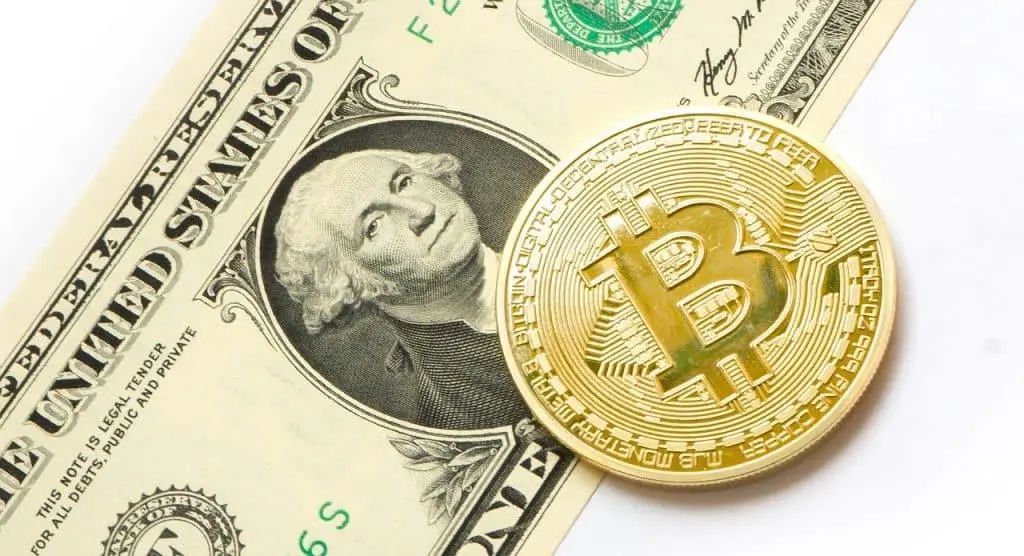 Source: Pixabay / tombarkCompanies like BlackRock and ARK Invest have revised their spot Bitcoin (BTC) ETF filings to include cash redemption models, signaling a shift in response to SEC demands.
The move comes as the Securities and Exchange Commission (SEC) deadline of January 10 to approve or deny a spot Bitcoin ETF is fast approaching.
In updated filings, it has become evident that the SEC is requesting cash redemption models for these funds, which would be the first to track physically backed bitcoin instead of bitcoin futures contracts
BlackRock, ARK Invest, and other firms have recently switched from ious in-kind redemption models to cash redemption in their filings.
BlackRock to Temporarily Set Aside In-Kind Redemption
BlackRock, as the world’s largest asset manager, submitted an amended S-1 filing on Monday, indicating its decision to temporarily set aside the preferred in-kind redemption mechanism and instead offer cash creation and redemption options to investors
Initially, BlackRock had filed for the ETF to include in-kind redemptions, which would have allowed investors to redeem their fund shares for the bitcoin held within the investment vehicle
However, under the revised cash model, the firm will now convert the crypto asset into cash when returning shares to investors, as mandated by the SEC.
“The Trust issues and redeems baskets on a continuous basis. These transactions will take place in exchange for cash,” it wrote in the filing.
In-Kind and Cash Redemption Models Difference
The choice between in-kind and cash redemption models for spot bitcoin ETFs has potential implications for the fund’s overall cost
Most ETFs employ the in-kind redemption model, enabling issuers to swap the ETF’s underlying assets with a market maker rather than conducting transactions in cash
The cash redemption model, which incurs higher transaction costs, could potentially make the product more expensive for investors, according to Bryan Armour, an ETF analyst at Morningstar.
Speculating on the SEC’s motive behind the cash redemption requirement, Armour suggests that the commission may not want broker-dealers to directly handle bitcoin
By enforcing cash redemption and having the fund trade cash for bitcoin, the SEC can maintain oversight of the entire process from the exchange to the fund, even if broker-dealers are barred from handling the crypto asset.
BlackRock and Grayscale had previously presented an in-kind redemption model to the SEC, while Hashdex, a Brazilian crypto investment firm, had proposed a cash redemption model
However, Matt Hougan, chief investment officer of Bitwise Asset Management, believes that the decision to enforce cash redemptions is not a make-or-break factor for launching the first spot bitcoin ETFs
“From a 30,000-foot view, what matters is, do we have an ETF? Or do we not have an ETF? And all these nuances are, are we on the 95 yard line?” he said