


العقود الآجلة
وصول إلى مئات العقود الدائمة
TradFi
الذهب
منصّة واحدة للأصول التقليدية العالمية
الخیارات المتاحة
Hot
تداول خيارات الفانيلا على الطريقة الأوروبية
الحساب الموحد
زيادة كفاءة رأس المال إلى أقصى حد
التداول التجريبي
مقدمة حول تداول العقود الآجلة
استعد لتداول العقود الآجلة
أحداث مستقبلية
"انضم إلى الفعاليات لكسب المكافآت "
التداول التجريبي
استخدم الأموال الافتراضية لتجربة التداول بدون مخاطر
إطلاق
CandyDrop
اجمع الحلوى لتحصل على توزيعات مجانية.
منصة الإطلاق
-التخزين السريع، واربح رموزًا مميزة جديدة محتملة!
HODLer Airdrop
احتفظ بـ GT واحصل على توزيعات مجانية ضخمة مجانًا
منصة الإطلاق
كن من الأوائل في الانضمام إلى مشروع التوكن الكبير القادم
نقاط Alpha
تداول الأصول على السلسلة واكسب التوزيعات المجانية
نقاط العقود الآجلة
اكسب نقاط العقود الآجلة وطالب بمكافآت التوزيع المجاني


المزيد






“Banks Work, Bitcoin Doesn’t” Wikipedia Co-founder Fires Shots at Bitcoin, Community Responds
Disclosure: Crypto is a high-risk asset class. This article is provided for informational purposes and does not constitute investment advice. By using this website, you agree to our terms and conditions. We may utilise affiliate links within our content, and receive commission.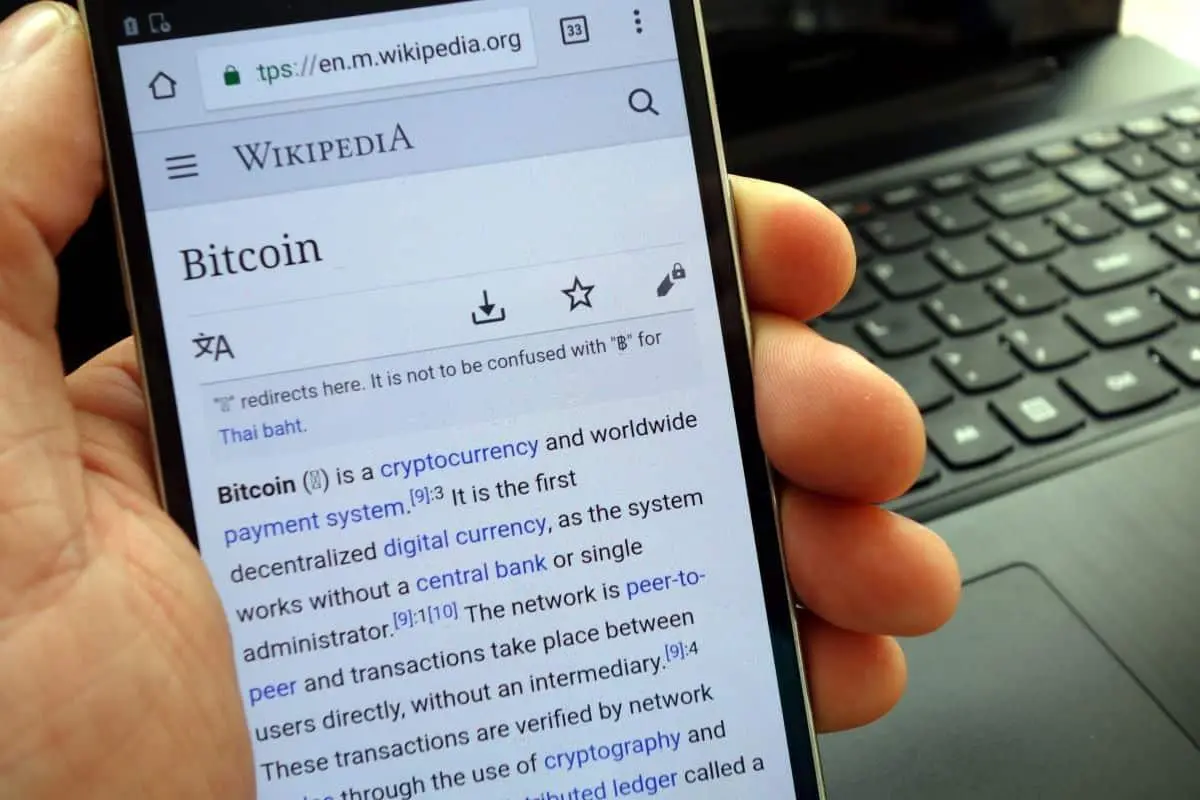 Bitcoin Wikipedia Source: Adobe / piter2121Wikipedia co-founder Jimmy Wales criticized Bitcoin (BTC) on the asset losses when users forget their wallet passwords against the reality of centralized finance sparking wide controversy among crypto enthusiasts
Wales wrote on X (formerly Twitter) against the structure of Bitcoin in a sarcastic manner stating that if he loses his bank password, he doesn’t lose his assets but the same cannot be said among cryptocurrencies adding that banks work unlike Bitcoin
The co-founder’s statement has been a major cause of criticism among centralized financed players and regulators saying investors could easily lose assets without recovery if they forget their wallet passwords although the danger of this is wiped off with centralized exchanges
Bitcoin community fights back
The comments of the Wikipedia co-founder were met with pushback from the cryptocurrency community with many calling out his business model, explaining how the Bitcoin eco works as well as highlighting other utilities of virtual assets
Lyn Alden, an investment strategy expert wrote on X that she once received a heartbreaking email about a a Lebanese doctor who lost most of his net worth due to inflation with the assumption that money is safe
Alex Gladstein, the Head of Strategies at Human Rights Foundation Group told Wales that banks only work when you reside in a country that respects the rule of law making it okay for about one in ten people
“Banks work decently so long as you live in a country with the rule of law and a strong currency. So maybe ok for ~1 billion people out of 8 billion people. And they tend to not work very well if you criticize the government or voice provocative opinions.”
Decentralization: a driving force behind Bitcoin
A major utility for blockchain and decentralized finance is the elimination of middlemen who make the process more cumbersome and might be against the user’s best interest encouraging openness
Based on this ideology, industry experts believe web3 can cater to the unbanked in remote areas rather than centralized finance which needs the presence of centralized personnel to be available. While banks may work for some, it is not a sustainable model for all, they claim
Similarly, Samson Mow reminded Wales of the way his organization is run through seeking donations unlike Bitcoin adding that he had suggested to Wikipedia to buy Bitcoin a few years ago
Others pointed at some implosions in centralized finance due to wrong decisions of banking utives stating that comparing both Bitcoin in private wallets and banks are not the same
According to Daniel Scott, physically storing cash in the bank would be a better example. “That scenario is more akin to forgetting your password to a Bitcoin exchange, in which case you could reset it, like a bank. Physically storing the cash yourself would be a better example, but you lose that and it’s gone, the same as Bitcoin.”