


العقود الآجلة
وصول إلى مئات العقود الدائمة
TradFi
الذهب
منصّة واحدة للأصول التقليدية العالمية
الخیارات المتاحة
Hot
تداول خيارات الفانيلا على الطريقة الأوروبية
الحساب الموحد
زيادة كفاءة رأس المال إلى أقصى حد
التداول التجريبي
مقدمة حول تداول العقود الآجلة
استعد لتداول العقود الآجلة
أحداث مستقبلية
"انضم إلى الفعاليات لكسب المكافآت "
التداول التجريبي
استخدم الأموال الافتراضية لتجربة التداول بدون مخاطر
إطلاق
CandyDrop
اجمع الحلوى لتحصل على توزيعات مجانية.
منصة الإطلاق
-التخزين السريع، واربح رموزًا مميزة جديدة محتملة!
HODLer Airdrop
احتفظ بـ GT واحصل على توزيعات مجانية ضخمة مجانًا
منصة الإطلاق
كن من الأوائل في الانضمام إلى مشروع التوكن الكبير القادم
نقاط Alpha
تداول الأصول على السلسلة واكسب التوزيعات المجانية
نقاط العقود الآجلة
اكسب نقاط العقود الآجلة وطالب بمكافآت التوزيع المجاني


المزيد



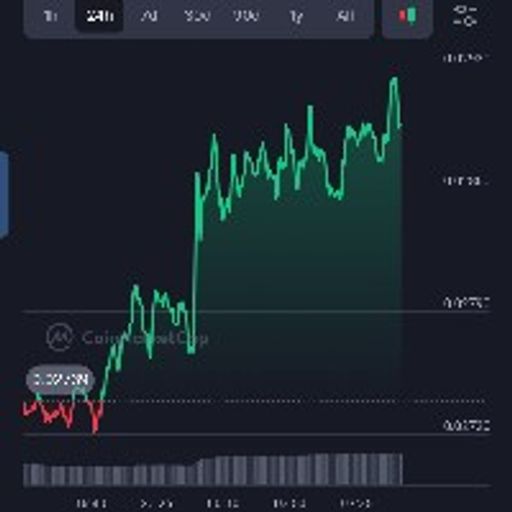


Market Cap vs Trading Volume: Understanding the Key Differences in Crypto Trading
When trading cryptocurrencies, two metrics are often discussed interchangeably, but they reveal very different aspects of a digital asset. Market cap and trading volume are both critical indicators, yet they measure fundamentally different things. Understanding the distinction between market cap vs volume is essential for making informed trading decisions and interpreting market conditions accurately.
What Is Trading Volume and Why It Matters
Trading volume represents the total value or quantity of transactions executed over a specific timeframe—typically measured in 24-hour periods. This metric tells you how actively a cryptocurrency is being bought and sold in real-time.
When volume is high, it indicates strong market engagement and liquidity. This means you can buy or sell significant amounts without drastically moving the price. Conversely, low volume suggests limited buyer-seller interest, which can lead to wider price swings and potential slippage when executing large trades.
For example, if 10,000 coins trade at $1 each over 24 hours, the trading volume is $10,000. This reflects the actual capital flowing through the market at that moment. Volume is a snapshot of current market activity—it’s what’s happening right now.
Looking at today’s market data, Bitcoin shows robust activity with a 24-hour trading volume of $1.12 billion, demonstrating strong liquidity. Solana maintains $75.90 million in daily volume, while XRP operates with $62.32 million, reflecting varying levels of immediate market participation.
Understanding Market Cap: The Full Picture of Project Size
Market cap quantifies the total value of all coins in circulation for a given project. The calculation is straightforward:
Market Cap = Current Price × Total Supply
This metric reflects the overall size and valuation of a cryptocurrency project in the broader market. Higher market cap typically correlates with greater stability, as larger projects tend to experience smaller percentage price fluctuations.
Consider a practical scenario: if Bitcoin is priced at $71,080 with approximately 19.98 million coins in circulation, the market cap reaches approximately $1.42 trillion. This represents Bitcoin’s standing as the largest cryptocurrency by valuation. By comparison, XRP at $1.39 with 99.99 billion total supply creates a market cap of $85.35 billion, while SOL at $88.70 with 619.72 million supply achieves a $50.67 billion market cap.
Market cap reflects accumulated investor confidence in a project’s long-term potential and utility—it’s the cumulative belief in what the asset is worth overall.
The Critical Distinction: Market Cap vs Volume Reveals Different Truths
Here lies the fundamental insight: a cryptocurrency can possess a massive market cap yet maintain surprisingly low trading volume. This scenario indicates that while the project has significant accumulated value, there’s minimal daily trading activity. Investors holding these assets may be inactive or “hodling” long-term.
The opposite situation also occurs frequently: an asset can generate substantial trading volume while maintaining a modest market cap. This typically happens with smaller, newer projects or speculative tokens experiencing high trading engagement but limited overall market capitalization.
This distinction matters tremendously for traders:
Real-World Analysis: What Current Market Data Tells Us
Examining today’s major cryptocurrencies reveals how these metrics interact. Bitcoin maintains the highest market cap at $1.42 trillion with $1.12 billion daily volume—a balanced profile suggesting stability and accessibility. Solana presents interesting dynamics: despite a $50.67 billion market cap, it generates $75.90 million in daily volume, demonstrating active trading relative to its overall size. XRP’s $85.35 billion market cap contrasts with $62.32 million daily volume, indicating a larger project with proportionally moderate trading intensity.
Key Takeaway for Traders
Market cap vs volume comparison should guide your trading strategy. Before entering a position, evaluate both metrics:
Neither metric tells the complete story alone. A high market cap suggests legitimacy and stability, while high volume indicates active market engagement and easy entry/exit. Conversely, low market cap with high volume suggests speculation, while low volume with high market cap suggests a dormant or consolidating asset. By understanding both dimensions, you’ll navigate cryptocurrency markets with significantly greater insight and confidence.