


Ф'ючерси
Сотні безстрокових контрактів
TradFi
Золото
Одна платформа для світових активів
Опціони
Hot
Торгівля ванільними опціонами європейського зразка
Єдиний рахунок
Максимізуйте ефективність вашого капіталу
Демо торгівля
Вступ до ф'ючерсної торгівлі
Підготуйтеся до ф’ючерсної торгівлі
Ф'ючерсні події
Заробляйте, беручи участь в подіях
Демо торгівля
Використовуйте віртуальні кошти для безризикової торгівлі
Запуск
CandyDrop
Збирайте цукерки, щоб заробити аірдропи
Launchpool
Швидкий стейкінг, заробляйте нові токени
HODLer Airdrop
Утримуйте GT і отримуйте масові аірдропи безкоштовно
Launchpad
Будьте першими в наступному великому проекту токенів
Alpha Поінти
Ончейн-торгівля та аірдропи
Ф'ючерсні бали
Заробляйте фʼючерсні бали та отримуйте аірдроп-винагороди
Інвестиції
Simple Earn
Заробляйте відсотки за допомогою неактивних токенів
Автоінвестування
Автоматичне інвестування на регулярній основі
Подвійні інвестиції
Прибуток від волатильності ринку
Soft Staking
Earn rewards with flexible staking
Криптопозика
0 Fees
Заставте одну криптовалюту, щоб позичити іншу
Центр кредитування
Єдиний центр кредитування
Центр багатства VIP
Преміальні плани зростання капіталу
Управління приватним капіталом
Розподіл преміальних активів
Квантовий фонд
Квантові стратегії найвищого рівня
Стейкінг
Стейкайте криптовалюту, щоб заробляти на продуктах PoS
Розумне кредитне плече
New
Кредитне плече без ліквідації
Випуск GUSD
Мінтинг GUSD для прибутку RWA


Більше





ECB Study Reveals Minimal Environmental Impact of Euro Banknotes – How Does Crypto Compare?
Disclosure: Crypto is a high-risk asset class. This article is provided for informational purposes and does not constitute investment advice. By using this website, you agree to our terms and conditions. We may utilise affiliate links within our content, and receive commission.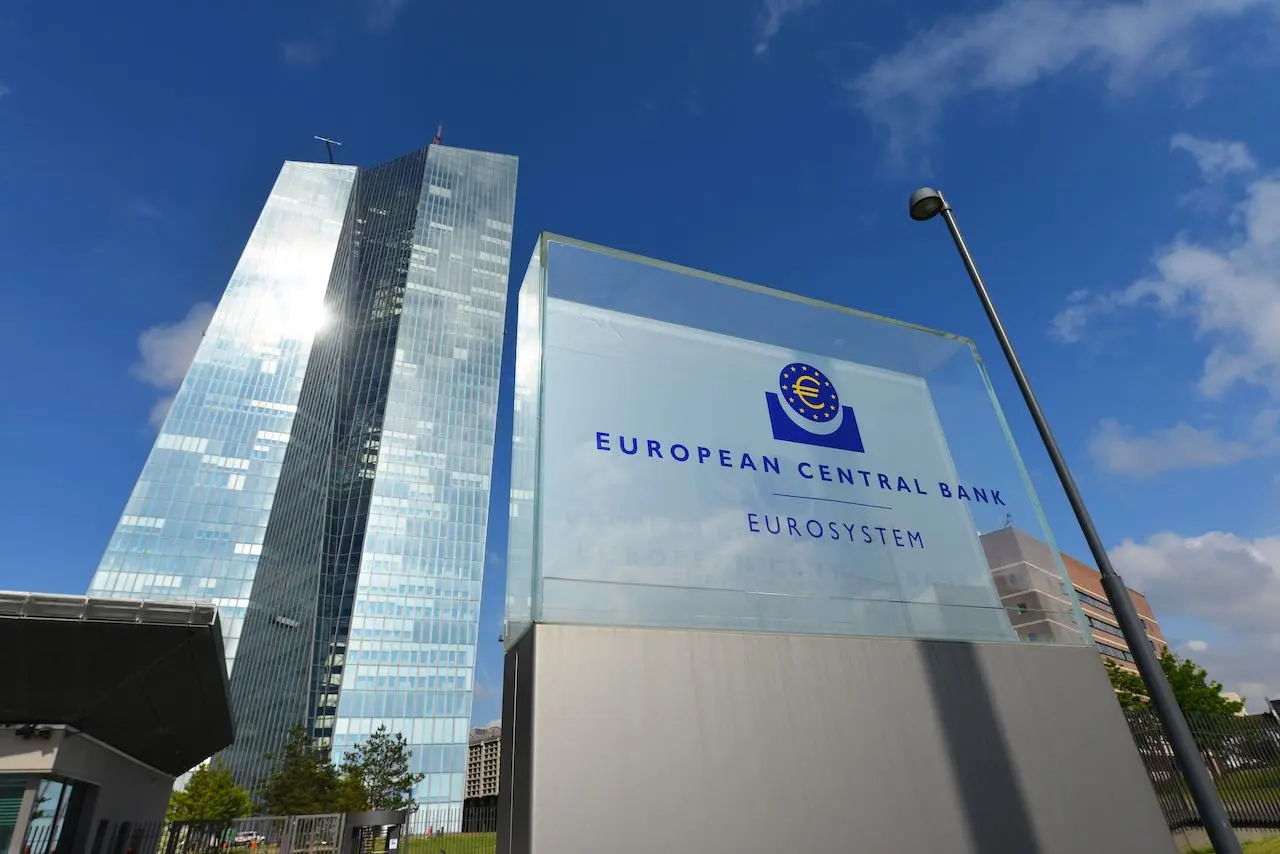 Source: Adobe / nmann77It’s not just crypto: old-fashioned banknotes have a noticeable energy footprint worth reducing, according to the European Central Bank (ECB).
In a newly published report, the central bank outlined how the elaborate physical infrastructure used to support eurozone cash can affect the environment – from the acquisition of raw materials to the distribution of banknotes themselves.
Going by the European Commission’s methodology, the environmental impact of a typical euro area citizen’s annual consumption activities using cash is roughly equal to driving a standard car for eight kilometers.
That’s an incredibly low score compared to other everyday products. For example, the Commission measures the impact of a cotton t-shirt that is washed once a week to have an annual impact equal to driving fifty-five kilometers.
In light of the figure, the ECB wrote:
According to the study, the core environmental impact of banknotes comes from powering ATMs (37%) and transportation (35%), alongside processing during the distribution stage (10%). Another 14% is related to paper manufacturing and authenticating at the point of sale.
The ECB noted that cash remains the most commonly used form of payment in the euro area. It reported a survey in February showing that over half of payments in shops and restaurants in Europe are still made with coins or banknotes.
Though the ECB has begun researching the potential launch of a digital euro, President Christine Lagarde has emphasized that its launch would not be designed to eradicate cash.
How Bitcoin Compares
Bitcoin (BTC) consumes far more energy than European cash – a fact oft-repeated by the ECB and its crypto critical President.
As the central bank warned in a prior report, the entire Bitcoin network consumes energy rivaling certain small and mid-sized countries including Spain and the Netherlands. It wrote:
The ECB has also emphasized that BTC does not meet the criteria of a “currency” since it is too volatile and lacks adoption as a medium of exchange.
Bitcoin’s high energy consumption is due to its proof of work consensus mechanism, which is required to keep its ledger of transactions decentralized. Bitcoin miners – the entities that consume such power – are rewarded with newly issued BTC.
Survey data from the Bitcoin Mining Council and other research suggests that over half of the Bitcoin mining industry is powered by renewable energy.