


Ф'ючерси
Сотні безстрокових контрактів
TradFi
Золото
Одна платформа для світових активів
Опціони
Hot
Торгівля ванільними опціонами європейського зразка
Єдиний рахунок
Максимізуйте ефективність вашого капіталу
Демо торгівля
Вступ до ф'ючерсної торгівлі
Підготуйтеся до ф’ючерсної торгівлі
Ф'ючерсні події
Заробляйте, беручи участь в подіях
Демо торгівля
Використовуйте віртуальні кошти для безризикової торгівлі
Запуск
CandyDrop
Збирайте цукерки, щоб заробити аірдропи
Launchpool
Швидкий стейкінг, заробляйте нові токени
HODLer Airdrop
Утримуйте GT і отримуйте масові аірдропи безкоштовно
Launchpad
Будьте першими в наступному великому проекту токенів
Alpha Поінти
Ончейн-торгівля та аірдропи
Ф'ючерсні бали
Заробляйте фʼючерсні бали та отримуйте аірдроп-винагороди
Інвестиції
Simple Earn
Заробляйте відсотки за допомогою неактивних токенів
Автоінвестування
Автоматичне інвестування на регулярній основі
Подвійні інвестиції
Прибуток від волатильності ринку
Soft Staking
Earn rewards with flexible staking
Криптопозика
0 Fees
Заставте одну криптовалюту, щоб позичити іншу
Центр кредитування
Єдиний центр кредитування
Центр багатства VIP
Преміальні плани зростання капіталу
Управління приватним капіталом
Розподіл преміальних активів
Квантовий фонд
Квантові стратегії найвищого рівня
Стейкінг
Стейкайте криптовалюту, щоб заробляти на продуктах PoS
Розумне кредитне плече
New
Кредитне плече без ліквідації
Випуск GUSD
Мінтинг GUSD для прибутку RWA


Більше






U.S. Congress Excludes Crypto Provisions in Final Defense Bill
Disclosure: Crypto is a high-risk asset class. This article is provided for informational purposes and does not constitute investment advice. By using this website, you agree to our terms and conditions. We may utilise affiliate links within our content, and receive commission.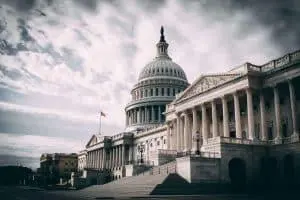
U.S. Congress released the National Defense Authorization Act for 2024 this week, but failed to include crypto provisions in the critical piece of legislation.
A “must-pass” bill
The National Defense Authorization Act for the Fiscal Year of 2024, or FY24 NDAA, missed the boat in regards to allotting blockchain or crypto-related defense statutes for the upcoming.
“Disappointed but not surprised that McHenry & others were unable to add crypto provisions to the annual National Defense & Authorization Act,” stated crypto CLO, Katherine Kirkpatrick Bos. “Without the opp to add language to massive bills such as the NDAA, I am increasingly pessimistic about crypto legislation anytime soon.”
The new legislation excludes an amendment put forward last summer by Senators Kirsten Gillibrand (D-NY), Robert Marshall (R-KS), Cynthia Lummis (R-WY), and Elizabeth Warren (D-MA) that would have required regulators “to set examination standards for financial institutions engaged in crypto asset activities” as well as requiring the Treasury Department to provide “recommendations to Congress regarding crypto asset mixers and anonymity-enhancing crypto assets.”
Cody Carbone, Vice President of Policy for the Chamber of Digital Commerce, posted to X that “the best opportunity to pass legislation is to add it to a ‘must-pass’ bill” while noting that “the NDAA has passed every year for 62 straight.”
With Congress scheduled to be released for their holiday break on December 15th, time is running out for whether or not additional pieces of crypto-based legislation can be passed before they reconvene in early 2024.
Terror financing takes center stage
In addition to failing to add the aforementioned amendment, Congress also excluded a terror-financing bill put forward in April by Senators Tedd Budd (R-NC) and Gillibrand called the bipartisan Financial Technology Act. If approved, the Financial Technology Act would have created a working group committed to combating terrorism and illicit financing.
However, on Thursday, Senators Mitt Romney (R-UT), Mark R. Warner (D-VA), Mike Rounds (R-SD), and Jack Reed (D-RI) proposed a bill that would apply “sanctions to foreign parties that facilitate financial transactions with terrorists.”
“The October 7 attacks on Israel perpetrated by Hamas have made it more urgent and necessary for the U.S. to counter the role that cryptocurrency plays in the financing of terrorism,” said Senator Romney. “Our legislation would expand financial sanctions to cover all terrorist organizations—including Hamas—and it would equip the Treasury Department with additional resources to counter terrorism and address emerging threats involving digital assets.”
The current moment
All eyes are on the crypto industry going into 2024 as the Presidential election picks up following broader discussions across the U.S. on how to effectively legislate and regulate crypto.
“Fraudsters, criminals and terrorists have been defrauding people for a long time,” said candidate Vivek Ramaswamy during this week’s Republican presidential debate. “Our regulations need to catch up with the current moment.”