


Dasar
Spot
Perdagangkan kripto dengan bebas
Perdagangan Margin
Perbesar keuntungan Anda dengan leverage
Konversi & Investasi Otomatis
0 Fees
Perdagangkan dalam ukuran berapa pun tanpa biaya dan tanpa slippage
ETF
Dapatkan eksposur ke posisi leverage dengan mudah
Perdagangan Pre-Market
Perdagangkan token baru sebelum listing
Futures
Akses ribuan kontrak perpetual
TradFi
Emas
Satu platform aset tradisional global
Opsi
Hot
Perdagangkan Opsi Vanilla ala Eropa
Akun Terpadu
Memaksimalkan efisiensi modal Anda
Perdagangan Demo
Pengantar tentang Perdagangan Futures
Bersiap untuk perdagangan futures Anda
Acara Futures
Gabung acara & dapatkan hadiah
Perdagangan Demo
Gunakan dana virtual untuk merasakan perdagangan bebas risiko
Peluncuran
CandyDrop
Koleksi permen untuk mendapatkan airdrop
Launchpool
Staking cepat, dapatkan token baru yang potensial
HODLer Airdrop
Pegang GT dan dapatkan airdrop besar secara gratis
Launchpad
Jadi yang pertama untuk proyek token besar berikutnya
Poin Alpha
Perdagangkan aset on-chain, raih airdrop
Poin Futures
Dapatkan poin futures dan klaim hadiah airdrop
Investasi
Simple Earn
Dapatkan bunga dengan token yang menganggur
Investasi Otomatis
Investasi otomatis secara teratur
Investasi Ganda
Keuntungan dari volatilitas pasar
Soft Staking
Dapatkan hadiah dengan staking fleksibel
Pinjaman Kripto
0 Fees
Menjaminkan satu kripto untuk meminjam kripto lainnya
Pusat Peminjaman
Hub Peminjaman Terpadu


Lainnya




Understanding the Bart Simpson Trading Pattern: A Guide to Chart Recognition
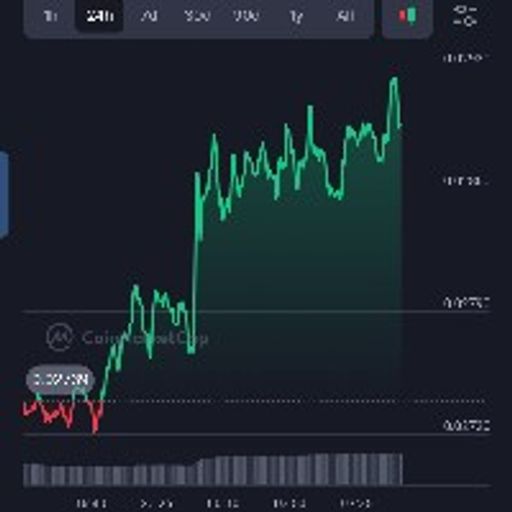
The Bart Simpson trading pattern represents a distinctive chart formation that crypto and traditional market traders use to identify potential market manipulation or weak momentum. This visual configuration gets its name from its resemblance to the animated character’s distinctive head profile, making it easily recognizable on price charts across different timeframes.
What Defines the Bart Simpson Pattern?
This chart formation follows a specific sequence of price movements. It begins with a sharp upward surge that captures traders’ attention, followed by an extended period of sideways trading where prices move within a narrow range with minimal volatility. The critical phase arrives when the price experiences a rapid reversal, typically returning to or falling below the initial starting point before the initial rally. This three-act structure—advance, consolidation, decline—creates the characteristic silhouette that gives the pattern its memorable name.
The formation frequently suggests that the preceding uptrend lacked genuine buying interest or market depth. Instead, it often signals artificial price action designed to trap retail traders or liquidate stop-loss orders. Recognizing these characteristics helps traders distinguish between legitimate trend movements and potential manipulation tactics.
Market Signals and Trading Opportunities
Once traders identify the consolidation phase, they can position for potential short opportunities. Waiting for the price to break downward through the support level established during the sideways period typically offers favorable risk-reward ratios. The defined setup—clear entry point, visible resistance overhead, and predictable target level—makes this pattern attractive for traders employing technical analysis strategies.
However, traders should validate this pattern alongside other market indicators and volume analysis rather than relying solely on the visual formation. Combining the Bart Simpson trading pattern with support level confluence, momentum indicators, and trend context strengthens decision-making reliability.
Risk Management and Important Considerations
Trading any pattern carries inherent uncertainties, and the Bart Simpson trading pattern is no exception. Market conditions shift unexpectedly, and patterns don’t always resolve as anticipated. Implementing strict stop-loss orders beyond the consolidation zone ensures capital protection if the pattern fails.
Successful traders always combine pattern recognition with comprehensive risk management protocols. Position sizing should reflect the distance to your stop-loss level, and you should never risk more than a predetermined percentage of your trading account on any single setup. Remember that technical analysis serves as a tool among many—never treat chart patterns as guaranteed trading signals.